

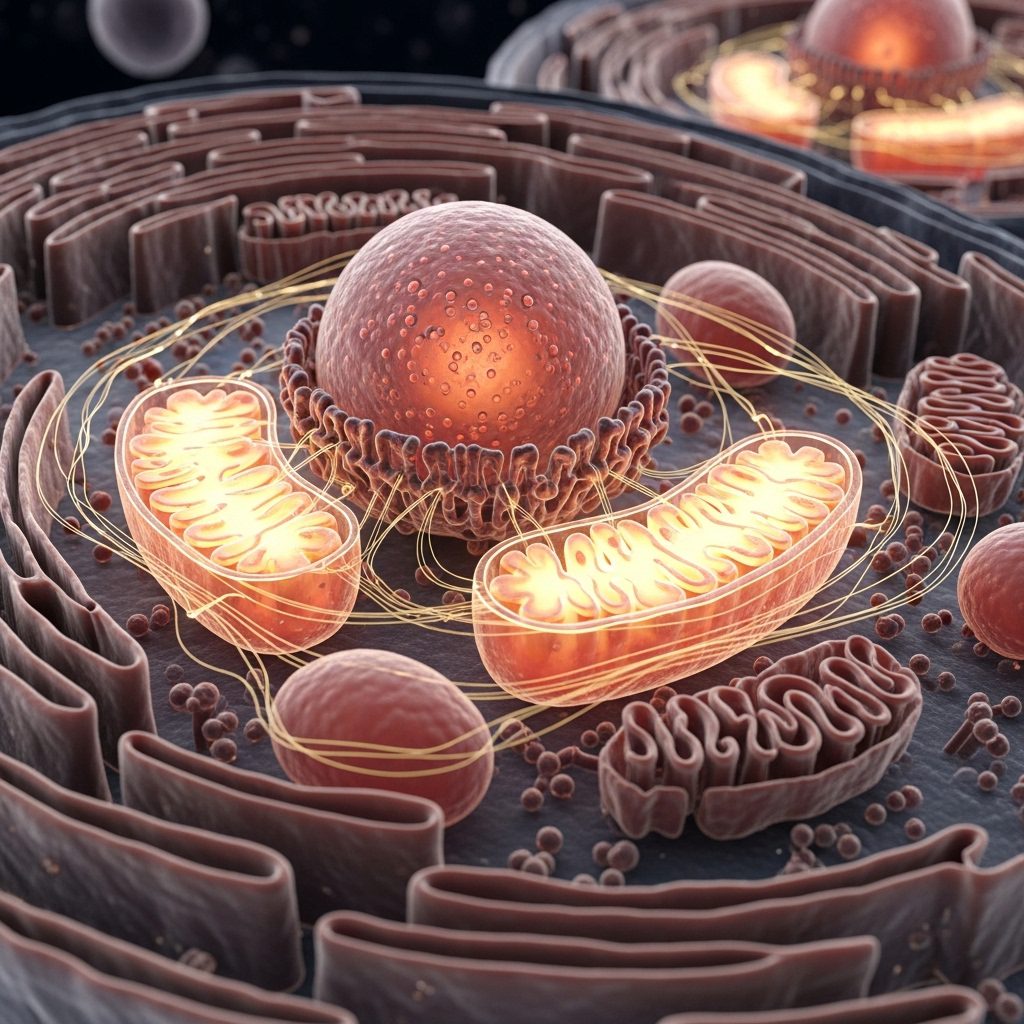
Mitochondria are tiny structures inside our cells that act as the body’s energy factories. These powerhouses convert nutrients from food into ATP, the energy molecule our body needs to fuel muscles, organs, and the brain. When mitochondria are healthy and efficient, we feel energetic, mentally sharp, and resilient. On the other hand, mitochondrial dysfunction can lead to fatigue, muscle weakness, brain fog, and even contribute to chronic diseases and accelerated aging. Fortunately, there are natural ways to support mitochondrial health and ensure sustained daily energy, without relying solely on supplements or medications.
Understanding Mitochondrial Health:
Mitochondria are highly sensitive to internal and external stressors. Oxidative stress, poor nutrition, chronic inflammation, lack of exercise, sleep deprivation, and excess sugar can damage mitochondria, reducing their ability to produce energy efficiently. Damaged mitochondria release harmful molecules that trigger inflammation and further cellular damage, creating a vicious cycle that depletes energy levels. Protecting and regenerating mitochondria is essential for optimal health and vitality.
1. Best Foods for Mitochondrial Health and Energy Production:
A diet that supports mitochondria focuses on antioxidants, healthy fats, and high-quality proteins while minimizing processed sugars and refined carbohydrates.
Antioxidant-Rich Foods: Free radicals produced during metabolism can damage mitochondrial DNA, membranes, and proteins. Eating a variety of colorful fruits and vegetables provides antioxidants like vitamin C, vitamin E, polyphenols, and carotenoids, which neutralize free radicals and protect mitochondria. Berries, spinach, kale, broccoli, and bell peppers are excellent choices.
Healthy Fats: Mitochondrial membranes rely on healthy fats to maintain their structure and function. Foods such as avocados, olive oil, coconut oil, nuts, seeds, and fatty fish like salmon and sardines provide essential fatty acids and omega-3s that support mitochondrial efficiency.
High-Quality Proteins: Proteins provide amino acids needed for cellular repair and energy metabolism. Eggs, poultry, fish, legumes, and lean meats help stabilize blood sugar and support mitochondrial function. Adequate protein intake also preserves muscle mass, which is important for overall energy metabolism.
Limit Added Sugars and Refined Carbs: Excess sugar, especially fructose, interferes with mitochondrial function, impairs ATP production, and increases oxidative stress. Reducing processed foods and sugary drinks helps prevent energy crashes and protects mitochondrial health.
Micronutrients and Phytonutrients: Minerals like magnesium, selenium, and zinc, and compounds like alpha-lipoic acid from spinach or polyphenols from green tea, support enzymatic reactions in mitochondria, further enhancing energy production.

2. How Intermittent Fasting Enhances Mitochondrial Health:
Intermittent fasting naturally promotes mitochondrial health by triggering autophagy, the cellular process that removes damaged mitochondria and replaces them with new, more efficient ones. This renewal process, known as mitochondrial biogenesis, improves energy efficiency, metabolic flexibility, and overall resilience.
Fasting also shifts the body from using glucose as the primary fuel to burning fat, producing ketones that provide a more stable and sustained energy source. Common approaches include the 16:8 method (16 hours fasting, 8 hours eating) or occasional 24-hour fasts, which encourage cellular renewal without overcomplicating daily routines.
3. Exercise and Mitochondrial Health: A Powerful Connection:
Exercise is one of the most effective ways to improve mitochondrial function and energy levels.
Endurance and Strength Training: Activities like running, swimming, cycling, and resistance training increase the number of mitochondria in muscle cells and enhance their energy production capacity. More mitochondria mean more ATP, which translates to higher stamina and less fatigue.
High-Intensity Interval Training (HIIT): Short bursts of intense exercise followed by rest periods trigger mitochondrial biogenesis more effectively than moderate exercise alone. HIIT not only boosts energy levels but also supports cognitive function by increasing neurotrophic proteins that enhance brain health.
Movement Throughout the Day: Even light physical activity like walking, stretching, or taking the stairs helps maintain mitochondrial health, especially for those with sedentary jobs. Consistent movement encourages better circulation, nutrient delivery, and energy production.

4. Sleep and Mitochondrial Health:
Sleep is essential for mitochondrial repair and energy restoration. During deep sleep stages, mitochondria undergo maintenance, repair, and optimization of their energy-producing processes. Chronic sleep deprivation reduces mitochondrial efficiency, increases oxidative stress, and leaves you feeling fatigued.
Aim for 7–8 hours of uninterrupted sleep each night, maintain a consistent sleep schedule, and create a sleep-friendly environment by reducing blue light exposure and keeping your bedroom cool and dark.
5. Stress Management for Better Mitochondrial Health:
Chronic stress elevates cortisol, which impairs mitochondrial function and increases inflammation. Mindfulness practices, yoga, meditation, deep breathing exercises, or even nature walks can reduce stress and protect mitochondria. A calmer mind improves energy efficiency and supports overall health.
6. Environmental Factors That Support Mitochondrial Health:
Cold Exposure: Short, controlled exposure to cold, such as cold showers or brief outdoor activity in cooler temperatures, stimulates mitochondria and boosts metabolic efficiency. It can also activate fat-burning pathways and increase energy production.
Moderate Sunlight: Natural sunlight regulates circadian rhythms, supporting hormonal balance and mitochondrial activity. A daily dose of sunlight in the morning can enhance energy levels and mental clarity.

7. Hydration and Nutrients for Mitochondrial Function:
Mitochondrial reactions depend on proper hydration and nutrient availability. Drinking adequate water and consuming magnesium-rich foods like leafy greens, nuts, seeds, and whole grains supports ATP production. While a whole-food approach should be primary, certain natural compounds—like alpha-lipoic acid, omega-3 fatty acids, and PQQ from cocoa—can further optimize mitochondrial function when needed.
8. Limit Toxins and Unhealthy Habits:
Environmental toxins, excessive alcohol, smoking, and processed foods contribute to mitochondrial damage. Minimizing exposure to these stressors helps preserve energy production and protects cellular health.
9. Build a Lifestyle that Supports Mitochondria:
Combining these natural strategies creates a holistic approach:
- Balanced Nutrition: Focus on antioxidants, healthy fats, quality protein, and micronutrients.
- Consistent Exercise: Include aerobic activity, strength training, and HIIT.
- Intermittent Fasting: Encourage mitochondrial renewal and metabolic flexibility.
- Sleep and Stress Management: Optimize recovery, repair, and hormone regulation.
- Environmental Practices: Use cold exposure, sunlight, and avoid toxins to reinforce energy production.
By integrating these strategies, mitochondria become more resilient, energy production is optimized, and daily vitality improves significantly.

Maintaining healthy mitochondria is the foundation for sustained daily energy, mental clarity, and overall well-being. Through a combination of nutrient-rich foods, regular exercise, intermittent fasting, quality sleep, stress management, and mindful lifestyle choices, you can naturally enhance your cellular powerhouses and enjoy more consistent energy every day. Small, practical changes—like adding antioxidant-rich vegetables to your meals, walking daily, or trying a HIIT session—can create lasting benefits for your mitochondria and overall vitality.
Start implementing these natural strategies today and experience improved focus, stamina, and energy. For more guidance on supporting mitochondrial health naturally and optimizing daily energy, Explore more evidence-based health and wellness guides on Nutrition Travels to learn how nutrition and lifestyle choices can support long-term energy and overall well-being.