


Benefits of Dietary Fiber for Seniors:
Preventing Constipation:
Constipation is a common concern among seniors, affecting quality of life and sometimes leading to complications like hemorrhoids or fecal impaction. Insoluble fibers, found in whole grains and vegetables, increase stool bulk, which stimulates peristalsis—the natural contraction of intestinal muscles that moves stool along the digestive tract. Soluble fibers, present in oats, legumes, and some fruits, absorb water to form a gel-like substance that softens stool, making bowel movements easier and less painful. Regular fiber intake keeps the intestines active and prevents constipation before it starts.
Supporting Digestive Health:
Fiber does more than move stool—it nurtures a healthy gut microbiome. The beneficial bacteria in the colon ferment fiber, producing short-chain fatty acids that support colon health, reduce inflammation, and improve nutrient absorption. This is especially important for seniors, as a balanced gut flora can prevent digestive disturbances, bloating, and gas, and enhance immune function.
Managing Chronic Conditions:
Seniors are at higher risk of cardiovascular disease and diabetes, and dietary fiber offers protective benefits. Soluble fibers slow the absorption of sugar into the bloodstream, helping regulate blood glucose levels and prevent spikes. They also bind to cholesterol particles, reducing LDL cholesterol and supporting heart health. Consistent fiber intake has been linked to lower risk of heart disease and better management of chronic metabolic conditions.
Supporting Healthy Weight:
Fiber-rich foods increase satiety, helping seniors feel fuller for longer periods and reducing the urge to snack on high-calorie, low-nutrient foods. Maintaining a healthy weight is crucial for joint health, energy levels, and reducing the risk of chronic diseases.
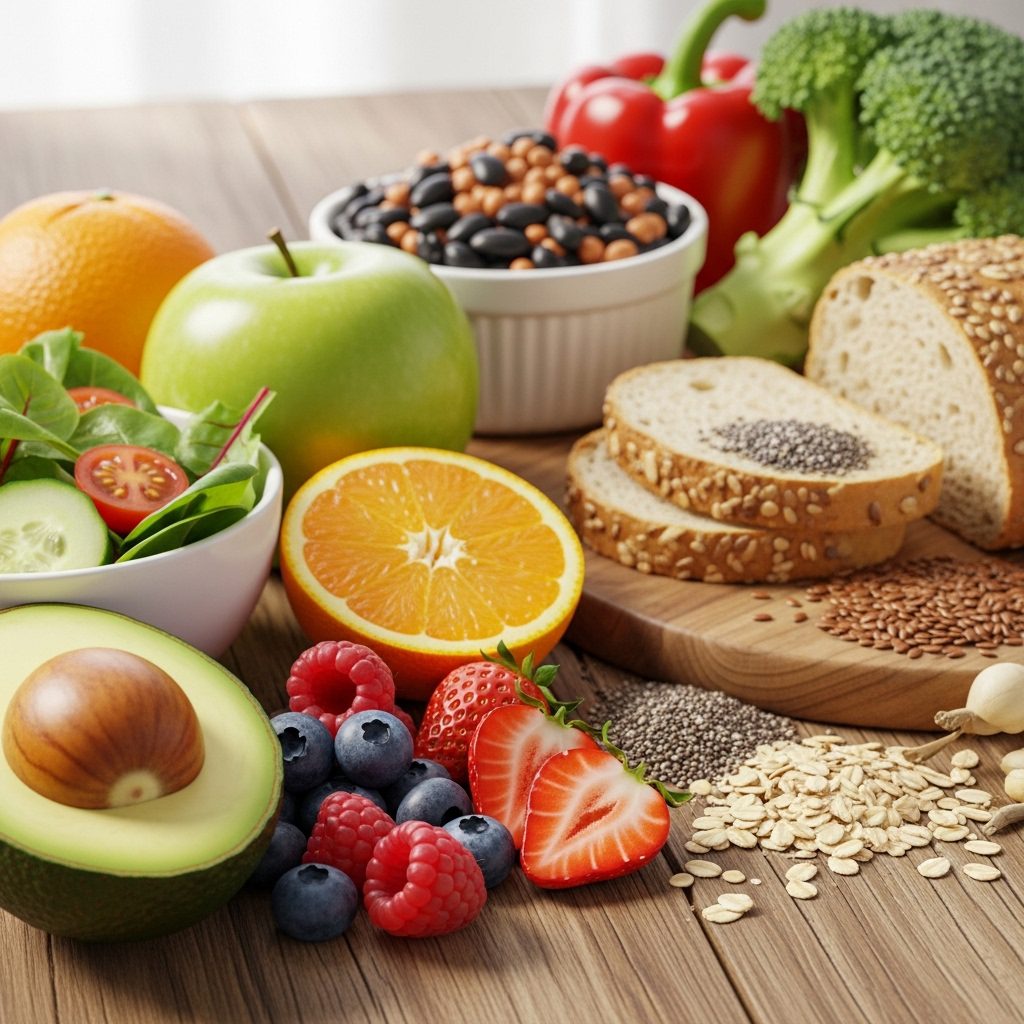
Best Sources of Dietary Fiber for Seniors:
Whole Grains:
Whole grains are a cornerstone of fiber intake. Foods like oats, brown rice, whole wheat bread, and bran provide primarily insoluble fiber, which adds bulk to stool and stimulates bowel movements. Starting the day with oatmeal or choosing whole-grain bread over white bread are simple ways to boost fiber intake.
Legumes:
Lentils, chickpeas, black beans, and soybeans are rich in soluble fiber. They absorb water to form a gel-like consistency, softening stool and slowing sugar absorption. Incorporating legumes into soups, salads, or stews makes it easy for seniors to meet their fiber requirements while adding protein and essential minerals.
Fruits and Vegetables:
Fruits and vegetables offer a blend of soluble and insoluble fiber. Apples, pears, berries, broccoli, carrots, and leafy greens not only improve digestion but also provide essential vitamins and antioxidants. Eating fruits with their skins maximizes fiber intake, while lightly cooking vegetables makes them easier to chew and digest.
Nuts and Seeds:
Almonds, walnuts, flaxseeds, and chia seeds are excellent fiber sources. They also provide healthy fats that support heart and brain health. A handful of nuts or a sprinkle of seeds on yogurt or salads can add both flavor and nutrition.

Dietary Fiber for Seniors: Tips for Safe and Effective Intake:
Gradual Increase:
A sudden surge in fiber can cause bloating, gas, and discomfort. Seniors should gradually increase fiber intake over weeks, starting with small portions and progressively adding more. This allows the digestive system to adapt and prevents unpleasant side effects.
Hydration is Key:
Fiber needs water to work effectively. Drinking 6–8 cups of water daily ensures stool remains soft and prevents constipation. Dehydration can reduce the effectiveness of fiber, sometimes worsening digestive problems rather than alleviating them.
Chew Food Thoroughly:
Proper chewing breaks down food and fiber into smaller particles, easing digestion and reducing strain on the intestines. Encourage slow, mindful eating, especially for seniors with dental or swallowing difficulties.
Focus on Whole Foods:
Natural food sources provide fiber along with vitamins, minerals, and antioxidants, making them superior to supplements for long-term health. However, if dietary intake is insufficient or medical conditions require it, fiber supplements may be recommended by healthcare providers.
Support Gut Health:
Incorporating probiotic-rich foods like yogurt, kefir, or fermented vegetables can enhance beneficial gut bacteria. Prebiotic foods, such as garlic, onions, and bananas, provide fuel for these bacteria, improving digestion and nutrient absorption.
Physical Activity and Dietary Fiber for Seniors:
Gentle exercise like walking, stretching, or yoga stimulates intestinal movement, helping fiber do its job efficiently. Even 20–30 minutes a day can improve bowel regularity and overall digestion.

Practical Ways to Include Dietary Fiber for Seniors in Daily Meals:
- Replace Refined Grains: Choose whole-grain bread, brown rice, or whole-wheat pasta instead of white versions.
- Boost Fruit and Vegetable Intake: Incorporate fruits with skins and cook vegetables lightly to make them tender.
- Add Legumes: Include lentils, chickpeas, or beans at least twice per week.
- High-Fiber Snacks: Mix nuts or seeds into yogurt, oatmeal, or salads.
- Hydrate Continuously: Drink 6–8 cups of water per day to support fiber function.
- Plan Meals Around Fiber: Spread fiber-rich foods across meals and snacks to maintain digestive comfort.

Common Mistakes in Dietary Fiber for Seniors Intake:
Some seniors increase fiber too quickly, skip water, or rely on processed fiber-enriched foods. These practices can lead to bloating, gas, and even constipation. Focus on natural sources, increase intake gradually, and combine with adequate hydration and light activity for best results.
Dietary fiber acts as a “traffic controller” for the senior digestive system. By preventing constipation, supporting gut microbiota, regulating blood sugar, and improving heart health, fiber is essential for maintaining quality of life in older age. Gradually incorporating fiber from whole foods, staying hydrated, and engaging in light physical activity ensures long-term digestive comfort and overall wellness.
Embracing the power of dietary fiber can transform daily nutrition and overall health. For more expert tips and practical advice on senior nutrition, follow Nutrition Travels to explore strategies that make healthy aging easier and more enjoyable