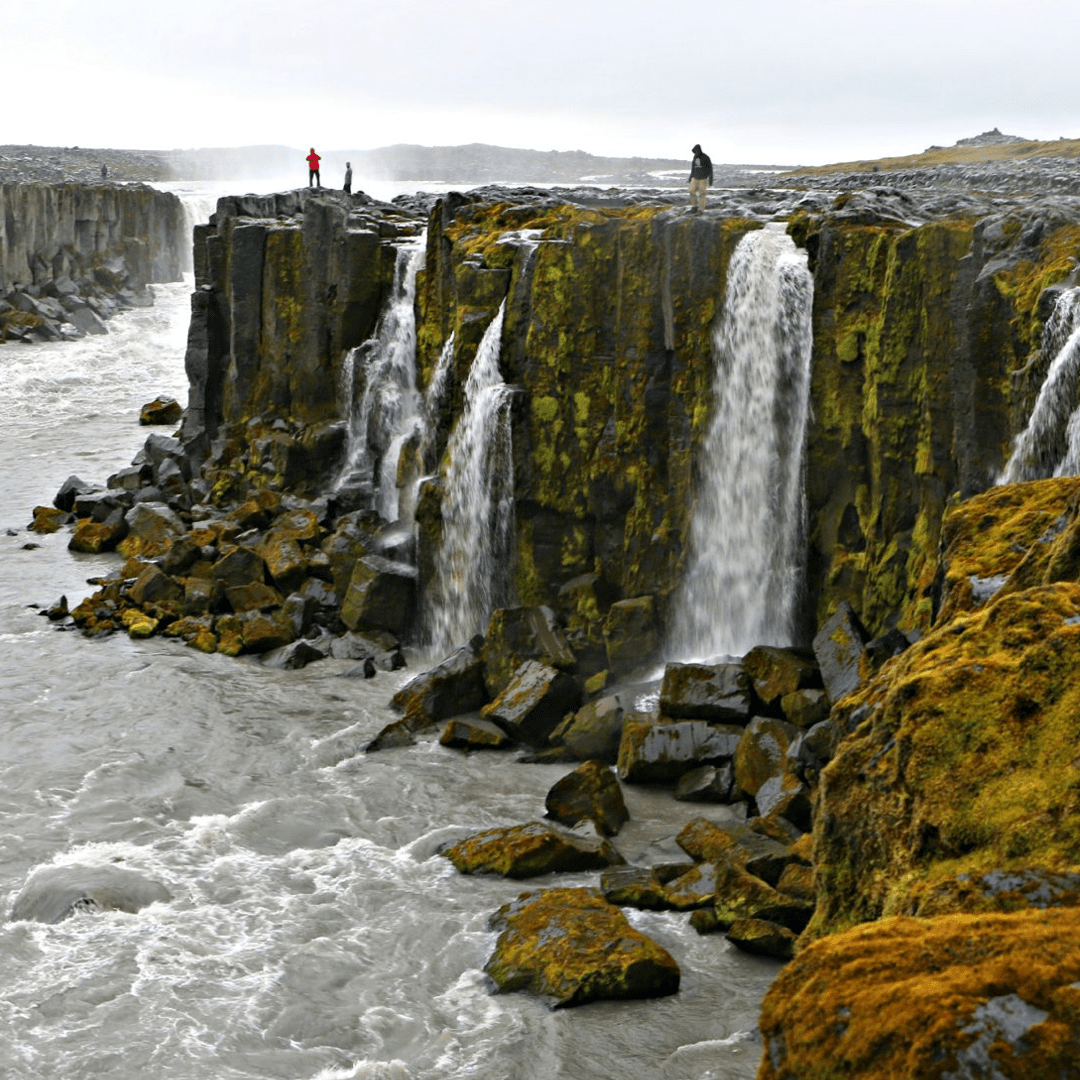
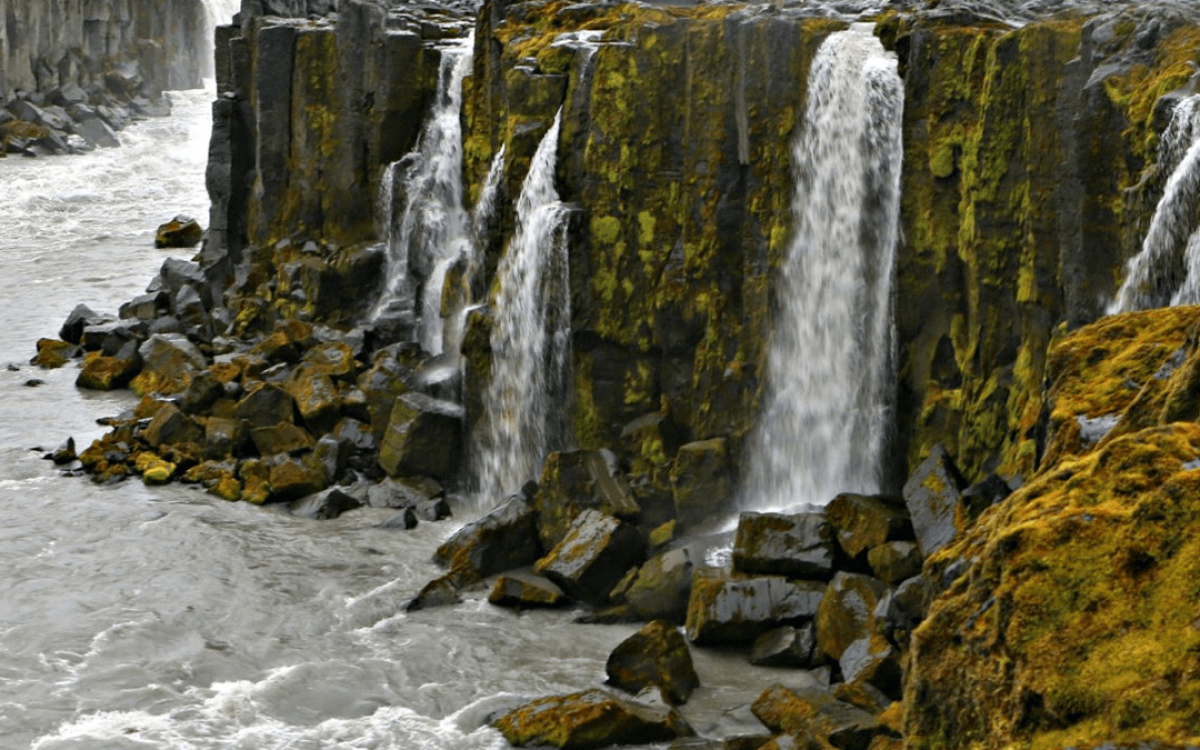
Iceland’s Ring Road is one of the most spectacular road trip routes in the world, offering travelers an unforgettable journey through Iceland’s dramatic landscapes. Officially known as Route 1, this scenic highway circles the entire island, connecting visitors to breathtaking waterfalls, glaciers, volcanic fields, and charming coastal villages.
Stretching about 1,332 kilometers (828 miles), the Ring Road offers an unforgettable journey through waterfalls cascading down volcanic cliffs, glaciers slowly carving the land, and lava fields shaped by powerful eruptions. Along the way, travelers encounter fishing villages, black sand beaches, and vast valleys where nature feels both raw and majestic.
Exploring Iceland by road is more than a sightseeing trip—it’s a deep immersion into one of the world’s most dynamic geological landscapes.
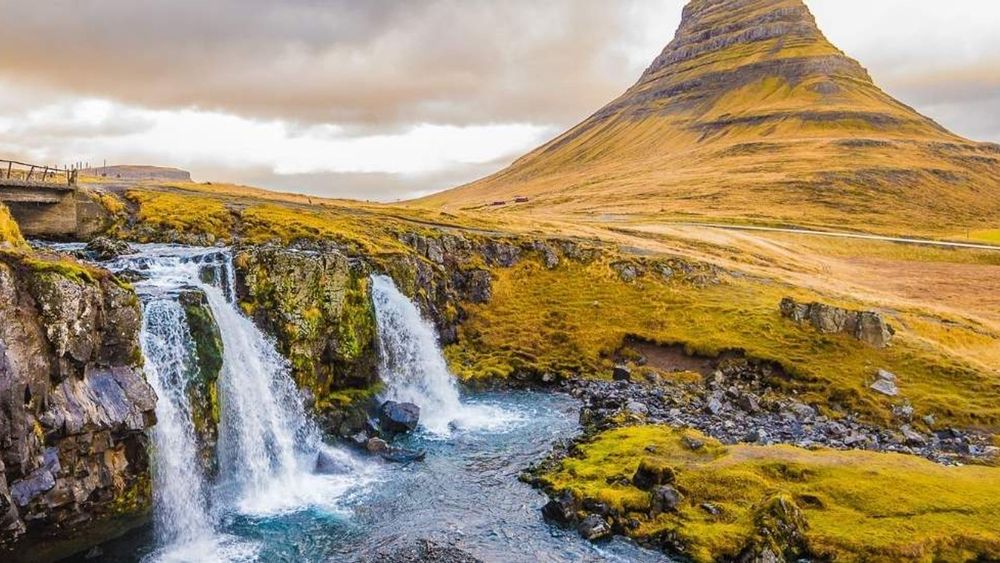
What Is Iceland’s Ring Road?
The Iceland Ring Road forms a complete loop around the island, linking most major towns and natural attractions. Starting in Reykjavík, Iceland’s capital, the route passes through diverse environments shaped by volcanic activity, glaciers, and powerful Atlantic weather.
Travelers typically complete the full circuit in 7 to 10 days, although shorter itineraries are possible for those focusing on specific regions.
Because the road connects many of Iceland’s most famous landmarks, it provides an efficient way to explore the country’s natural wonders without complicated logistics.
Iceland’s Iconic Waterfalls Along the Ring Road:
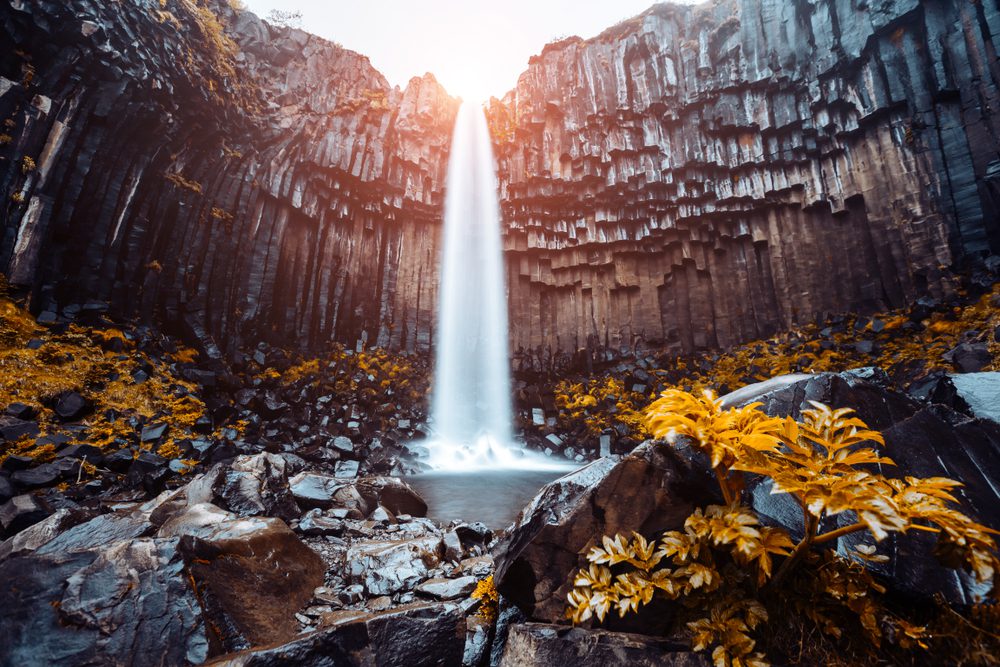
Waterfalls are among Iceland’s most defining features, and several of the country’s most spectacular cascades are easily accessible from the Ring Road.
Seljalandsfoss on Iceland’s Ring Road:
One of the most photographed waterfalls in Iceland is Seljalandsfoss, located along the southern coast. What makes this waterfall unique is a trail that allows visitors to walk behind the curtain of water, offering a rare perspective of the landscape beyond.
Skógafoss:
Just a short drive away lies Skógafoss, a powerful waterfall plunging about 60 meters into a wide basin. On sunny days, mist rising from the falls often creates brilliant rainbows across the surrounding cliffs.
Dettifoss:
In the northeast, travelers encounter Dettifoss, often considered the most powerful waterfall in Europe. Its immense volume and roaring sound create a dramatic spectacle that perfectly reflects Iceland’s untamed energy.
Exploring Glaciers Along Iceland’s Ring Road:
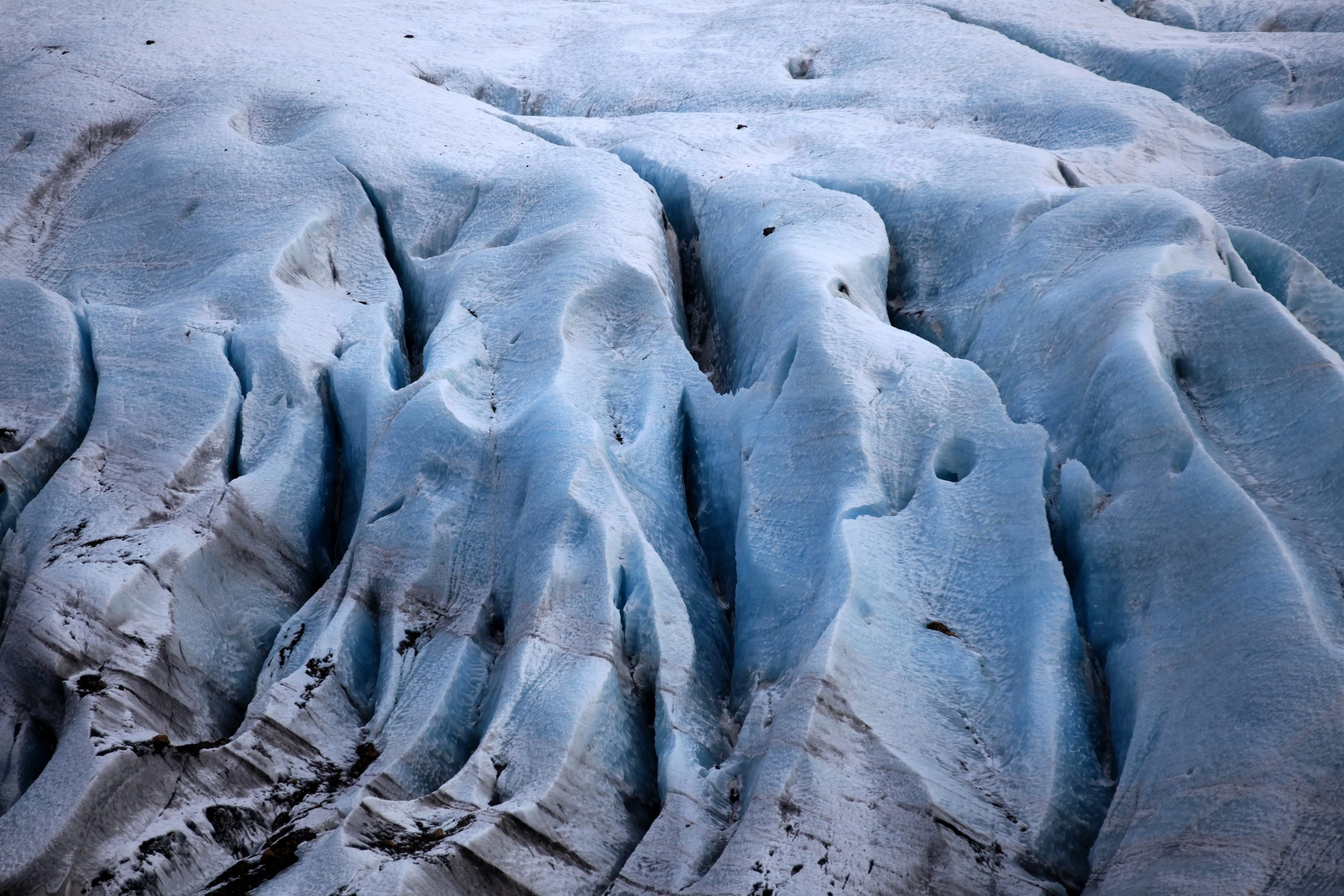
Nearly 11% of Iceland is covered by glaciers, making them one of the country’s most defining natural features.
Vatnajökull Glacier:
The largest glacier in Europe, Vatnajökull, dominates southeast Iceland. This massive ice cap covers thousands of square kilometers and feeds numerous glacier tongues that stretch toward the Ring Road.
Visitors can explore the surrounding Vatnajökull National Park, where guided glacier hikes and ice cave tours reveal the frozen landscapes hidden within the ice.
Jökulsárlón Glacier Lagoon:
One of Iceland’s most magical sights is Jökulsárlón, a lagoon filled with floating icebergs that break away from nearby glaciers. These shimmering blue blocks drift slowly toward the ocean before washing onto the nearby black sand beach known as Diamond Beach.
The contrast between crystal ice and volcanic sand creates one of the country’s most surreal landscapes.
Volcanoes and Lava Landscapes:
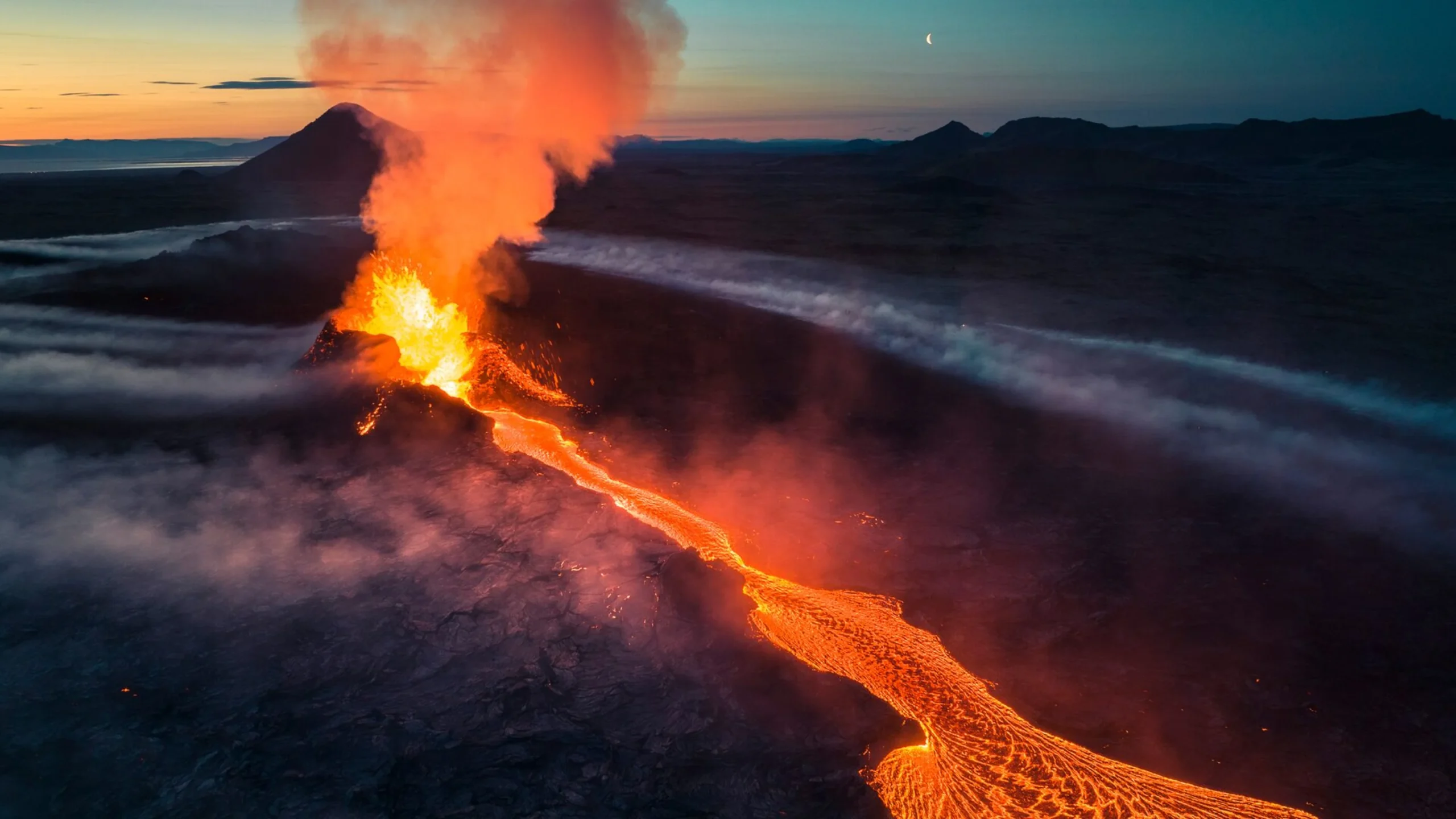
Iceland sits along the Mid-Atlantic Ridge, where tectonic plates slowly pull apart. This geological setting makes the island one of the most volcanically active places on Earth.
Hekla Volcano:
Often referred to as the “Gateway to Hell” in medieval folklore, Hekla is one of Iceland’s most famous volcanoes. Although eruptions are unpredictable, the surrounding region offers dramatic lava fields and hiking opportunities.
Eldhraun Lava Field:
Along the southern coast lies the vast Eldhraun lava field, formed during one of the largest volcanic eruptions in recorded history during the 18th century.
Today, the field is covered with thick green moss, creating an almost otherworldly landscape that stretches for kilometers.
Wildlife and Coastal Landscapes:
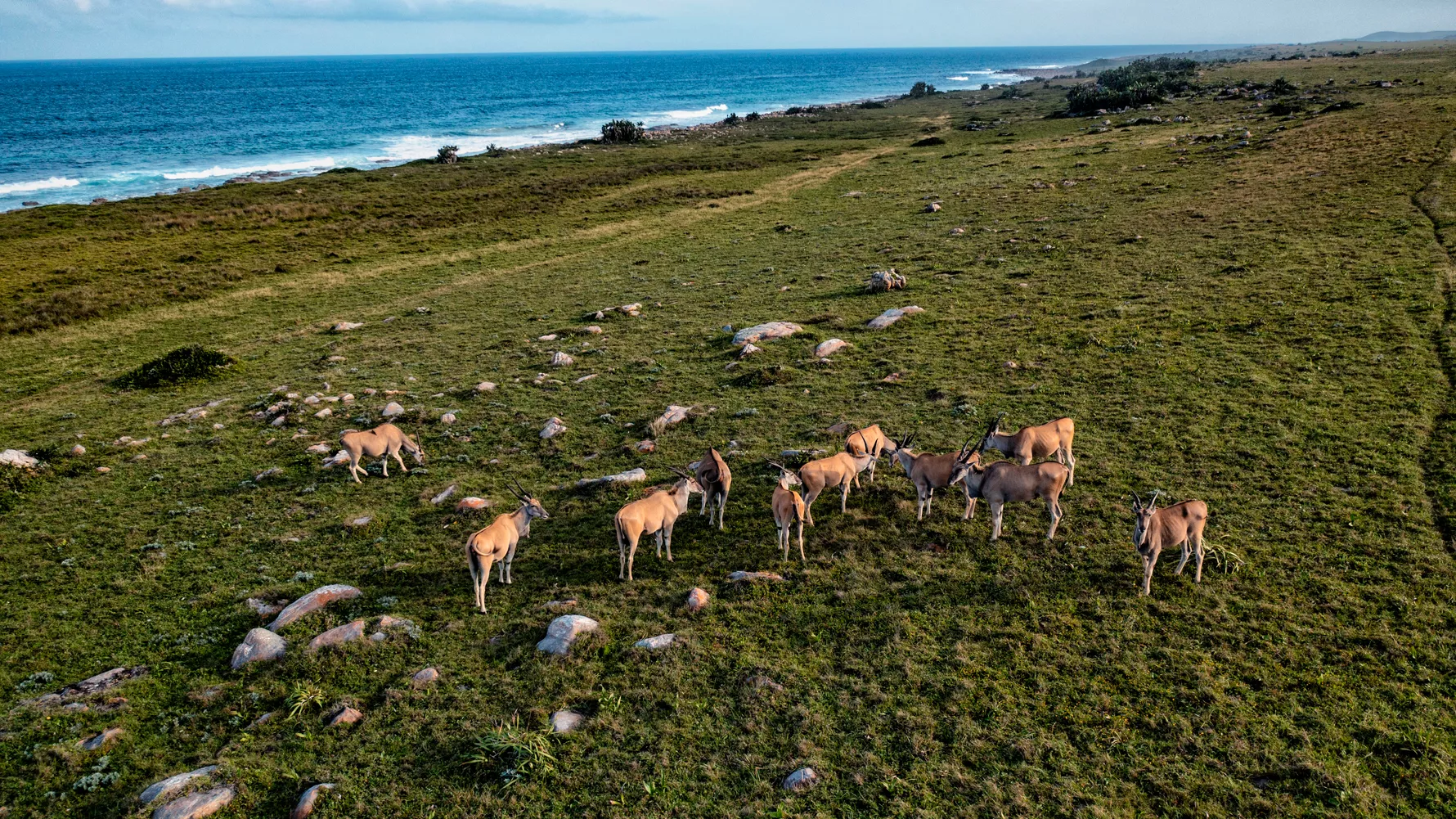
Beyond its geological wonders, the Ring Road also reveals Iceland’s diverse wildlife and coastal scenery.
Puffin Colonies:
During summer months, cliffs along the southern and eastern coasts host colonies of Atlantic Puffin. These colorful seabirds are among Iceland’s most beloved wildlife species.
Fjords and Fishing Villages:
The eastern section of the Ring Road winds through dramatic fjords and quiet fishing communities. Small towns offer charming harbors, seafood restaurants, and glimpses of traditional Icelandic coastal life.
Best Time to Drive Iceland’s Ring Road:
The best season for exploring the Iceland Ring Road depends on the type of experience travelers seek.
Summer (June – August):
Summer offers long daylight hours, making it possible to explore multiple attractions in a single day. Roads are generally clear, and wildlife viewing is at its best.
Winter (November – March):
Winter brings snowy landscapes and the possibility of seeing the Northern Lights. However, weather conditions can make driving more challenging, requiring extra planning and caution.
Essential Tips for Driving Iceland’s Ring Road:
Plan Fuel Stops:
Some stretches of road pass through remote regions with limited services, so filling up regularly is important.
Check Weather and Road Conditions:
Icelandic weather can change quickly. Travelers should monitor updates from the Icelandic Road and Coastal Administration before driving.
Drive Slowly and Safely:
Many scenic areas encourage spontaneous stops for photography. Use designated parking areas and avoid stopping directly on the road.
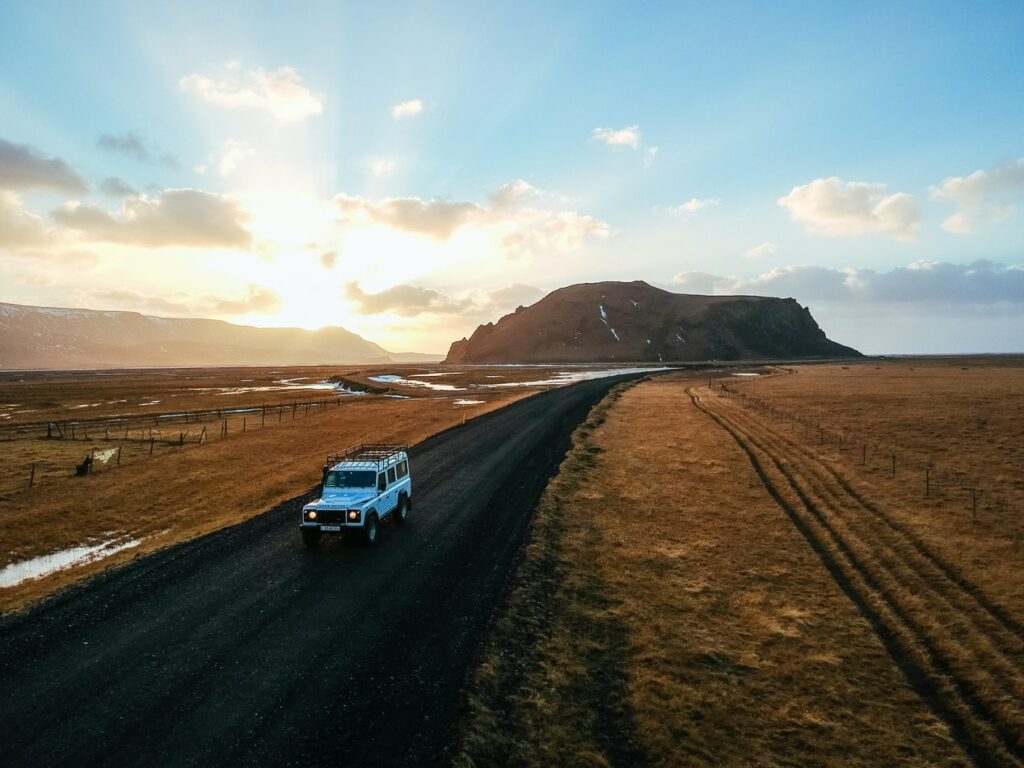
Respect Nature While Exploring Iceland’s Ring Road:
Iceland’s fragile landscapes can take decades to recover from damage. Always stay on marked paths and avoid walking on delicate moss.
Driving the Iceland Ring Road is more than a road trip—it is a journey through one of the most extraordinary geological landscapes on Earth. From towering waterfalls and massive glaciers to volcanic deserts and rugged coastlines, every stretch of road reveals a new chapter of Iceland’s natural story.
The freedom of the open road allows travelers to experience the island’s dramatic contrasts at their own pace, discovering both iconic landmarks and hidden corners along the way.
For those seeking adventure, natural beauty, and unforgettable landscapes, the Ring Road offers one of the world’s most rewarding travel experiences.
At Nutrition Travels, we believe the best journeys nourish curiosity and connection with nature—and few places inspire that sense of wonder like Iceland.