

Vitamin D is one of the most essential nutrients for human health. Unlike most vitamins, it can be synthesized naturally by the body when the skin is exposed to sunlight. Understanding vitamin D synthesis is critical because this process directly influences bone health, immune function, and overall well-being.
Aging, lifestyle habits, geographic location, and skin tone all affect the body’s ability to produce sufficient vitamin D. Seniors, individuals with darker skin, and those living in higher latitudes are particularly at risk of deficiency if proactive steps are not taken.

The Role of Vitamin D in Health:
Vitamin D, sometimes called the “sunshine vitamin”, functions as a hormone in the body. Its benefits are wide-ranging:
- Enhances calcium absorption for strong bones and teeth
- Supports immune system response
- Reduces inflammation and helps regulate immune function
- Supports muscle strength and coordination
- May reduce the risk of chronic diseases like diabetes and cardiovascular issues
Moreover, vitamin D deficiency has been linked to fatigue, depression, bone fragility, and a higher susceptibility to infections. Maintaining optimal vitamin D levels is therefore crucial for long-term health.
How Vitamin D Synthesis Works:
The body’s production of vitamin D involves several steps:
- UVB Absorption: Ultraviolet B rays from the sun penetrate the skin and convert 7-dehydrocholesterol into previtamin D3.
- Thermal Conversion: Previtamin D3 undergoes thermal isomerization to become vitamin D3 (cholecalciferol).
- Liver Activation: Vitamin D3 is transported to the liver, where it is converted into 25-hydroxyvitamin D (calcidiol), the main circulating form.
- Kidney Conversion: Finally, the kidneys convert calcidiol into the active form, calcitriol, which executes essential biological functions.
Actionable tip: Brief, safe sun exposure on arms and legs several times a week can significantly improve vitamin D status without causing skin damage.

Sun Exposure and Skin Tone:
Skin tone plays a pivotal role in vitamin D synthesis. Melanin, the pigment responsible for darker skin, absorbs UVB rays and reduces the efficiency of vitamin D production.
- Lighter skin: Synthesizes vitamin D more quickly, requiring shorter sun exposure
- Darker skin: Needs longer exposure to generate the same vitamin D levels
- Intermediate tones: Benefit from moderate sun exposure
Geographic location, season, and time of day also influence UVB intensity and, therefore, vitamin D synthesis. For example, during winter months in high-latitude areas, UVB rays are often insufficient for natural vitamin D production.
Recommended Sun Exposure:
Safe sun exposure varies depending on skin type, latitude, and lifestyle:
- Light skin: 10–20 minutes on arms and legs several times per week
- Darker skin: 20–40 minutes or more, depending on UV intensity
- Peak hours: Between 10 a.m. and 3 p.m., but prolonged exposure should be avoided
Tip: Use sunscreen after the initial short exposure to prevent skin damage while still benefiting from vitamin D synthesis.

Dietary Sources of Vitamin D:
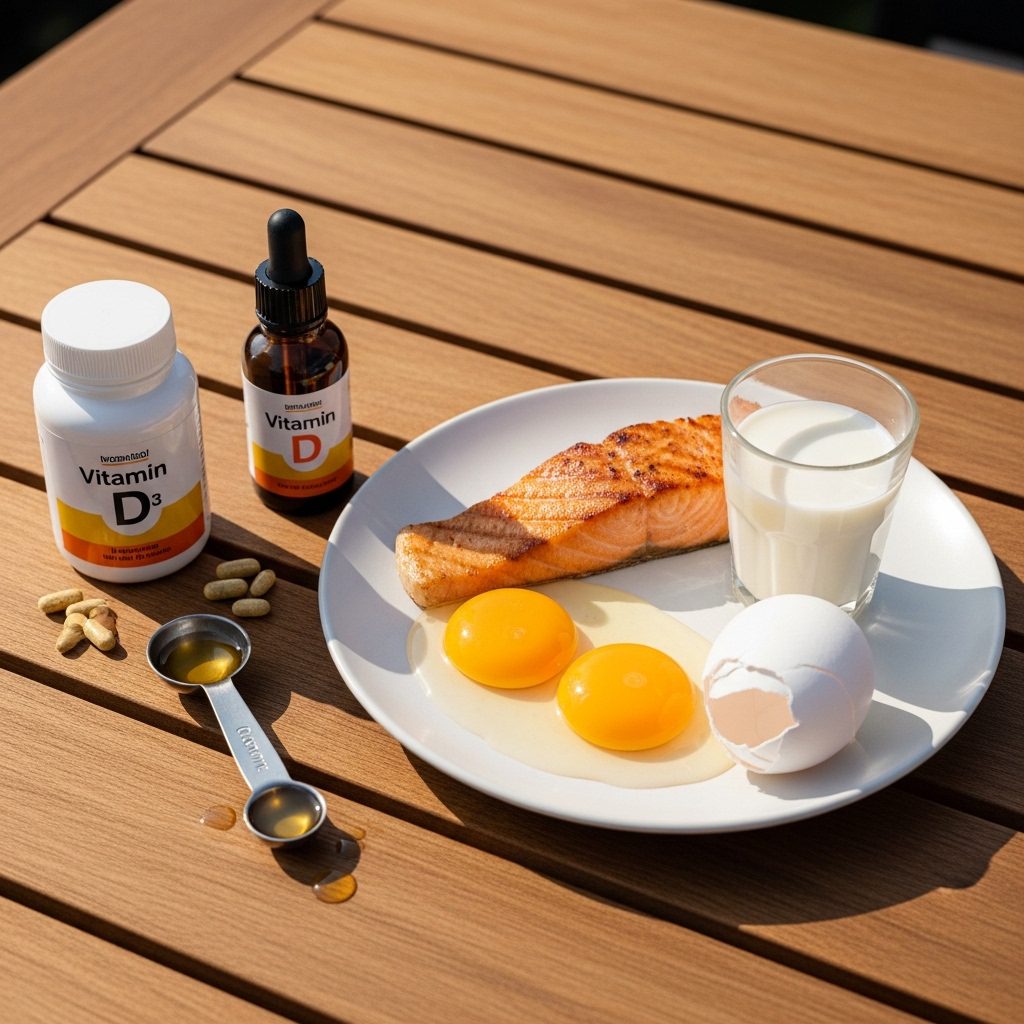
Dietary intake is crucial for individuals with limited sun exposure. Natural and fortified sources include:
- Fatty fish: salmon, mackerel, sardines
- Cod liver oil
- Egg yolks
- Fortified foods: milk, cereals, plant-based milks
Actionable tip: Combine dietary sources with moderate sun exposure for consistent year-round vitamin D levels.
Factors Affecting Vitamin D Synthesis:
Several factors can reduce vitamin D production:
- Age: Older adults produce less vitamin D due to decreased skin 7-dehydrocholesterol
- Latitude and season: Reduced UVB availability in winter and at higher latitudes
- Clothing and lifestyle: Limited sun exposure due to clothing or indoor living
- Skin pigmentation: Darker skin synthesizes vitamin D more slowly
Monitoring vitamin D levels through blood tests is recommended for at-risk populations.

Supplementation Strategies:
When sun exposure and diet are insufficient, supplementation may be necessary:
- Vitamin D3 (cholecalciferol): Generally more effective than D2
- Dosage: Depends on age, deficiency severity, and health conditions
- Forms: Oral tablets, capsules, liquid drops, or sublingual forms
- Medical guidance: Always consult a healthcare professional before starting supplements
Moreover, supplementation is particularly important for older adults, those living in low-sunlight regions, and people with malabsorption conditions.
Lifestyle Practices to Optimize Vitamin D:
- Spend time outdoors safely to encourage natural synthesis
- Include vitamin D-rich foods in your diet
- Combine with weight-bearing exercises for bone strength
- Consider supplements when necessary
In addition, pairing sun exposure with dietary intake helps maintain consistent levels, supporting immunity and musculoskeletal health.
Health Consequences of Vitamin D Deficiency:
Vitamin D deficiency can lead to:
- Osteoporosis and increased fracture risk
- Muscle weakness and mobility issues
- Impaired immune function
- Cognitive decline and mood disorders
Early detection and intervention are crucial for preventing long-term health complications.
Special Considerations:
Certain populations require additional attention:
- Older adults: Reduced skin synthesis and dietary intake
- Individuals with darker skin: Require longer sun exposure
- People in northern latitudes: Sunlight insufficient for months of the year
- Those with gastrointestinal issues: Malabsorption may occur
Actionable tip: Regular blood tests for vitamin D levels allow early correction of deficiencies.

Vitamin D synthesis depends on a complex interplay between sun exposure, skin tone, age, diet, and lifestyle. By combining moderate, safe sunlight, dietary sources, and supplementation when needed, individuals can maintain optimal vitamin D levels, supporting bone health, immunity, and overall well-being.
Take action today to monitor and maintain your vitamin D status. For more evidence-based guidance and practical nutrition tips, explore Nutrition Travels and support a healthier, more active life.