

With advancing age, many natural changes begin to occur in the body, most notably a decrease in bone density and an increased risk of osteoporosis. Moreover, this issue is not limited only to the elderly, but can gradually begin from middle age without clear notice. Therefore, nutrition plays a key role in maintaining bone health, with Vitamin D and calcium at the forefront, as they work together in synergy to achieve the best results.
In this article, we explore the importance of this synergy between Vitamin D and calcium. In addition, we highlight how individuals interested in nutrition, as well as those approaching later stages of life, can benefit from it to maintain strong and healthy bones.
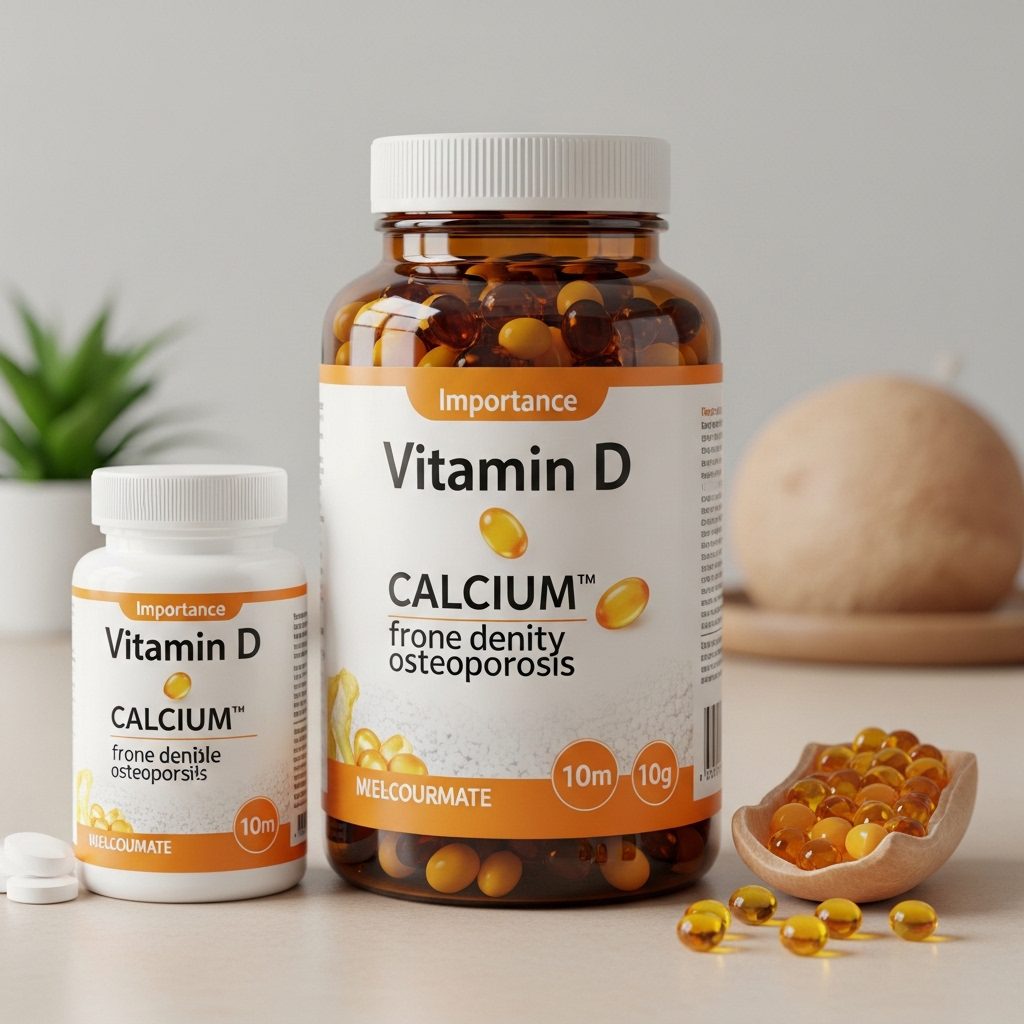
Why do bones weaken with age?
Bones are not static tissues; they are constantly renewing. However, with aging, the body gradually loses this ability, as bone breakdown becomes faster than bone formation. This leads to decreased bone density, known as osteoporosis.
This issue becomes more prominent especially among:
- People who do not get balanced nutrition.
- Those with limited exposure to sunlight.
- People with low physical activity.
Here, the vital role of both Vitamin D and calcium becomes clear.
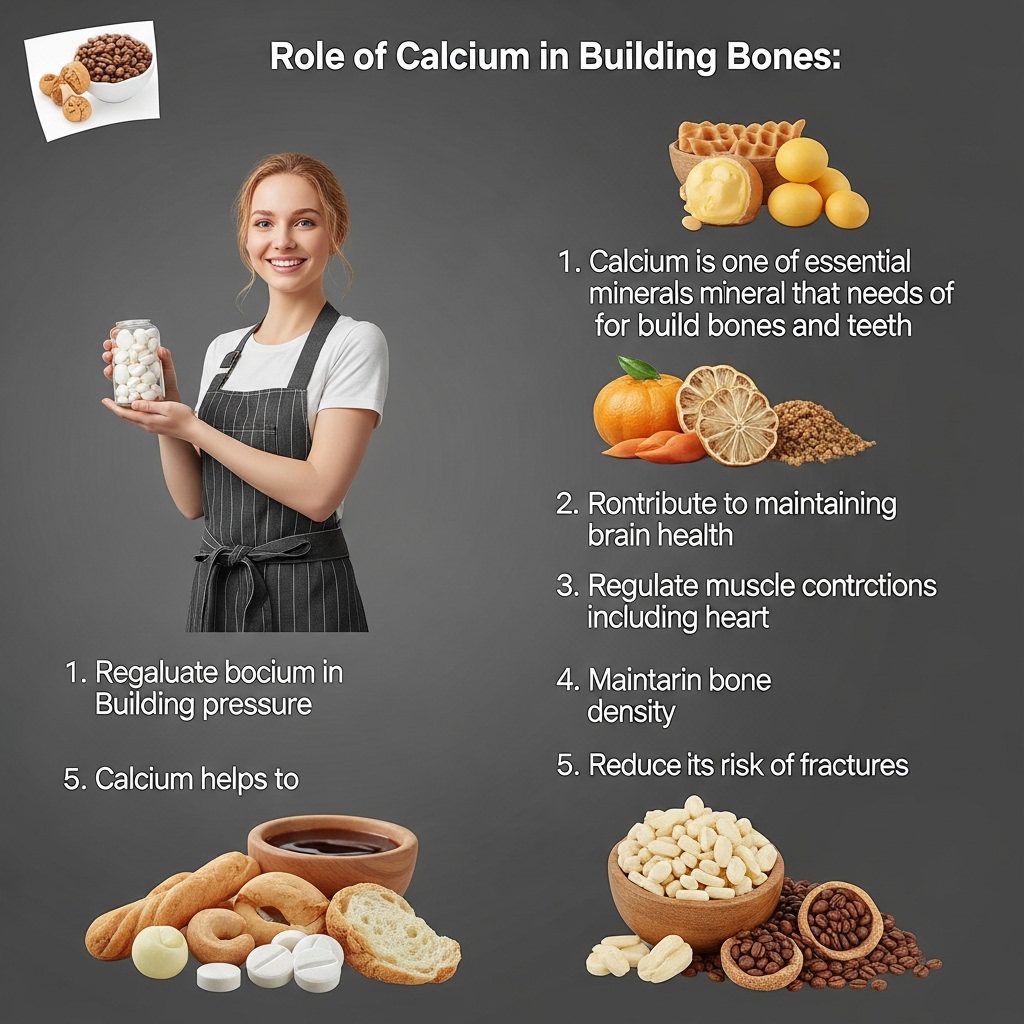
The Role of Calcium in Building Bones:
Calcium is one of the essential minerals the body needs to build bones and teeth. It is the primary mineral that bones rely on for their formation and strength, reflecting its great importance.
Calcium helps to:
1. Regulate blood pressure.
2. Contribute to maintaining brain health.
3. Regulate muscle contractions, including the heart.
4. Maintain bone density.
5. Reduce the risk of fractures.
Vitamin D: The Key to Calcium Absorption:
Vitamin D is the element that allows the body to absorb calcium from the intestines. Without sufficient levels of it, the body may not benefit from calcium even if consumed in large amounts.
Among the main benefits of Vitamin D:
- Improving calcium absorption.
- Supporting the immune system.
- Contributing to muscle strength.
This shows that the relationship between Vitamin D and calcium is not optional, but a necessary synergy.
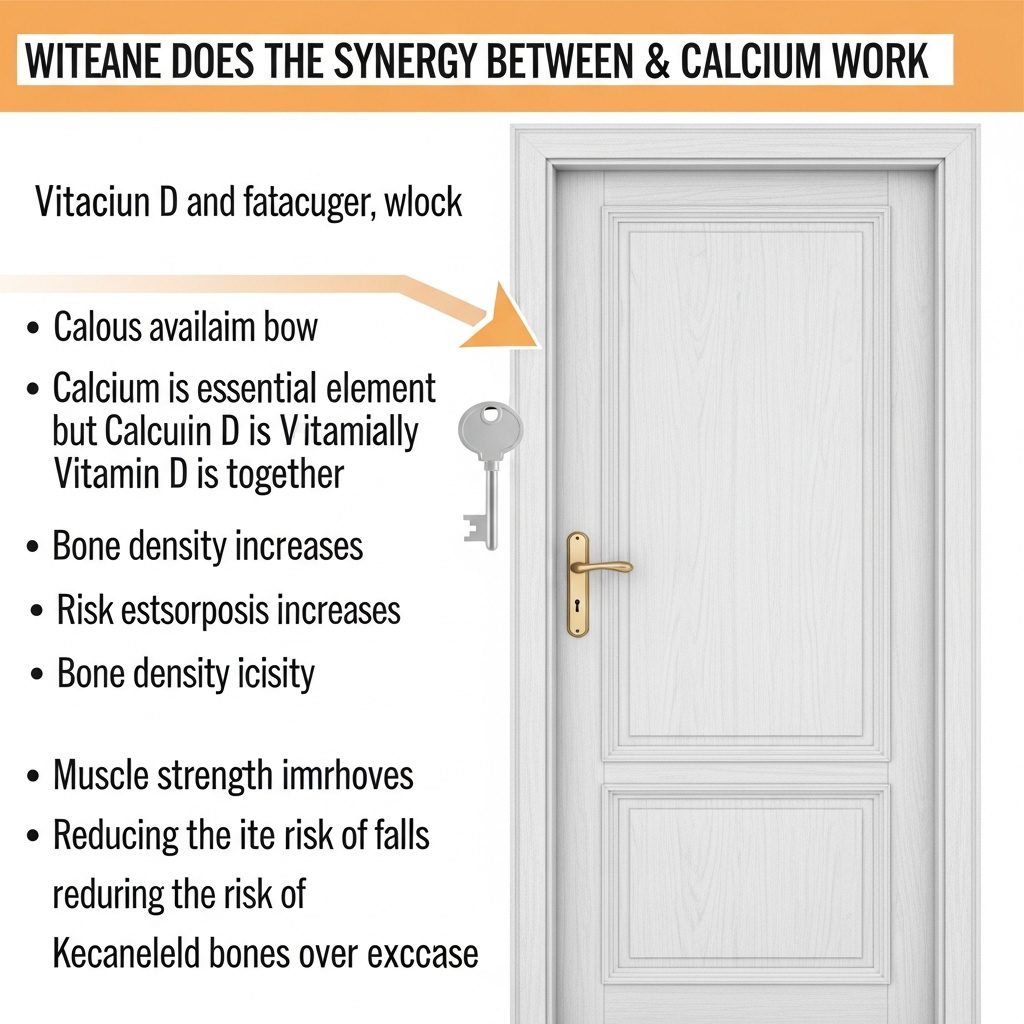
How does the synergy between Vitamin D and calcium work?
The relationship between Vitamin D and calcium can be compared to a key and a door. Calcium is the essential element, but Vitamin D is the key that allows it to enter the body and be utilized.
When both are available together:
- Calcium is absorbed more efficiently
- Bone density increases
- The risk of osteoporosis decreases
- Muscle strength improves, reducing the risk of falls
In contrast, when Vitamin D is deficient, calcium may be lost from the body without being utilized, leading to weakened bones over time.
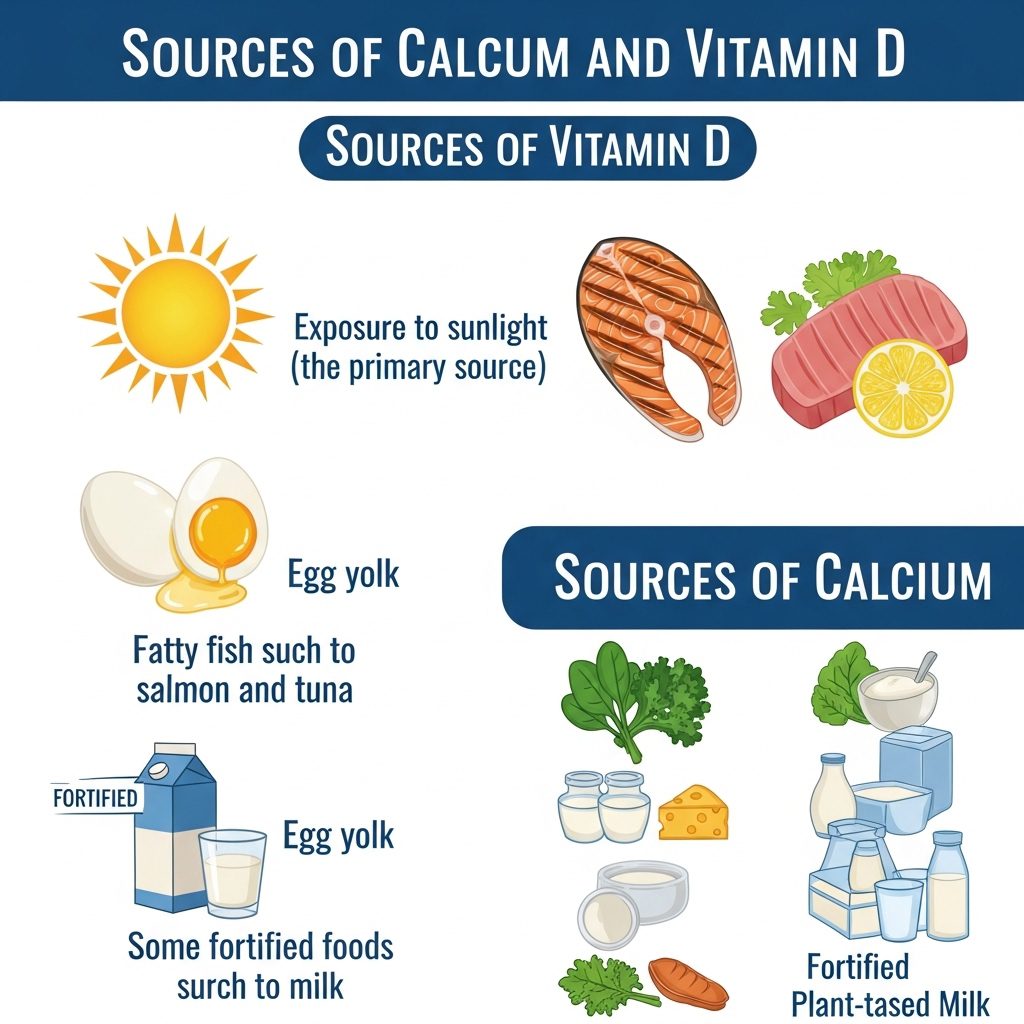
Sources of Calcium and Vitamin D:
Sources of Calcium:
- Sunlight: Exposure to morning sunlight for 10 to 15 minutes daily.
- Foods: Such as salmon, tuna, egg yolk, and Vitamin D-fortified milk.
Sources of Vitamin D:
- Exposure to sunlight (the primary source)
- Fatty fish such as salmon and tuna
- Egg yolk
- Some fortified foods such as milk
For individuals who do not get enough from these sources, dietary supplements may be an appropriate option after consulting a specialist.
Deficiency of Vitamin D and Calcium:
A deficiency in either of these nutrients may lead to:
- Weak bones
- Increased risk of fractures
- Muscle pain
- General fatigue
- In severe cases, it may lead to osteoporosis
This makes paying attention to them essential, especially with advancing age.
The Role of Nutritional Awareness in Prevention:
Increasing awareness about the importance of the synergy between Vitamin D and calcium can significantly help in reducing bone-related problems in the future. Many people may focus only on calcium intake without paying attention to the importance of Vitamin D, which reduces the effectiveness of their efforts.
For those interested in nutrition, understanding this relationship helps in building more balanced and effective dietary plans.

Caring for bone health is not a temporary matter; it is a long-term investment that begins today. With aging, it becomes essential to pay attention to nutrients that play a direct role in maintaining bone strength.
At Nutrition Travels, this information is presented in a simple and reliable way, helping those interested in nutrition better understand their body’s needs and make more informed dietary decisions that support their health in the long term.