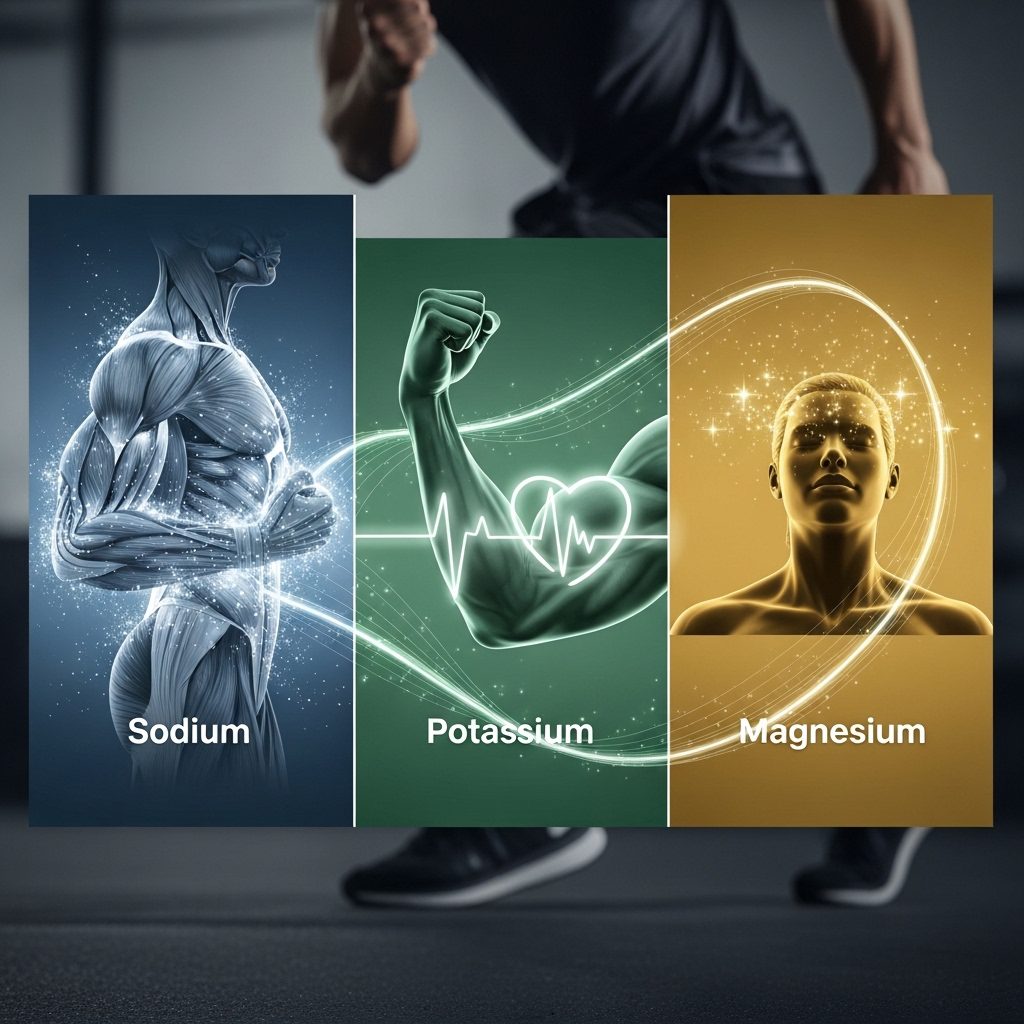

Fueling your body during extended exercise sessions is critical for performance, endurance, and recovery. Understanding intra-workout nutrition helps athletes, fitness enthusiasts, and recreational exercisers maintain energy, prevent fatigue, and optimize training outcomes.
During long-duration workouts, the body gradually depletes glycogen stores, loses electrolytes through sweat, and experiences microtears in muscles. Without proper intra-workout nutrition, performance can decline, mental focus may wane, and recovery may be delayed. Moreover, nutrition strategies can help reduce muscle breakdown, improve mental alertness, and maintain hydration levels throughout the session.
Why Intra-Workout Nutrition Matters:
Intra-workout nutrition is designed to:
-
- Maintain energy levels during prolonged activity
- Support hydration and electrolyte balance
- Delay the onset of fatigue
- Reduce muscle breakdown and post-workout soreness
Furthermore, consuming the right nutrients at the right time enhances endurance, cognitive function during exercise, and overall recovery. This is particularly important for athletes training for competitions, long-distance runners, cyclists, and individuals performing multiple training sessions in a day.

Key Components of Intra-Workout Nutrition:
The main components of effective intra-workout nutrition include carbohydrates, electrolytes, fluids, and, in some cases, small amounts of protein.
1. Carbohydrates:
Carbohydrates are the primary energy source for prolonged activity. During long workouts, consuming simple and complex carbohydrates helps maintain blood glucose levels, preventing energy crashes.
Sources:
-
-
- Sports drinks containing glucose or maltodextrin
- Banana, orange, or other easily digestible fruits
- Energy gels or chews
-
Actionable tip: For endurance sessions lasting more than 60 minutes, aim for 30–60 grams of carbohydrates per hour. This approach helps sustain energy and cognitive focus.
2. Electrolytes:
Sweat leads to the loss of vital electrolytes, including sodium, potassium, and magnesium. Electrolyte imbalances can result in cramping, fatigue, and reduced performance.
Sources:
-
-
- Electrolyte powders or ready-to-drink sports beverages
- Coconut water with natural electrolytes
- Lightly salted snacks for sodium replacement
-
In addition, maintaining electrolyte balance is essential in hot or humid conditions to prevent heat-related issues and maintain optimal cardiovascular function.
3. Fluids:
Hydration is critical for blood volume, temperature regulation, and nutrient transport.
Guidelines:
-
-
- Sip 150–250 ml every 15–20 minutes
- Adjust fluid intake based on sweat rate, exercise intensity, and environmental conditions
- Avoid overhydration, which can lead to hyponatremia
-
Moreover, combining fluids with carbohydrates and electrolytes enhances absorption and energy availability during training.
4. Protein During Long Workouts:
While carbs and electrolytes are priorities, small amounts of protein can help reduce muscle breakdown during endurance activities lasting more than 2–3 hours.
Sources:
-
-
- Whey or plant-based protein shakes
- Protein-enriched energy bars
- Branched-chain amino acids (BCAAs)
-
Actionable tip: Include 5–10 grams of easily digestible protein if exercising beyond two hours to support muscle preservation and recovery.
Timing Your Intake:
Proper timing ensures that the body efficiently utilizes nutrients:
- Start early: Begin consuming carbs and fluids within the first 30–45 minutes of exercise
- Consistent intervals: Continue intake every 15–20 minutes for sustained energy
- Monitor signals: Listen to your body for signs of fatigue, cramping, or thirst
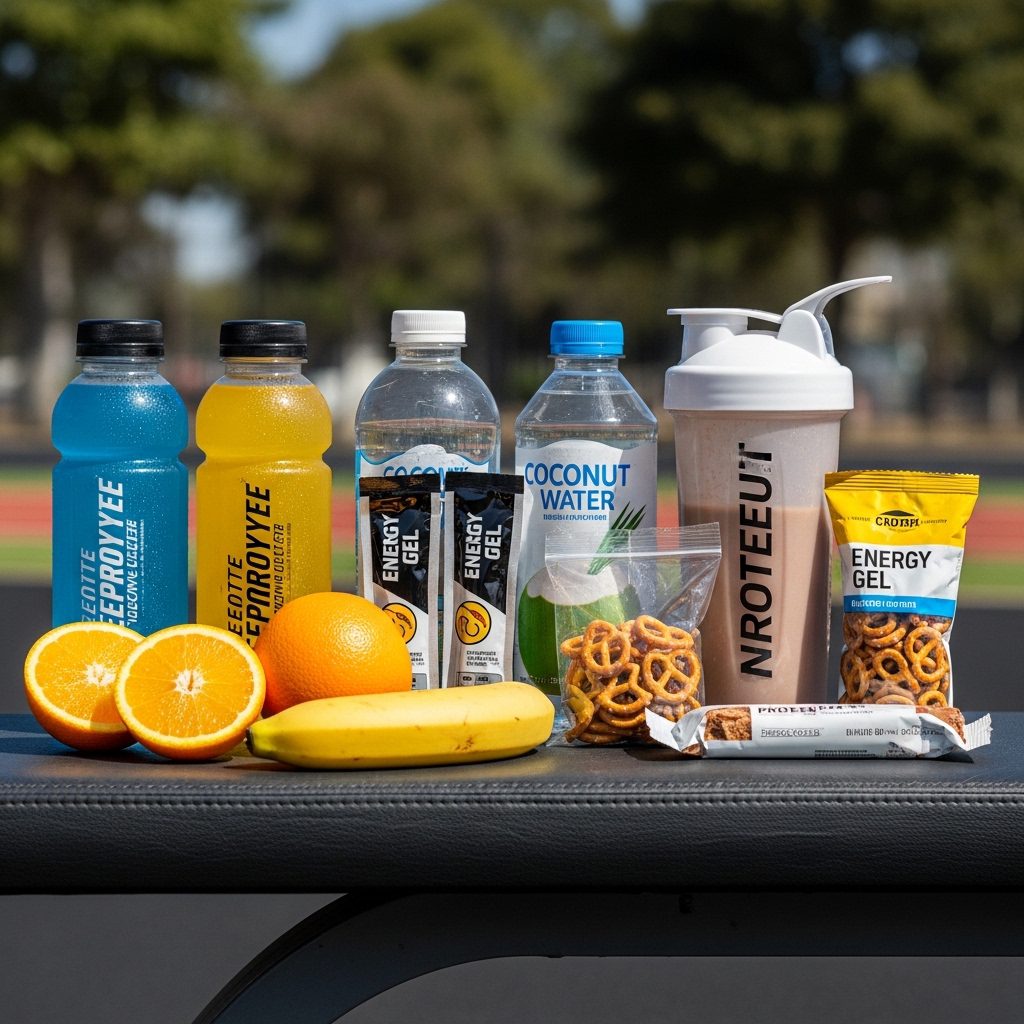
For example, long-distance runners often rotate between small sips of electrolyte drinks, gels, and fruits at regular intervals to maintain performance and mental focus.
Practical Snack and Drink Ideas:
- Sports drinks with 30–60 grams of carbs per hour
- Banana or orange slices for natural sugars
- Energy gels or chews for quick energy
- Coconut water with added electrolytes
- Small protein shake after 90–120 minutes of prolonged activity
As a result, these options provide sustained energy, hydration, and amino acids to support muscles during long training sessions.
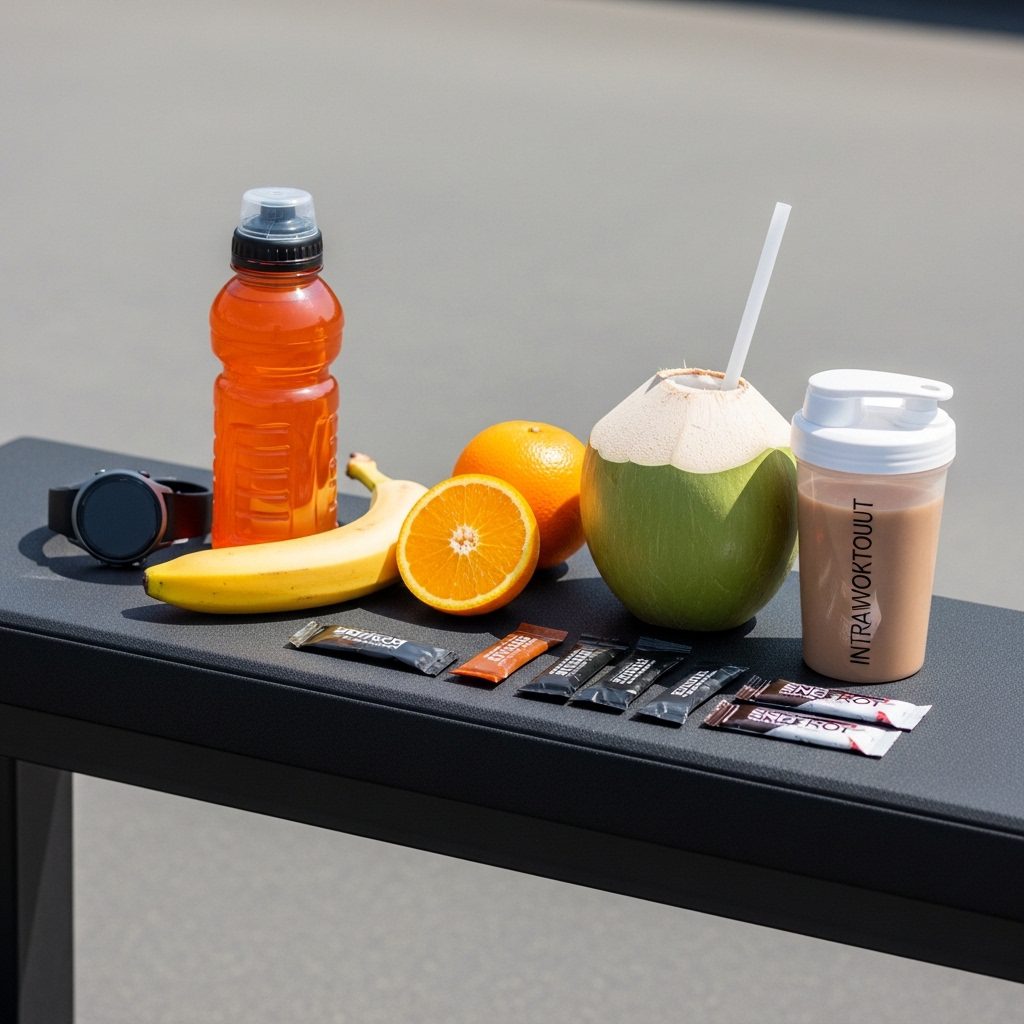
Lifestyle Factors That Complement Intra-Workout Nutrition:
Nutrition during exercise is most effective when paired with supportive lifestyle habits:
- Adequate Sleep: Ensures glycogen replenishment and mental alertness
- Pre-Workout Fueling: Eat a balanced meal 2–3 hours prior with carbs, protein, and healthy fats
- Post-Workout Recovery: Consume carbs and protein within 30–60 minutes to optimize muscle repair
- Environmental Awareness: Adjust hydration and electrolyte intake for temperature, humidity, and altitude
Moreover, consistent training and nutrition planning reduce the risk of injury and overtraining while enhancing performance.
Monitoring and Adjusting Your Intake:
Individual requirements vary depending on:
- Exercise duration and intensity
- Body size, metabolism, and sweat rate
- Environmental conditions
Actionable tip: Keep a detailed log of your intra-workout nutrition and monitor how your performance and fatigue levels respond. Adjust carbohydrate, protein, and electrolyte intake accordingly for optimal results.

Long-Term Benefits of Intra-Workout Nutrition:
Proper intra-workout nutrition provides lasting benefits beyond a single session:
- Improved endurance and training performance
- Reduced muscle fatigue and soreness
- Enhanced mental focus and reaction time
- Better recovery between sessions
- Reduced risk of dehydration and nutrient depletion
Consistently fueling the body during exercise supports overall health, improves athletic outcomes, and enhances long-term fitness gains.
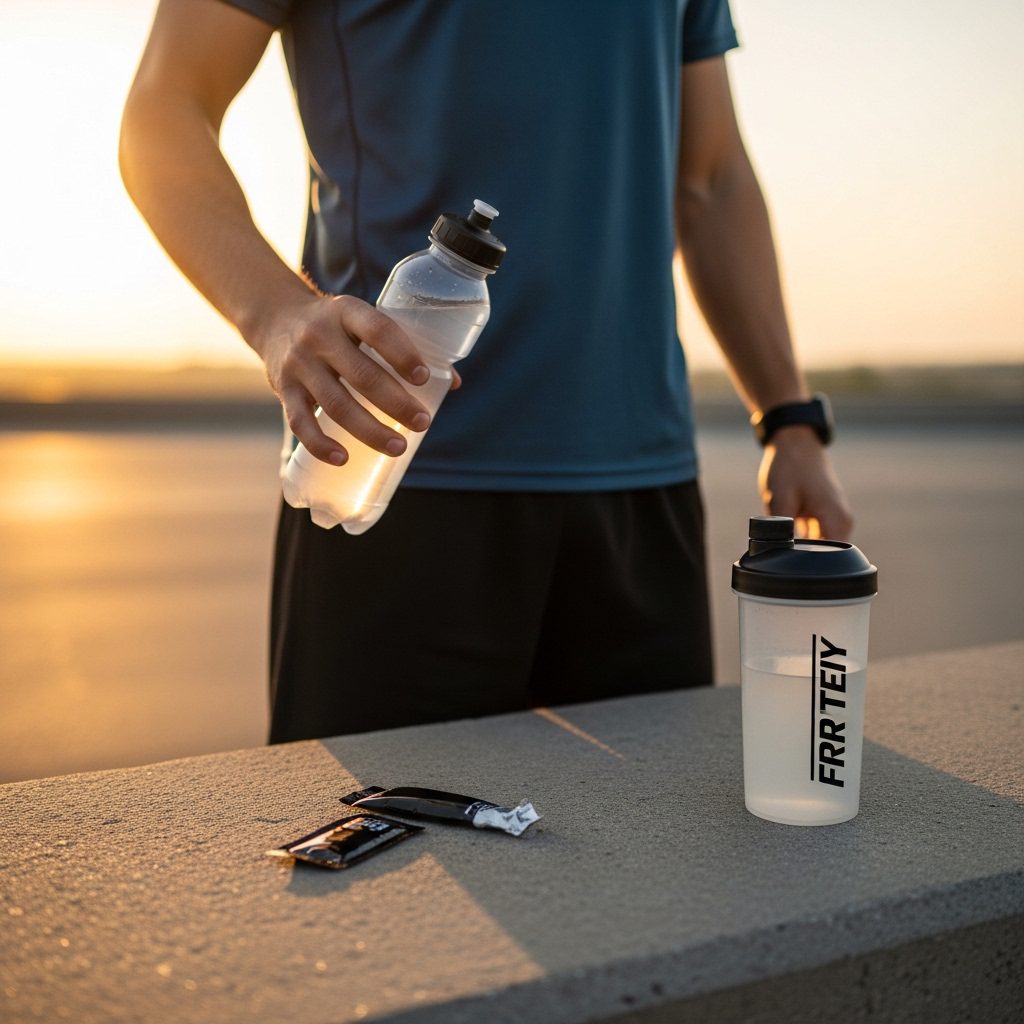
Intra-workout nutrition is critical for maintaining energy, hydration, and cognitive focus during long-duration exercise. Consuming the right combination of carbohydrates, electrolytes, fluids, and small amounts of protein at regular intervals prevents fatigue, reduces muscle breakdown, and supports recovery.
Take proactive steps today to optimize your workouts with tailored intra-workout nutrition strategies. For more evidence-based guidance and practical tips, explore Nutrition Travels and elevate your training performance through smart fueling.