
Gestational hypertension is a condition characterized by elevated blood pressure that develops after 20 weeks of pregnancy. Understanding the nutritional management of gestational hypertension is essential for protecting both maternal health and fetal development.
While medical monitoring remains critical, dietary choices can significantly influence blood pressure regulation. A structured nutritional approach supports circulation, reduces inflammation, and helps stabilize blood pressure levels during pregnancy.
Understanding Gestational Hypertension:
Gestational hypertension occurs when blood pressure rises without the presence of protein in the urine (which distinguishes it from preeclampsia). If not managed properly, it may increase the risk of complications such as preterm birth or restricted fetal growth.
Nutrition plays a powerful role because certain nutrients help relax blood vessels, regulate fluid balance, and support cardiovascular health.
Actionable tip: Always combine dietary changes with regular prenatal checkups and medical guidance.

Key Nutrients for Blood Pressure Regulation:
Effective nutritional management of gestational hypertension focuses on specific nutrients known to support vascular health.
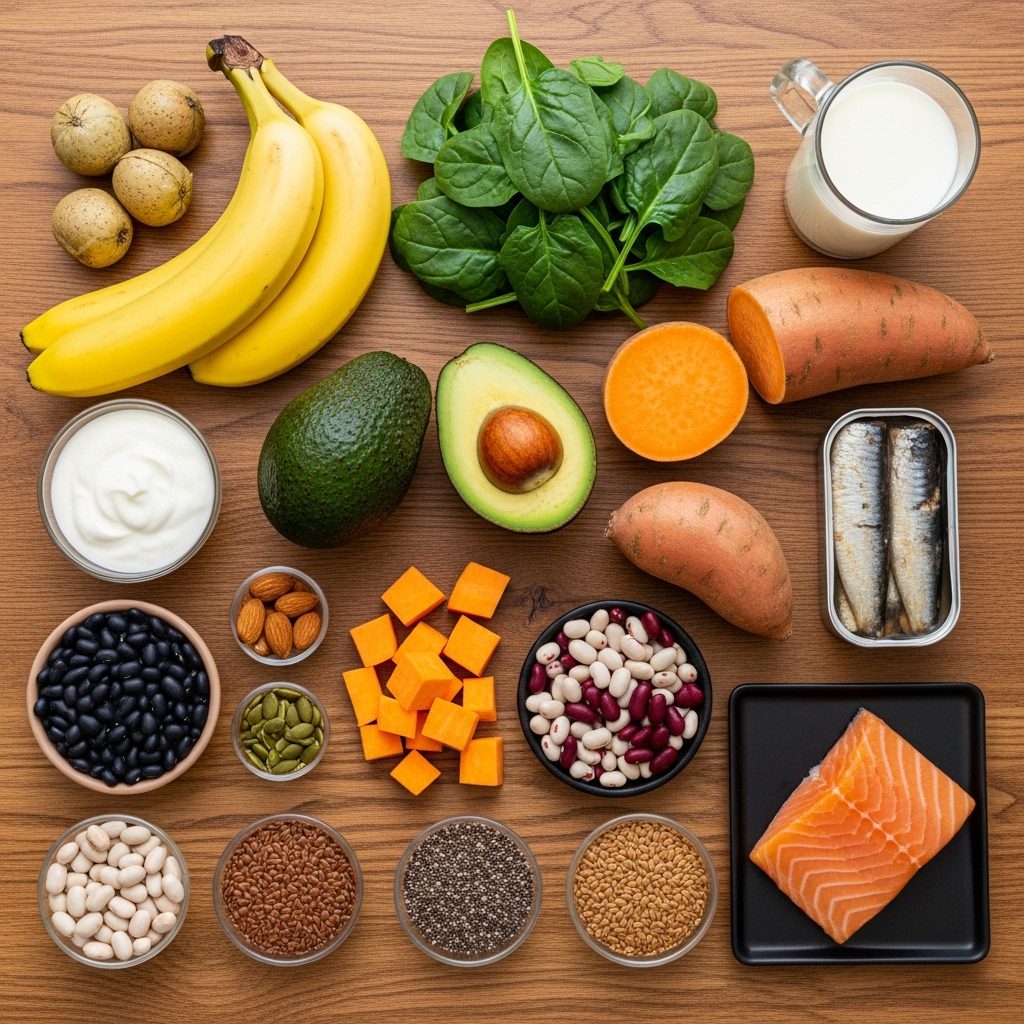
1- Potassium:
Potassium helps balance sodium levels and relax blood vessel walls.
Rich sources include:
- Bananas
- Avocados
- Spinach
- Sweet potatoes
- Beans
Tip: Include one potassium-rich food in each main meal.
2- Magnesium:
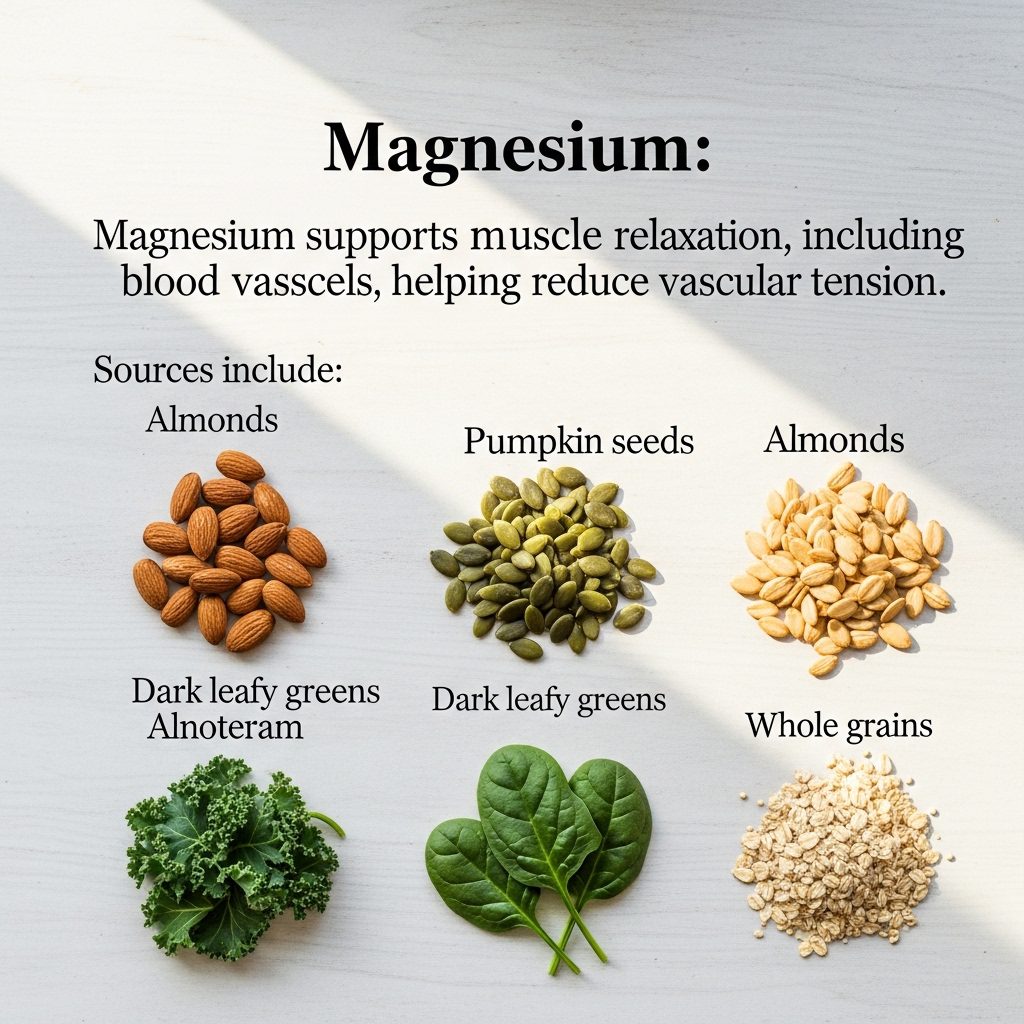
Magnesium supports muscle relaxation, including blood vessels, helping reduce vascular tension.
Sources include:
- Almonds
- Pumpkin seeds
- Dark leafy greens
- Whole grains
Tip: Add a handful of nuts or seeds daily as a healthy snack.
3- Calcium:
Adequate calcium intake supports healthy blood vessel contraction and relaxation. Some studies suggest proper calcium intake may reduce pregnancy-related blood pressure complications.
Sources include:
- Dairy products
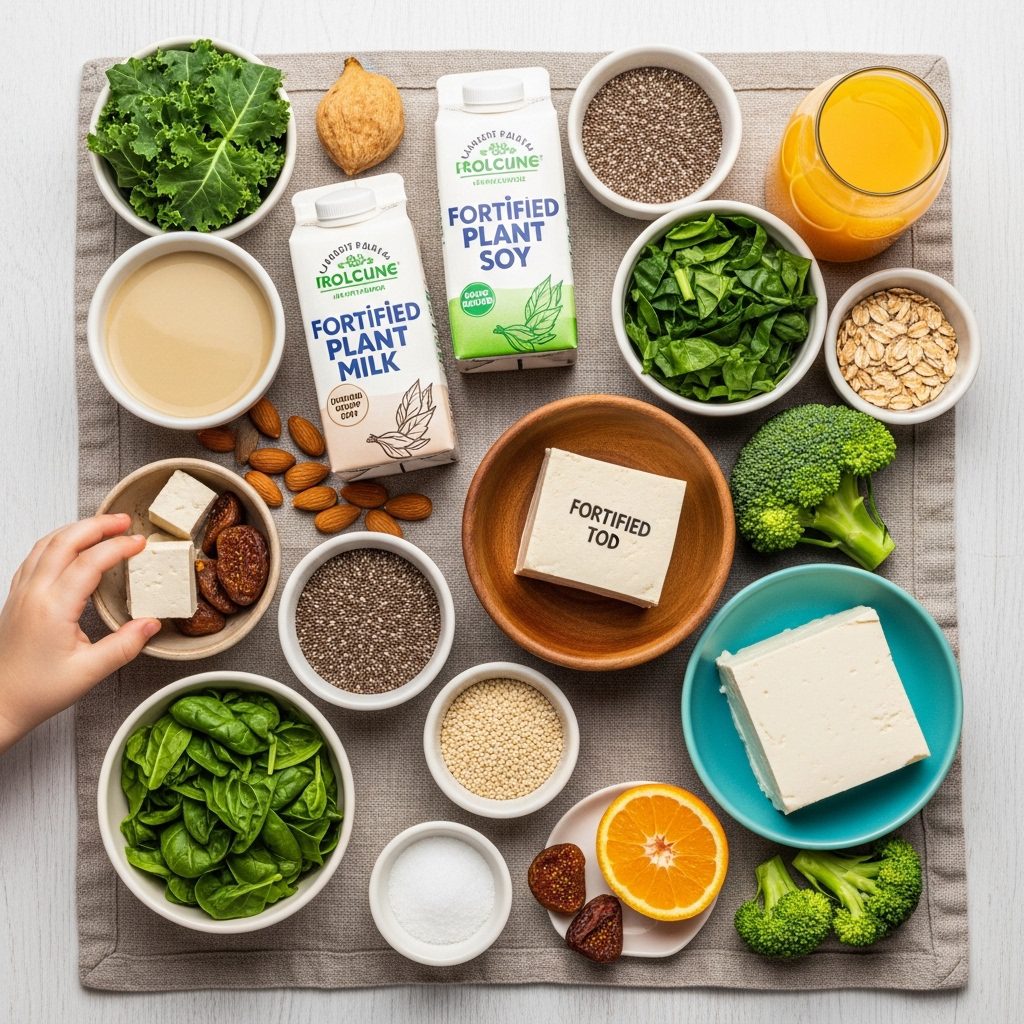
- Fortified plant milks
- Yogurt
- Sardines
Tip: Aim for 2–3 calcium-rich servings per day.
4- Omega-3 Fatty Acids:
Omega-3s reduce inflammation and improve vascular function.
Sources include:
- Salmon
- Sardines
- Chia seeds
- Flaxseeds
Tip: Include fatty fish twice weekly (if approved by your healthcare provider).
Reducing Sodium Intake:
Excess sodium can contribute to fluid retention and elevated blood pressure.
Practical strategies include:
- Limiting processed foods
- Choosing fresh ingredients
- Reading nutrition labels
- Cooking at home
Important: Do not eliminate sodium completely — balance is key during pregnancy.
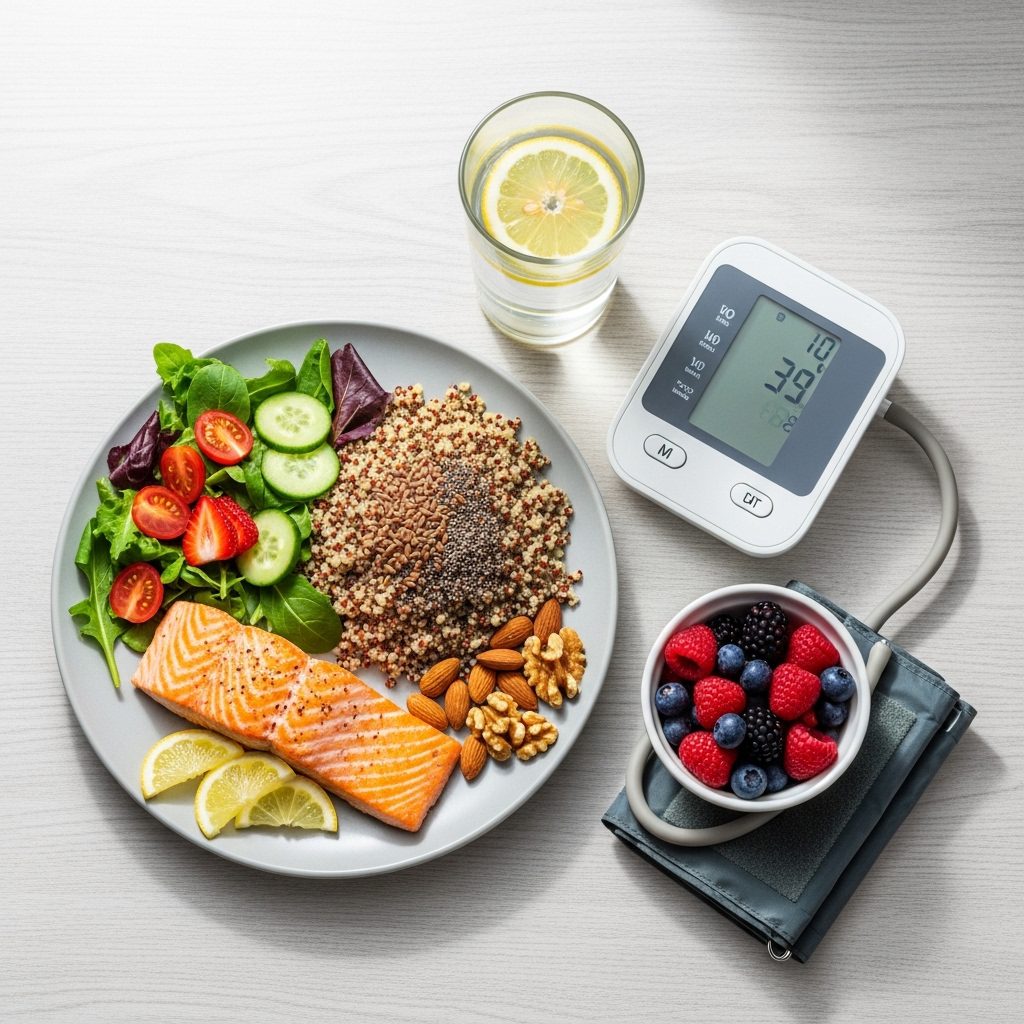
The DASH-Inspired Pregnancy Plate:
The Dietary Approaches to Stop Hypertension (DASH) pattern can be adapted safely during pregnancy.
A balanced pregnancy plate includes:
- Half vegetables and fruits
- One quarter lean protein
- One quarter whole grains
- Healthy fats in moderation
This structure supports stable blood pressure and consistent energy levels.
Hydration and Blood Pressure:
1- Adequate hydration helps maintain blood volume and prevent excessive fluid retention.
2- Aim for 8–10 glasses of water daily, adjusting for climate and activity level.
Tip: Herbal teas (approved during pregnancy) can contribute to hydration.
Sample Daily Meal Plan:
- Breakfast: Oatmeal topped with berries, chia seeds, and almonds
- Snack: Greek yogurt with sliced banana
- Lunch: Grilled salmon, quinoa, and steamed spinach
- Snack: Carrot sticks with hummus
- Dinner: Lentil stew with mixed vegetables and brown rice
- Hydration: Water throughout the day
This plan emphasizes potassium, magnesium, calcium, and omega-3 intake.

Weight Management and Blood Pressure:
Excessive weight gain during pregnancy may increase blood pressure. Gradual, steady weight gain within recommended guidelines supports cardiovascular stability.
Avoid restrictive dieting — the focus should be nutrient density, not calorie restriction.
Lifestyle Practices that Complement Nutrition:
Nutritional management of gestational hypertension is most effective when combined with supportive lifestyle habits:
1- Gentle Physical Activity:
Walking, prenatal yoga, or swimming improve circulation and support blood pressure regulation.
2- Stress Management:
Chronic stress can elevate blood pressure. Deep breathing, meditation, and adequate rest can reduce stress-related spikes.

3- Sleep Quality:
Aim for 7–9 hours of sleep. Poor sleep may increase cardiovascular strain.
4- Regular Monitoring:
Home blood pressure tracking (if recommended) helps detect patterns early.
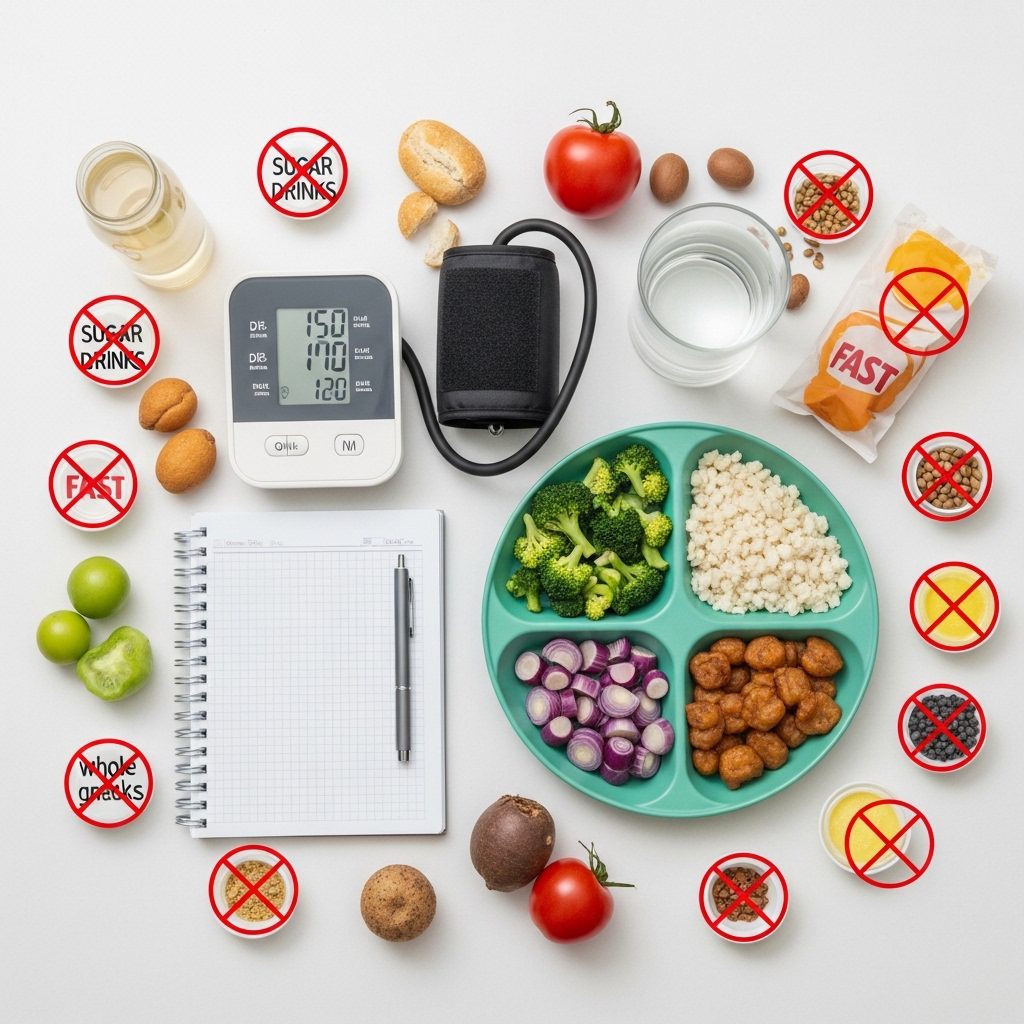
Foods to Limit:
To better manage blood pressure, reduce:
- Highly processed snacks
- Sugary beverages
- Fast food
- Excess red meat
- Caffeinated drinks in excess
Moderation supports steady cardiovascular function.
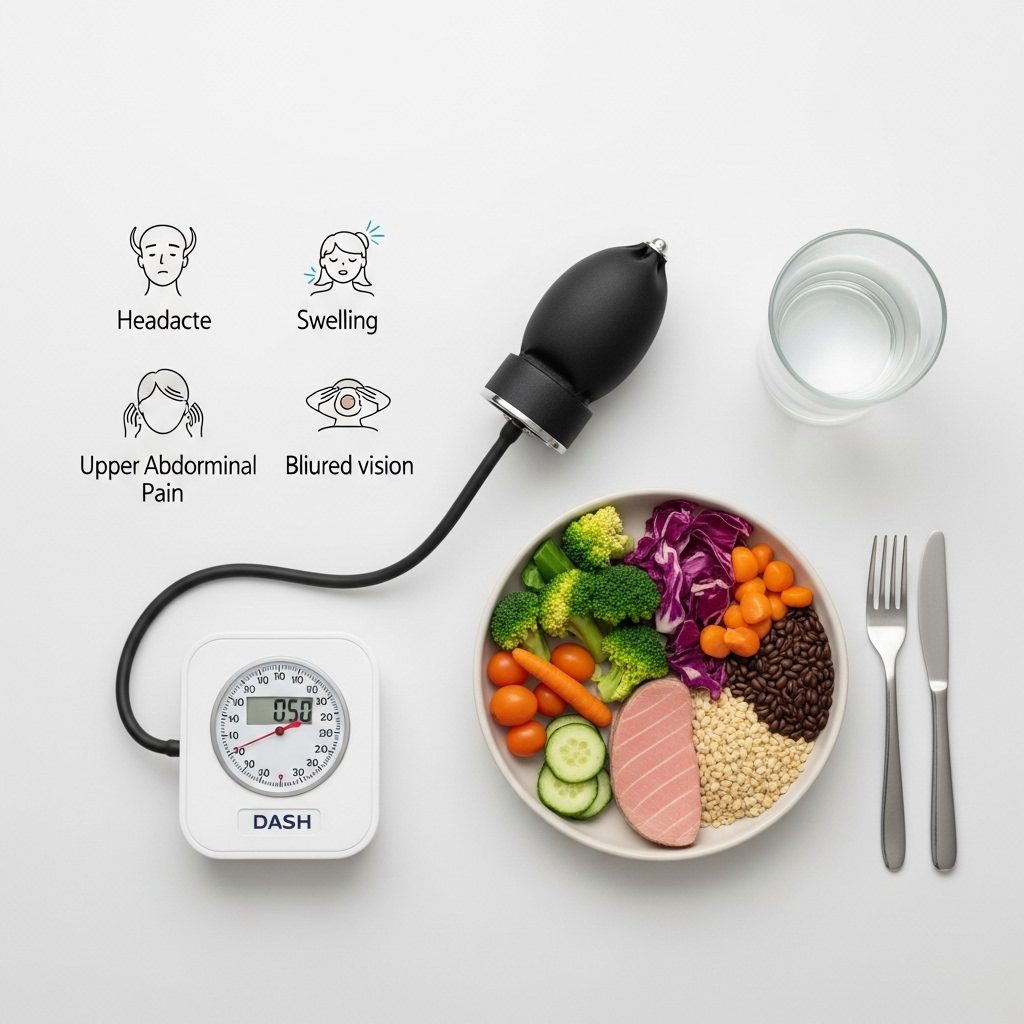
When to Seek Medical Care:
Dietary strategies support blood pressure control but do not replace medical treatment.
Seek immediate care if experiencing:
- Severe headaches
- Visual disturbances
- Sudden swelling
- Upper abdominal pain
Early intervention prevents complications.
Long-Term Benefits of Proper Nutritional Management:
Managing blood pressure during pregnancy may reduce the risk of:
- Preeclampsia
- Preterm delivery
- Postpartum hypertension
- Future cardiovascular disease
Healthy habits adopted during pregnancy often continue postpartum, benefiting long-term maternal health.
The nutritional management of gestational hypertension plays a vital role in maintaining safe blood pressure levels during pregnancy. By prioritizing potassium, magnesium, calcium, omega-3s, and whole foods while limiting excess sodium and processed foods, expecting mothers can actively support cardiovascular health.
When combined with gentle physical activity, stress management, and regular medical monitoring, dietary adjustments create a powerful strategy for protecting both mother and baby.
For more evidence-based pregnancy nutrition guidance and practical wellness strategies, explore Nutrition Travels and continue building a foundation for lifelong health.