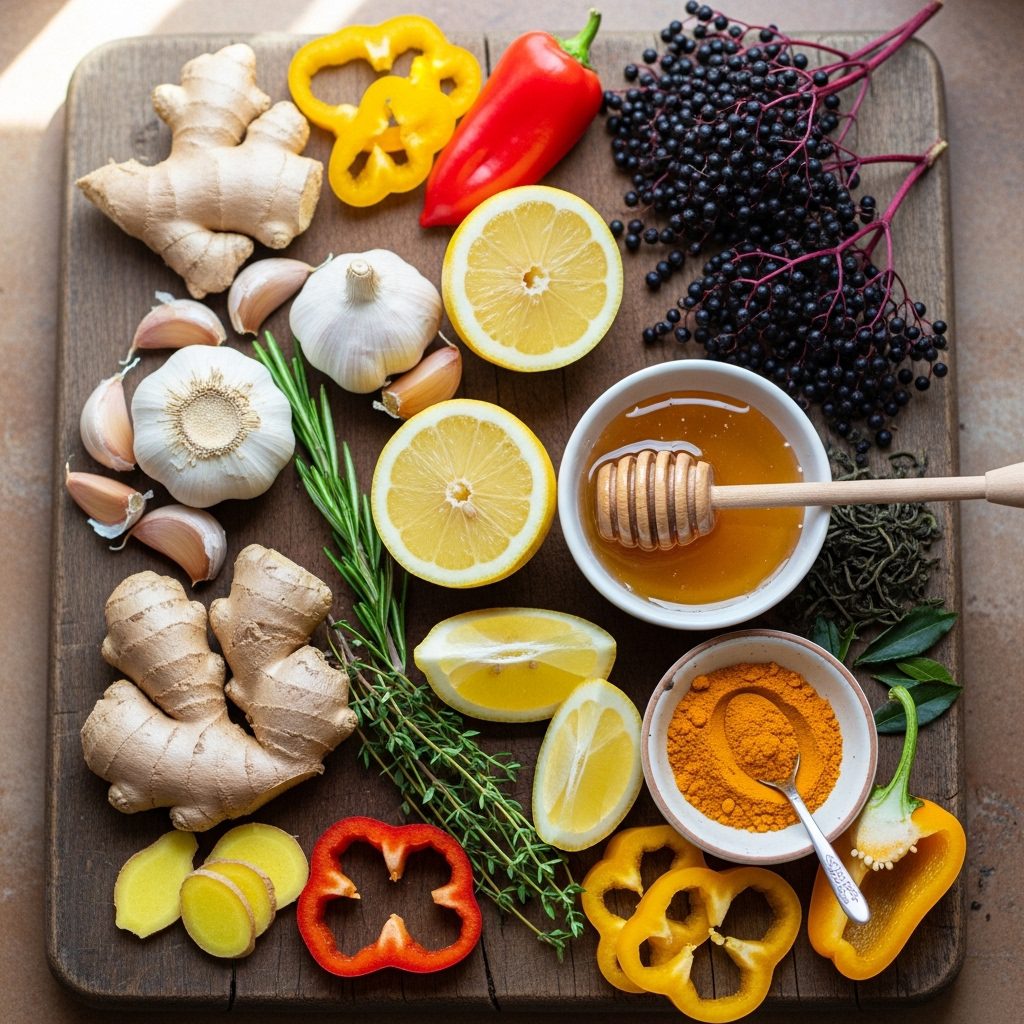
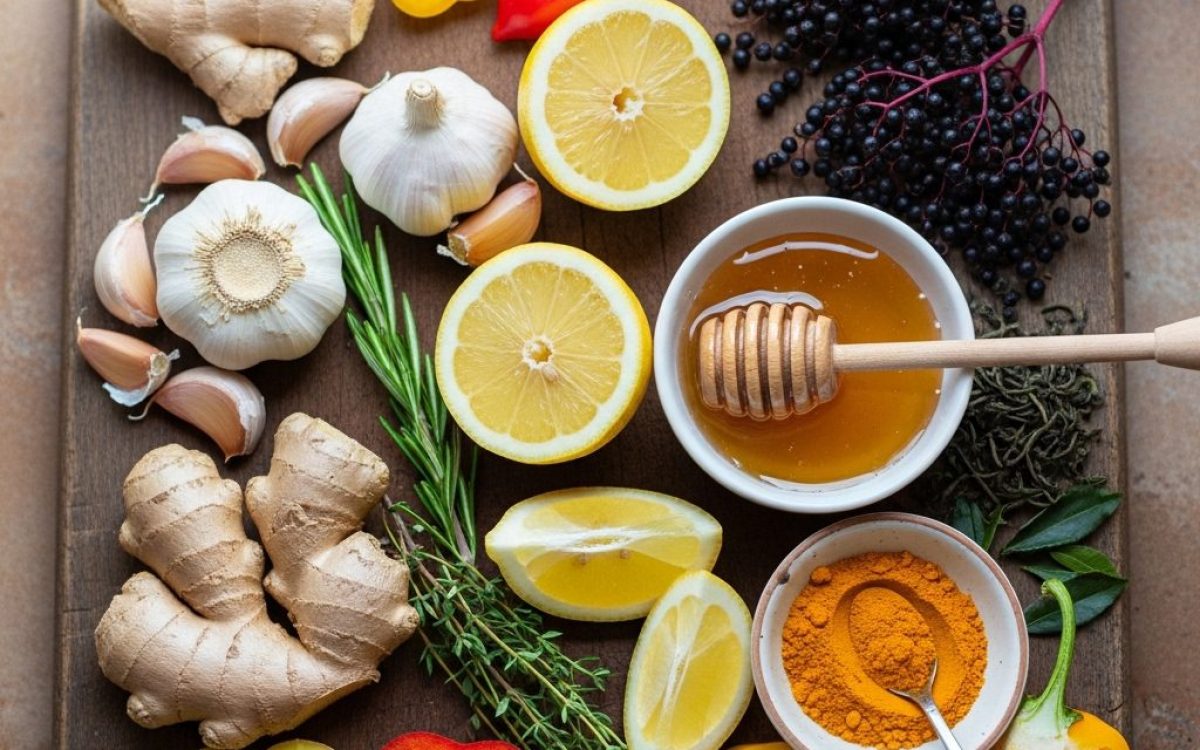
In recent years, growing attention has been given to the role of nutrition in supporting immune health. While no food can completely “prevent” infection, scientific evidence suggests that certain nutrients and plant compounds may help strengthen the body’s immune response. This is where the concept of natural antivirals comes in — naturally occurring compounds found in specific foods and plants that may support the body’s ability to defend itself against viruses.
It’s important to clarify a key point:
Natural antivirals do not replace vaccinations or medical treatment. Instead, they can be part of a comprehensive strategy to enhance overall immune health.
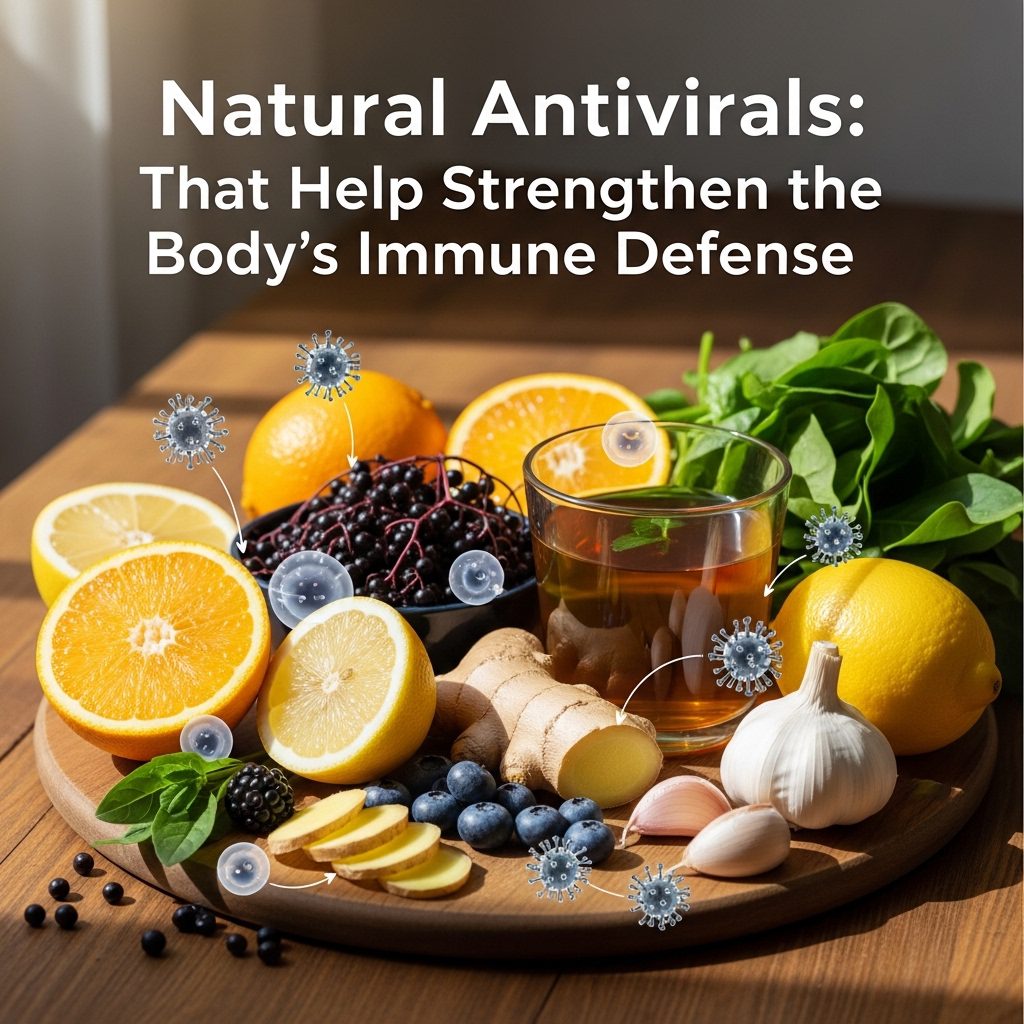
What Do We Mean by Natural Antivirals?
When discussing natural antivirals, we are not referring to prescription antiviral medications. Rather, we are talking about dietary compounds that may:
- Support immune cell activity
- Reduce oxidative stress
- Help regulate inflammatory responses
The immune system relies on a complex network of cells and signaling molecules. Deficiencies in essential nutrients can weaken this network and reduce the body’s resilience against infections.
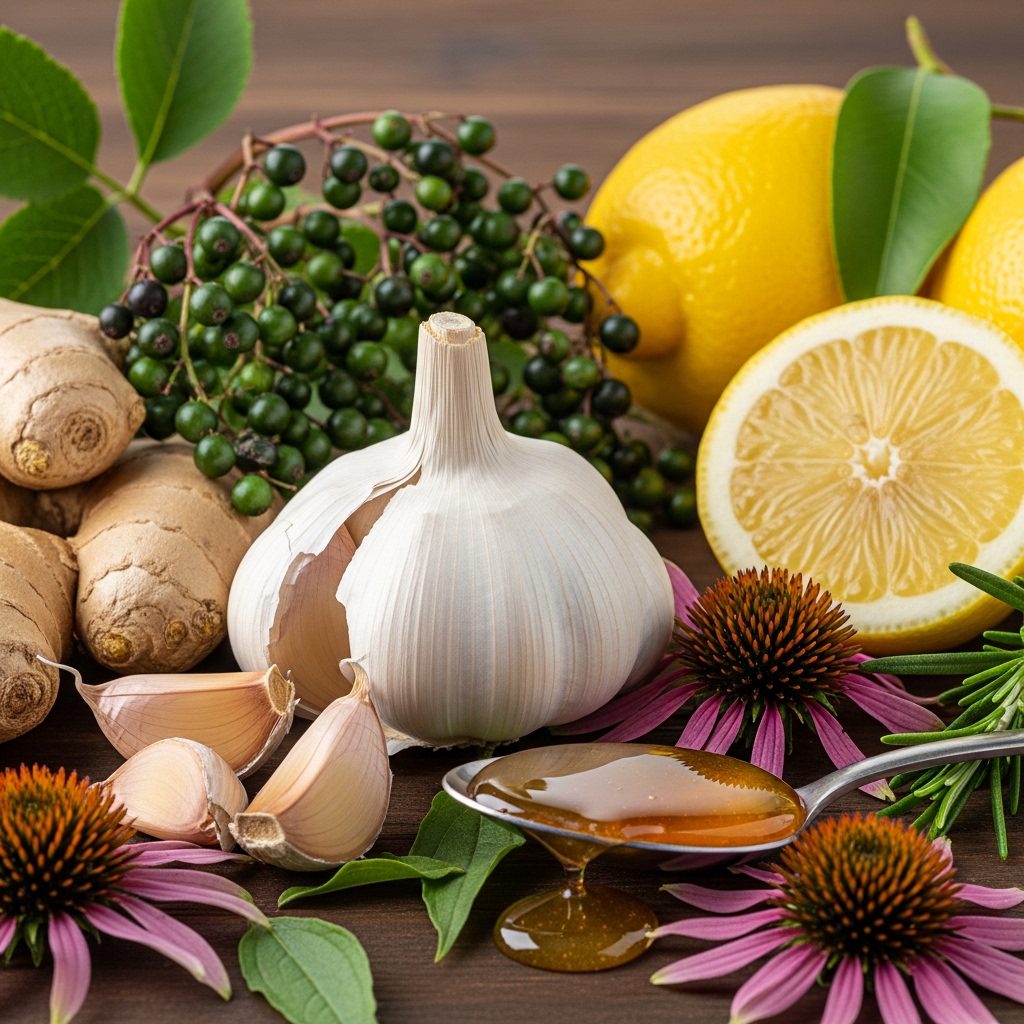
Vitamin C and Its Role in Natural Antiviral Support:
Vitamin C is one of the most extensively studied nutrients in immune health. It:
- Supports the function of immune cells
- Acts as a powerful antioxidant
- Helps protect cells from oxidative damage
Although it does not prevent viral infections, research suggests it may reduce the duration of common cold symptoms in some cases.
Good dietary sources include:
- Citrus fruits
- Red bell peppers
- Kiwi
- Strawberries
Within the broader framework of natural antivirals, vitamin C remains a foundational component of a balanced diet.

Zinc: A Core Mineral in Immune Defense:
it is an essential mineral for proper immune function. Zinc deficiency is associated with impaired immune responses.
Research indicates that zinc:
- Plays a role in the development and function of immune cells
- May shorten the duration of certain viral infections when taken early
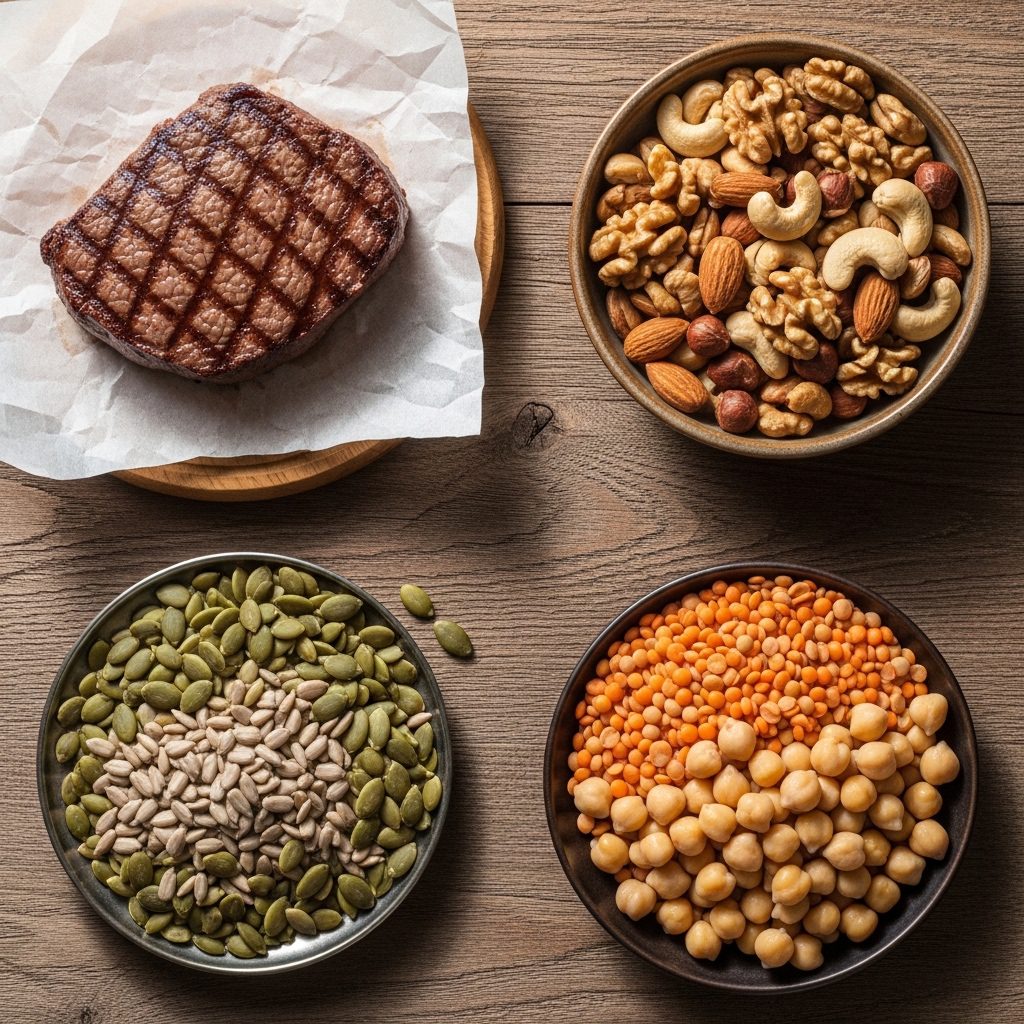
Zinc can be found in:
- Meat
- Nuts
- Seeds
- Legumes
Ensuring adequate zinc intake supports the concept of natural antivirals in a scientifically grounded way.
Garlic as Part of Natural Antiviral Strategies:
Garlic contains sulfur compounds such as allicin, which have been studied for potential antimicrobial effects.
Laboratory studies suggest activity against certain viruses, though strong clinical evidence in humans remains limited. For this reason, garlic is best viewed as a supportive component within a broader natural antiviral approach — not as a standalone treatment.
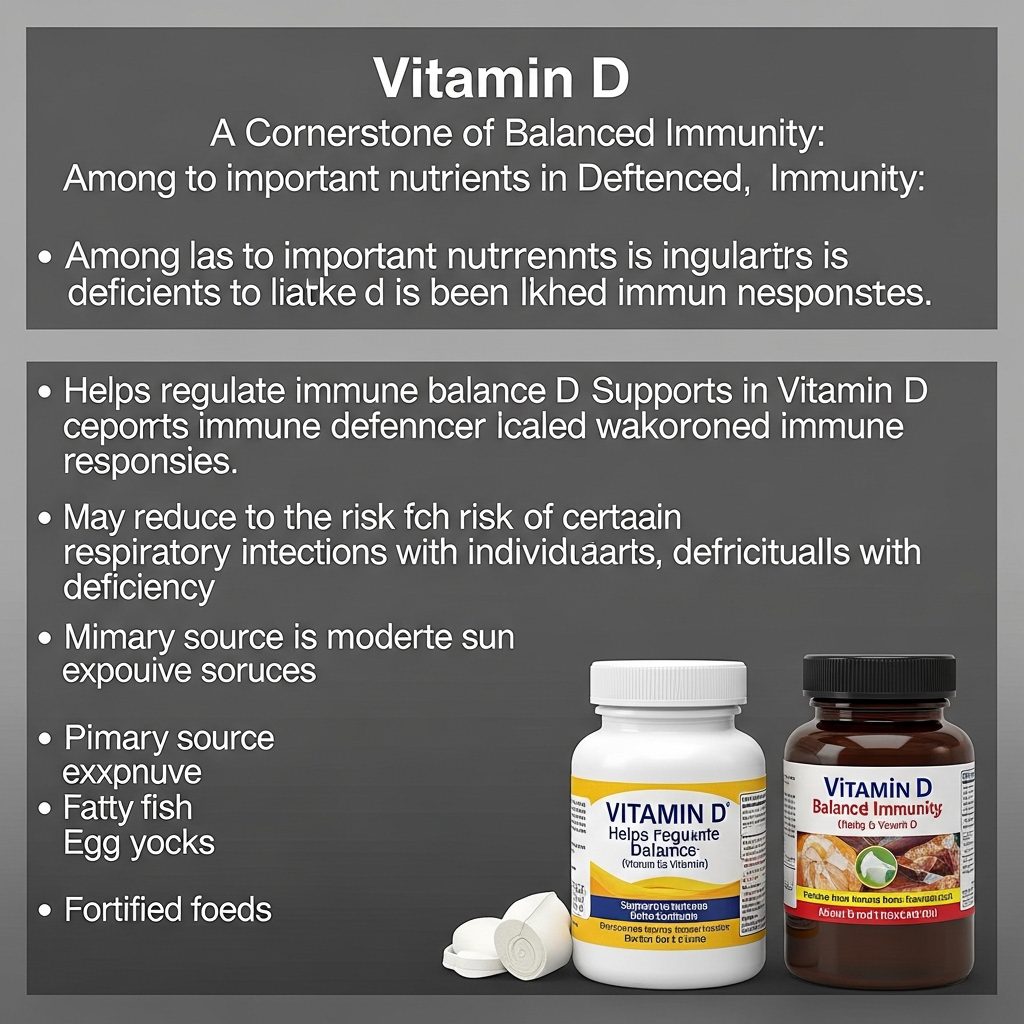
Vitamin D: A Cornerstone of Balanced Immunity:
Among the most important nutrients in immune regulation is vitamin D. Deficiency in vitamin D has been linked to weakened immune responses.
Vitamin D:
- Helps regulate immune balance.
- Supports innate immune defenses.
- May reduce the risk of certain respiratory infections in individuals with deficiency.
The primary source is moderate sun exposure. Additional sources include:
- Fatty fish
- Egg yolks
- Fortified foods
A Practical Approach to Supporting Natural Antivirals:
Rather than searching for a single “magic” supplement, consider a simple, sustainable strategy:
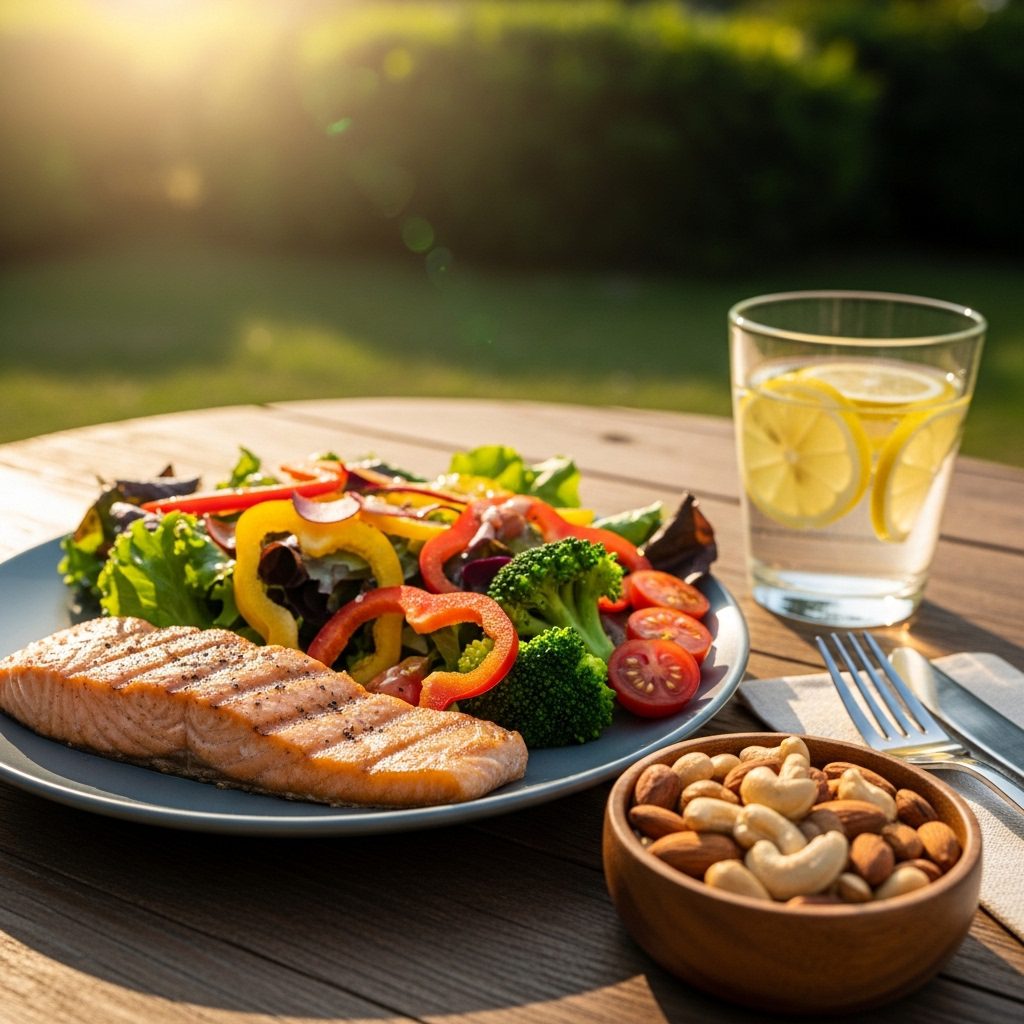
Practical example:
- A meal with adequate protein (to support immune structure and function)
- A colorful vegetable dish rich in vitamin C
- A handful of nuts as a zinc source
- 15–20 minutes of daily sun exposure
This approach supports natural antivirals through a holistic lifestyle pattern.
What Natural Antivirals Should Not Be Expected to Do:
- They do not completely prevent infection
- Natural approaches should never be considered an alternative to proper medical treatment.
- They are not substitutes for vaccines
However, they may help strengthen the body’s immune “shield” when incorporated into a balanced dietary pattern.
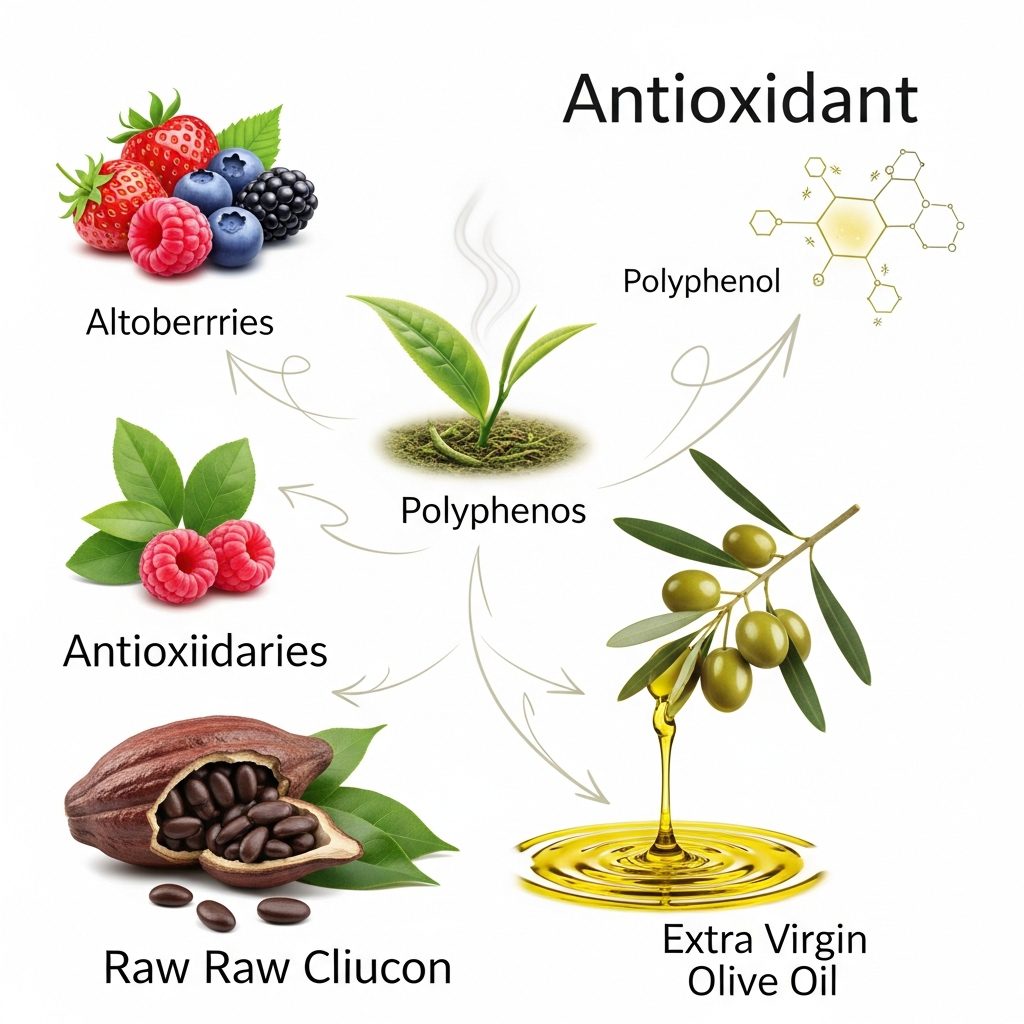
Plant Antioxidants Within the Natural Antiviral Framework:
The immune system is highly influenced by oxidative stress. This is where plant compounds known as polyphenols play a role.
Research suggests certain polyphenols may:
- Support inflammatory balance
- Help protect immune cells
- Reduce oxidative damage during infection
Foods rich in these compounds include:
- Berries
- Green tea
- Raw cocoa
- Extra virgin olive oil
While direct human evidence on antiviral effects remains limited, these compounds support overall immune health and fit within the natural antiviral concept.
Protein: The Often Overlooked Immune Nutrient:
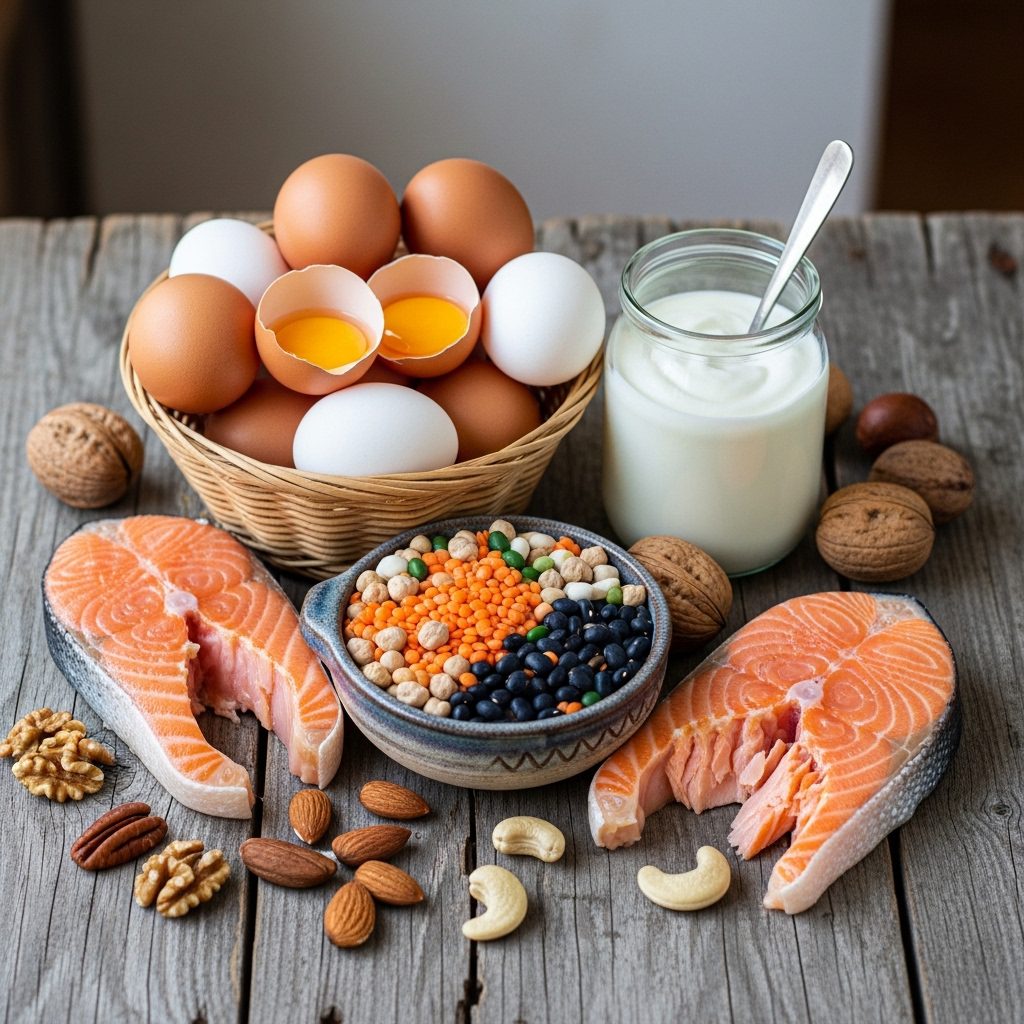
When discussing natural antivirals, many people focus on vitamins and forget protein.
The immune system depends on antibodies — and antibodies are made from protein. Insufficient protein intake can impair immune response.
Good protein sources include:
- Eggs
- Fish
- Legumes
- Yogurt
- Nuts
Adequate protein intake is fundamental to building a resilient immune defense.
The Role of Sleep in Enhancing Natural Antiviral Benefits:
Natural antivirals cannot function optimally if sleep is irregular.
Research shows that insufficient sleep:
- Reduces natural killer (NK) cell activity
- Impairs antibody production
Sleeping 7–9 hours per night enhances the effectiveness of any nutrition-based immune strategy.
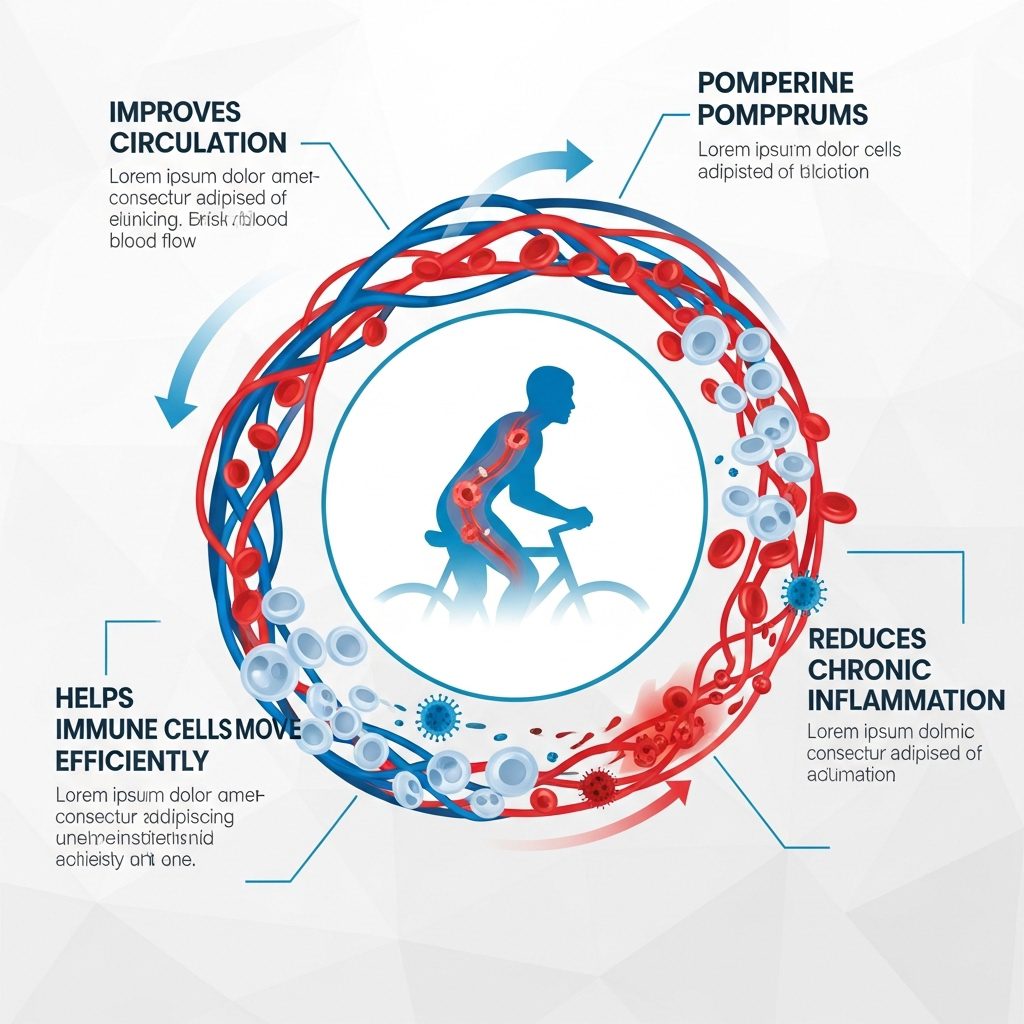
Moderate Physical Activity:
Moderate exercise:
- Improves circulation
- Helps immune cells move efficiently
- Reduces chronic inflammation
However, excessive training may have the opposite effect. Within the natural antiviral framework, balance is key.
Example of supporting natural antivirals during cold season:
- A protein-rich breakfast
- A daily serving of colorful vegetables
- A vitamin C–rich fruit
- A handful of nuts for zinc
- 20 minutes of walking daily
- Consistent sleep schedule
This is not a miracle cure — but it is a practical, science-based strategy.
Common Mistakes When Using Natural Antivirals:
- Taking excessively high supplement doses without medical supervision.
- Assuming one nutrient is sufficient.
- Ignoring overall diet while focusing on a single supplement.
- Neglecting vaccination and medical treatment.
Natural antivirals function within a system — they are not replacements for modern medicine.

What Do Clinical Studies Show?
Data from the National Institutes of Health indicate that:
- Nutrients such as zinc and vitamin C have been studied in the context of the common cold
- Some findings suggest reduced symptom duration in certain cases
- There is no conclusive evidence that they completely prevent infection
This reflects scientific balance: potential support, without exaggeration.
Building a Smart Natural Antiviral Strategy:
1. Test for vitamin D or zinc deficiency when appropriate.
2. Prioritize whole foods first.
3. Consult a healthcare professional before using supplements.
4. Maintain adequate sleep and physical activity.
5. Manage chronic stress.
With this approach, natural antivirals become part of a sustainable lifestyle — not just a seasonal fix.

Natural antivirals are not medications, but they:
- Support immune function
- May reduce symptom severity in some cases
- Help enhance recovery
- Work best within an integrated healthy lifestyle
True strength does not come from a single nutrient — it comes from the synergy between nutrition, sleep, movement, and stress management.

If you are looking for accurate, science-based health content grounded in reliable sources, we invite you to visit nutritiontravels.