

Establishing strong eating habits early in life is one of the most powerful gifts parents can give their children. Building healthy food foundations during toddlerhood and childhood shapes not only physical growth, but also cognitive development, emotional regulation, and long-term health outcomes. Because early childhood is a period of rapid brain and body development, nutrition plays a foundational role in shaping lifelong habits.
Moreover, children learn by observation and repetition. Therefore, the foods they are exposed to in their early years strongly influence their preferences, appetite regulation, and relationship with food later in life.
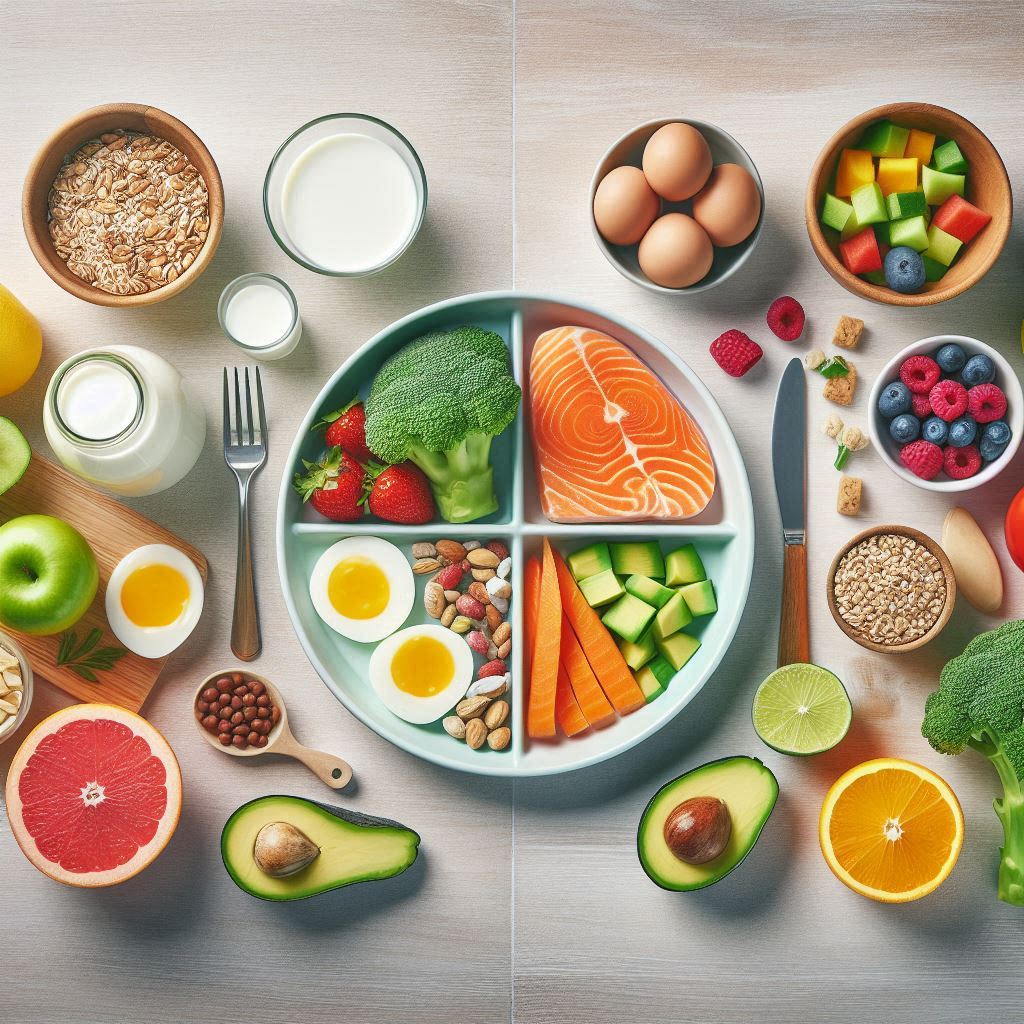
Why Healthy Food Foundations Matter in Early Childhood:
The first few years of life are marked by accelerated brain growth, immune development, and metabolic programming. During this stage, adequate intake of protein, healthy fats, iron, zinc, and vitamins directly supports neurological development and learning capacity.
At the same time, exposure to excessive sugar, ultra-processed snacks, and sugary drinks may increase the risk of obesity and poor eating habits. Consequently, early dietary patterns often track into adolescence and adulthood.
Actionable tip: Offer balanced meals that include protein, healthy fats, fiber-rich carbohydrates, and colorful fruits or vegetables.

Building Healthy Food Foundations Through Developmental Stages:
1. Toddlers (1–3 Years):
Toddlers are naturally curious yet often picky. Food refusal at this stage is developmentally normal, as children assert independence. However, repeated exposure without pressure encourages acceptance over time.
Portion sizes should be small, since toddlers have small stomachs but high energy needs. Including iron-rich foods such as eggs, beans, and lean meats is especially important for cognitive development.
Actionable tip: Introduce new foods alongside familiar favorites, and avoid forcing children to finish their plates.
2. Preschoolers (3–5 Years):
Preschoolers begin forming stronger preferences and may imitate peers. Structured meal and snack times provide consistency and help regulate appetite.
Because growth slows slightly compared to infancy, appetite may fluctuate. Nevertheless, maintaining nutrient-dense meals remains essential. Calcium, vitamin D, and healthy fats support bone growth and brain function.
Actionable tip: Create a colorful plate by including at least three different food groups at each meal.
3. School-Aged Children (6–12 Years):
During school years, children become more independent in food choices. Exposure to marketing, peer influence, and school environments can shape preferences. Therefore, continuing building healthy food foundations requires parental modeling and education.
Protein-rich breakfasts improve concentration, while balanced lunches stabilize energy throughout the day. Additionally, adequate hydration supports cognitive performance.
Actionable tip: Involve children in meal planning and grocery shopping to encourage ownership and healthier decision-making.

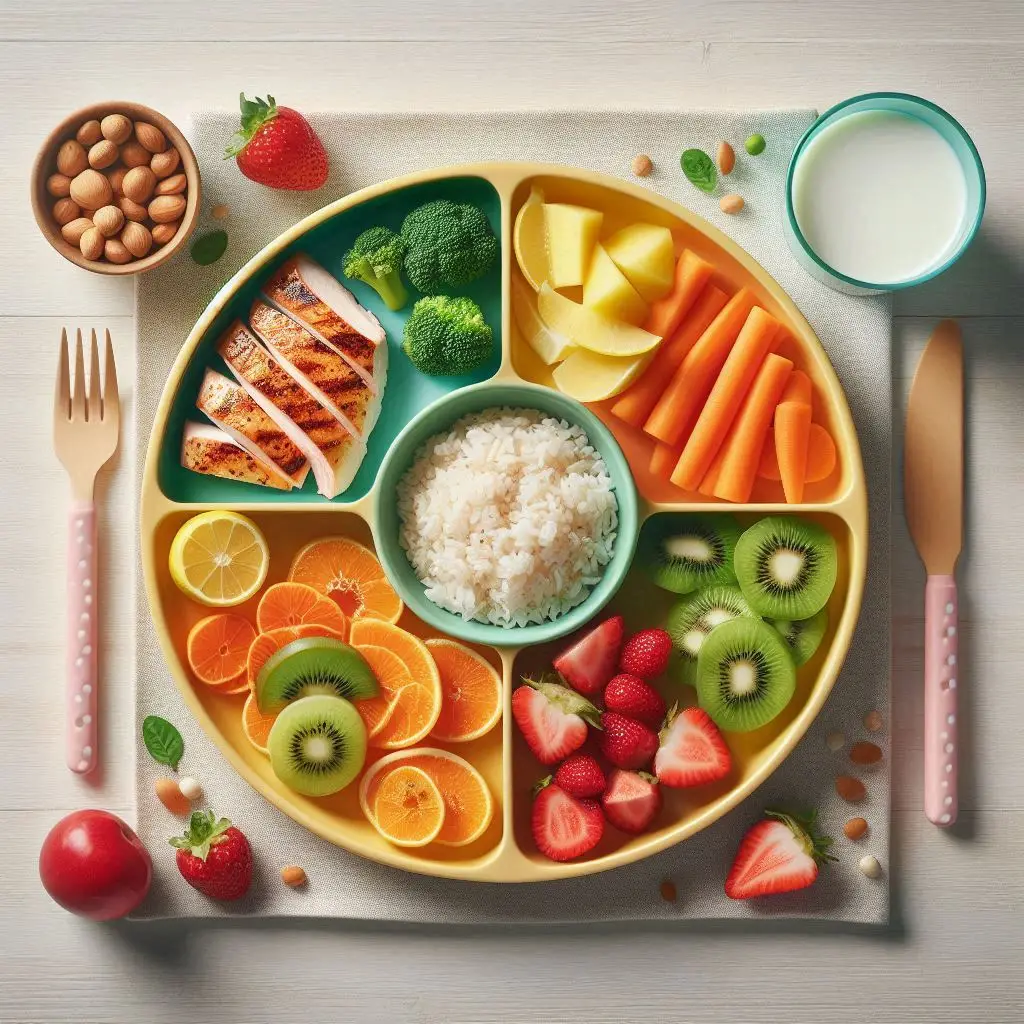
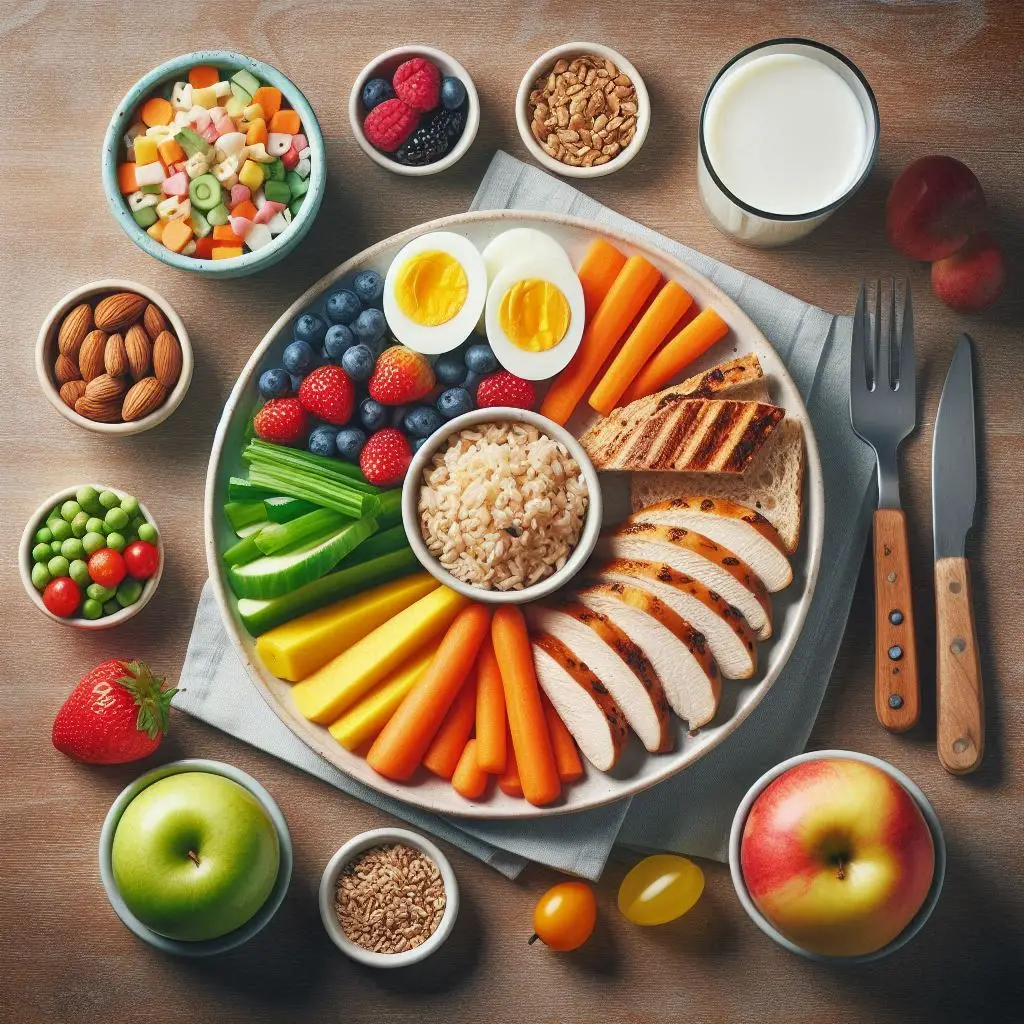
Macronutrients for Growth and Development:
Balanced nutrition requires attention to macronutrients:
- Protein: Essential for muscle growth and neurotransmitter production. Sources include eggs, dairy, legumes, poultry, and fish.
- Healthy Fats: Critical for brain development, especially omega-3 fatty acids found in fish, walnuts, and chia seeds.
- Complex Carbohydrates: Provide steady energy and fiber for digestion. Whole grains, fruits, and vegetables are ideal choices.
Limiting refined sugar and ultra-processed snacks prevents energy crashes and supports emotional stability.
Actionable tip: Replace sugary cereals with oatmeal topped with fruit and nut butter for sustained energy.
Micronutrients That Matter Most:
Certain vitamins and minerals are especially critical during childhood:
- Iron: Prevents anemia and supports cognitive function.
- Calcium and Vitamin D: Essential for bone development.
- Zinc: Supports immune health and growth.
- B Vitamins: Aid in energy metabolism and brain development.
Because deficiencies may impact learning and immunity, varied diets are essential.
Actionable tip: Offer a “rainbow of foods” daily to ensure a broad range of nutrients.
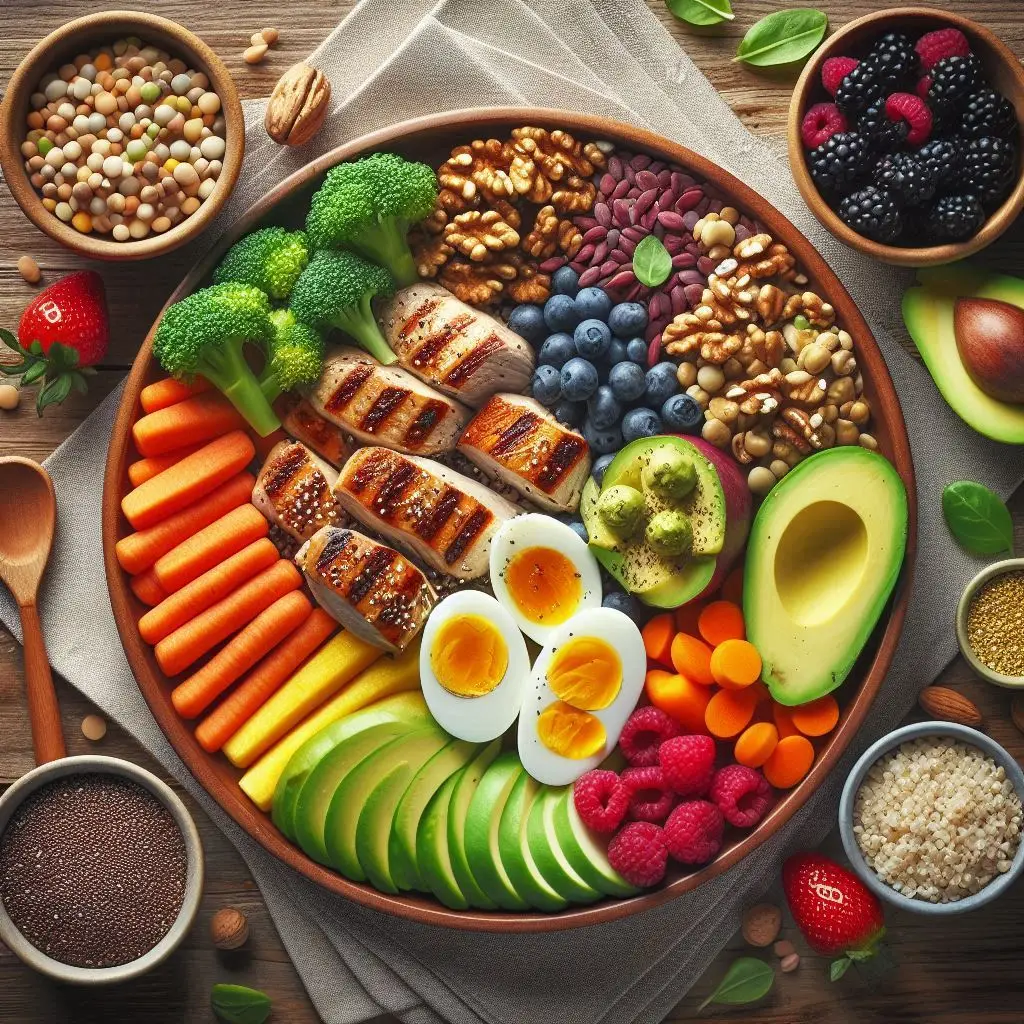
Addressing Picky Eating Without Pressure:
Picky eating is common and often temporary. Pressuring children to eat can create negative associations with food. Instead, repeated exposure and positive modeling are more effective strategies.
Children may need 10–15 exposures to accept a new food. Furthermore, family meals create a relaxed environment that encourages curiosity.
Actionable tip: Serve new vegetables in different preparations—steamed, roasted, or blended into sauces—to increase acceptance.
Creating a Positive Mealtime Environment:
Mealtime is not only about nutrition; it is also about emotional development. Eating together without screens fosters communication and mindful eating habits.
When children feel safe and unpressured, they are more likely to listen to hunger and fullness cues. Consequently, they develop healthier relationships with food.
Actionable tip: Establish regular meal schedules and limit distractions during family meals.

Lifestyle Habits That Strengthen Healthy Foundations:
Nutrition works best when combined with supportive lifestyle habits.
- Physical Activity: Daily movement strengthens bones, supports metabolism, and improves mood.
- Adequate Sleep: Poor sleep can increase cravings for sugary foods and disrupt appetite hormones.
- Hydration: Water supports digestion, concentration, and energy balance.
- Parental Modeling: Children mimic adult behavior; healthy choices by parents strongly influence children’s habits.
Additionally, limiting screen time reduces exposure to junk food advertising and promotes mindful eating behaviors.
Actionable tip: Encourage outdoor play for at least 60 minutes daily to support physical and mental development.
Practical Daily Meal Example:
Here is a balanced daily plan to support healthy growth:
- Breakfast: Scrambled eggs, whole-grain toast, and sliced fruit
- Snack: Yogurt with berries
- Lunch: Grilled chicken, brown rice, and steamed broccoli
- Snack: Apple slices with peanut butter
- Dinner: Baked salmon, quinoa, and roasted carrots
- Hydration: Water throughout the day
This structure supports steady energy, balanced blood sugar, and optimal development.

Long-Term Benefits of Healthy Food Foundations:
Children who grow up with balanced nutrition are more likely to maintain healthy weights, strong immune systems, and stable energy levels. Moreover, early dietary patterns influence risk factors for chronic diseases later in life.
Because taste preferences develop early, prioritizing whole foods now can reduce future reliance on processed options. Ultimately, the habits built in childhood often shape adulthood.
Building healthy food foundations during toddlerhood and childhood creates a lifelong framework for physical health, emotional balance, and cognitive success. Through consistent exposure to nutrient-dense foods, supportive mealtime environments, and positive lifestyle habits, parents can guide children toward a healthy relationship with food.
Small daily choices make a lasting difference. For more practical nutrition strategies, family-friendly meal ideas, and expert guidance tailored to growing children, explore Nutrition Travels and continue your journey toward raising healthy, confident eaters.