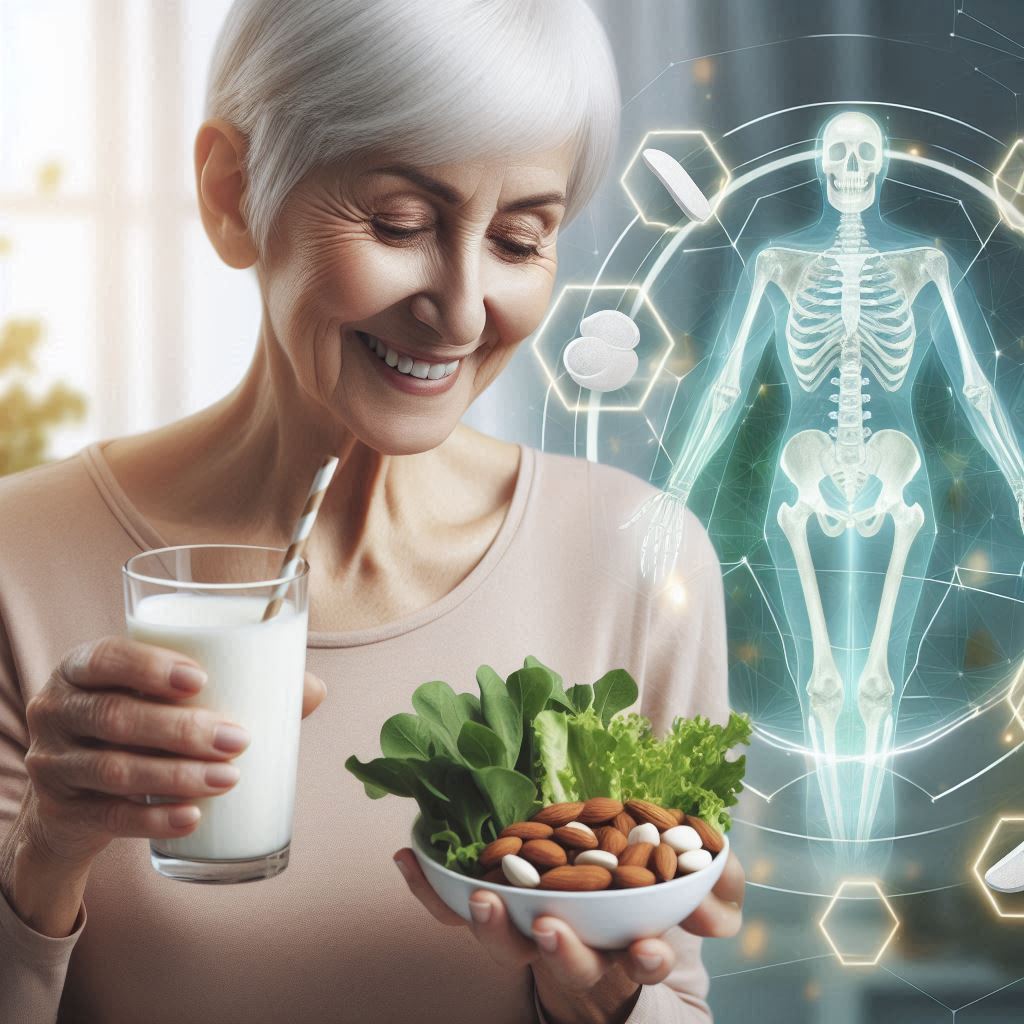
When we talk about bone health, the first focus is often on calcium, the well-known mineral that forms the structure of bones. However, recent studies have started to reveal that maintaining bone density and strength in the elderly does not rely solely on calcium. Other nutrients also play a crucial role, most notably vitamin K2 and magnesium. These nutrients contribute to improving bone health and preventing osteoporosis, which is a vital topic for many people interested in nutrition and health during aging.
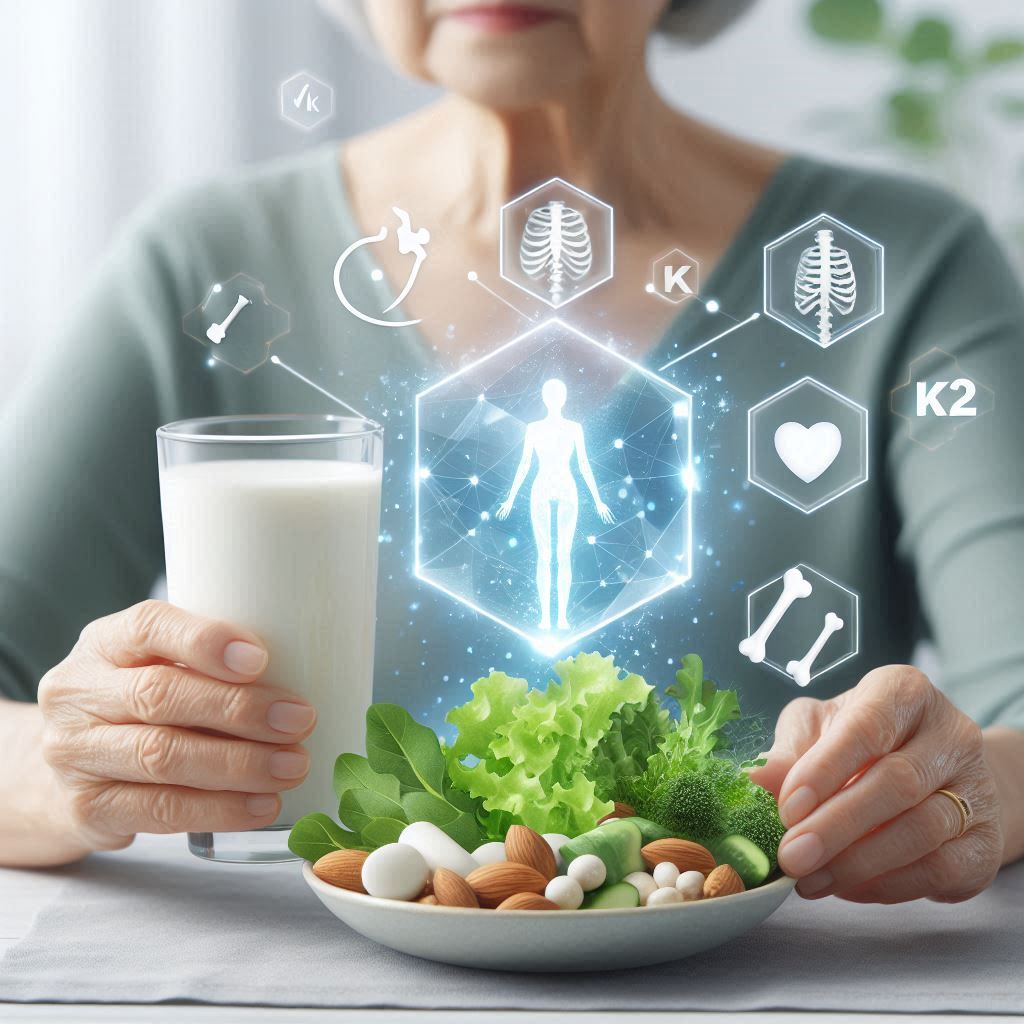
Calcium Alone Is Not Enough:
Calcium is the primary component of bones and plays a key role in maintaining their strength and flexibility. However, simply increasing calcium intake does not always guarantee optimal bone health. Studies have shown that the body needs supporting elements to help absorb calcium and direct it to the bones instead of accumulating in blood vessels, which could lead to other health problems. This is where vitamin K2 and magnesium come into play.
Vitamin K2 and Bone Density: The Smart Calcium Director:
Vitamin K2 is essential for directing calcium to the bones rather than the arteries. This is crucial for strong bones and a healthy heart. It also works with other nutrients to enhance bone density.
Vitamin K2 plays an important role in bone health by activating proteins that use calcium to build bone density, supporting the remodeling process. For the elderly, this role becomes even more critical because the body’s ability to direct calcium decreases with age, increasing the risk of osteoporosis and fractures.
Food Sources Rich in Vitamin K2:
- Cheese
- Yogurt
- Egg yolk
Regular consumption of these foods can provide strong support for bone health alongside calcium.

Magnesium and Bone Health: The Essential Partner to Vitamin K2:
Although calcium receives most of the attention regarding bone health, magnesium should not be overlooked. Magnesium is essential for many body functions, including activating vitamin D.
Low magnesium levels in the blood are linked to osteoporosis, with 30–40% of people with osteoporosis showing reduced magnesium levels in tests. Bone loss is more common among individuals who consume less magnesium in their diet, and they also face a higher risk of fractures. Furthermore, low magnesium intake is quite common.
Balancing Calcium, K2, and Magnesium:
It is important to emphasize that bone health depends on the balance of these nutrients together, not just on increasing one element. A good nutritional balance can help naturally enhance bone density. For instance, consuming calcium along with adequate amounts of vitamin K2 and magnesium can reduce the risk of osteoporosis and increase bone strength, while consuming calcium alone without these supporting nutrients may be less effective.
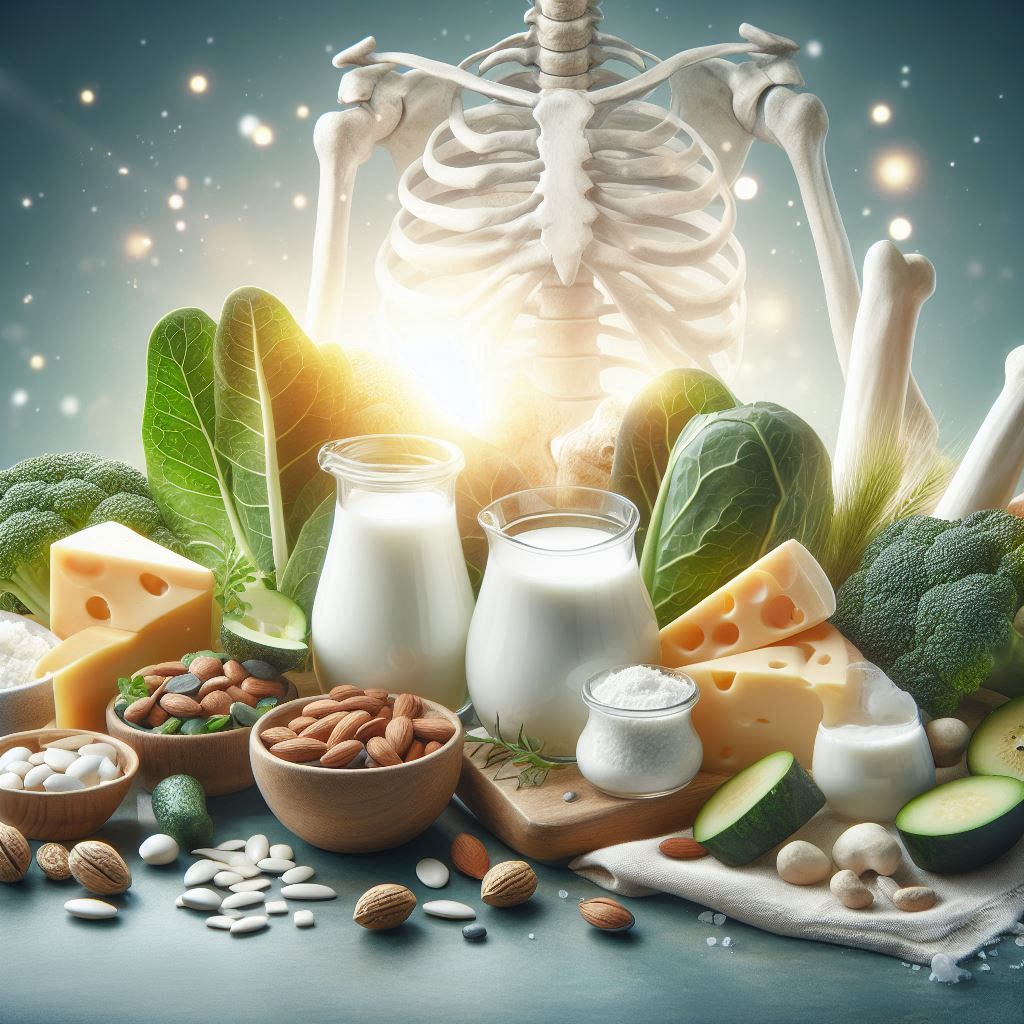
Dietary Patterns Supporting Bone Health:
There are several dietary patterns that have been shown to support bone health in the elderly. The Mediterranean diet, for example, emphasizes leafy greens, nuts, and legumes, which are excellent sources of both vitamin K2 and magnesium.
Consuming fatty fish such as salmon and sardines also provides the body with calcium and vitamin D, another essential nutrient that facilitates calcium utilization by the bones.
Nutritional Supplements: When to Consider Them?
In some cases, it may be difficult to obtain enough vitamin K2 or magnesium from food alone, especially for elderly individuals who have absorption issues or limited dietary variety. This is where nutritional supplements come in, but it is important to consult a doctor before starting them to determine the appropriate dosage and avoid any interaction with other medications, especially heart medications or blood thinners.

Bone health in the elderly is not just a matter of increasing calcium intake; it relies on an integrated network of nutrients and lifestyle habits. Vitamin K2 and magnesium provide vital support for bone density by directing calcium to the right place, improving its absorption, and enhancing bone flexibility. Combining a balanced diet, regular exercise, and maintaining a healthy lifestyle can be an effective strategy for preventing osteoporosis and improving quality of life in old age.
For those interested in nutrition and bone health, our website Nutrition Travels provides comprehensive and scientific information to help understand the role of these nutrients and the best ways to support bone health and maintain strong bones as we age.