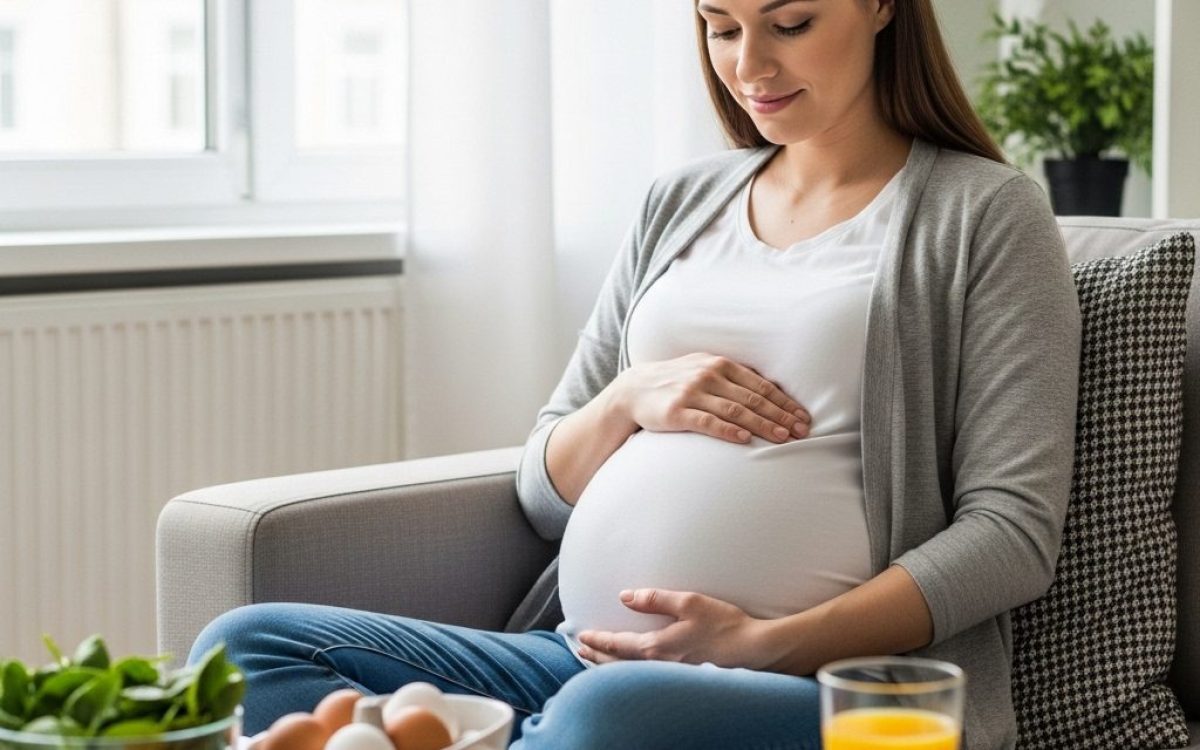
Iron deficiency anemia in pregnancy is one of the most common nutritional problems affecting expectant mothers worldwide. During pregnancy, a woman’s blood volume increases significantly to support the growing baby. This natural expansion of plasma requires higher production of red blood cells — and therefore more iron.
Pregnant women typically need 27 mg of iron per day, nearly double the requirement of non-pregnant women. If this need is not met, iron deficiency anemia may develop, increasing risks for both mother and baby.
This complete guide explains the causes, symptoms, best iron-rich foods, safe supplementation options, and practical tips to improve iron absorption during pregnancy.
What Is Iron Deficiency Anemia in Pregnancy?
Iron deficiency anemia occurs when the body lacks enough iron to produce adequate hemoglobin — the protein in red blood cells responsible for carrying oxygen throughout the body.
During pregnancy, iron is essential for:
-
- Expanding maternal blood volume
- Supporting fetal growth and brain development
- Preventing premature birth
- Reducing the risk of low birth weight
Without sufficient iron, oxygen delivery to tissues decreases, leading to fatigue and other complications.
Why Is Iron Requirement Higher During Pregnancy?
Several factors increase iron needs:
-
- Increased maternal blood volume
- Growth of the placenta and fetus
- Preparation for blood loss during delivery
- Twin or multiple pregnancies
- Closely spaced pregnancies
Many doctors begin preventive iron supplementation around the second trimester (month four), especially if blood tests show declining hemoglobin or ferritin levels.
Common Symptoms of Iron Deficiency in Pregnancy:
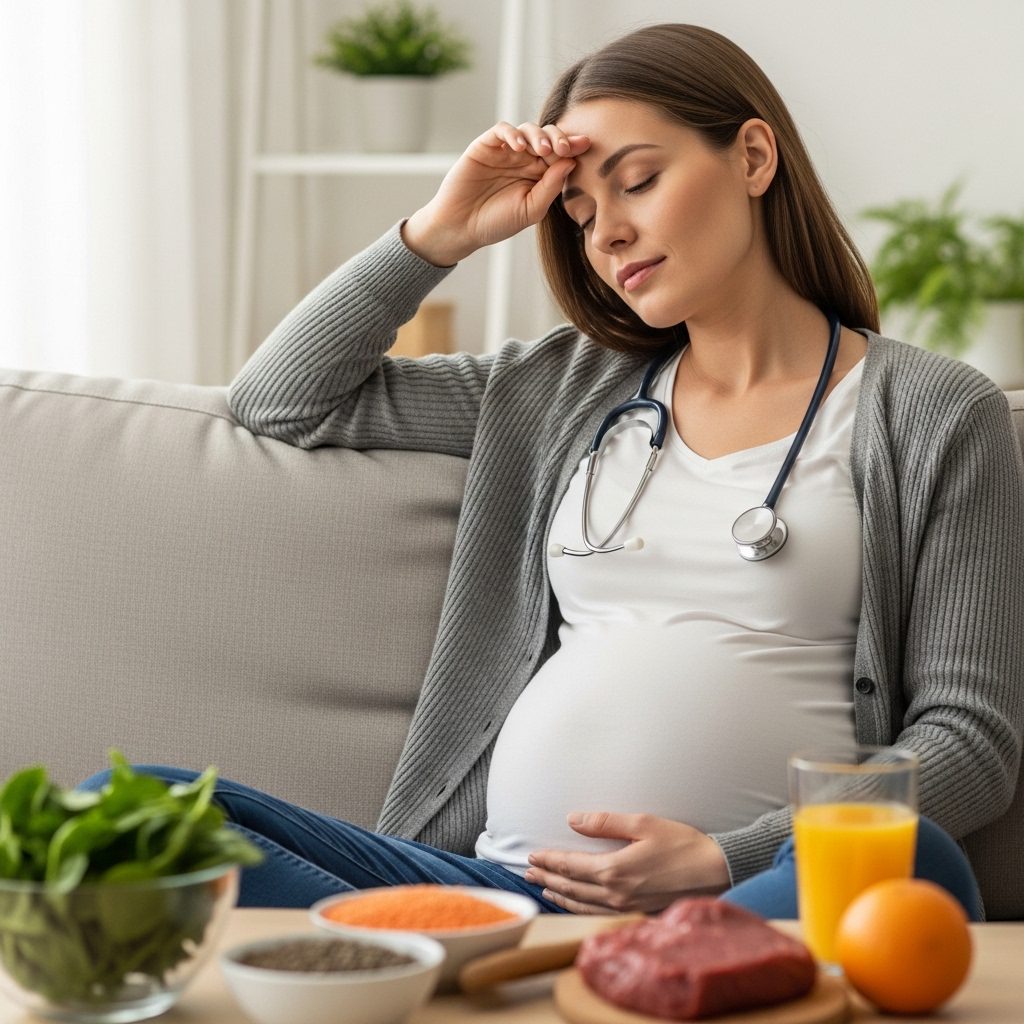
Mild anemia may not show obvious symptoms at first. As iron levels drop, symptoms may include:
- Extreme fatigue and weakness
- Pale skin and lips
- Shortness of breath
- Dizziness or headaches
- Rapid heartbeat
- Cold hands and feet
- Hair thinning
If untreated, severe anemia may increase the risk of preterm birth or low birth weight.

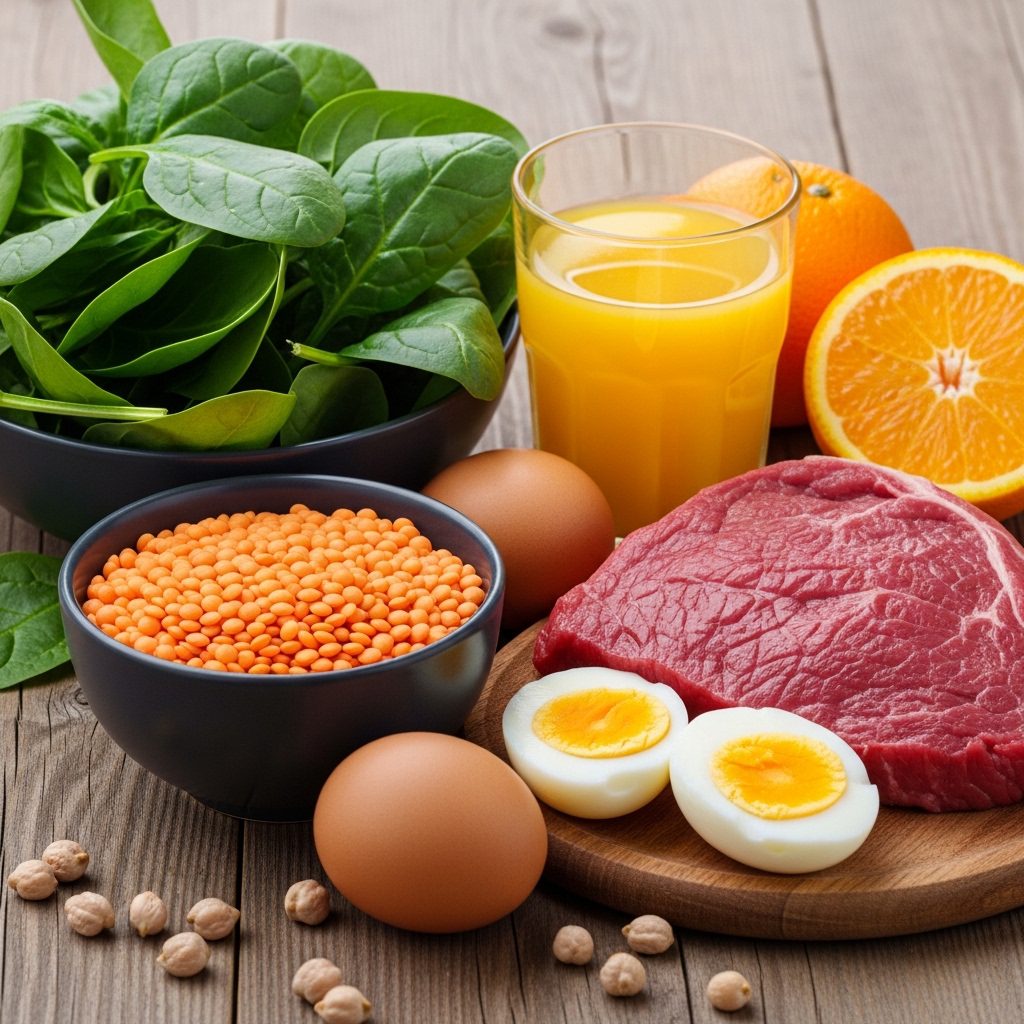
Best Iron-Rich Foods for Pregnant Women:
Iron comes in two main forms:
- Heme iron (animal sources) – easier and faster to absorb
- Non-heme iron (plant sources) – less efficiently absorbed
For optimal results, include both types in your daily diet.
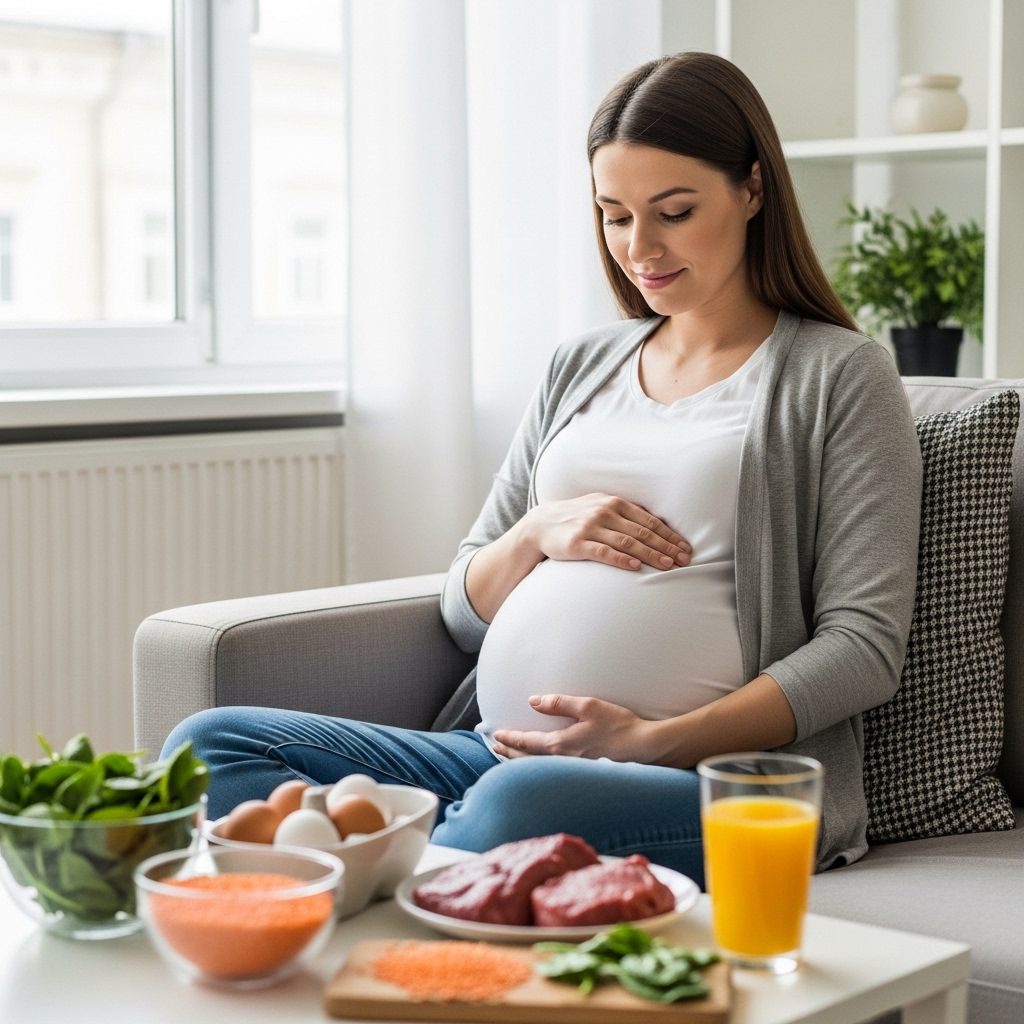
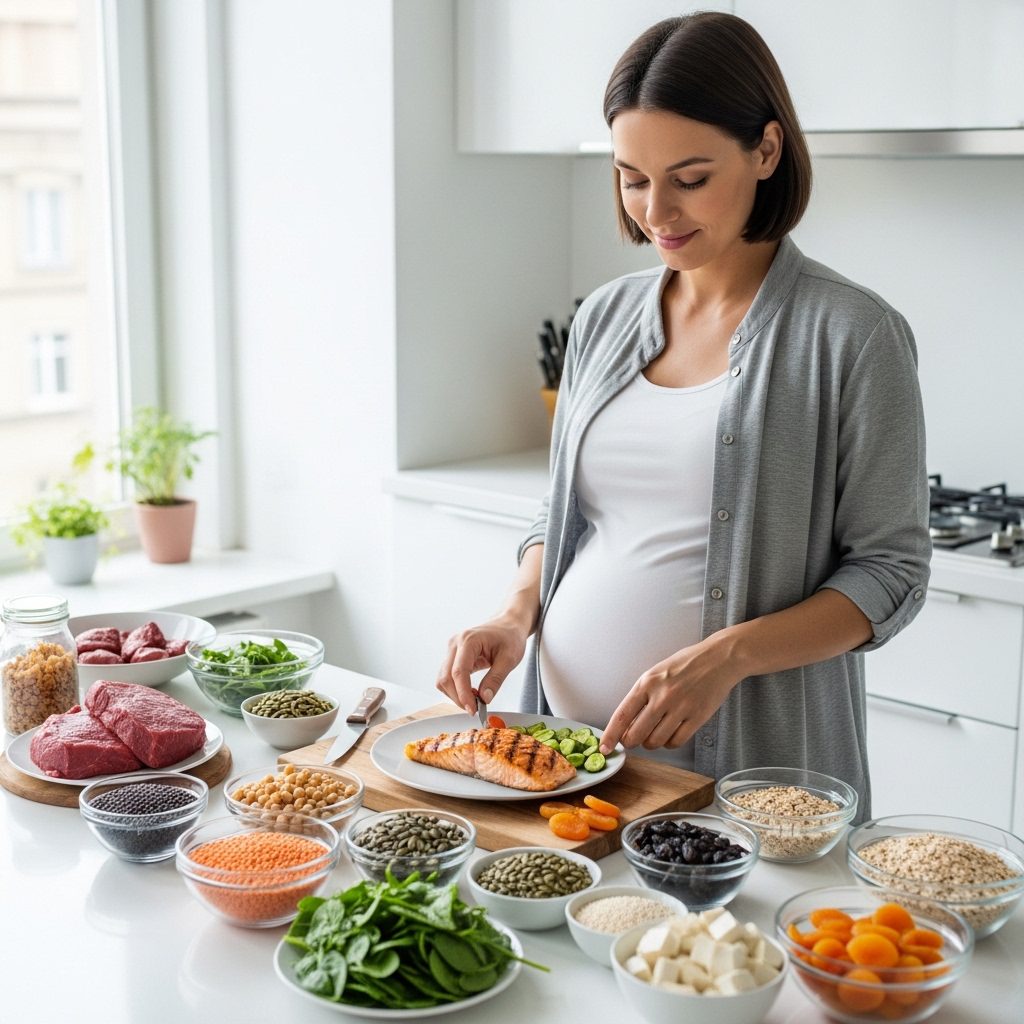
1- Heme Iron Sources (Best Absorption):
These are the most effective for raising hemoglobin levels:
-
-
- Lean red meat (beef, lamb)
- Liver (in moderation due to high vitamin A)
- Turkey
- Chicken
- Salmon
- Tuna
- Shrimp
- Oysters and shellfish
-
Heme iron is absorbed more efficiently and does not require special combinations for better absorption.
2- Non-Heme Iron Sources (Plant-Based):
Although absorption is lower, these foods are still very important:
-
-
- Lentils
- Chickpeas
- White beans
- Spinach
- Swiss chard
- Broccoli
- Beetroot
- Quinoa
- Pumpkin seeds
- Tofu
- Oats
- Dried fruits (raisins, apricots, figs, prunes)
- Nuts and tahini
-
Fortified cereals and iron-enriched bread are also helpful additions.
How to Improve Iron Absorption:
One of the most important strategies for treating iron deficiency anemia in pregnancy is improving iron absorption.
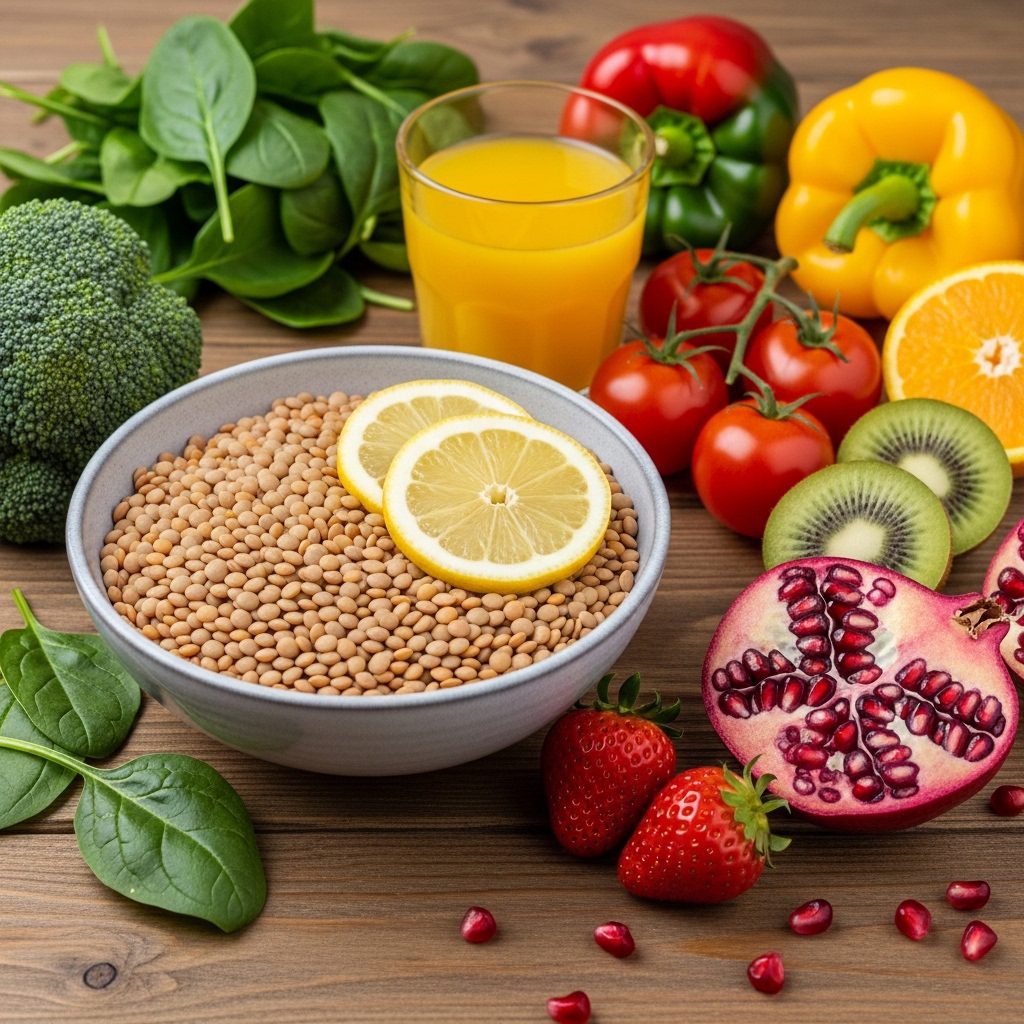
1- Add Vitamin C:
Vitamin C significantly increases the absorption of non-heme iron. Pair iron-rich foods with:
-
-
- Orange juice
- Lemon
- Strawberries
- Kiwi
- Bell peppers
- Tomatoes
- Broccoli
- Pomegranate
-
For example, add lemon juice to lentils or drink orange juice with your iron supplement.
2- Combine Animal and Plant Sources:
Eating meat with spinach or lentils improves the absorption of plant-based iron.
What to Avoid When Taking Iron:
Certain substances reduce iron absorption:
-
- Milk and dairy products (calcium)
- Calcium supplements
- Tea
- Coffee
- Antacids
Leave at least 2 hours between iron supplements and calcium products.
Avoid tea or coffee during meals rich in iron.
Safe Iron Supplementation During Pregnancy:
Most prenatal vitamins contain iron. However, if anemia is diagnosed, your doctor may prescribe additional iron supplements.
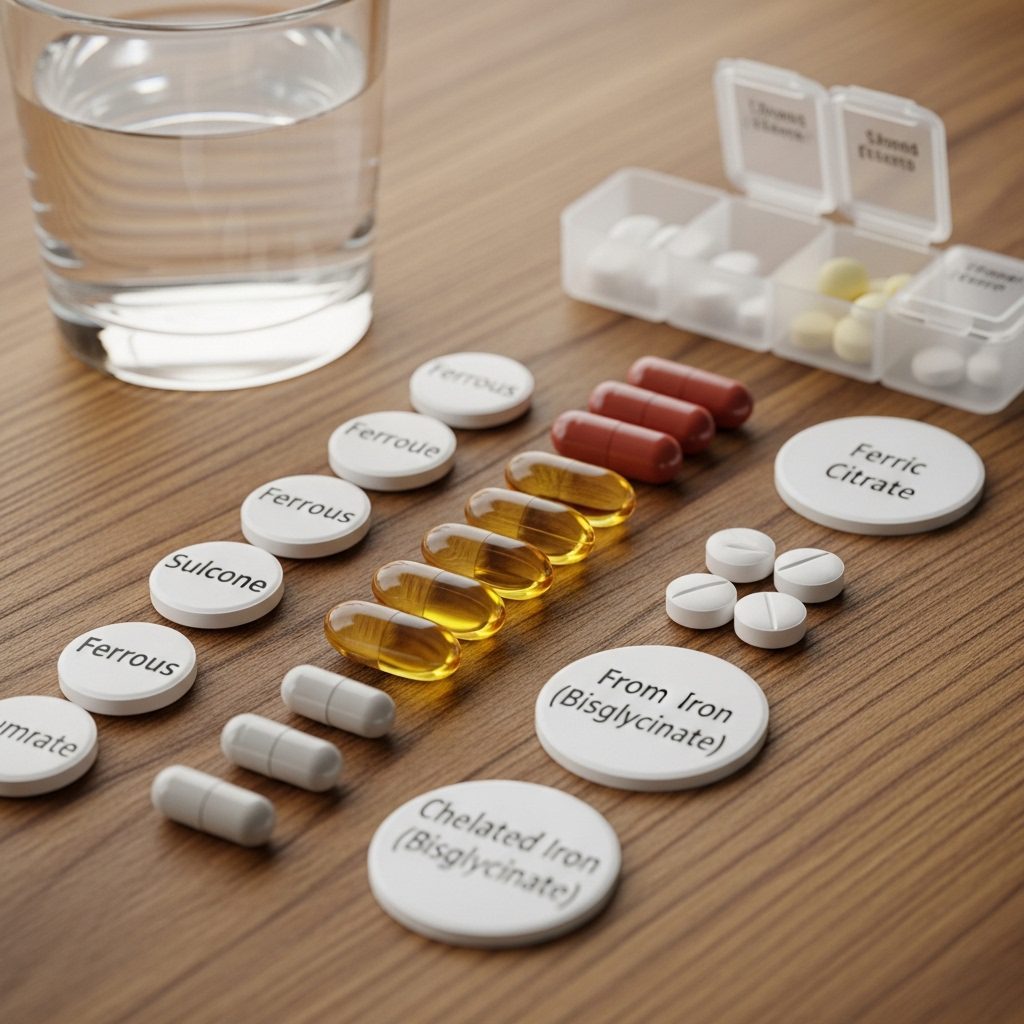
Common Safe Forms Include:
-
- Ferrous sulfate (most common and effective)
- Ferrous gluconate
- Ferric citrate
- Iron fumarate
- Iron bisglycinate (chelated iron) – often gentler on the stomach
Recommended Dosage:
-
- Preventive dose: 27–30 mg daily
- Treatment dose: 30–60 mg or more (as prescribed)
Never increase dosage without medical supervision. Excess iron may cause complications.
When to Start Iron Supplements:
Doctors often recommend supplementation:
-
- From the beginning of the second trimester
- If blood tests show low hemoglobin or ferritin
- In twin pregnancies
- If symptoms of anemia appear
- If dietary intake is insufficient
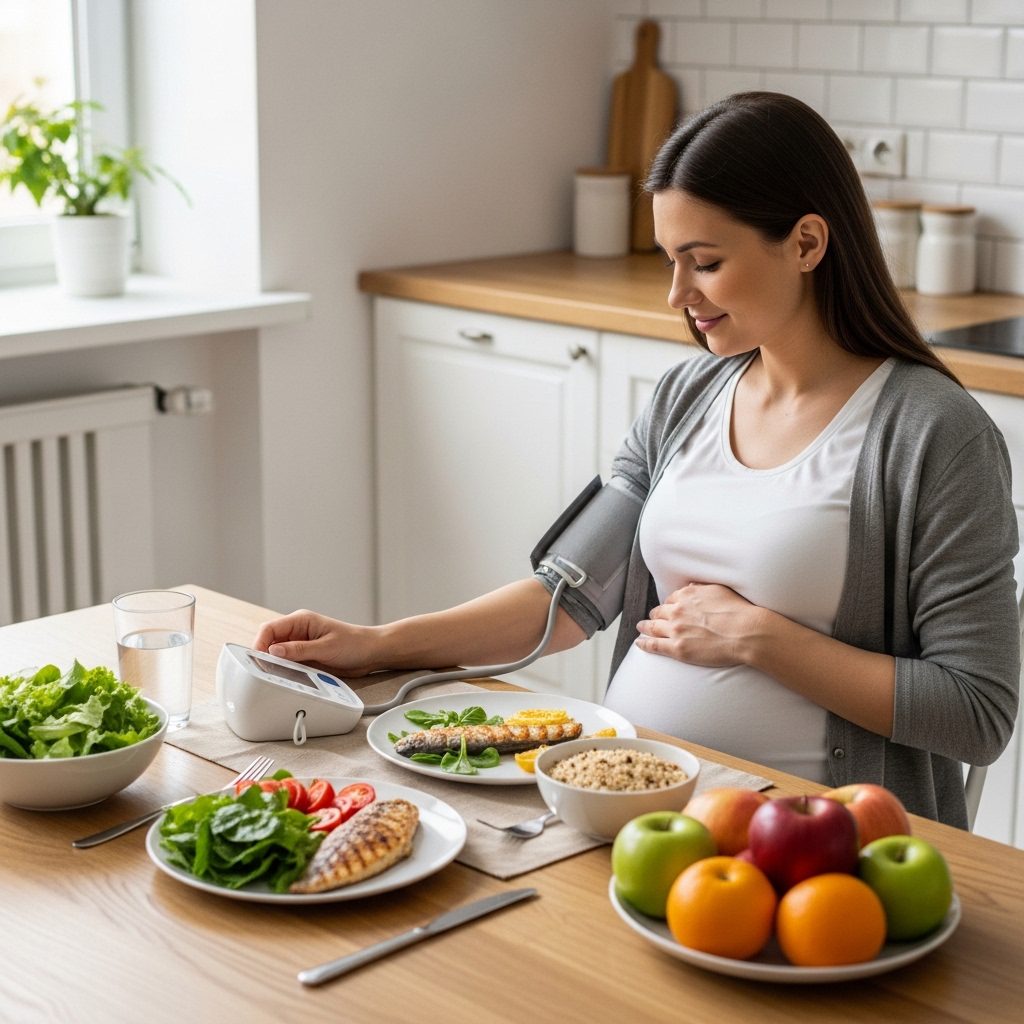
Regular blood testing is essential — typically at the first prenatal visit and again around week 28.
Managing Side Effects of Iron Supplements:
Iron supplements may cause:
-
- Constipation
- Nausea
- Stomach discomfort
- Dark stools (normal and harmless)
To reduce side effects:
-
- Take iron before bedtime
- Drink plenty of water
- Increase fiber intake
- Start with a lower dose and gradually increase
- If nausea occurs, take with a light snack (avoid dairy)
If oral iron is not tolerated, doctors may recommend iron injections in severe cases.
Risks of Untreated Iron Deficiency:
Ignoring anemia can lead to:
-
- Preterm labor
- Low birth weight
- Increased maternal fatigue
- Higher risk of postpartum depression
- Increased need for blood transfusion during delivery
Proper management protects both mother and baby.
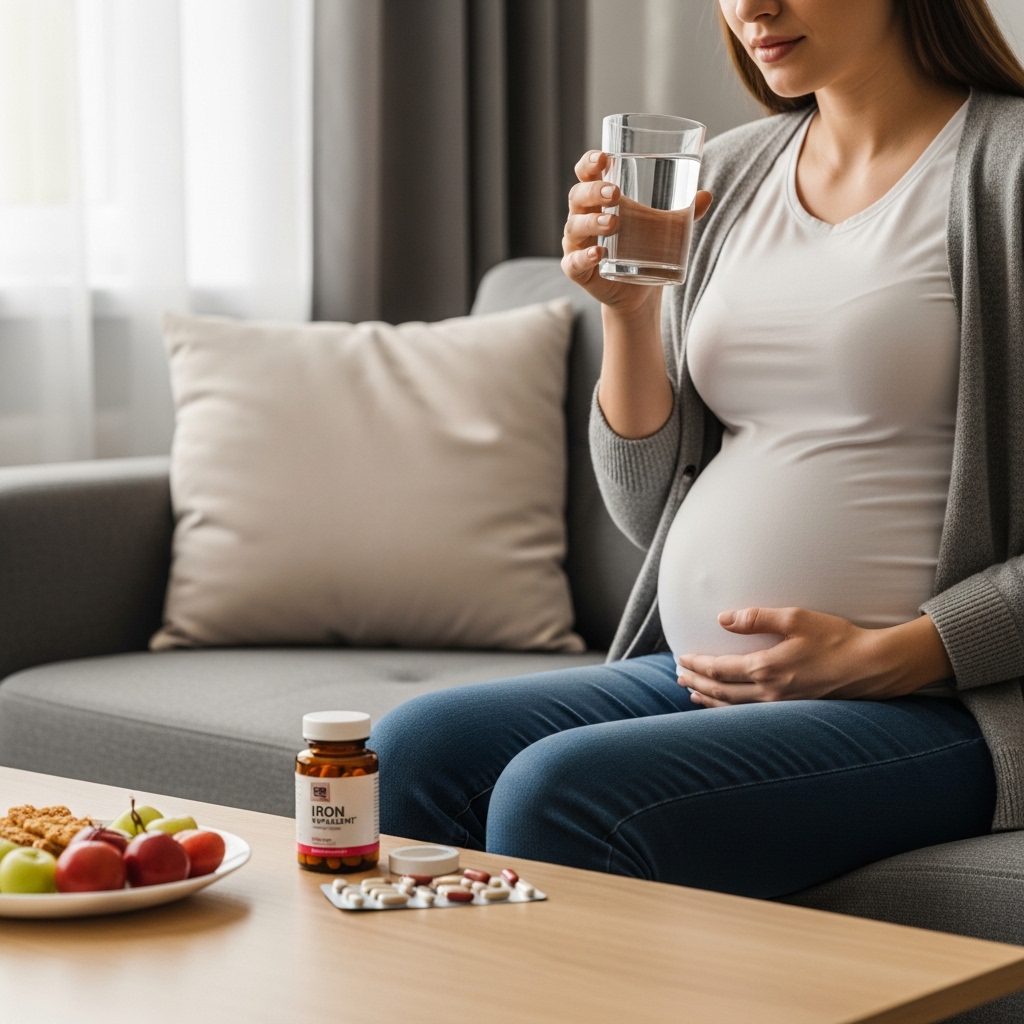
Golden Tips for Preventing Iron Deficiency:
- Include iron-rich foods daily.
- Pair plant iron with vitamin C.
- Avoid tea and dairy during iron intake.
- Take prenatal vitamins consistently.
- Get regular blood tests.
- Follow medical advice for dosage adjustments.
Iron deficiency anemia in pregnancy is common, but it is completely manageable with the right approach. By focusing on iron-rich foods, improving absorption with vitamin C, and following safe supplementation under medical supervision, you can protect both your health and your baby’s development. Early monitoring and consistent care make all the difference in preventing complications and ensuring a healthy pregnancy journey.
For more expert-backed pregnancy nutrition guides, practical meal ideas, and evidence-based health tips, visit Nutrition Travels. Empower yourself with the right knowledge and take confident steps toward a healthier pregnancy today.