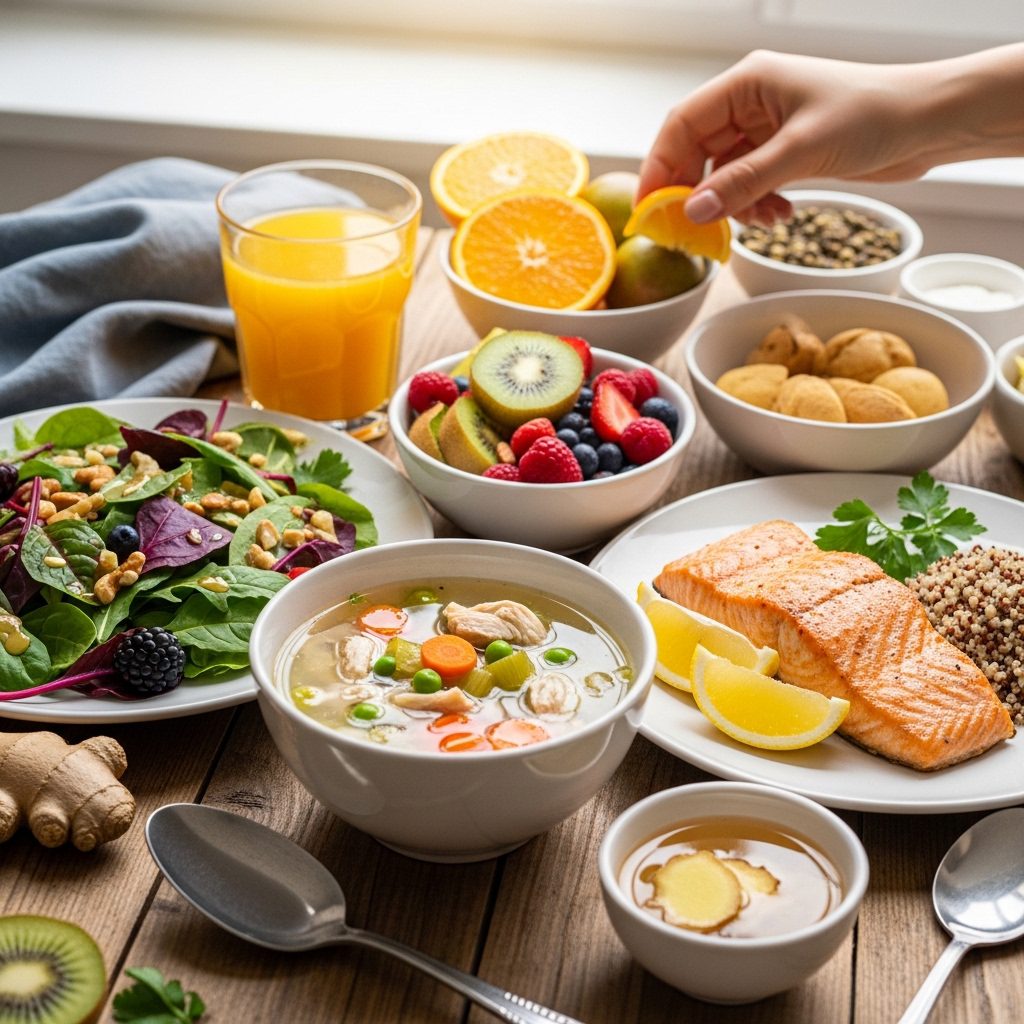
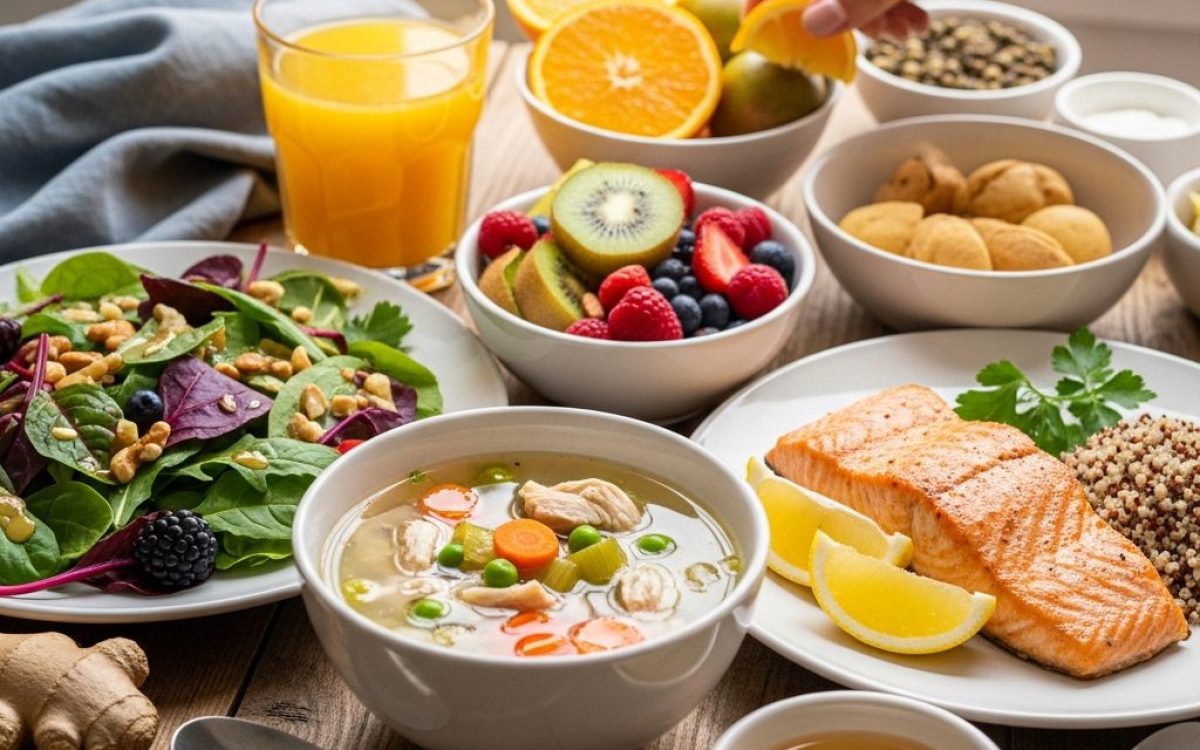
After recovering from influenza or any viral infection, many people feel that recovery does not end when symptoms disappear. Persistent fatigue, low appetite, and reduced energy can last for days or even weeks. This is where a recovery Diet After Viral Infections an essential part of restoring the body’s natural balance.
During infection, the body uses large amounts of energy and nutrients to support the immune system. Returning to proper nutrition is therefore not a luxury, but a necessary step to rebuild physical strength and immunity.
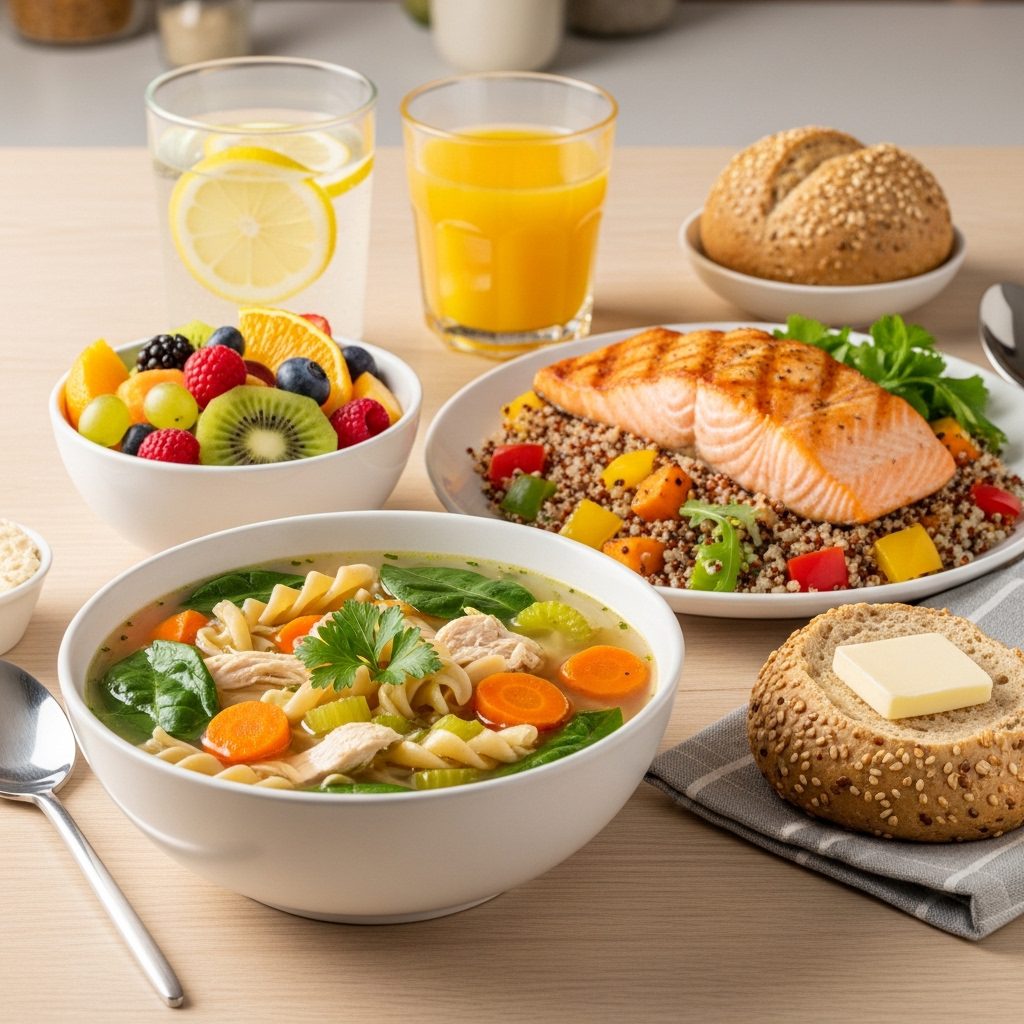
Why does the body need a recovery diet after influenza?
During viral infections, the immune system works intensively to fight the virus. This process consumes protein, vitamins, and minerals faster than usual. Fever and loss of appetite may also lead to reduced fluid and energy intake.
For this reason, a recovery diet helps to:
- Restore fluid balance in the body
- Support immune cell production
- Gradually rebuild energy levels
- Reduce post-illness fatigue

Nutrition is not a direct treatment for viruses, but it creates a supportive environment for the body to return to normal.
Recovery diet and gradual energy restoration:
One common mistake is trying to immediately return to a normal eating routine after illness. The digestive system may still be sensitive, and the body needs easily digestible energy sources.
Simple, nutrient-rich foods are ideal during this stage, such as:
- Warm soups
- Rice and cooked vegetables
- Water-rich fruits
- Light protein sources
These foods help the body absorb nutrients without stressing digestion, which is a key goal of a recovery diet.
Recovery Diet After Viral Infections: The role of protein in a recovery diet:
Protein is essential for rebuilding tissues and supporting the immune system after infection. During illness, the body may lose some muscle mass due to reduced movement or appetite.
Easy-to-digest protein sources include:
- Eggs
- Yogurt
- Chicken
- Lentils
According to the (NIH), protein is necessary for tissue repair and immune function.
For this reason, protein is a fundamental part of a recovery diet.
Recovery Diet After Viral Infections: Fluids in a recovery diet:
Dehydration is one of the most common issues after influenza, especially when fever, sweating, or appetite loss occurs.

Fluids help:
-
- Improve circulation
- Support immune function
- Reduce fatigue
Good options include:
-
- Water
- Soup
- Warm herbal drinks
- Diluted natural juices
Rehydration is often the first step in a recovery diet after symptoms subside.
Vitamins and minerals in a recovery diet:
After viral infections, the body needs nutrients that support immune function, including:
- Vitamin C
- Zinc
- Vitamin A
- Iron
These nutrients do not directly “cure” influenza, but they help the body return to normal function more efficiently. Eating colorful fruits and vegetables regularly is a simple way to support a recovery diet.
Recovery diet and immune system support after infection:
The immune system continues working even after symptoms disappear, repairing tissues and regulating inflammation. Therefore, a recovery diet should remain balanced and nutrient-dense.
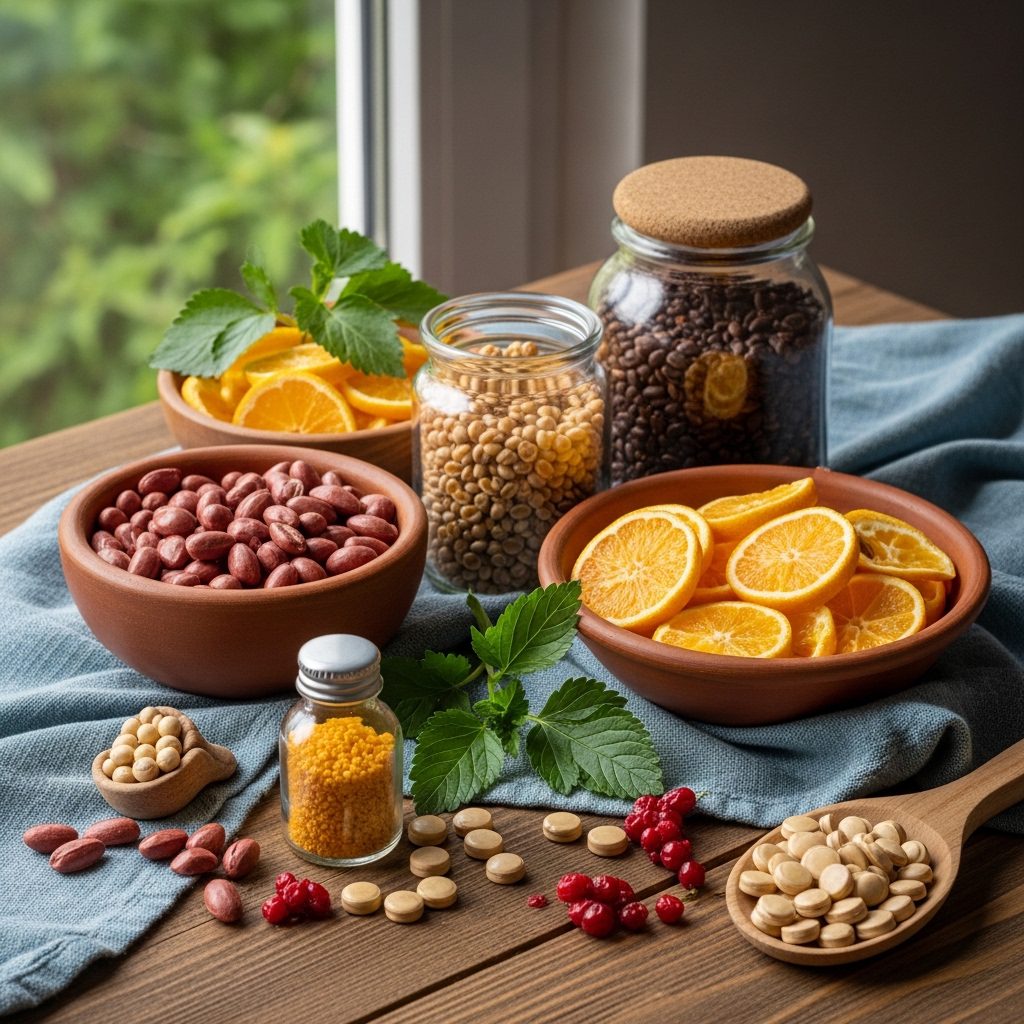
According to the NIH Office of Dietary Supplements, several nutrients support normal immune function:
- Vitamin C
- Vitamin D
- Zinc
- Iron
- Vitamin A
Carbohydrates and energy in a recovery diet:
After illness, ongoing fatigue is common. This may be linked to depleted energy stores during infection.
Adding complex carbohydrates to a recovery diet can help restore energy gradually, such as:
- Brown rice
- Oats
- Potatoes
- Whole grains
This does not mean excess sugar intake, but choosing stable energy sources that support balanced blood sugar levels.
Recovery Diet After Viral Infections: Foods to limit during a recovery diet:
During recovery, digestion may still be sensitive. It is helpful to reduce:
- Very fatty foods
- Fried foods
- Refined sugars
- Fast food
These foods may increase fatigue or digestive discomfort, slowing the return to normal activity.

Sleep and nutrition: complementary parts of a recovery diet:
Recovery is not complete without proper sleep. Sleep supports hormone regulation related to immunity and energy.
The CDC notes that adequate sleep supports overall health and immune function:
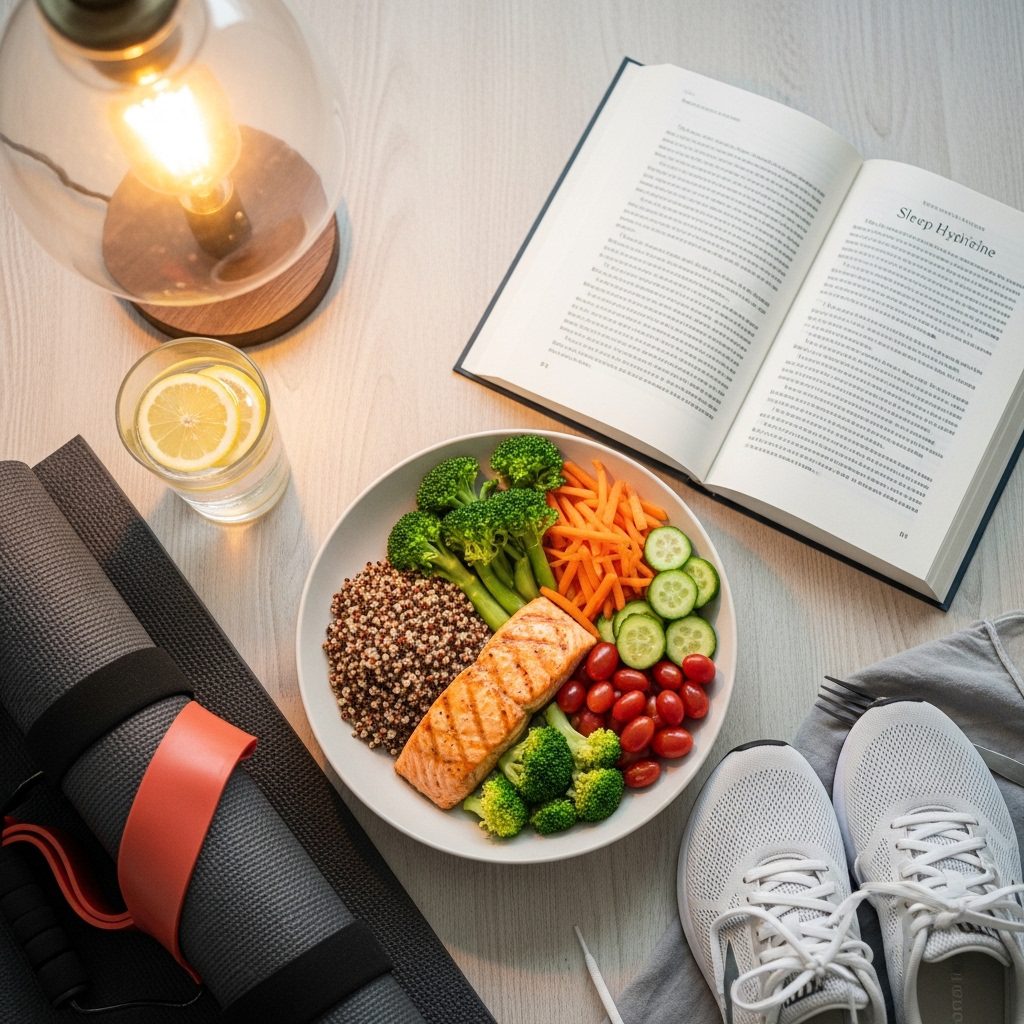
Recovery is a combined process that includes:
- Balanced nutrition
- Adequate hydration
- Regular sleep
- Gradual return to physical activity
Returning to physical activity within a recovery diet:
After influenza, it is best not to return suddenly to intense exercise. The body may need additional days to regain strength.
You can begin with:
- Light walking
- Stretching exercises
- Low-intensity movement
Balanced nutrition within a recovery diet supports this transition without additional strain.
Recovery Diet After Viral Infections: Practical daily example:
To make a recovery diet clearer, here is a simple daily example after influenza:
1- Breakfast:
Oatmeal with fresh fruit + yogurt
2- Snack:
Orange or kiwi (vitamin C source)
3- Lunch:
Lentil soup + brown rice + cooked vegetables
4- Afternoon snack:
Unsalted nuts
5- Dinner:
Grilled chicken or fish + boiled potatoes + salad
6- Fluids:
Water throughout the day + warm herbal drinks
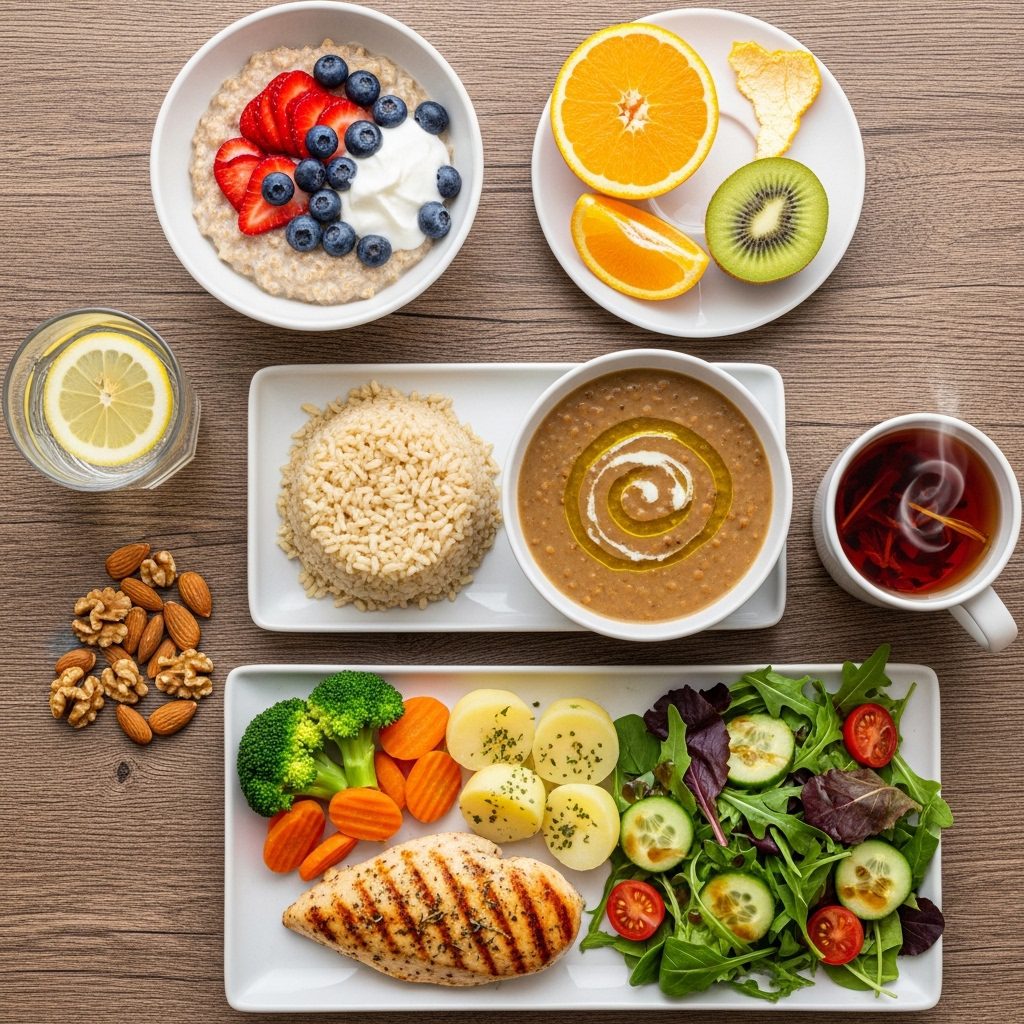
This example is not a fixed plan, but it shows how a recovery diet can be applied in a practical and balanced way.
Recovery from influenza does not end when fever drops or coughing stops. The body needs time to rebuild immunity and restore energy.
A recovery diet is not complicated. It simply includes:
- Adequate hydration
- Sufficient protein
- Balanced carbohydrates
- Fruits and vegetables
- Enough sleep
There is no government evidence showing that a specific food directly cures viruses, but balanced nutrition supports the body’s normal functions during recovery.
If you are looking for reliable, science-based content presented in a practical way — from immune support to improving daily energy — you can visit nutritiontravels, where government-based nutrition information is translated into realistic, everyday steps without exaggeration or unrealistic promises.