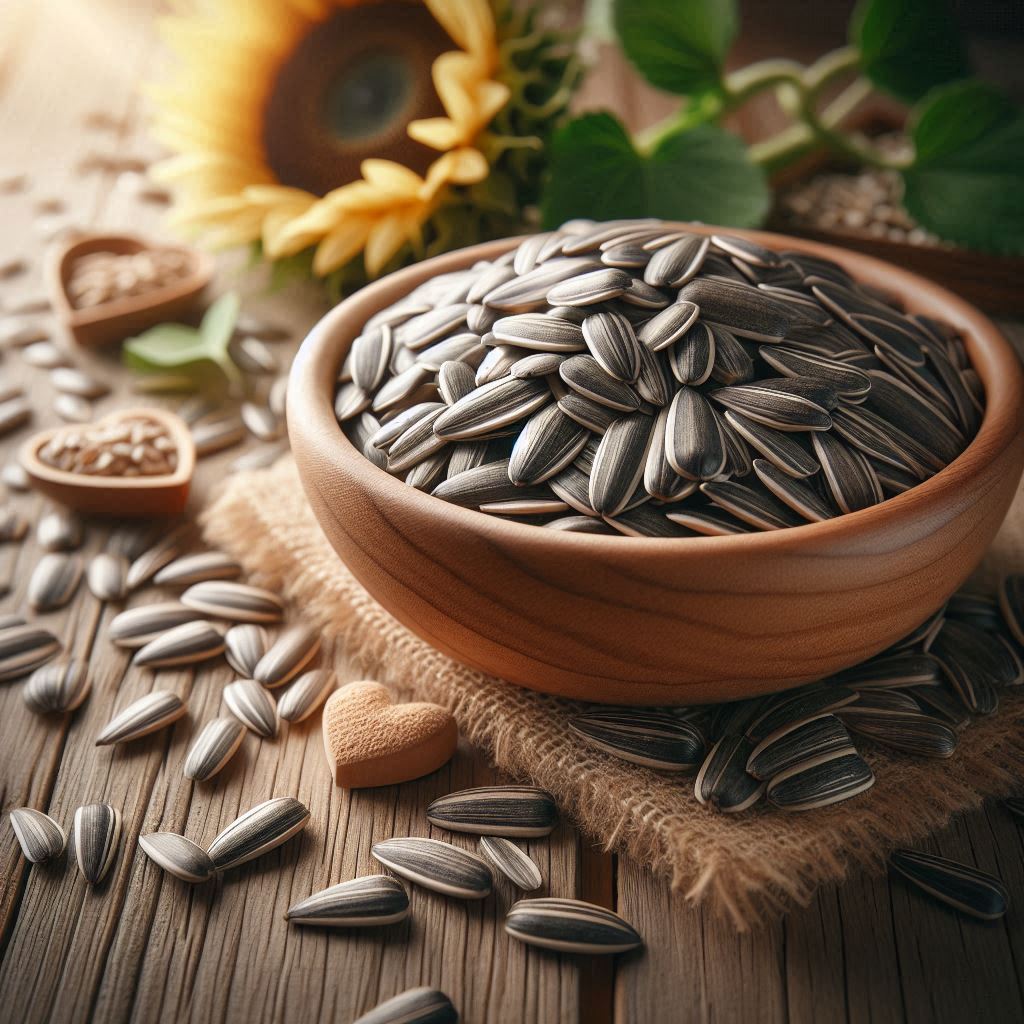

In the world of nutrition, some nutrients like iron and calcium are widely known, while others receive less attention despite being just as important , Among these nutrients is Selenium Trace Mineral — a trace mineral the body needs in very small amounts, yet it plays a major role in maintaining balance and supporting vital organs.
Although many people rarely hear about selenium, a deficiency can affect essential functions such as immunity, heart health, and thyroid function. That’s why understanding selenium is an important part of healthy nutrition.
What Is Selenium?
Selenium is an essential trace mineral, meaning the body needs it in small amounts but cannot produce it on its own, so it must come from food.
Inside the body, selenium works as part of proteins called selenoproteins, which are responsible for:
- Protecting cells from oxidative stress
- Supporting the immune system
- Regulating thyroid function
- Supporting heart health
According to the National Institutes of Health Office of Dietary Supplements (NIH), selenium plays an important role in metabolism and protection against cellular damage.

This makes selenium a nutrient needed in small quantities but with a large impact.
Selenium and Thyroid Health
The thyroid gland is one of the organs with the highest concentration of selenium in the body.
This is not a coincidence — the thyroid depends on selenium to produce and regulate hormones.
Selenium helps:
- Convert thyroid hormone T4 into its active form T3
- Reduce inflammation in the thyroid gland
- Protect thyroid tissue from oxidative damage
These functions explain why selenium deficiency is sometimes linked to thyroid disorders, particularly in regions where soil selenium levels are low.
Importantly, the body does not need large amounts of selenium to gain these benefits — balance is key.
Selenium and Heart Health
In addition to its role in thyroid function, selenium is also connected to cardiovascular health.
One of selenium’s key roles is acting as an antioxidant through an enzyme called glutathione peroxidase, which helps:
- Reduce inflammation
- Protect cells from damage
- Support blood vessel health
Oxidative stress and chronic inflammation are linked to heart disease, and selenium helps support overall health in this context.
However, selenium is not a treatment for heart disease — it is part of a balanced diet that supports prevention.

How Much Selenium Does the Body Need?
The recommended daily intake for adults is about:
- 55 micrograms per day.
This small amount can usually be obtained easily from food without supplements.
In fact, selenium works within a relatively narrow safe range — both deficiency and excess can be harmful. That’s why food sources are the safest option.
Food Sources of Selenium Trace Mineral
Selenium is found in many everyday foods, including:
-
- Nuts (especially Brazil nuts)
- Fish
- Eggs
- Chicken
- Whole grains
- Dairy products
Brazil nuts are one of the richest sources — just one or two nuts can meet the daily requirement.
This is also a good example of why moderation matters, since consuming large amounts of concentrated sources may lead to excessive intake.
Is Selenium Deficiency Common?
Selenium deficiency is uncommon in people who eat a varied diet.
However, it may occur in cases such as:
-
- Malnutrition
- Certain digestive disorders
- Diets based on foods grown in selenium-poor soil

In these situations, immune function or thyroid activity may be affected. This highlights the importance of dietary variety.
Symptoms of Selenium Trace Mineral Deficiency
Although uncommon, possible signs include:
-
- Weakened immunity
- Persistent fatigue
- Muscle weakness
- Hair loss
- Thyroid dysfunction
- Slow recovery from inflammation
These symptoms are not always caused by selenium deficiency alone but may indicate nutritional imbalance.
Can You Consume Too Much Selenium?
Yes — and this is important.
Just as deficiency can cause problems, excess selenium can also be harmful because the body tolerates only a limited range.
Symptoms of excess selenium may include:
-
- Garlic-like breath odor
- Hair loss
- Brittle nails
- Digestive upset
- Fatigue
The upper safe limit for adults is about:
- 400 micrograms per day.
For this reason, experts recommend caution when using selenium supplements without medical need.

Do You Need Selenium Trace Mineral Supplements?
In most cases, supplements are not necessary if your diet is balanced.
A diet that includes:
-
- Protein sources
- Nuts
- Whole grains
- Fish
- Eggs
usually provides enough selenium.
Supplements are typically used only in specific situations, such as:
-
- Medically confirmed deficiency
- Certain thyroid conditions
- Malabsorption disorders
and should be taken under medical supervision.

Selenium and Immunity
Selenium helps support the immune system by:
- Reducing inflammation
- Protecting immune cells
- Supporting immune response
As a natural antioxidant, selenium helps the body resist oxidative stress linked to chronic disease and aging.
It does not prevent illness on its own, but it is part of a network of nutrients that maintain body balance.
Selenium Trace Mineral and Healthy Aging
As we age, reducing inflammation and oxidative stress becomes more important.
Adequate selenium intake is associated with:
- Heart health support
- Maintaining thyroid function
- Immune support
- Cellular protection
This makes selenium a small but important nutrient for maintaining quality of life over time.
Although selenium is not discussed as often as other minerals, it plays a fundamental role in the body.
Its importance can be summarized simply:
-
- Essential for thyroid function
- Supports heart health
- Acts as an antioxidant
- Helps the immune system
- Needed in small amounts
- Easily obtained from food

The best way to get selenium is through a balanced and varied diet, rather than relying on supplements unnecessarily.
In nutrition, more is not always better — balance is what matters most.
If you’d like to learn more about essential minerals and their role in energy, immunity, and overall health, visit nutritiontravels and explore science-based nutrition articles written in a simple, practical way.