

Long-term travel often seems like a dream for many, especially for those who love tourism and exploring new cultures. Moving from one country to another, trying different foods, seeing new landmarks, and meeting people from diverse backgrounds are all exciting experiences that make traveling an unforgettable adventure. However, there is a less glamorous side: travel burnout, which can affect a traveler’s mental and psychological health, even for those passionate about exploring the world.
Sometimes, travel burnout appears as difficulty concentrating or even temporary depression. All of this can make the travel experience less enjoyable and may leave a long-term impact on the traveler’s mental health.

Causes of Travel Burnout During Long-Term Travel:
1. Trip Details: The total distance, number of layovers, time zones crossed, travel direction, local daylight hours, length of stay at destinations, and other trip specifics can all affect jet lag.
2. Arrival Time: The time you arrive at your destination can influence how quickly your biological clock adjusts. For example, sunlight exposure upon arrival can shift your body clock in the wrong direction. Traveling east from the United States to Europe, for instance, exposure to sunlight in the morning upon landing may negatively affect your biological clock. Therefore, jet lag may be less pronounced if arrival occurs in the afternoon.
3. Age: Age may play a role in jet lag, although studies show mixed results. People over sixty may experience changes in their biological clock that make recovering from jet lag more difficult.
4. Pre-Travel Sleep: Lack of sleep in the days leading up to a trip can increase the likelihood of experiencing jet lag after traveling.
5. Stress: Stress can keep the mind and body tense, interfering with sleep and making it harder to cope with jet-lag-related sleep disturbances.

Signs and Symptoms of Travel Burnout:
Recognizing early signs of travel burnout is important to manage it before it escalates:
- Persistent physical and mental fatigue.
- Loss of enthusiasm for new experiences.
- Difficulty concentrating or making decisions.
- Excessive anxiety or irritability.
- Loss of interest in activities.
- Sleep disturbances.
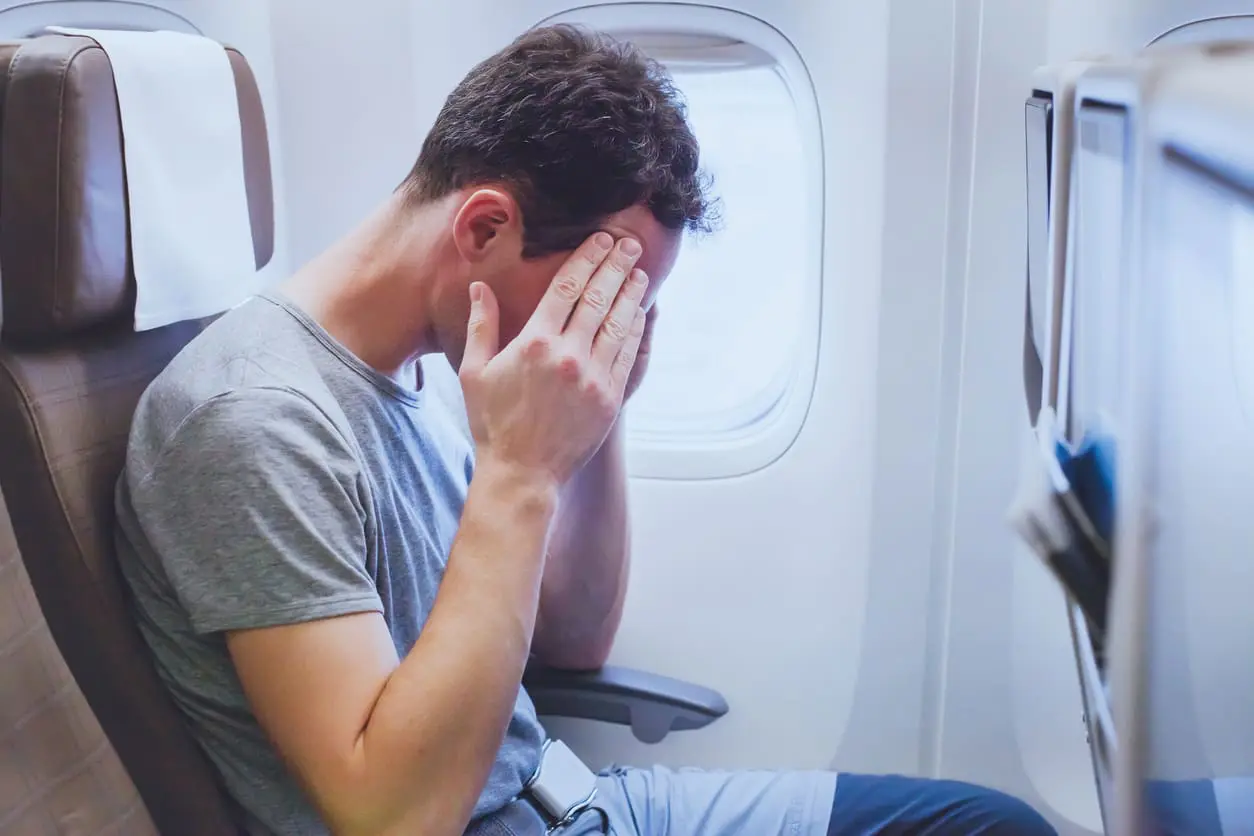
How to Manage Travel Burnout and Maintain Mental Health:
Although long-term travel comes with challenges, there are ways to manage travel burnout and maintain mental well-being:
1. Allow Regular Rest Periods:
It is beneficial for the trip to include calm days without intensive activities, even if it’s just a day to relax at the hotel or a local café. This gives the mind a chance to recharge.
2. Prioritize Sleep:
Regular sleep is essential for maintaining mood and energy. Gradually adjusting sleep to the local time can help reduce disruptions to the body’s biological clock.
3. Reduce Pressure on Yourself:
Travel is not a race to experience everything. Choosing a few special experiences and focusing on enjoying them rather than trying to do it all can lessen mental fatigue.

4. Maintain a Personal Routine:
Even while constantly moving, maintaining simple habits like light exercise, reading, or daily journaling helps stabilize the mind and reduce stress.
5. Social Connections:
Even if traveling alone, staying in touch with friends and family provides important psychological support and reduces feelings of loneliness.
6. Balanced Nutrition and Hydration:
Eating balanced meals with proteins, fruits, and vegetables, and drinking enough water has a significant impact on mood and energy, especially during intense travel schedules.
7. Mindfulness Practices:
Techniques such as meditation and deep breathing help reduce anxiety and stress and can be practiced even while traveling or during long journeys.

Long-term travel carries plenty of adventure and enjoyment, but it can be mentally exhausting if mental health is not considered. Travel burnout is not a sign of weakness but a natural result of ongoing pressures and frequent environmental changes. Awareness of these pressures, prioritizing sleep, nutrition, social connections, and taking rest periods all help maintain a healthy balance during extended travel.
Fortunately, at Nutrition Travels, you can find detailed information to help travelers take care of their mental and physical health during long journeys. Ultimately, the ideal travel experience is not measured by the number of places visited, but by how much you enjoy the journey, feel mentally at ease, and return with lasting positive memories.