

Many people struggle with poor focus, mental fatigue, or forgetfulness and assume it’s simply stress, aging, or lack of sleep. While these factors do play a role, nutrition is often the missing piece of the puzzle—especially when it comes to Choline and Brain Health.
Despite being essential, Choline is one of the most commonly overlooked nutrients in modern diets. Yet it plays a critical role in brain function, memory, concentration, and nervous system health.
The encouraging news is that supporting brain health through Choline is not complicated—it starts with understanding its role and making consistent dietary choices.
What Is Choline?
Choline is an essential nutrient required for many vital functions in the body. Although the body can produce small amounts on its own, this internal production is not enough to meet daily needs. That’s why dietary intake of Choline is crucial.
Health authorities such as the National Institutes of Health (NIH) officially recognize Choline as an essential nutrient, particularly important for brain and nervous system function.

Why Is Choline Important for the Brain?
One of the most important roles of Choline is its involvement in producing acetylcholine, a neurotransmitter responsible for:
- Memory formation
- Focus and attention
- Learning ability
- Communication between nerve cells
Without adequate Choline, the brain may struggle to operate efficiently, even if other lifestyle factors—like sleep and physical activity—are well managed.
This is why Choline is increasingly associated with mental clarity and cognitive performance.
Choline and Cognitive Health Over Time
As we age, maintaining brain health becomes a priority. Research suggests that adequate Choline intake supports:
- Long-term memory preservation
- Structural integrity of brain cells
- Healthy nerve signaling
While Choline is not a cure-all, consistent intake plays a meaningful role in supporting cognitive health over the long term.
Why Is Choline Often Deficient?
Despite its importance, many people fail to meet the recommended intake for Choline. This happens for several reasons:

- Limited public awareness about Choline
- Avoidance of key food sources like eggs and organ meats
- Highly processed diets low in nutrient density
As a result, Choline deficiency is more common than many realize.
How Much Choline Do You Need?
According to dietary guidelines:
- Adult men need about 550 mg of Choline per day
- Adult women need about 425 mg per day
- Needs increase during pregnancy and breastfeeding
Reaching these levels consistently requires intentional food choices.
Choline Is a Daily Investment in Brain Health
Brain health is not shaped by one meal or one supplement—it’s built through daily habits. Including Choline-rich foods regularly is a simple but powerful way to support mental performance, focus, and clarity.
Understanding the importance of Choline is only the first step. The next—and most practical—question is: how do you actually get enough Choline from your diet?
The good news is that Choline is available in everyday foods. The challenge lies in choosing them consistently.
Choline and Brain Health: Best Food Sources of Choline
Several foods naturally provide Choline, with varying concentrations:
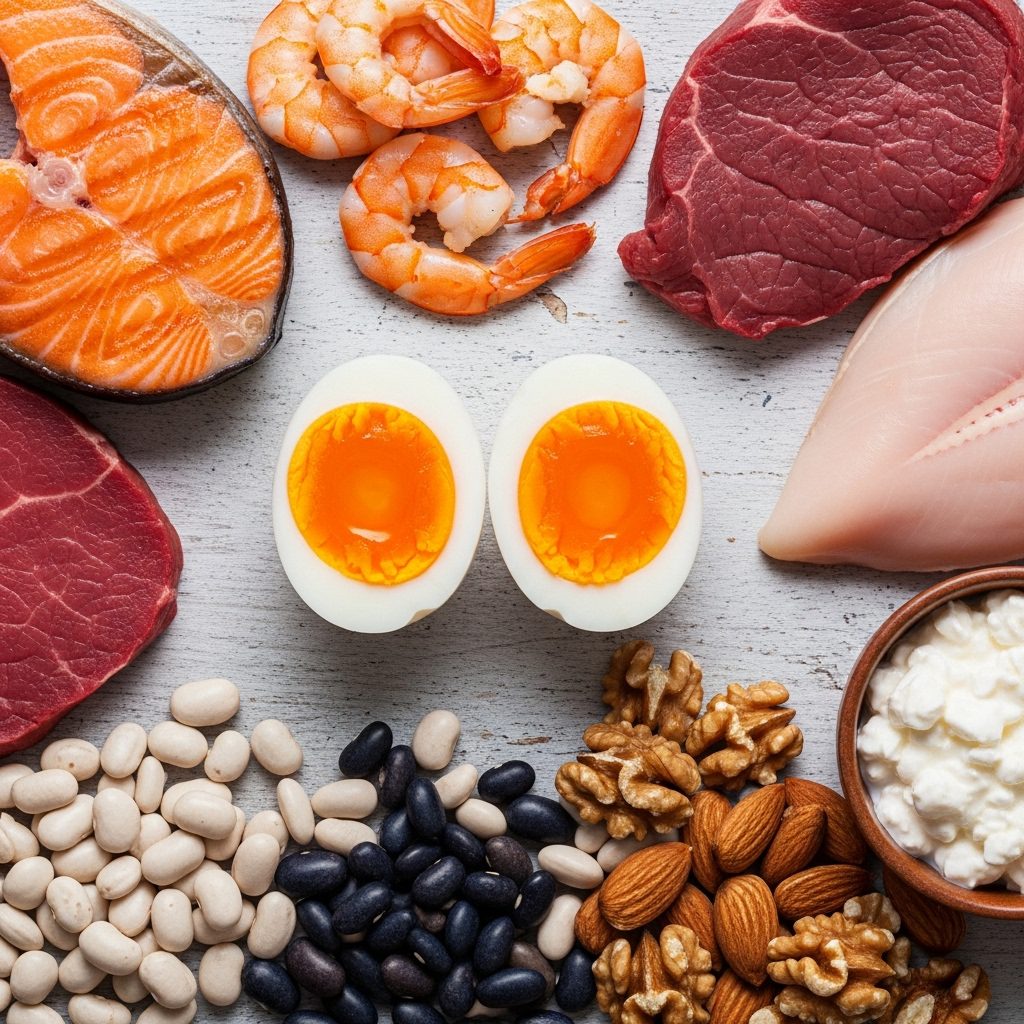
- Egg yolks
One of the richest and most efficient sources of dietary Choline. - Fish and seafood
Especially salmon and cod, which support brain health in multiple ways. - Meat and poultry
Including chicken and beef, which contribute meaningful amounts of Choline. - Dairy products
Such as milk and yogurt, offering modest but helpful levels. - Legumes and nuts
Plant-based sources that contribute smaller amounts of Choline.
A varied diet that includes several of these foods helps ensure adequate Choline intake.
Can Plant-Based Diets Provide Enough Choline?
Plant-based diets can include Choline, but reaching recommended levels may require careful planning. Plant foods generally contain less Choline than animal-based sources, making awareness especially important for vegetarians and vegans.
In some cases, healthcare professionals may recommend monitoring Choline intake more closely.
Choline and Brain Health: Signs of Low Choline Intake
Low Choline intake doesn’t always produce immediate symptoms, but it may contribute to:
- Poor concentration
- Mental fatigue
- Memory difficulties
- Low energy levels
Because these symptoms are often attributed to stress or aging, Choline deficiency may go unnoticed.
Choline and Brain Health: Daily Habits That Support Choline Intake
You don’t need extreme changes—just consistency:

- Include protein-rich foods at meals
- Avoid overly restrictive diets without guidance
- Balance meals with whole, nutrient-dense foods
Over time, these habits support steady Choline intake and overall brain health.
Should You Consider Choline Supplements?
Food should always come first. Supplements may be appropriate in specific situations—such as pregnancy or restricted diets—but only under professional guidance.
Choline and Long-Term Brain Wellness
Supporting brain health is not about quick fixes. It’s about:
- Nutrient-rich eating
- Consistency
- Awareness of what your brain truly needs
Choline plays a foundational role in this process.
Brain health is not determined by luck or genetics alone—it’s shaped by daily choices. Paying attention to nutrients like Choline can make a meaningful difference in focus, clarity, and long-term cognitive well-being.
If you want to learn more about evidence-based nutrition and practical ways to support your health through food, visit nutritiontravels and explore reliable, human-centered content designed to support a healthier, more informed lifestyle at every stage of life.