
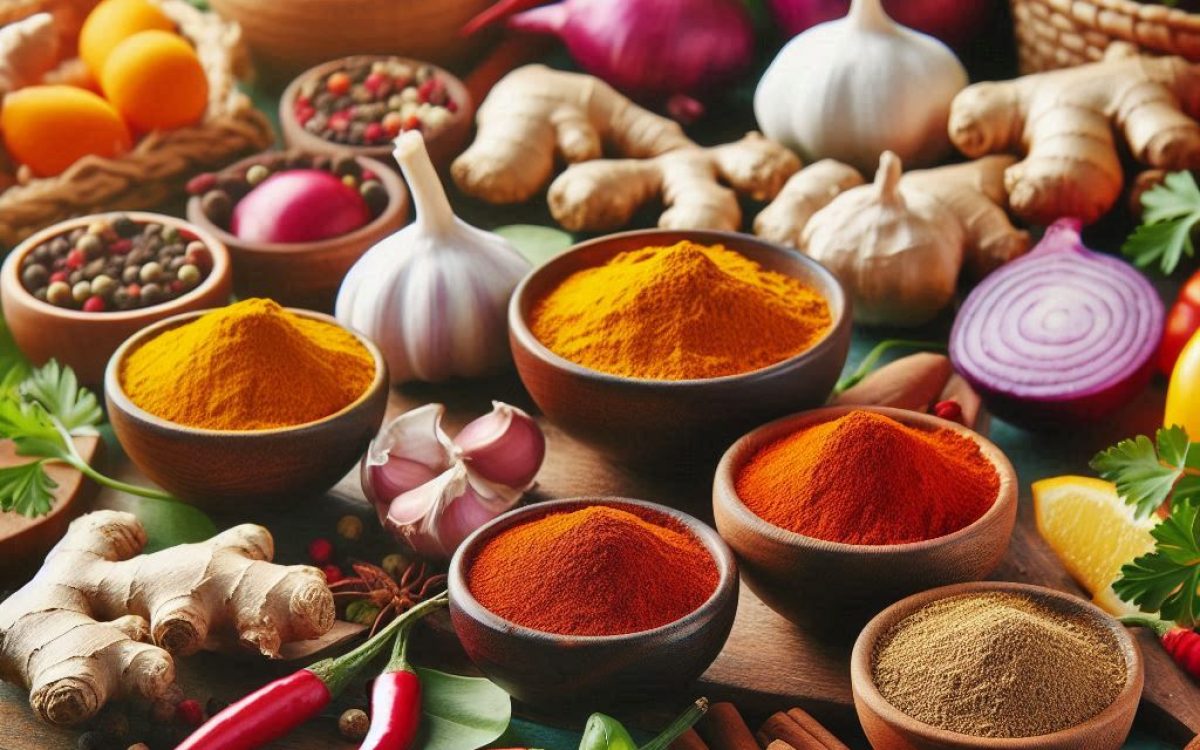
With the increasing focus on health and nutrition in our daily lives, anti-inflammatory spices for joint health have become an essential part of a diet that not only meets the body’s energy needs but also helps prevent chronic diseases and reduce joint inflammation. Chronic inflammation, especially in the joints, is one of the most common health issues, particularly with aging or an unhealthy lifestyle. While medications can temporarily reduce pain, relying on a diet rich in these spices can have a long-term impact on joint health and overall quality of life. Spices are often overlooked, yet they contain powerful natural compounds that help reduce inflammation and improve overall wellness.
In this article, we highlight the top five anti-inflammatory spices that can be easily incorporated into your daily meals and how they can support joint health over time.

Top 5 Anti-Inflammatory Spices for Joint Health:
1. Turmeric:
Turmeric, also known as the “golden spice”, is recognized for its vibrant yellow-orange color. It is widely used in Asian cuisine and has been utilized for centuries as a food coloring and for medicinal purposes. Curcumin, the biologically active antioxidant in turmeric, is known for its potent anti-inflammatory effects. Among its notable benefits is its ability to reduce brain inflammation linked to Alzheimer’s disease, and it may also alleviate pain and swelling in individuals with arthritis.
Ways to Use Turmeric:
Turmeric can be added to rice dishes and soups. It can also be prepared with milk or hot beverages to enhance absorption, especially when combined with a small amount of black pepper, which increases curcumin’s effectiveness.

2. Ginger:
Ginger is not just a spice for adding flavor; it contains active compounds like gingerol and shogaol, which have been shown to reduce inflammation and relieve muscular and joint pain.
Benefits of Ginger for Joints:
- Reduces joint stiffness and improves flexibility.
- Supports blood circulation in affected areas, speeding up the healing process.
- Helps alleviate pain associated with rheumatoid arthritis and osteoarthritis.
Ways to Use Ginger:
Ginger can be used fresh or dried in teas, juices, or added to meat, poultry, and vegetable dishes. Combining ginger with turmeric in recipes further enhances their anti-inflammatory benefits.

3. Cinnamon:
Cinnamon is a fantastic addition to enhance flavor without the need for sugar. Its compounds possess antioxidant and anti-inflammatory properties, which may help improve heart health by reducing elevated cholesterol and triglyceride levels. Numerous studies have also shown cinnamon’s benefits in regulating blood glucose, lipids, and insulin levels. While cinnamon does not replace diabetes medication, it can be used alongside treatment to help manage blood sugar levels in individuals with type 2 diabetes.
Ways to Use Cinnamon:
Cinnamon can be easily added to breakfast, whether in oatmeal or cereal. For coffee lovers, try adding cinnamon to ground coffee for extra flavor and aroma.

4. Black Pepper:
At first glance, black pepper may seem like a simple spice found on every restaurant table, but its health benefits are impressive. It contains piperine, which enhances the absorption of nutrients, including curcumin in turmeric, and possesses strong anti-inflammatory properties.
Benefits of Black Pepper for Joints:
- Improves absorption of anti-inflammatory compounds, boosting the effects of other spices.
- Reduces swelling and pain from chronic inflammation.
- Supports digestive health, allowing the body to utilize nutrients essential for joints.
Ways to Use Black Pepper:
Black pepper can be used ground or whole in daily dishes such as meats, vegetables, and soups. Combining it with turmeric in cooking is one of the best ways to enhance anti-inflammatory benefits.

5. Garlic:
Garlic is a delicious addition to any dish. It contains diallyl disulfide, an anti-inflammatory compound that limits the effect of inflammation-promoting cytokines. This makes garlic effective in fighting inflammation and potentially protecting cartilage from damage caused by arthritis.
Ways to Use Garlic:
Garlic can be used fresh in sauces and salads or cooked with meats and vegetables. Cooking slightly reduces the activity of its compounds, so combining raw and cooked garlic provides the best results.

Incorporating These Spices into Your Daily Routine:
The great thing about these spices is that they are easy to integrate into most daily meals, whether breakfast, lunch, or dinner. Some spices can also be combined for a stronger anti-inflammatory effect. For example:
- A turmeric, ginger, and black pepper drink in the morning.
- Adding cinnamon to cereal or fruits for breakfast.
- Including garlic and ginger in main dishes.
The goal is not just to add flavor, but to create a diet rich in natural anti-inflammatory compounds, which helps reduce chronic pain and improve joint health sustainably.

The health of your joints begins with what you eat. Incorporating anti-inflammatory spices like turmeric, cinnamon, black pepper, and garlic into your daily diet not only adds delicious flavor to your meals but also provides natural and effective support for joint health. At Nutrition Travels, we provide all the nutritional information you need to safely and effectively incorporate these spices into your daily meals.