

Vitamin B12, also known as cobalamin, is an essential nutrient that the body cannot produce on its own and must be obtained through diet or supplements. This vitamin plays a vital role in many bodily functions, from energy production to supporting brain and nerve health, making it crucial for both physical and mental well-being.
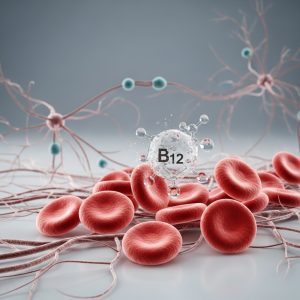
The Importance of Vitamin B12 for the Body
Red Blood Cell Production
Vitamin B12 is essential for the formation of healthy red blood cells. It contributes to their proper maturation and ensures their ability to transport oxygen efficiently from the lungs to all parts of the body. A deficiency in B12 can lead to anemia, where red blood cells become abnormally large and ineffective, causing fatigue, pale skin, and shortness of breath even during minor physical activities.
Energy Production
B12 helps convert food into energy by playing a key role in metabolic processes. It assists in metabolizing fats, proteins, and carbohydrates into usable energy. A deficiency can result in persistent fatigue and low energy levels, even with sufficient rest, impacting daily performance and overall vitality.
Nervous System Support
Vitamin B12 is crucial for nerve health. It helps form the myelin sheath, a fatty layer that protects nerve fibers and ensures efficient transmission of nerve signals. Deficiency can lead to symptoms such as tingling, numbness in hands and feet, muscle weakness, and balance difficulties.
Immune System Support
B12 also supports immune system function, helping the body fight infections and maintain overall health.
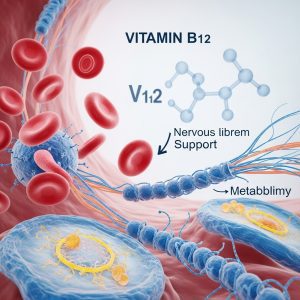
Vitamin B12 and Brain Function
Memory and Focus
B12 plays a vital role in mental performance. It supports the production of neurotransmitters such as serotonin and dopamine, which influence mood, attention, and focus. Low levels of B12 are associated with memory problems, poor concentration, and slower cognitive processing, especially in older adults.
Nerve Protection
By forming and protecting the myelin sheath, B12 ensures the safety of nerves in the brain and peripheral nervous system. This protection helps prevent nerve damage, numbness, and tingling. Therefore, it is essential in preventing neuropathy linked to aging or chronic conditions.
Mood and Mental Health
Vitamin B12 deficiency has been linked to a higher risk of depression and anxiety. By supporting neurotransmitter production, it helps regulate mood and reduce irritability and mood swings.
Brain Degeneration Prevention
Adequate B12 levels may reduce the risk of diseases such as dementia and Alzheimer’s, helping maintain normal brain functions as we age.

Sources of Vitamin B12
Since the body cannot produce B12, relying on dietary sources or supplements is the only way to maintain adequate levels.
Animal Sources
- Meat and liver: Beef and lamb liver are extremely rich in B12 and can provide more than the daily requirement in a single serving.
- Fish and seafood: Salmon, tuna, sardines, clams, and crab.
- Poultry: Chicken and turkey.
- Eggs and dairy: Milk, cheese, and yogurt.
Fortified Sources
- Fortified breakfast cereals.
- Fortified plant-based milks (soy, almond, oat).
- Fortified nutritional yeast.
Supplements
- Available in tablets, capsules, liquid drops, or oral sprays.
- Best taken in the morning on an empty stomach for better absorption and should be avoided with coffee or tea.

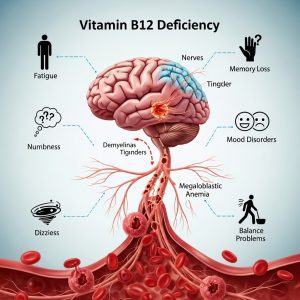
Symptoms of Vitamin B12 Deficiency
B12 deficiency symptoms may appear gradually and vary across physical, neurological, and cognitive aspects:
Physical Symptoms
- Chronic fatigue and low energy.
- Pale or yellowish skin.
- Shortness of breath and dizziness.
- Muscle pain and general weakness.
Neurological Symptoms
- Tingling and numbness in hands and feet.
- Muscle weakness and difficulty walking.
- Balance problems.
- Occasional optic nerve damage.
Cognitive and Psychological Symptoms
- Poor concentration and memory issues.
- Depression, anxiety, and mood swings.
- Confusion or delirium in advanced cases.
Groups at Risk of B12 Deficiency
- Strict vegetarians and vegans: Those who avoid all animal products.
- Older adults: Due to decreased stomach acidity and weaker absorption.
- Individuals with digestive disorders: Such as Crohn’s disease, celiac disease, or after gastrointestinal surgeries.
- People taking certain medications: Like metformin or proton pump inhibitors.
Diagnosing Vitamin B12 Deficiency
Diagnosis typically involves blood tests that measure B12 levels and red blood cell health. Sometimes, a folate test is performed to rule out similar deficiencies. In some cases, a stomach examination may be needed to check for intrinsic factor production, which helps with B12 absorption.

Treating Vitamin B12 Deficiency
Supplements
- Tablets and capsules: Effective for mild deficiencies or those who struggle to consume B12-rich foods.
- Oral sprays or injections: Used for people with absorption problems or severe deficiency, often administered daily or weekly until levels normalize, then monthly for maintenance.
Dietary Adjustments
- Increase consumption of animal products rich in B12.
- Include fortified foods, especially for vegans.
Important Note
Neurological or cognitive symptoms may persist or become permanent if deficiency is not treated early, so consulting a doctor as soon as symptoms appear is crucial.
Tips for Maintaining Healthy Vitamin B12 Levels
- Eat B12-rich foods regularly.
- Take supplements in the morning for energy benefits.
- Avoid alcohol and high doses of vitamin C at the same time as B12 supplements, as they may interfere with absorption.
- Monitor medications that may affect B12 absorption.
- Pay special attention to supplementation for vegans and older adults.

Vitamin B12 is truly essential for maintaining energy, supporting brain function, and keeping your nervous system healthy. By paying attention to your diet, including B12-rich foods, and considering supplements when needed, you can prevent deficiency and enjoy better physical and mental well-being.
At Nutrition Travels, we are committed to providing you with reliable health information and practical tips to help you live a healthier, more energized life. Make sure to prioritize your B12 intake and take charge of your overall wellness today!