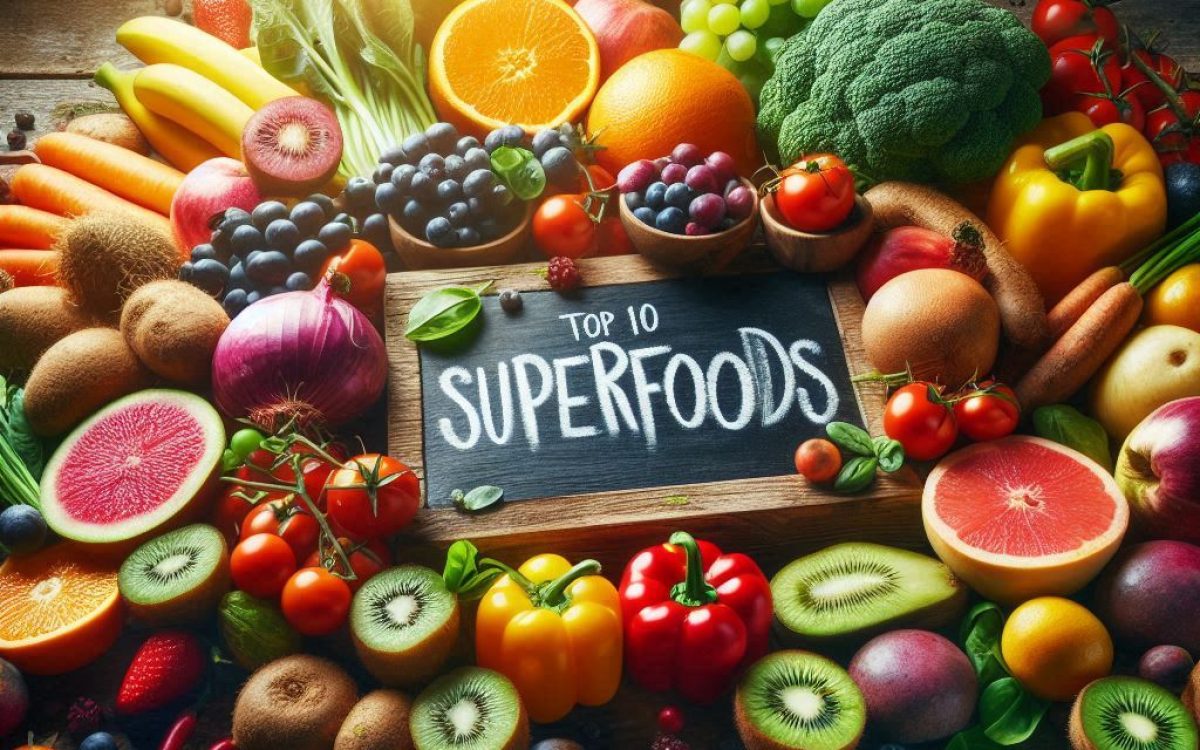
In a world where chronic diseases are increasing and awareness of a healthy lifestyle is growing, food has become more than just a way to satisfy hunger. Many people interested in nutrition today are looking for foods that do not only provide energy, but also support the body, protect it, and help it perform its functions in the best possible way. Here appears the concept of superfoods — foods that are characterized by a high nutritional density compared to their calorie content.
Talking about superfoods does not mean searching for a magical food, but rather smart choices that can make a real difference in the long term when included in a balanced diet. These foods are rich in antioxidants, vitamins, minerals, and fiber, which play a key role in supporting immunity, improving digestion, protecting the heart, and maintaining brain health.
In the following lines, we review together the top 10 superfoods that can be a valuable addition for anyone who cares about their health and nutrition.
What Are Superfoods?
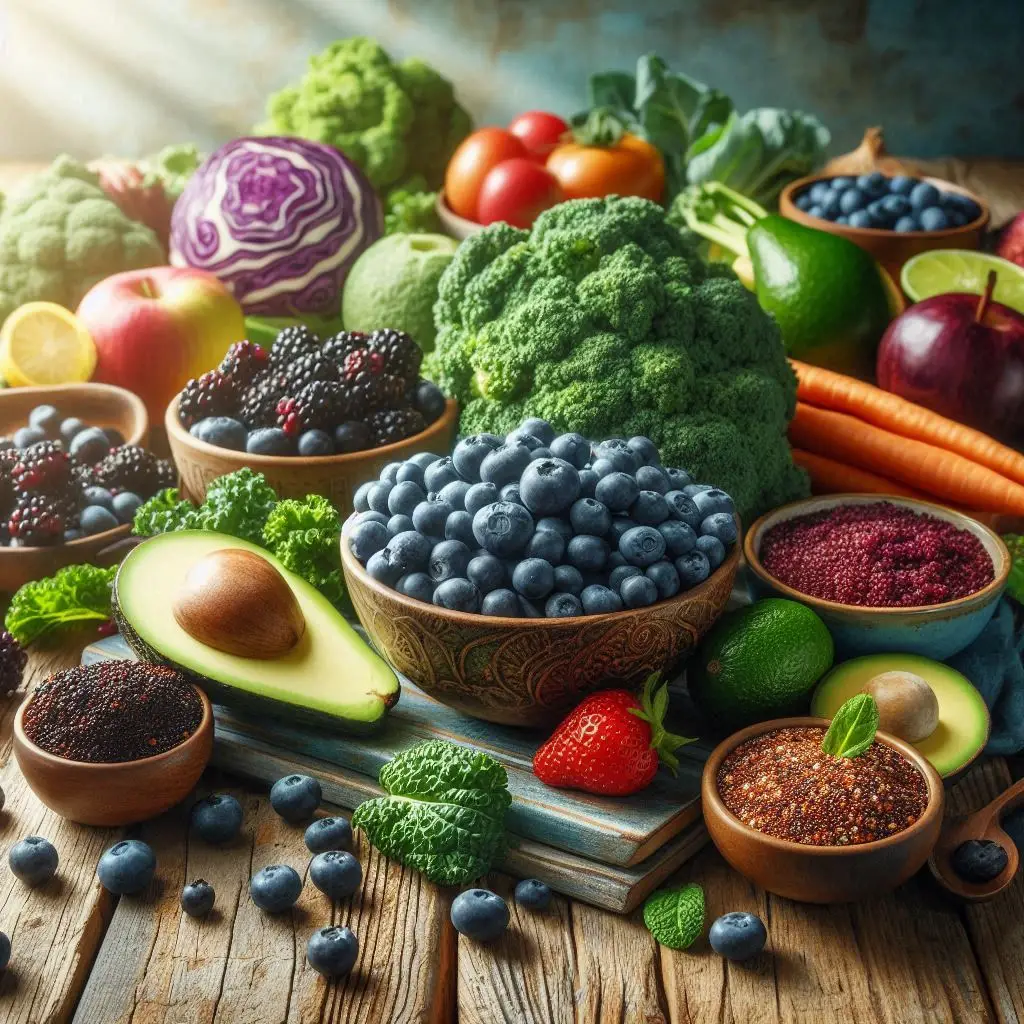
Food can be classified by health experts as a “superfood” if it achieves the following:
It provides a major health benefit, such as reducing the risk of heart disease or improving the immune system.
It contains more than one important nutrient, such as calcium and vitamin D.
Top 10 Superfoods You Should Include in Your Diet:
1. Blueberries – A Superfood Packed with Antioxidants:
Blueberries may be small, but they deliver impressive nutritional value. They contain antioxidants and phytochemicals that help protect the body from disease. They also provide vitamin C, vitamin K, and manganese.
Many people enjoy blueberries because they taste great and fit easily into daily meals. You can add them to salads, baked goods, or smoothies. They also make a healthy snack on their own.

2. Sweet Potatoes:
Baked or mashed sweet potatoes are a wonderful addition that enhances the appearance of any dish. Sweet potatoes are distinguished by their dark orange-yellow color, which means they are rich in antioxidants known as carotenoids. Beta-carotene is one of the most studied antioxidants. It contains a substance the body can use to produce vitamin A, helping cells resist daily wear and tear.
Sweet potatoes are also a source of potassium and vitamin A, and they provide some B vitamins. Like many vegetables, they are a good source of fiber and relatively low in calories, as half of a large sweet potato contains only 81 calories.
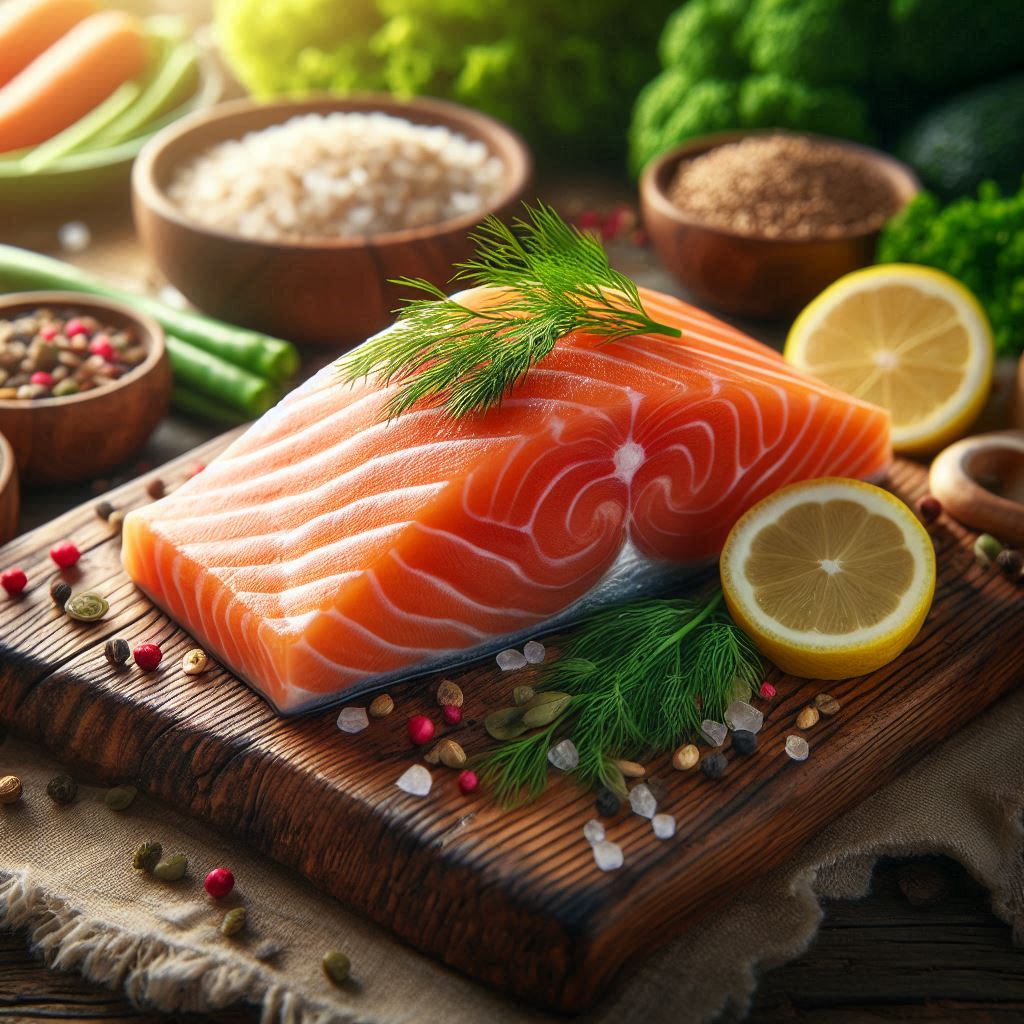
3. Salmon – A Superfood for Brain and Heart Health:
Studies indicate that there are many benefits to eating fish, especially those that contain omega-3 fatty acids such as salmon, which help keep the brain in its best condition. Research results confirm that eating fish is associated with a 20% lower risk of Alzheimer’s disease. Eating seafood also makes a person less likely to suffer from depression.
4. Almonds:
Almonds are among the most nutrient-rich nuts. They are one of the best non-dairy sources of calcium, providing more calcium than any other type of nut. They are also rich in vitamin E and protein.
You can enjoy these nuts as a delicious snack or try roasting them for a warm treat on a cold day.
Just remember that almonds are high in calories, so be sure to watch your portion size — it is definitely possible to overeat a good thing.
5. Leafy Greens:
Leafy greens, especially dark ones, are a good source of vitamin A, vitamin C, and calcium, in addition to many phytochemicals, which are plant-produced chemicals. They are also rich in fiber.
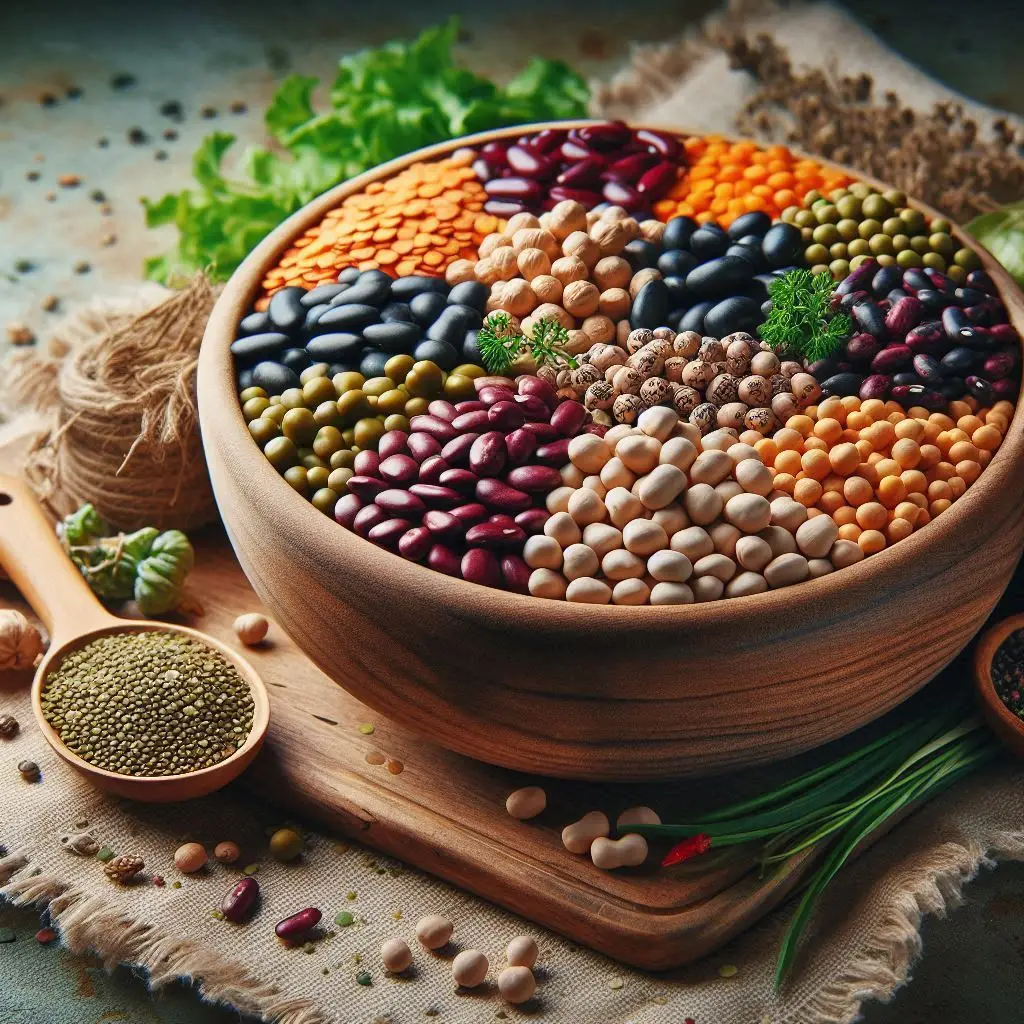
6. Legumes:
Adding legumes to any meal is beneficial, as they are considered both a type of vegetable and a source of protein. Each type has its own set of nutrients, but all of them are low-fat sources of protein and fiber. Legumes also enhance the diet with thiamine, magnesium, iron, zinc, folate, phosphorus, and potassium.
With so many options and varieties, it is hard to find a meal without legumes.
7. Chia Seeds:
Chia seeds are small in size but high in nutritional value. They contain high amounts of fiber, omega-3, and plant protein, making them beneficial for both digestive and heart health.
Their ability to absorb liquids gives a feeling of fullness, which makes them popular among many people who care about managing their weight in a healthy way.
8. Greek Yogurt:
Greek yogurt is distinguished by a higher protein content compared to regular yogurt, in addition to containing probiotics that support gut health and improve digestion.
Digestive health is considered the foundation of overall body health, which is why Greek yogurt is viewed as one of the superfoods that support this vital aspect.

9. Avocado – Healthy Fat Superfood for Weight Management:
A popular superfood because it contains unsaturated fatty acids. It has high nutritional value, including dietary fiber, vitamins, minerals, and oleic acid, which is one of the good fats. It helps reduce inflammation, increase good fats, and reduce fat accumulated in the liver. It helps you feel full easily after eating. It helps with weight loss, reduces insulin secretion, and lowers the risk of heart disease.
10. Olive Oil:
Olive oil is considered a good source of vitamin E, polyphenols, and monounsaturated fatty acids, all of which help reduce the risk of heart disease.
How Can These Foods Be Used Practically?
The great thing about these foods is that they do not require a strict diet or radical changes. They can be gradually included in daily meals, whether at breakfast, lunch, or dinner. Over time, healthy choices become a lifestyle rather than a temporary commitment.
The most important thing is variety, because each food provides a different set of nutrients that complement each other.
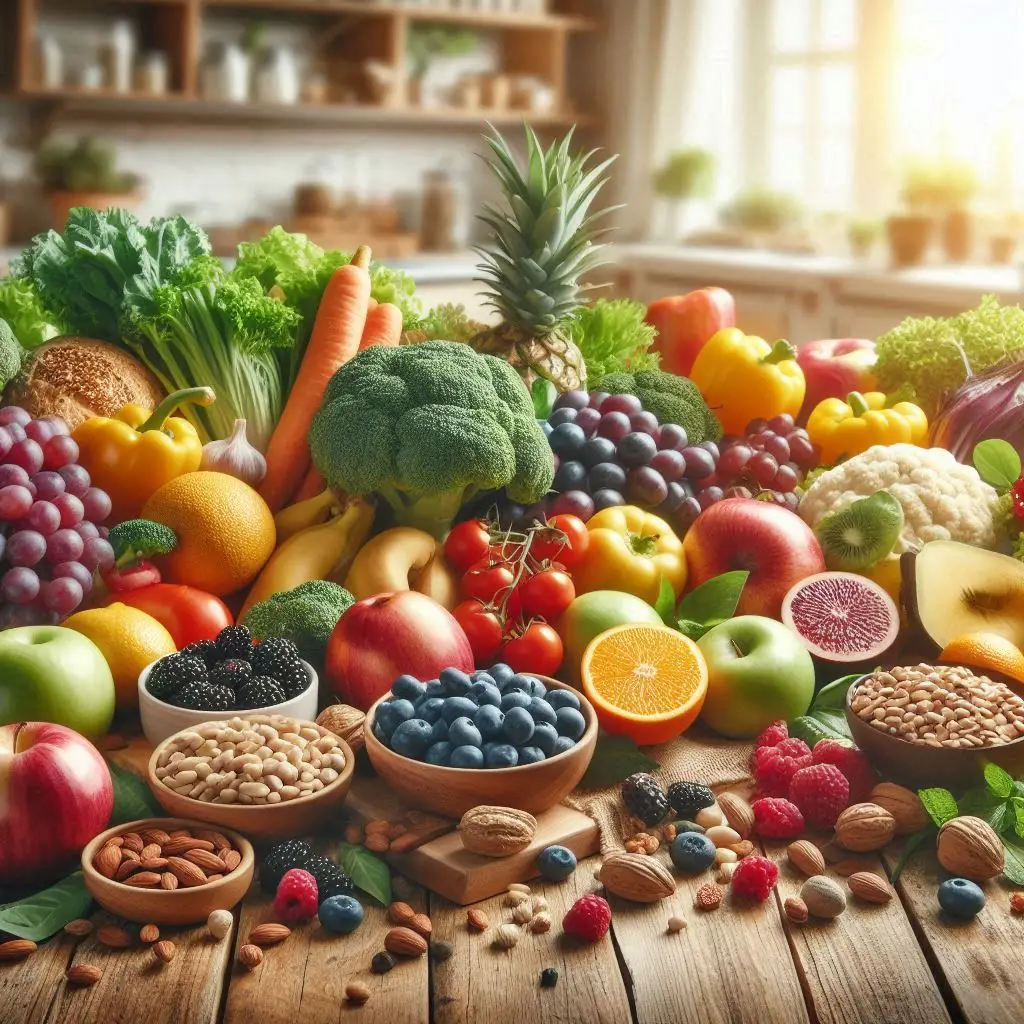
Superfoods are not a nutritional luxury, but a real investment in health. Including berries, leafy greens, avocado, fatty fish, nuts, chia seeds, Greek yogurt, and quinoa in the diet opens the door to a more balanced and conscious lifestyle.
And through Nutrition Travels, nutritional information becomes closer and clearer for everyone who cares about their health and lifestyle. The platform does not only present nutritional facts, but also seeks to deliver knowledge in a simple and practical way that helps readers make informed decisions that suit their daily needs.