

With the arrival of spring, many people feel the desire to renew their daily lives, starting from their homes and extending to their eating habits. One of the best ways to enhance both physical and mental health is by cleaning your pantry and reconsidering the foods you store. The items in kitchen cabinets are not just products; they shape our daily dietary lifestyle and directly influence overall health.
Many people may be surprised to realize that a large portion of the foods in their pantry contain high levels of sugar, saturated fats, or preservatives, which can negatively affect energy, mood, and concentration. On the other hand, having healthy food options available makes it easier to follow a balanced diet and prepare nutritious meals at any time.

The Importance of Cleaning Your Pantry:
Cleaning the pantry does not simply mean getting rid of expired food; it is an opportunity to reassess dietary habits. People who care about nutrition see this process as a practical way to improve their health. For example, removing sugary snacks or sodium-rich canned foods creates space for natural foods rich in essential nutrients.
In addition, organizing the pantry in a smart way helps reduce food waste, which is beneficial both financially and environmentally. Fresh ingredients can be stored in ways that preserve their nutritional value for longer periods, such as keeping whole grains in airtight containers or storing root vegetables in a cool, dry place.
Practical Steps for Cleaning Your Pantry Effectively:
The first step for most nutrition-conscious individuals is to review everything in the pantry. This can begin by checking expiration dates, then sorting foods into two groups: safe and healthy foods that can be used, and foods that contain undesirable ingredients or are expired.
As for foods that are still within their expiration dates but high in sugar or saturated fats, it is better to consider replacing them with healthier alternatives. For example, replacing fried potato chips with whole-grain snacks provides greater nutritional value without sacrificing the enjoyment of a light snack.

Choosing Healthy Alternatives for Your Pantry:
After removing unhealthy foods, the next step is adding healthier options. Focusing on natural and fresh ingredients can make a significant difference in daily diet quality. Useful alternatives include:
1. Whole grains: Whole wheat bread, brown rice, whole wheat pasta, oats, barley, wheat bran.
2. Fruits: Apples (especially with the peel), berries, citrus fruits, pears, bananas, strawberries.
3. Vegetables: Carrots, sweet potatoes, broccoli, lettuce, zucchini, cabbage, peas, green beans.
4. Legumes: Lentils, beans of all kinds (black, white), chickpeas, peas.
5. Nuts and seeds: Chia seeds, flax seeds, almonds, walnuts.
Organizing these foods properly makes them easy to use at any time, increasing the chances of maintaining healthy eating habits without effort.
Tips for Maintaining a Clean Pantry All Year Round:
1. Choosing long-shelf-life foods:
It is preferable to rely on foods that maintain their quality for long periods, such as canned, frozen, and dried foods, which helps reduce waste and ensures food availability when needed.
2. Diversifying pantry contents:
Storing a variety of foods helps meet different nutritional needs by combining grains, canned proteins, and dried fruits and vegetables, achieving better nutritional balance.
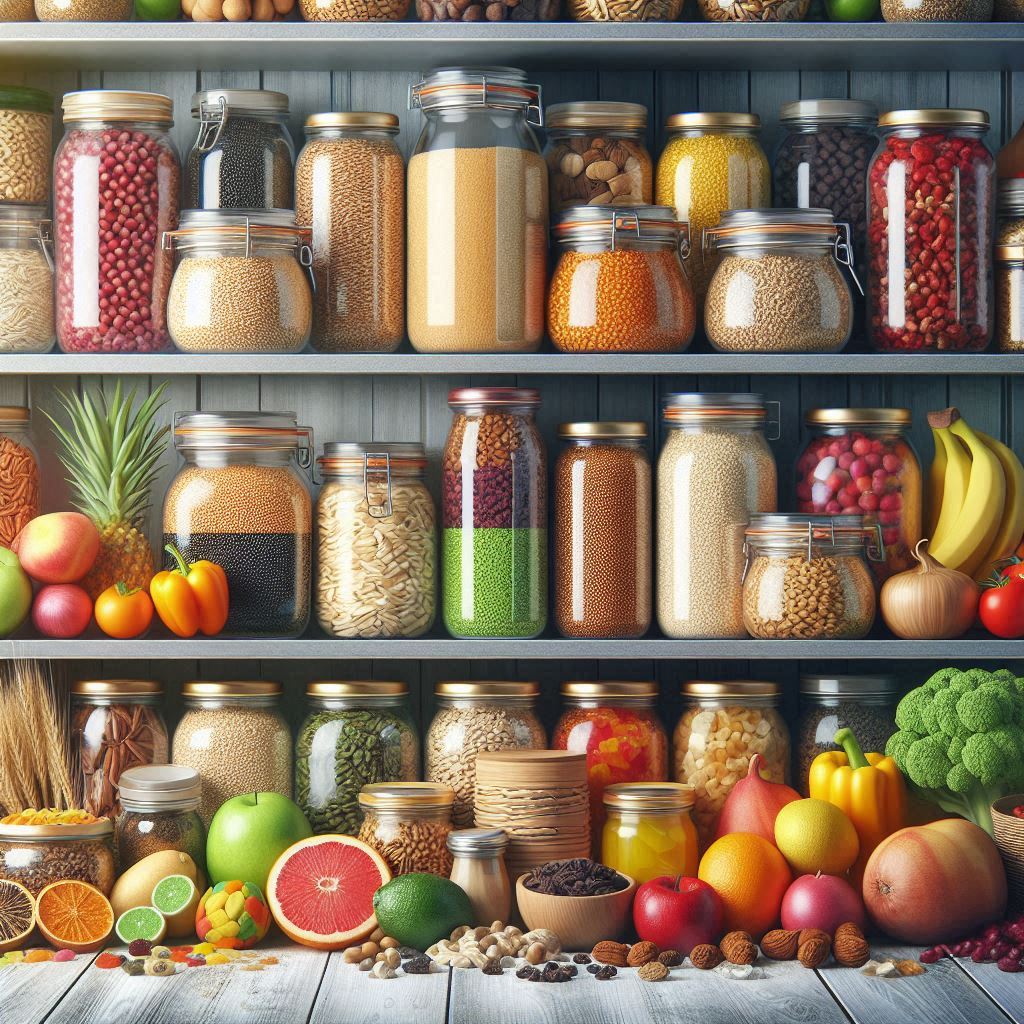
3. Using suitable storage containers:
Using airtight containers made from safe materials reduces contamination and preserves food quality and flavor for longer.
4. Maintaining clean storage tools:
Keeping bags and containers clean enhances food safety and reduces the risk of spoilage or unwanted odors.
5. Creating the ideal storage environment:
Storing food in cool, dry places helps extend shelf life and preserve nutritional properties.
6. Planning quantities in advance:
Determining stored quantities based on actual consumption and family needs helps organize the pantry and avoid unnecessary overcrowding.
7. Regular pantry checks:
Checking stored food regularly helps detect any quality changes early and replace old products with fresh ones to ensure safe consumption.

Cleaning your pantry in spring is not just a routine household activity; it is a conscious step toward improving overall health and quality of life. For those who care about nutrition, this process provides an opportunity to reorganize eating habits, reduce reliance on low-nutritional-value foods, and increase the presence of nutrient-rich options in daily life. Every choice made in the kitchen gradually reflects on energy levels, mental clarity, and mood, making pantry care a true investment in long-term health.
At Nutrition Travels, we provide reliable educational content that helps readers understand the foundations of healthy nutrition and apply them in a practical way that suits everyday lifestyles.