

Gluten sensitivity has become increasingly common in recent years, whether due to a medical diagnosis of conditions like Celiac Disease or just a personal intolerance to this protein found in wheat, barley, and other foods. For those interested in nutrition, they understand that following a gluten-free diet can have a direct impact on improving digestion, daily energy, and overall body health, yet many find it difficult to know where to start or how to balance their diet healthily.
What is Gluten Sensitivity?
Gluten sensitivity is defined as the body’s inability to digest or break down gluten, a protein mainly found in grains such as wheat and barley, as well as in other foods. Gluten sensitivity represents one of the common disorders that have numerous symptoms that can resemble other diseases like Celiac Disease.
The degrees of gluten sensitivity range from mild, unrelated to Celiac Disease, to severe levels of gluten sensitivity, which are associated with more pronounced discomfort.
Benefits of a Gluten-Free Diet for Gluten Sensitivity:
Following a gluten-free diet does not only relieve discomfort but can also provide several benefits, especially for those interested in nutrition and health:
1. Improved digestion: Eliminating gluten reduces bloating and cramps in sensitive individuals.
2. Increased energy levels: Some people find they feel more energetic after removing gluten from their diet.
3. Support for mental health: There are links between reducing gluten and improved mood and reduced anxiety in some people.
4. Improved nutrient absorption: Especially for those with Celiac Disease, a gluten-free diet helps heal the intestines and improves the absorption of vitamins and minerals.

How to Start a Gluten-Free Diet:
Switching to a gluten-free diet requires some planning to avoid deficiencies in essential nutrients, particularly for those interested in balanced nutrition:
1. Identifying Hidden Gluten Sources:
Gluten is not only found in bread and pasta but can also be present in:
1. Ready-made sauces and seasonings (such as soy sauce or pre-made broths).
2. Some processed meat products (like sausages or smoked meats).
3. Some dietary supplements or medications that contain wheat fillers.
2. Reading Labels for Gluten Sensitivity:
Reading packaged food labels carefully is an essential part of successfully following a gluten-free diet. This includes checking for “Gluten-Free” claims on packaging as well as the product ingredient list. Since ingredients may change at any time, it is important to read labels every time you shop.
3. Handling Restaurants and Ready-Made Meals:
Eating out can be challenging. Practical tips include:
1. Asking about the ingredients of dishes before ordering.
2. Choosing restaurants that provide gluten-free menu options.
3. Avoiding unknown sauces or appetizers.
4. Planning Balanced Gluten-Free Meals:
When removing wheat and traditional products, fiber, vitamins, and some minerals intake may decrease. Therefore, it is important to:
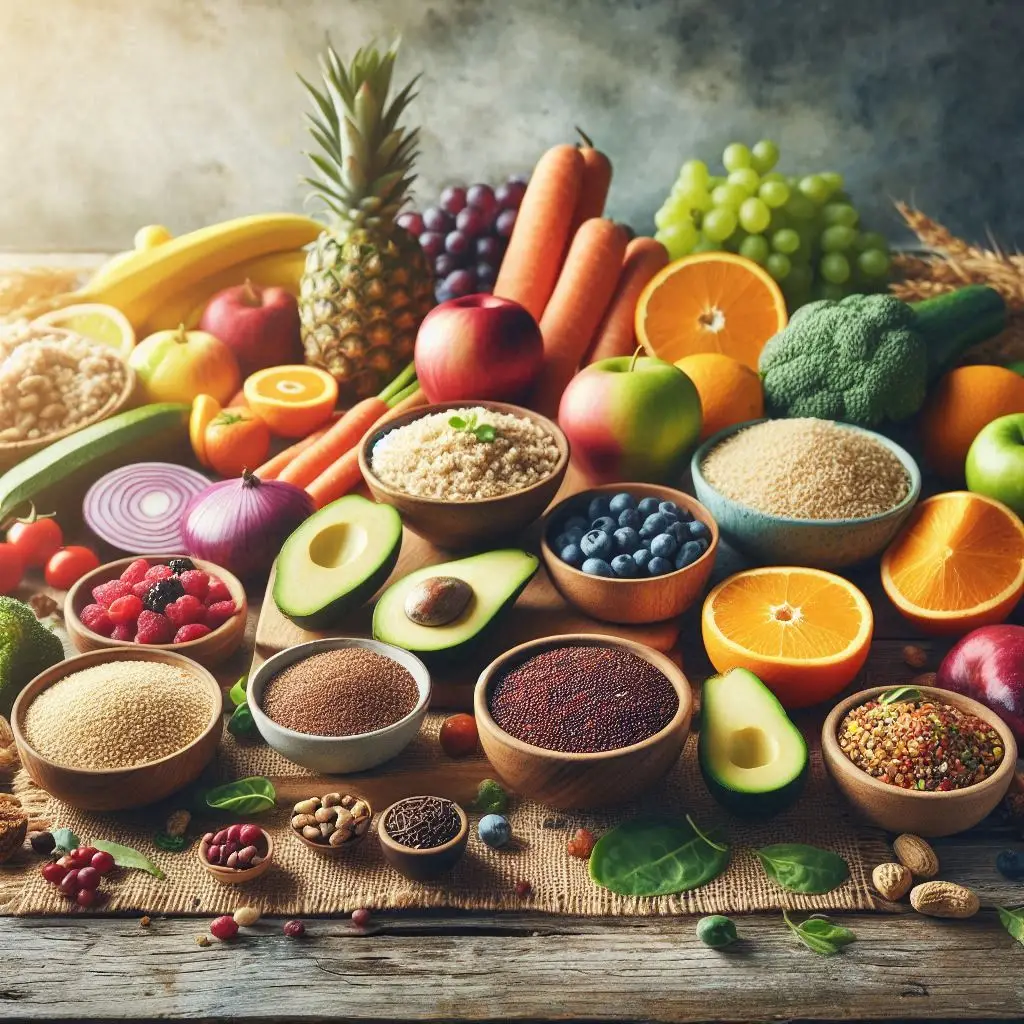
1. Include whole grains that are naturally gluten-free.
2. Eat a variety of fruits and vegetables daily.
3. Focus on good sources of protein.

Misconceptions About the Gluten-Free Diet:
There are some misconceptions that may confuse those interested in nutrition:
1. Gluten-free does not always mean healthy: Some gluten-free products may be high in sugar or fat.
2. Not everyone needs a gluten-free diet: People who are not sensitive to gluten have no medical reason to eliminate it and may miss some nutrients if the diet is not planned correctly.
3. Oats need attention: Only certified gluten-free oats should be used, as regular oats are often contaminated with wheat.
Supporting Overall Health on a Gluten-Free Diet:
For those interested in nutrition, a gluten-free diet can be an opportunity to improve general eating habits:
1. Focus on fresh foods and natural sources.
2. Avoid processed foods.
3. Increase fiber and vitamin intake through gluten-free grains, fruits, and vegetables.

Managing gluten sensitivity requires a precise understanding of different food sources and awareness of healthy choices when switching to a gluten-free diet. For those interested in nutrition, following a balanced meal plan provides opportunities to improve digestion, energy levels, and overall health while maintaining the enjoyment of eating. Transitioning to a gluten-free diet is not just about removing some ingredients; it is an opportunity to rethink your food choices and focus on natural and diverse foods that support your long-term health.
At our website, Nutrition Travels, you will find all the information and tips to help you follow a healthy and balanced gluten-free diet.