

MCT oil has emerged as a popular nutritional tool among athletes seeking alternative energy sources beyond traditional carbohydrates. For decades, carbohydrates have been considered the primary fuel for athletes, especially in high-intensity sports. Energy gels, carb-loading strategies, and sports drinks all revolve around one central idea: quick glucose availability for performance.
However, modern nutrition science has begun to explore another powerful energy pathway—fat metabolism. Among the different types of fats, medium-chain triglycerides (MCTs) stand out because of their unique structure and rapid conversion into energy.
This shift in perspective is reshaping how athletes approach fuel, endurance, and even mental performance. Instead of relying solely on carbohydrates, many are now integrating MCT oil as a clean, efficient, and fast-acting energy source.

What Is MCT Oil and How Does It Work?
MCTs are a type of fat composed of medium-length fatty acid chains, making them metabolically different from the long-chain triglycerides (LCTs) found in most dietary fats.
Key Features:
- Faster digestion compared to regular fats
- Direct absorption into the liver
- Quick conversion into energy or ketones
- Reduced likelihood of fat storage
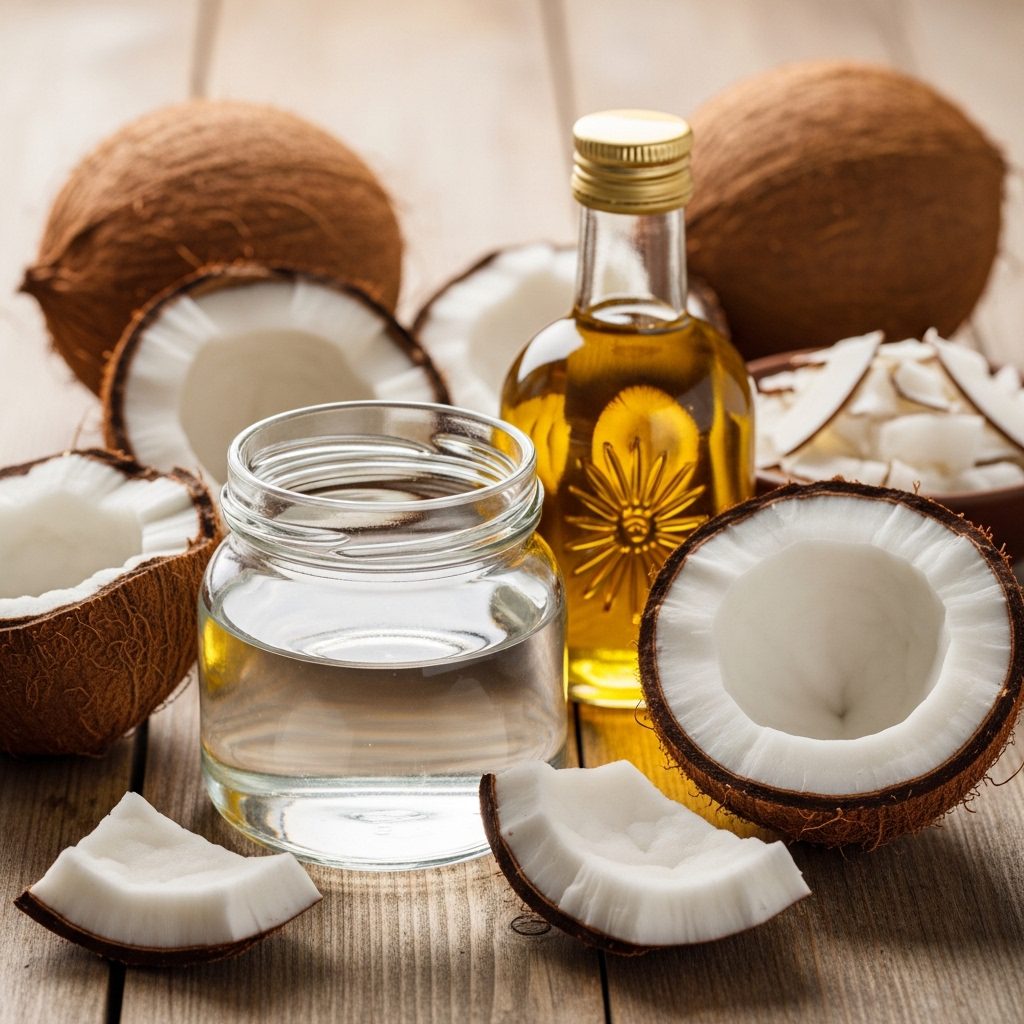
Common sources include coconut oil, palm kernel oil, and concentrated MCT oil supplements, with the latter being the most potent and easily usable form.
How MCT Oil Provides Rapid Energy for Athletes:
What makes MCTs particularly valuable is their ability to bypass the typical fat digestion process. Instead of being stored or slowly broken down, they follow a much faster metabolic route.
The Process Explained:
- MCTs are rapidly absorbed in the small intestine
- They travel directly to the liver through the portal vein
- In the liver, they are converted into ketones or used for immediate energy
This makes them especially useful during times when the body needs quick, sustained energy without relying entirely on glucose.
MCT Oil and Athletic Performance:
1- Sustained Energy Without Crashes:
Unlike carbohydrates, which can lead to spikes and drops in blood sugar, MCTs provide a more stable energy supply. This helps athletes avoid sudden fatigue or “energy crashes” during training or competition.
2- Enhanced Endurance:
By using fat as a fuel source, the body can preserve glycogen stores for longer. This is especially beneficial in endurance sports like running, cycling, or long training sessions.
3- Improved Mental Focus:
Ketones produced from MCTs can serve as an alternative fuel for the brain. This can support concentration, reaction time, and decision-making—critical factors in competitive sports.
4- Faster Energy Availability:
Because MCTs are quickly metabolized, they provide a near-immediate source of energy. This makes them useful before workouts or during extended physical activity.
Energy Metabolism and Performance Adaptation:
The human body is capable of adapting to different fuel sources. When MCTs are regularly consumed, the body becomes more efficient at utilizing fat for energy.
This metabolic flexibility allows athletes to switch between carbohydrates and fats depending on intensity levels. While carbohydrates dominate high-intensity bursts, fats can power steady, prolonged effort.

MCT Oil in Different Training Scenarios:
1- MCT Oil for Endurance Training:
For long-distance athletes, MCTs can help maintain energy levels over extended periods. They reduce reliance on frequent carbohydrate intake and may help delay fatigue.
2- Strength and Resistance Training:
While carbohydrates are still important for explosive power, MCTs can support overall energy availability and mental focus during training sessions.
3- Low-Carb or Ketogenic Diets:
Athletes following low-carb diets often rely on MCTs to maintain energy levels and avoid performance drops due to reduced glycogen availability.
How to Use MCT Oil Effectively:
1- Start Gradually:
Begin with small amounts to assess tolerance. Increasing intake too quickly may lead to digestive discomfort.
2- Pre-Workout Use:
Consuming MCT oil before exercise can provide a steady energy supply without heaviness.
3- Combine with Other Nutrients:
MCTs work best when paired with balanced meals that include protein and some carbohydrates, depending on training needs.
4- Monitor Your Body’s Response:
Each individual responds differently. Pay attention to energy levels, digestion, and performance to adjust usage accordingly.
5- MCT Oil Limitations Athletes Should Know:
While MCT oil offers several advantages, it is not a complete replacement for carbohydrates or other nutrients.
6- High-Intensity Performance:
Short, explosive activities still rely heavily on glycogen. MCTs may not fully meet these energy demands.
7- Digestive Sensitivity:
Some individuals may experience bloating or discomfort if they consume too much too quickly.
8- Not a Magic Solution:
Optimal performance still depends on overall diet quality, training, hydration, and recovery.

Common Misconceptions:
“Fat slows you down”:
In reality, certain fats like MCTs can enhance energy availability when used correctly.
“More MCT oil equals better performance”:
Excessive intake does not improve results and may cause discomfort. Balance is key.
“It replaces carbohydrates completely”:
MCTs are a supplement to a well-rounded diet, not a full replacement for carbs in athletic nutrition.
Practical Tips for Athletes:
- Use MCT oil as part of a broader nutrition strategy
- Stay hydrated to support digestion and energy metabolism
- Combine with adequate protein for recovery
- Experiment during training, not competition, to find the right balance
- Focus on consistency rather than large, infrequent doses

MCT oil represents a powerful and efficient way to tap into fat as a direct energy source. Its ability to provide quick, sustained fuel makes it a valuable tool for athletes seeking to improve endurance, maintain focus, and enhance overall performance.
While it is not a replacement for traditional energy sources like carbohydrates, it offers a strategic advantage when used correctly. By understanding how to incorporate MCTs into a balanced nutrition plan, athletes can unlock greater metabolic flexibility and support both physical and mental performance.
To explore more science-backed nutrition strategies that support energy and performance, visit Nutrition Travels and take your athletic journey to the next level.