

When most people think of Vitamin C, its role in supporting the immune system and fighting colds usually comes to mind. While this benefit is important, recent studies suggest that the impact of this vitamin goes far beyond simply strengthening immune defenses. It plays a fundamental role in collagen synthesis, the most abundant protein in the body, which is considered the foundation of skin, joint, and blood vessel health.

What is Collagen and Why is it Important?
Collagen is a protein that forms the structure of the skin, muscles, and bones. You can think of it as the framework that holds everything together. In fact, collagen fibers make up about 30% of the total protein in the human body.
It also helps keep joints flexible and healthy. As we age, the body’s collagen production begins to decline, leading to wrinkles, weaker joints, and fragile skin. This is where proper nutrition and vitamins like Vitamin C come in to help maintain healthy collagen levels.
How Vitamin C Supports Collagen Synthesis in the Body:
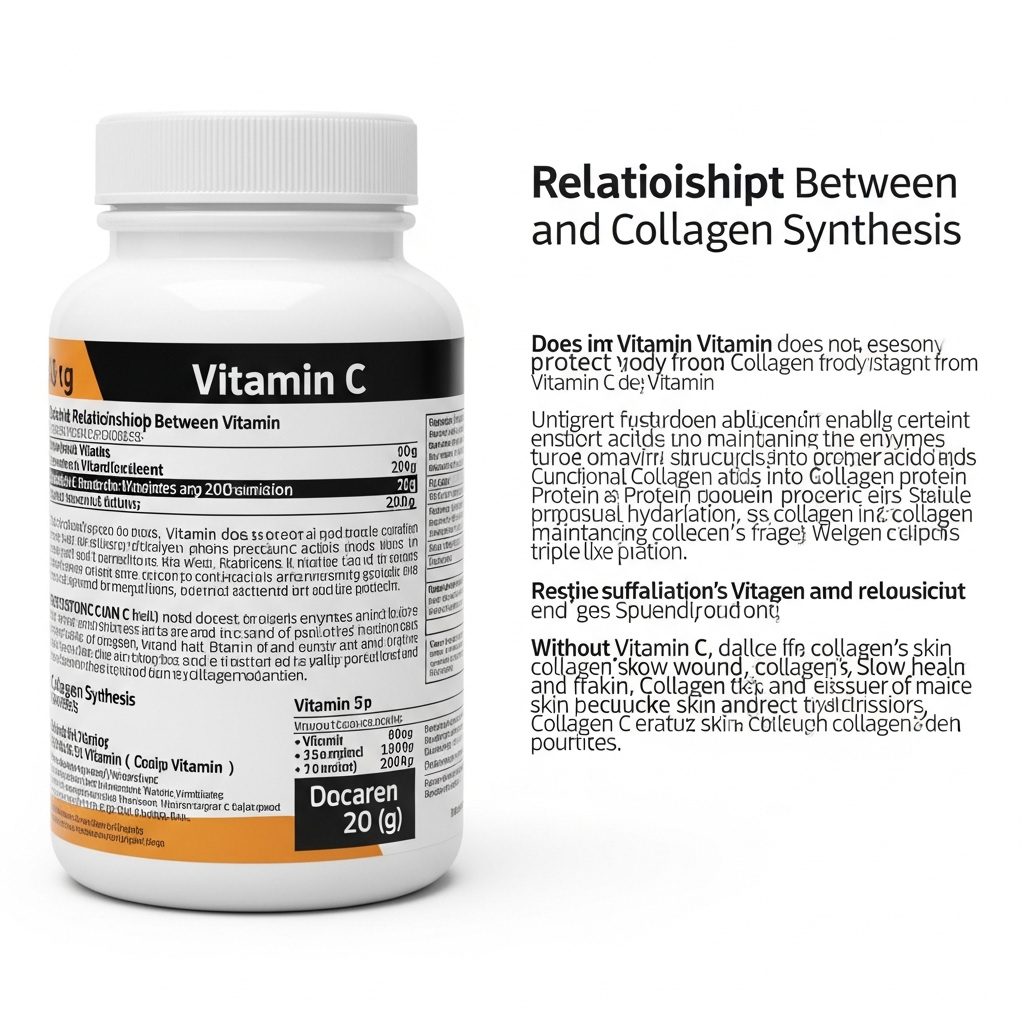
Vitamin C does not only help protect the body from diseases, but it is also an essential element in collagen production. Its role lies in enabling certain enzymes to convert amino acids into functional collagen protein. This process includes protein hydroxylation, a crucial step in maintaining collagen’s triple-helix structure, which gives skin and tissues their strength and elasticity.
Without sufficient Vitamin C, collagen becomes weak and fragile, which can lead to multiple issues such as slow wound healing, thinning skin, and joint pain. Therefore, getting enough Vitamin C daily is directly linked to the health of connective tissues in the body.
Effects of Vitamin C on Skin Health and Collagen Formation:
The skin is one of the organs most affected by collagen. Studies indicate that Vitamin C contributes to improving skin elasticity and overall appearance. People who consume adequate amounts of this vitamin often enjoy brighter and more resilient skin, with a reduction in fine lines.
In addition, Vitamin C plays an important role in protecting the skin from damage caused by ultraviolet rays and pollution.
Vitamin C and Joint & Bone Health:
For those experiencing joint pain or stiffness, combining Vitamin C with collagen may be particularly beneficial. Collagen helps maintain cartilage integrity, while Vitamin C supports the formation and repair of connective tissues. Regular intake of supplements may improve mobility and reduce discomfort.
Research also suggests that individuals who consume sufficient Vitamin C may have a lower risk of developing degenerative joint diseases, such as osteoarthritis. The vitamin helps enhance tissue repair and reduce inflammation associated with joint deterioration.

Dietary Sources of Vitamin C for Collagen Synthesis:
To maintain healthy skin and joints, it is preferable to obtain Vitamin C from natural sources rather than relying solely on supplements. Some of the richest dietary sources include:
1. Citrus fruits: such as oranges, lemons, and grapefruit, which are among the most well-known sources.
2. Other fruits: such as kiwi, strawberries, and mango, which contain high levels of Vitamin C.
3. Vegetables: broccoli, red and green bell peppers, and spinach are excellent sources, along with fiber and other nutrients.
4. Fresh herbs: such as parsley and cilantro, which can be easily added to daily meals.

Recommended Intake:
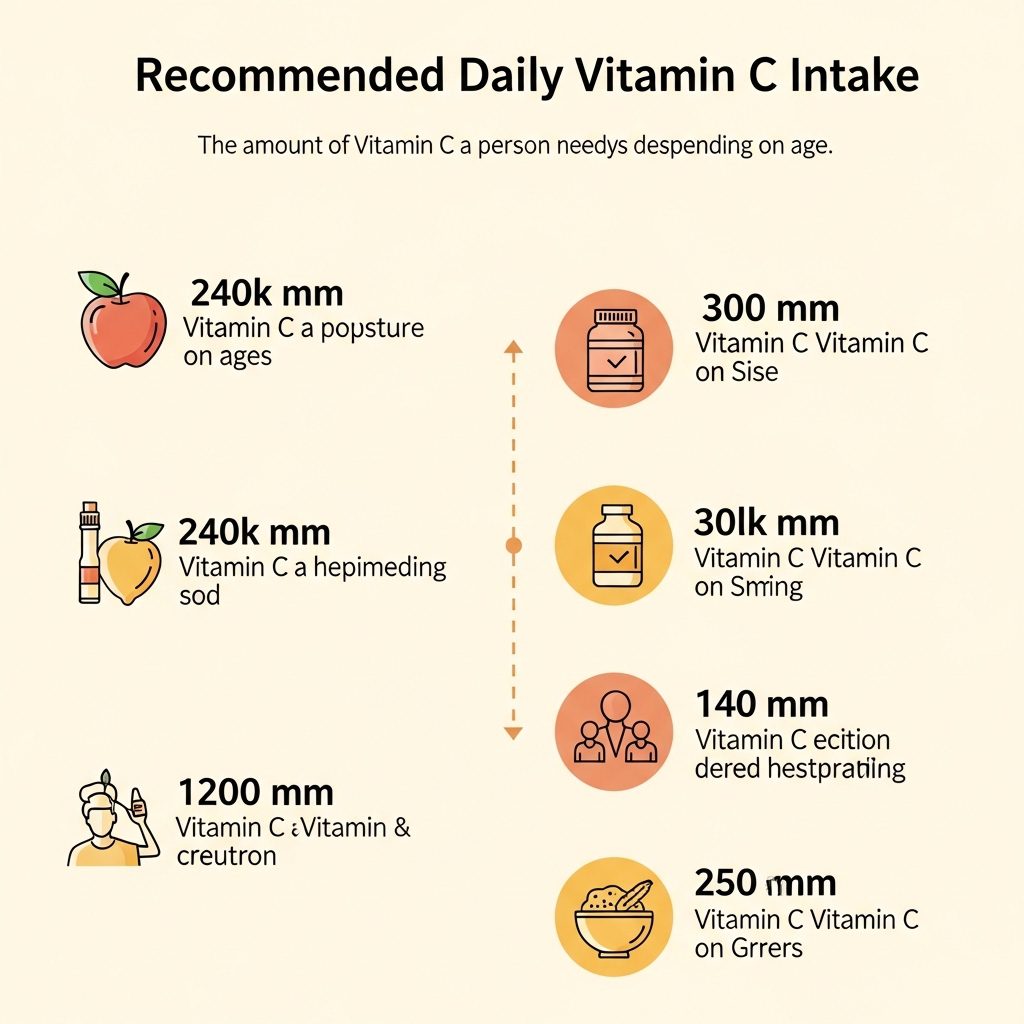
The amount of Vitamin C a person needs varies depending on age, as follows:
- Children aged 1 to 3 years need 15 mg daily.
- Children aged 4 and above need 25 mg.
- Men need 90 mg of Vitamin C daily.
- Women need 75 mg.
- Pregnant women require 85 mg daily.
Vitamin C is not just an immune booster; it is an essential element for skin and joint health and for supporting collagen production in the body. Its effects range from improving skin elasticity and delaying wrinkles to supporting joint and bone health and reducing inflammation. Natural dietary sources of Vitamin C ensure adequate intake of this vital nutrient, while supplements may be used when needed to support overall health or in cases of deficiency.
At Nutrition Travels, this information is presented in a simple and reliable way, helping anyone interested in nutrition gain a deeper understanding of how to support their health through daily choices.