
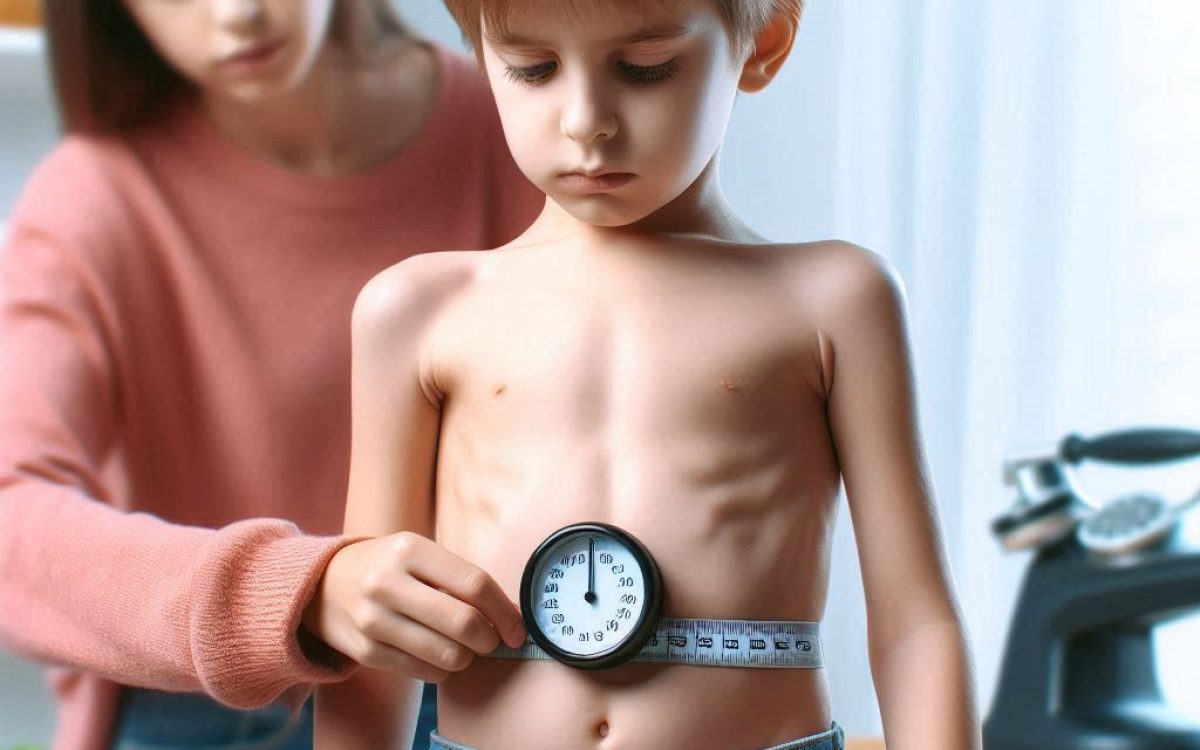
Watching your child struggle with being underweight can be deeply worrying for any parent—especially when it affects their growth, energy levels, or overall well-being. While some kids are naturally slim, noticeable thinness might signal a nutritional gap or an underlying health issue that needs attention and care.
What Causes Underweight in Children?
There are many reasons — some are simply part of their natural growth pattern, while others may point to deeper health or nutrition concerns. Common causes include:
1- Unbalanced nutrition: Not eating meals that provide enough calories and nutrients.
2- Low appetite: Some kids naturally eat less or may avoid food due to emotional factors.
3- High activity levels: Children who are very active may burn more calories than they consume.
4- Digestive or absorption issues: Conditions like lactose intolerance or celiac disease can interfere with nutrient uptake.
5- Emotional stress or anxiety: Changes at home or school can impact eating habits.

Why Is Underweight Dangerous for Children?
Being significantly underweight can have serious short- and long-term effects on your child’s health and development:
1- Weak immunity:
Lack of nutrients weakens the immune system, making the child more prone to frequent illnesses like colds.
2- Delayed physical and mental development:
Malnutrition affects height, muscle building, and brain development, and may lead to concentration and learning difficulties.

3- Persistent fatigue:
Low calorie and energy levels in the body make the child feel tired and exhausted quickly, limiting physical and mental activity.
4- Deficiency of vitamins and minerals:
Such as iron, calcium, zinc, and vitamin D. This may lead to anemia, osteoporosis, and hair loss.
5- Exposure to social problems:
Extreme Underweight and low energy levels may make the child more isolated from other children, since play and activity are essential for developing social and communication skills.
Safe and Natural Ways to Help Your Child Gain Weight
Supporting your child’s weight gain doesn’t require extreme diets or supplements. Here are gentle and effective strategies:
1- Frequent small meals: Offer 5–6 mini-meals daily, each rich in calories and nutrients.
2- Use high-calorie, nutrient-dense foods: Add foods like avocado, peanut butter, cheese, olive oil, and eggs to meals..
3- Boost meal calories naturally: Mix olive oil or nut butter into mashed potatoes or oatmeal.
4- Make mealtime fun and engaging: Let your child eat with the family, and present meals in fun shapes or colorful dishes.
5- Nutritious drinks: Offer smoothies like banana + milk + honey or date + oats + yogurt.
6- With medical advice: Vitamin B-complex or appetite stimulants may be used if recommended by a pediatrician.
7- Flavor with herbs and spices: Mild herbs like cinnamon or thyme can boost appetite naturally.

Underweight isn’t just a matter of appearance—it’s a signal that your child’s body may not be getting what it needs to grow and thrive. The good news? Most cases can be gently and naturally managed through nutritious meals, positive eating habits, and regular monitoring.
Be patient. Small changes make a big difference over time. Always consult your child’s doctor before adding supplements—and focus on creating a positive, joyful relationship with food.
At Nutrition Travels, we’re here to support your journey with trustworthy, science-backed advice for raising healthy, happy children. Follow us to stay updated with tips, recipes, and wellness inspiration tailored to every stage of childhood.