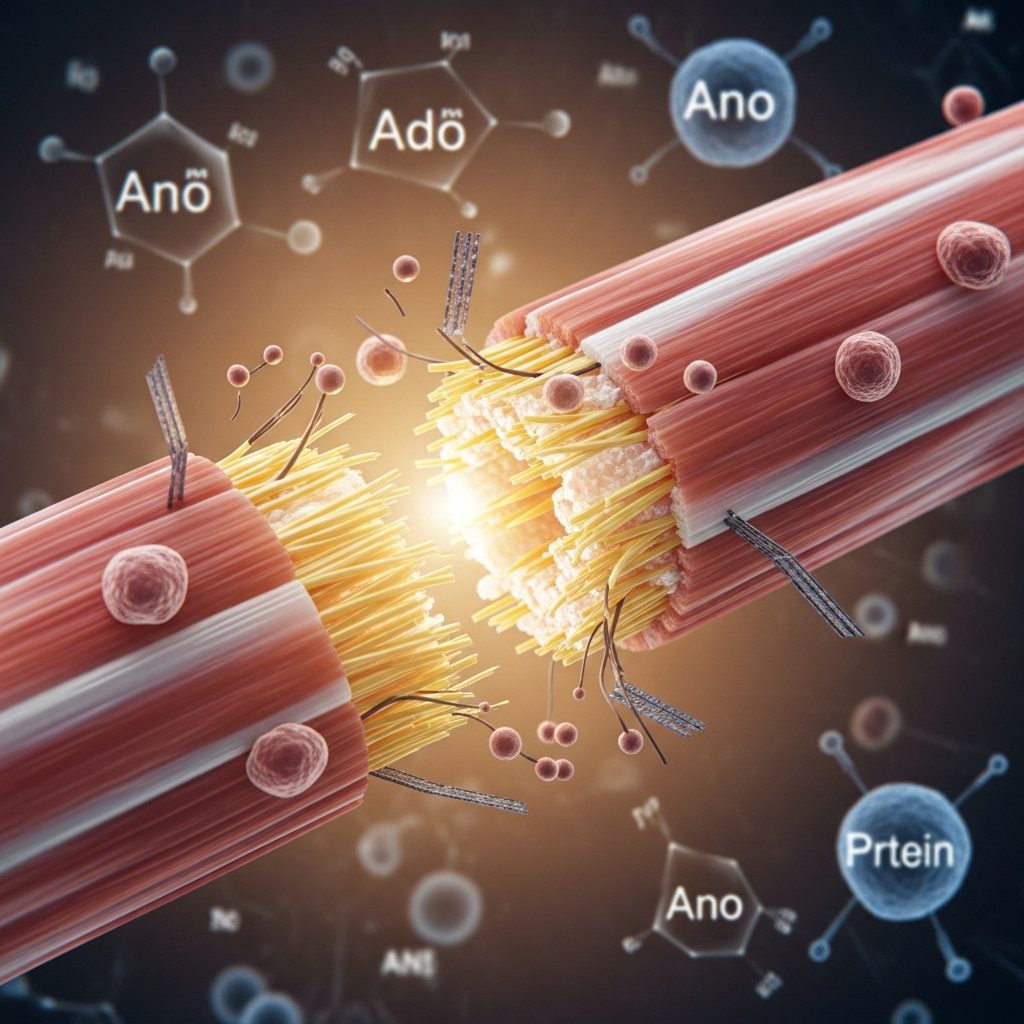
In the world of fitness and nutrition, many people focus on building muscle, increasing strength, or improving athletic performance. However, in the middle of all this focus, a very important aspect is often overlooked: muscle protein breakdown, even though it is an essential part of muscle development.
The truth is that building muscle does not depend only on training or protein intake, but on the balance between two processes:
• Muscle protein synthesis
• Muscle protein breakdown
Understanding this equation helps anyone interested in nutrition or athletic performance improve recovery and achieve better, more sustainable results.
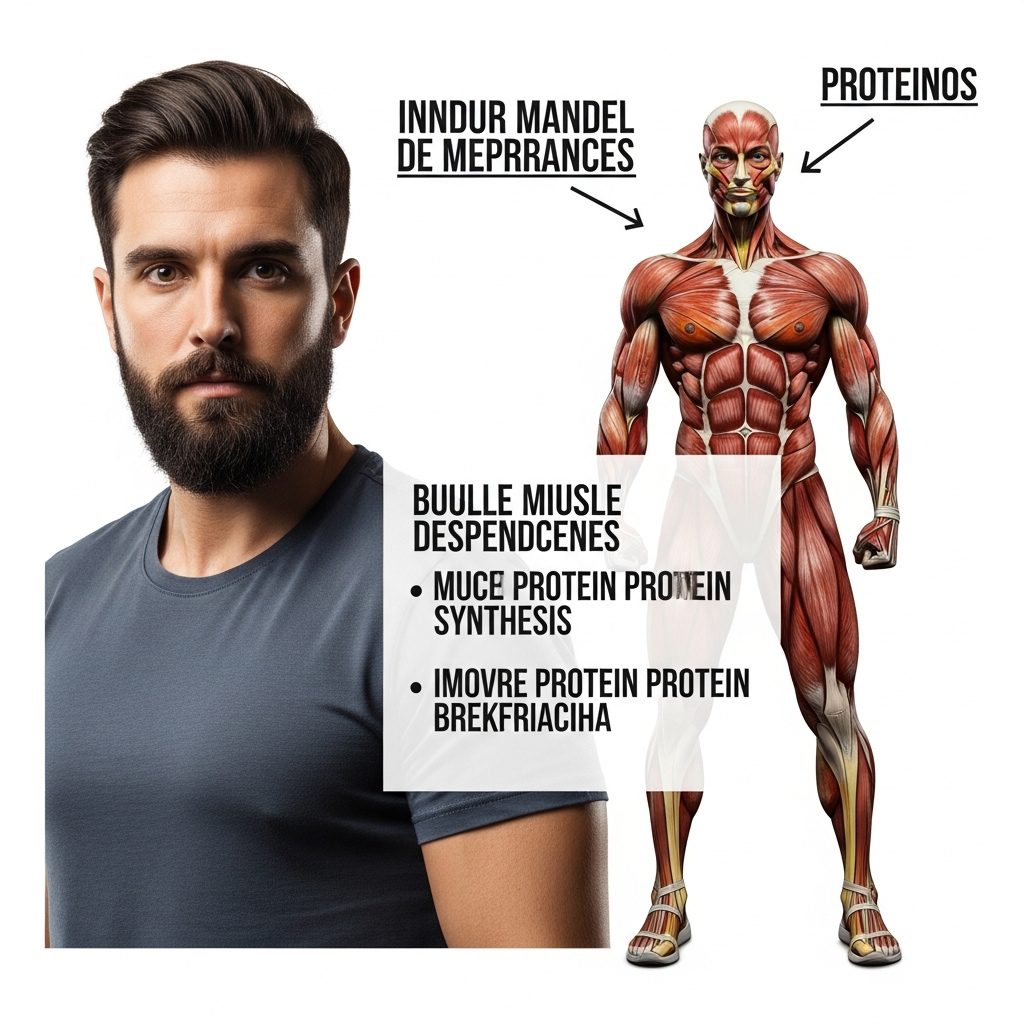
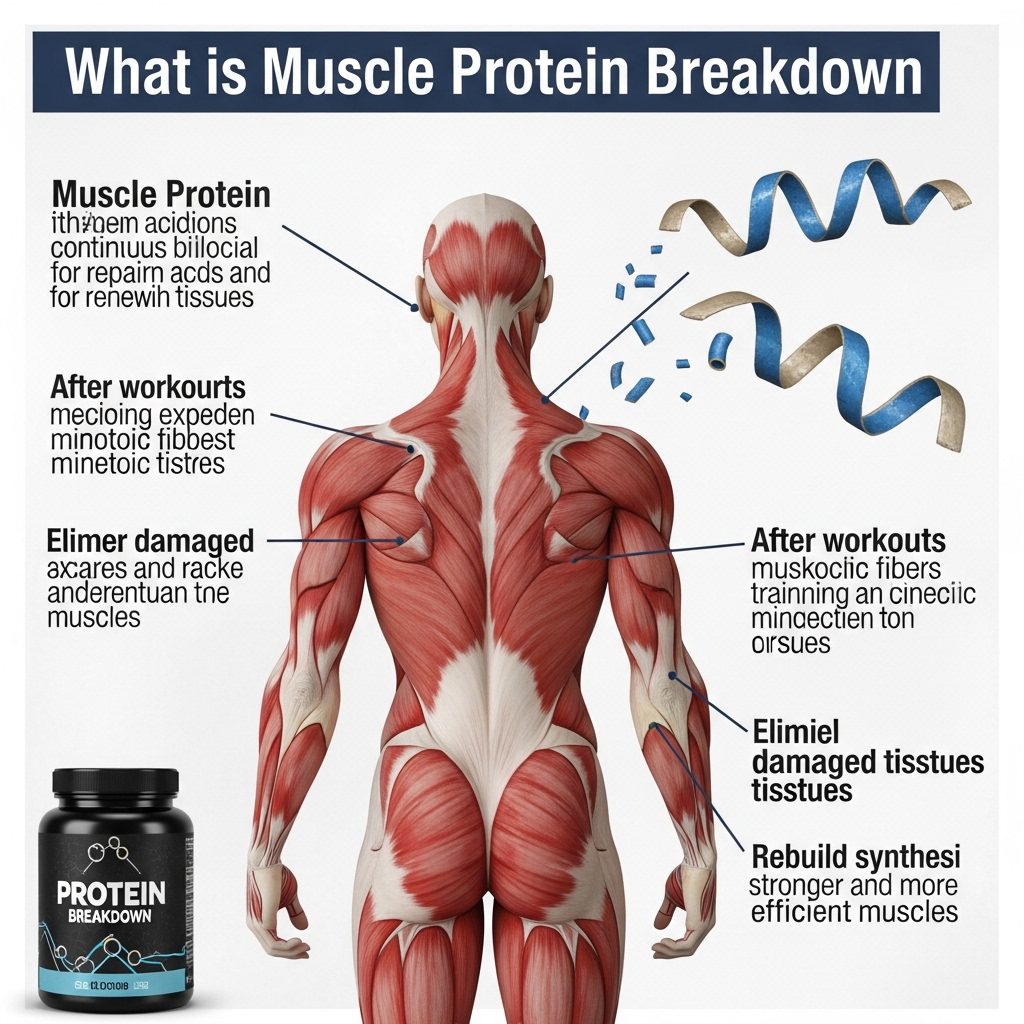
What is Muscle Protein Breakdown?
Muscle protein breakdown is a natural process in which the body breaks down proteins within the muscles into amino acids. This process is not negative as some may think, but rather part of a continuous biological cycle for repairing and renewing tissues.
After workouts, especially resistance training, muscle fibers are exposed to microscopic stress. At this point, the body begins to:
- Eliminate damaged tissues.
- Rebuild stronger and more efficient muscles.
However, if the rate of breakdown exceeds synthesis, problems such as muscle loss or poor recovery may occur.
Why Muscle Protein Breakdown Occurs After Training?
Exercise represents a physiological stress on the body, leading to several changes, including:
1. Muscle Stress:
Heavy loads cause micro-tears in muscle fibers, which stimulates breakdown as the first step of repair.
2. Energy Deficiency:
When there is not enough energy available (especially carbohydrates), the body may use amino acids as a source of energy.
3. Increased Catabolic Hormones:
Such as cortisol, which increases during intense exercise or psychological stress, enhancing protein breakdown.
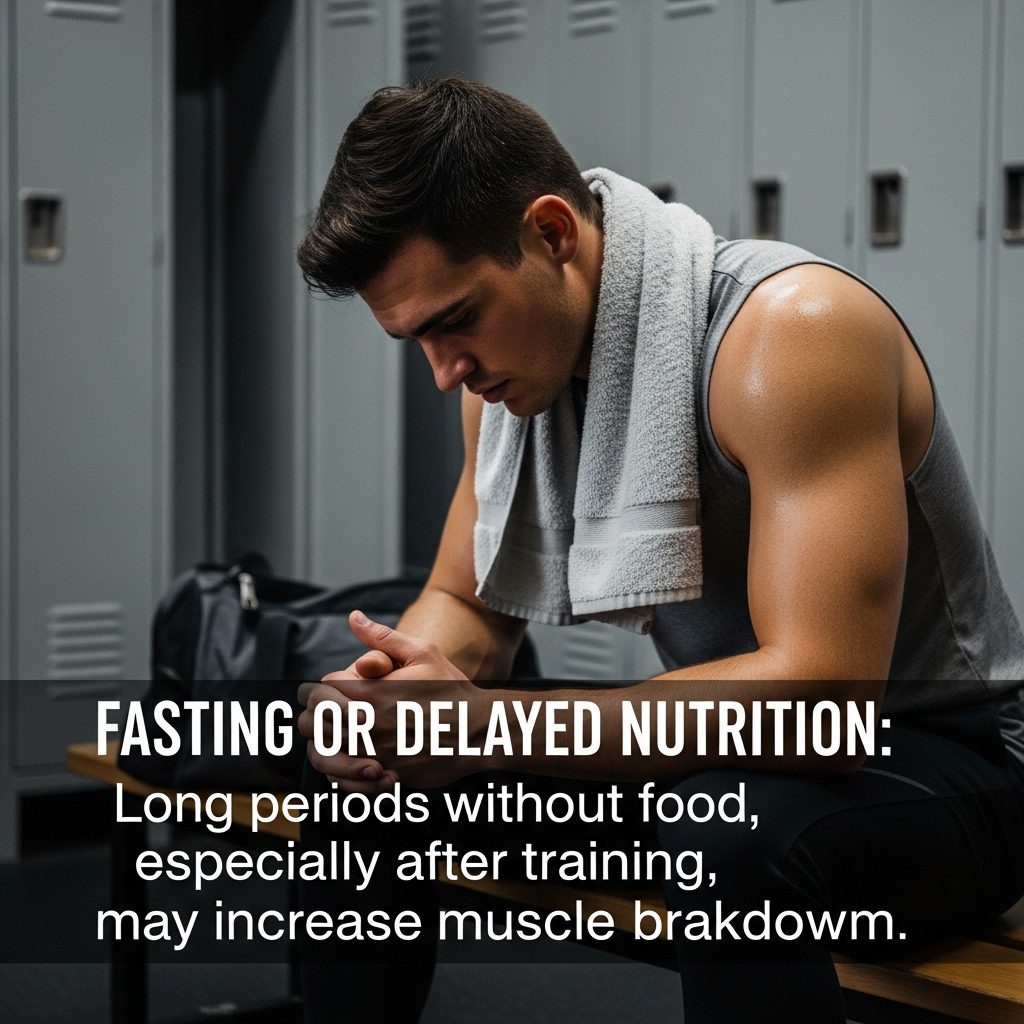
4. Fasting or Delayed Nutrition:
Long periods without food, especially after training, may increase muscle breakdown.
How Can Recovery Be Optimized and Muscle Breakdown Reduced?
People interested in nutrition are often looking for practical ways to improve results. Based on recent research, several effective strategies can help:
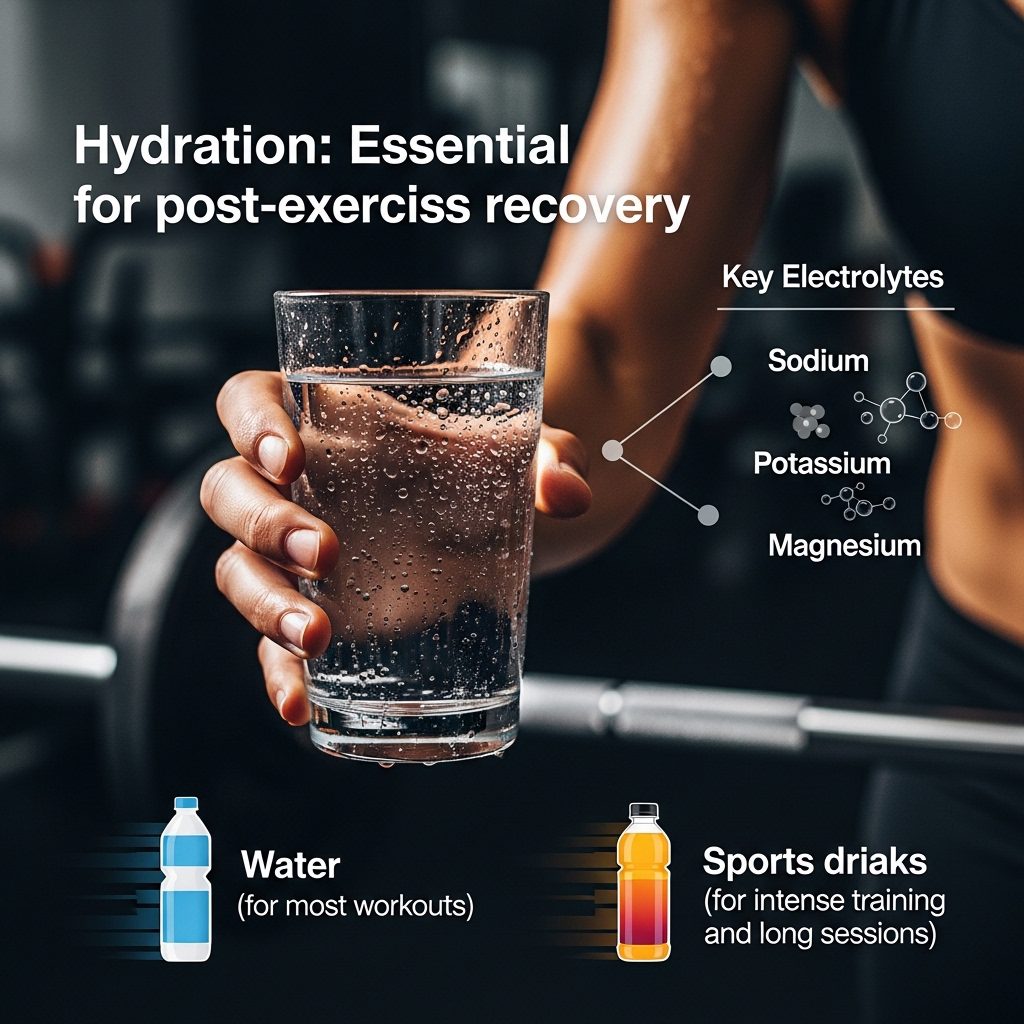
1. Hydration:
Hydration is essential for post-exercise recovery. Water is necessary for transporting nutrients to muscles and maintaining optimal cellular function. During high-intensity exercise, electrolytes such as sodium, potassium, and magnesium are lost through sweat, making their replacement vital.
Best recovery drinks:
- Water (for most workouts).
- Sports drinks (for intense training or long sessions).
2. Nutrition for Muscle Repair:
Nutrition plays a key role in recovery by repairing muscles and replenishing glycogen stores.
1. Protein: Provides essential amino acids needed for muscle protein synthesis.
Recommended dose after exercise: 20–40 grams of high-quality protein
Sources: Whey protein, eggs, lean meats
2. Carbohydrates: Replenish glycogen stores and restore energy
Sources: Oats, brown rice, fruits
3. Healthy fats: Reduce inflammation and support cell regeneration
Sources: Salmon, flaxseeds, walnuts
3. Sleep and Rest:
Sleep is considered the most important recovery tool for athletes. During deep sleep, growth hormone is released, which enhances muscle repair and protein synthesis. Sleep also regulates cortisol levels, reduces fatigue, and improves performance.
Sleep recommendations:
- Adults: 7–9 hours
- Athletes: 8–10 hours

4. Stretching and Mobility Exercises:
Stretching helps improve flexibility, joint range of motion, and blood circulation, which supports recovery.
5. Nutrient Timing Importance:
Post-workout nutrition plays an important role in reducing breakdown and stimulating muscle building.
The post-workout window is not as narrow as once believed, but it is still a sensitive period during which the body needs:
- Fast-digesting protein
- A moderate amount of carbohydrates
Common Mistakes That Increase Muscle Protein Breakdown:
When prioritizing recovery, these common mistakes may hinder progress:
1. Ignoring pain signals.
2. Relying only on supplements.
3. Inadequate sleep.
4. Not eating for long periods after training.

Understanding muscle protein breakdown provides deeper insight into how the body responds to training and nutrition. Instead of viewing exercise solely as a way to build muscle, it becomes clear that it is just one part of an integrated system that includes nutrition, sleep, and stress management.
People who are interested in nutrition often look for the best ways to achieve tangible results, and learning how to reduce muscle breakdown and optimize recovery may be one of the most important steps in that journey.
At Nutrition Travels, we are always committed to providing information based on modern scientific evidence, in a simple style that suits anyone interested in nutrition and improving their lifestyle.