Traveling to a new country is a wonderful experience that combines excitement and exploration, but travel language barriers can sometimes make communication challenging. Whether ordering food, navigating public transport, or interacting with locals, these barriers can create unexpected difficulties. The good news is that there are practical methods and strategies to overcome travel language barriers and make your journey easier and more enjoyable.
Understanding Travel Language Barriers:
The language barrier is not just about difficulty speaking or understanding; it is also related to culture and local customs. Sometimes, even if a person manages to learn a few words, they may still struggle to understand slang expressions or non-verbal cues. For travelers, being aware of this helps reduce frustration and increases the ability to communicate intelligently and politely.
Overcoming Travel Language Barriers with Modern Technology:
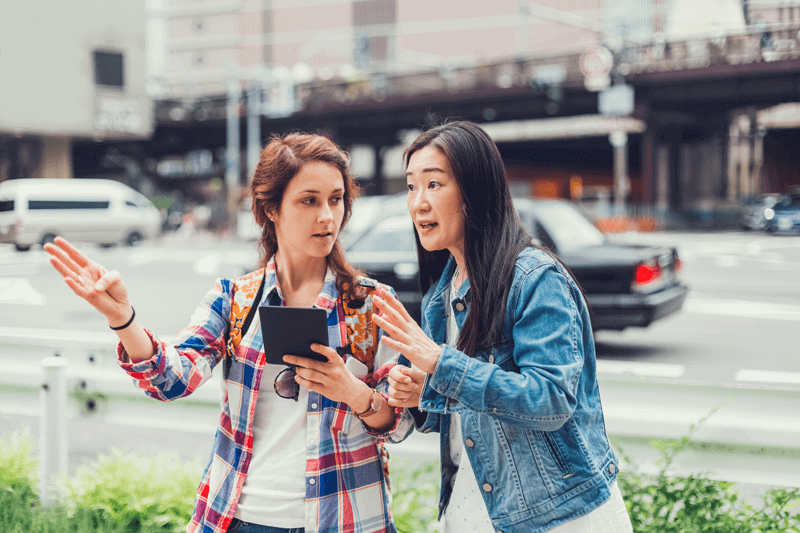
Modern technology has become the traveler’s essential companion in overcoming language difficulties. Translation apps such as Google Translate or DeepL provide instant translation for text and speech. Some of these apps can recognize spoken language and convert it into written text or pronounce it in the required language. Travelers can also download maps and apps related to public transportation, hotels, and restaurants to make communication easier without fully relying on the local language.
Using smartphones to capture images of text and translate them instantly has become an effective tool, especially when dealing with menus or transportation signs, which helps reduce anxiety when encountering unfamiliar words or symbols.
Learning Basic Local Language Skills Before Traveling:
Even if the goal is a low-effort travel experience, knowing a few basic words and phrases can make a big difference. Greetings, thank you, please, where is the bathroom?, can you help me? are examples of phrases that facilitate daily interactions. In addition, trying to learn numbers related to food or transportation helps avoid misunderstandings in public places such as markets, restaurants, and train stations.
Investing in these skills, even if they are simple, shows respect for the local culture and makes communication easier. Often, locals are more friendly and willing to help when they see the effort made to learn their language.

Using Body Language and Visual Signals:
Body language is an important tool when trying to convey your idea to someone who does not speak your language. For example, when entering a restaurant and being unable to read the menu, look for pictures or display windows and point to the food you would like to order.
If you wish, you can carry some basic symbols with you and point to them when meeting someone as a way to ask a question. For instance, showing a picture or symbol of a restroom to someone and pointing to it is a great way to be directed to the nearest bathroom.
Smiles and gestures can also help convey the intended meaning.
Choosing Traveler-Friendly Destinations:
In some major tourist cities, English or other languages are commonly spoken among locals and people working in the tourism sector. Visiting these places can reduce the pressure of the language barrier and make the experience smoother, especially during the early stages of travel or when dealing with essential services such as transportation and accommodation.
Tourist restaurants and hotels often provide multilingual menus or staff who speak English, which makes communication easier and creates a sense of comfort while moving around.
Seeking Local Help to Overcome Travel Language Barriers:
Do not hesitate to ask locals for help. Most people welcome your attempt to communicate, even if you have language difficulties. Use simple phrases and communicate in a friendly manner.
Benefiting from Shared Culture and Smiles:
A smile and a friendly tone can sometimes be more effective than words. Basic human emotions such as happiness and gratitude are universally understood and can help create positive communication even when the language is not understood.
Shared elements such as food, art, or music can also serve as a bridge for communication and make conversations with locals easier, even if words are limited.
The Importance of Practical Experience:
Living in a new environment and practicing real-life communication is the best way to learn a language and understand a culture. Every travel experience represents an opportunity to improve communication skills and gain greater confidence when dealing with different situations. People who travel regularly find themselves more capable of handling language barriers over time and become more comfortable when facing new situations.
Overcoming the language barrier while traveling is not just a challenge, but a real opportunity to develop new skills and gain valuable cultural experiences. Using technology, learning basic language skills, and relying on body language are all elements that help travelers communicate better and make the travel experience richer and more enjoyable. Even if communication seems limited at first, the desire to learn and openness to the experience often turn the journey into an unforgettable one and increase the traveler’s ability to enjoy every moment in their new destination.
At Nutrition Travels, we are committed to providing reliable information and practical experiences that help travelers overcome such challenges with confidence and awareness.