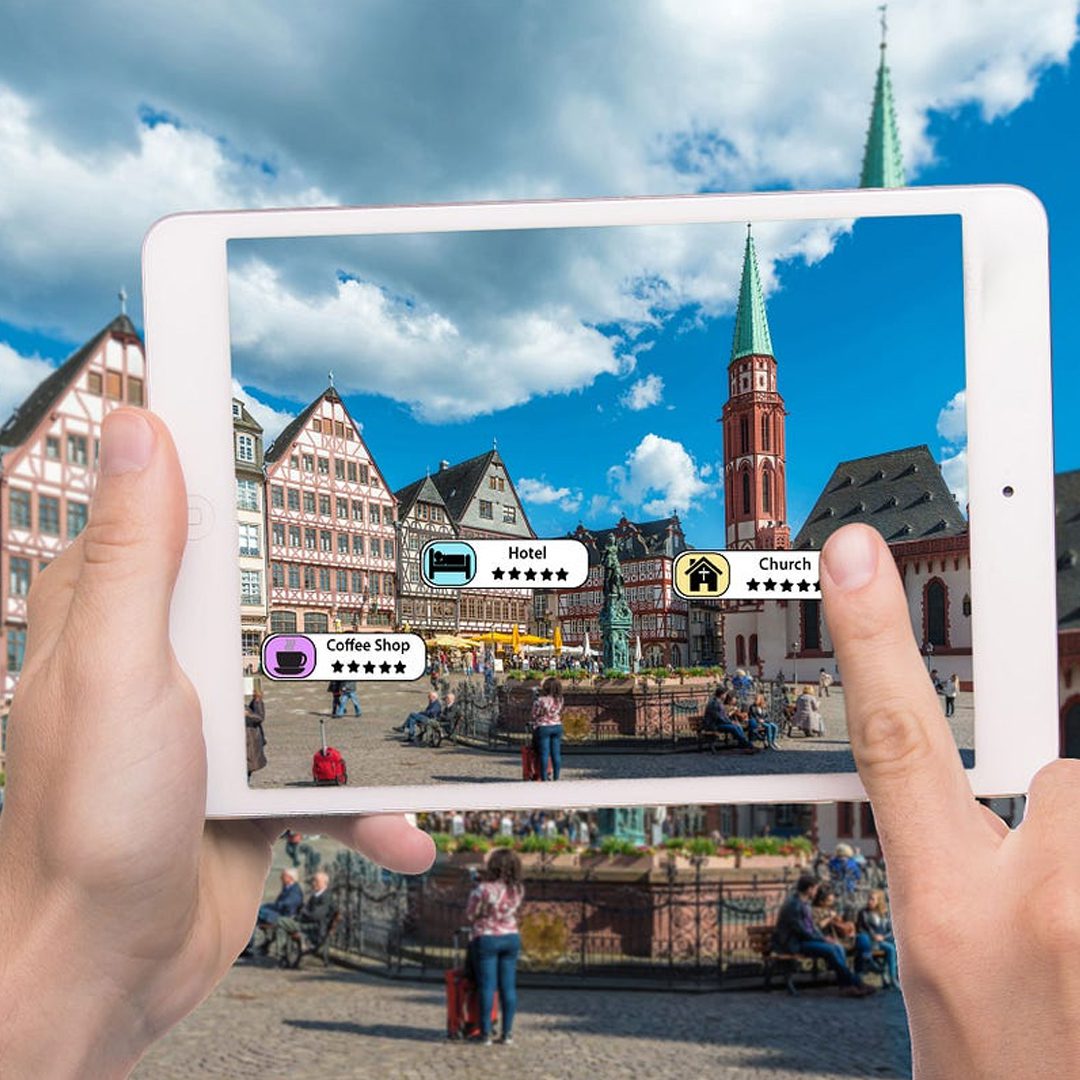

In recent years, Travel in Augmented Reality has started playing a major role in transforming tourism experiences. Traveling is no longer limited to walking between landmarks or taking photos; visitors can now enjoy immersive journeys that make trips richer and more engaging. Among these innovations, augmented reality (AR) stands out as one of the most important tools redefining how we explore museums and historical sites.
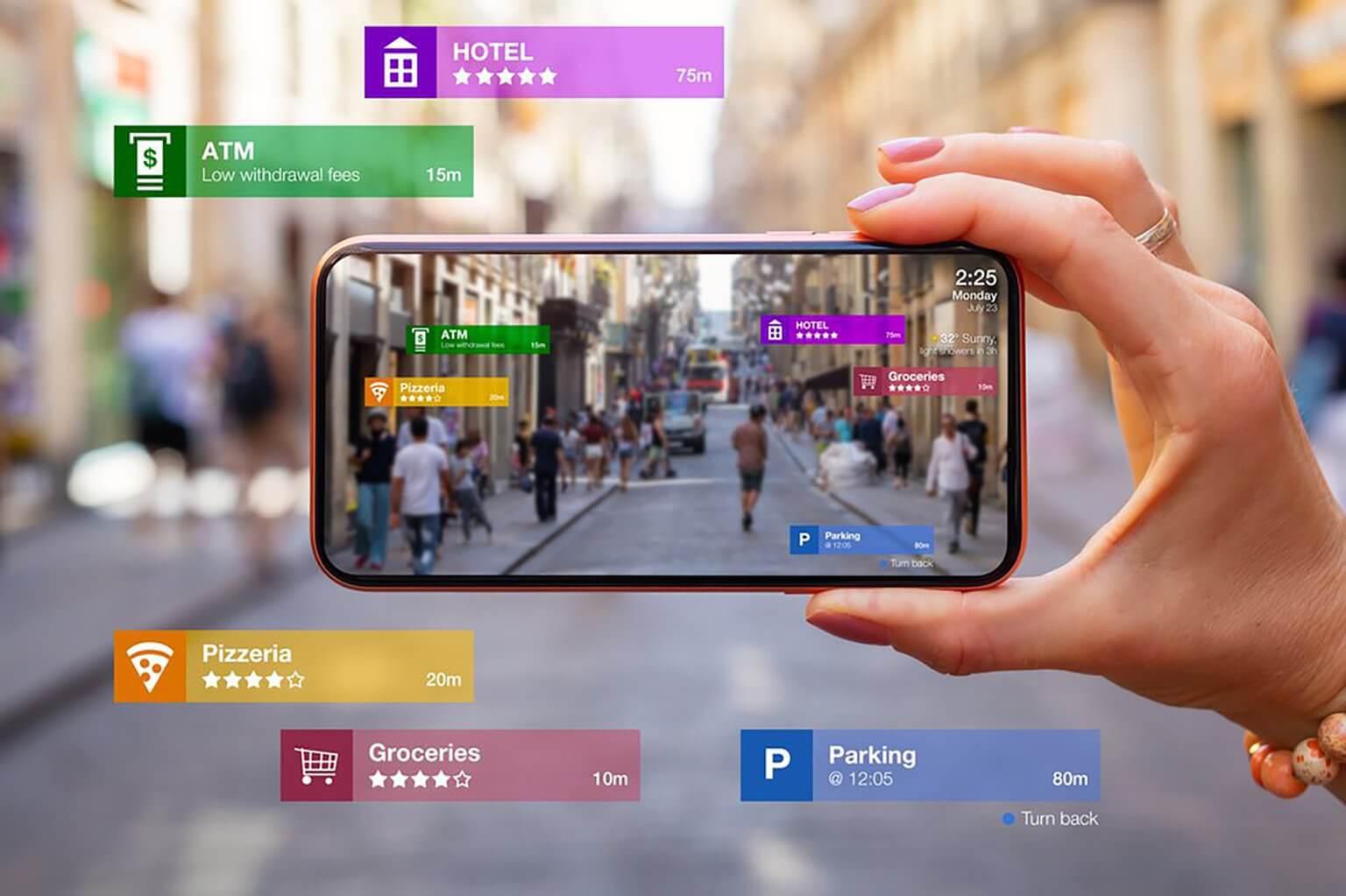
What is Augmented Reality in Tourism?
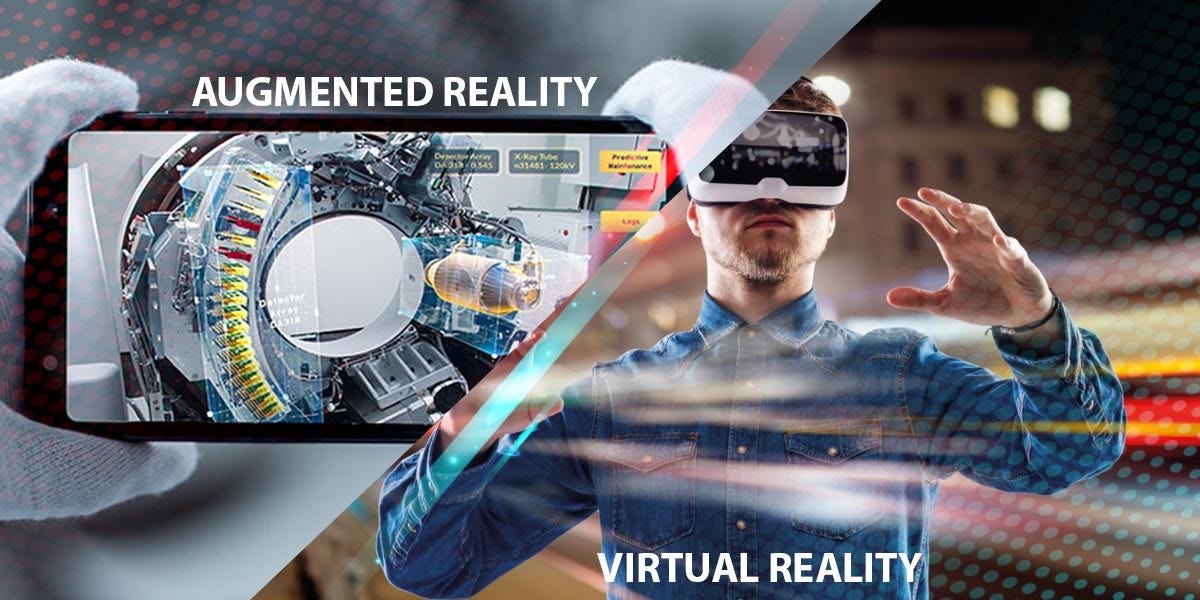
Augmented reality technology adds digital elements to the real world. Using a smartphone or a specialized device like AR glasses, visitors can point their cameras at an object or location to reveal additional layers of information—videos, 3D models, audio clips, or even animations that appear as if they are right in front of them.
For tourism, Travel in Augmented Reality allows visitors to see how historical monuments and buildings looked at their peak, or access interactive information simply by pointing at a specific artifact.
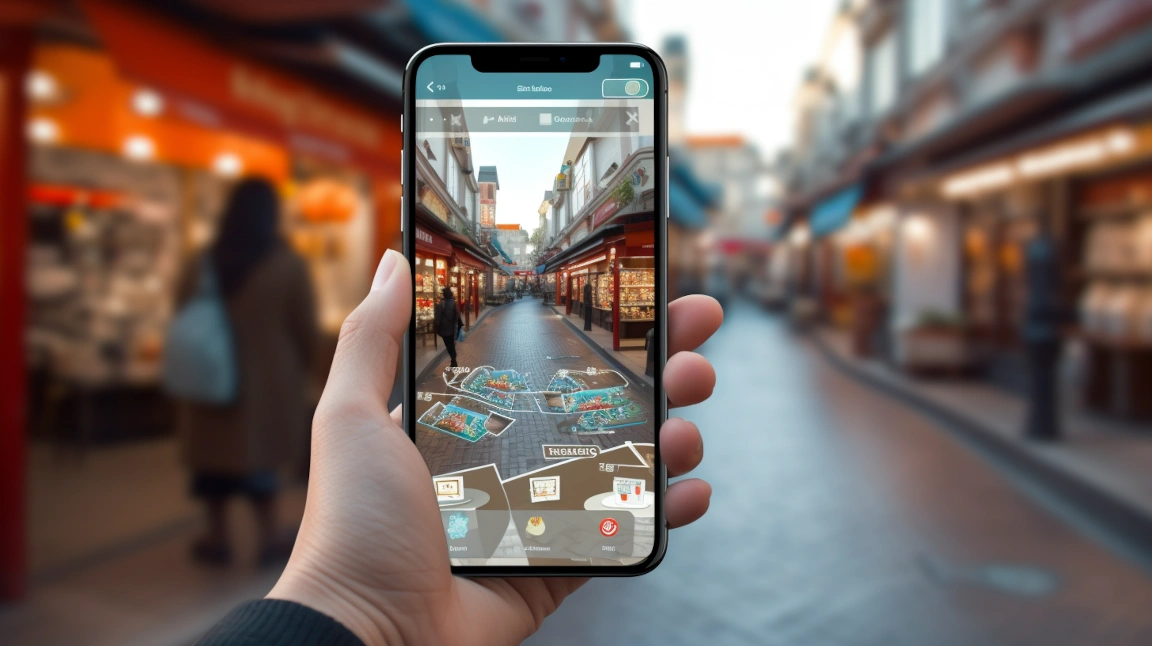
Why is Augmented Reality Important in Museums?
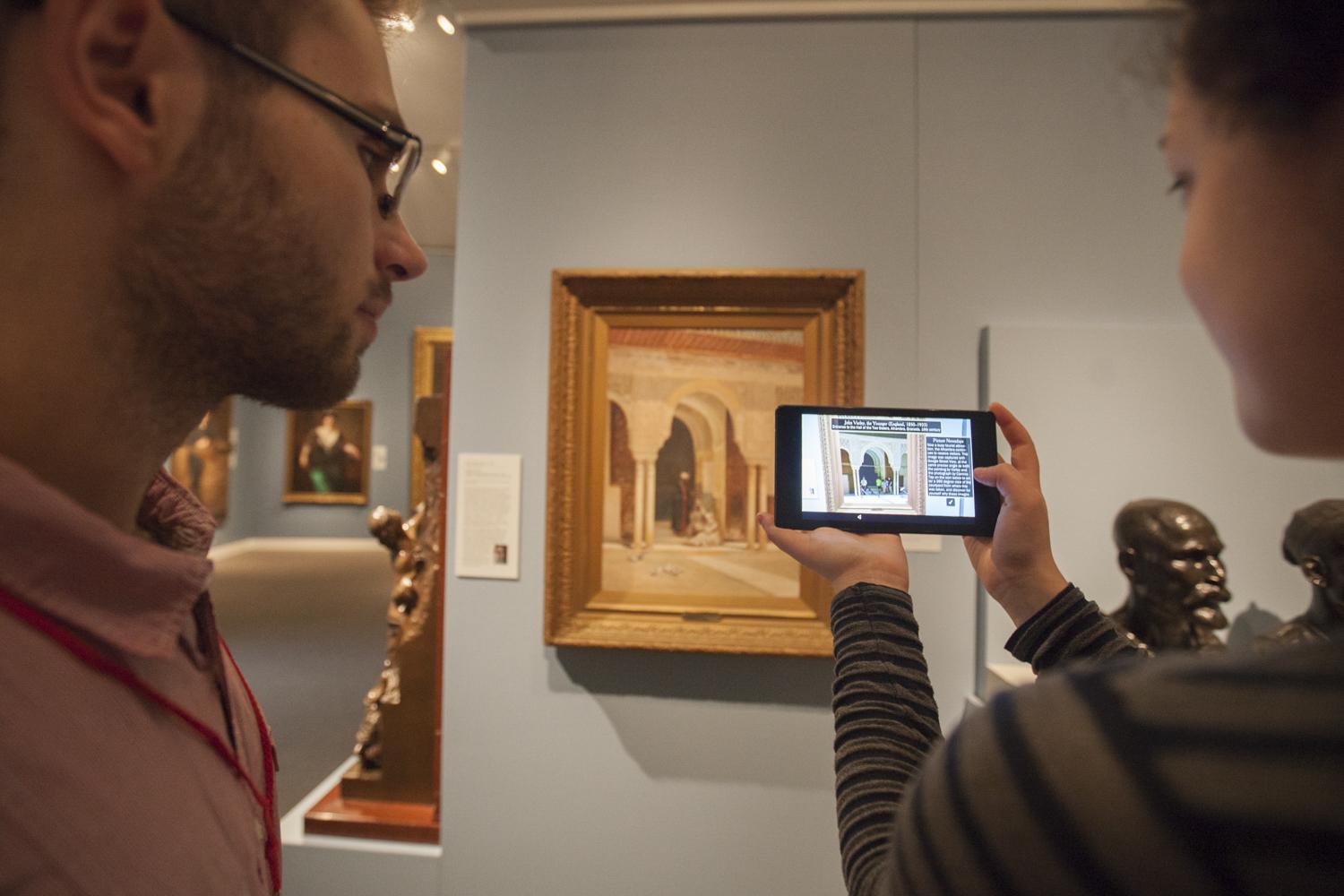
AR technology allows museums to create immersive and interactive experiences that enable visitors to explore, learn, and engage in exciting ways. Museums around the world have adopted Travel in Augmented Reality technologies to offer educational and entertaining experiences showcasing their collections and artifacts.
Augmented reality can bring exhibits to life, reviving history through interactive content, virtual exhibitions, and 3D display tools. It can also be used to create engaging guided tours and interactive navigation systems.
For example, the American Museum of Natural History in New York has implemented a variety of AR experiences, such as interactive tests in the Discovery Hall and a treasure hunt game using AR. Other museums have experimented with AR to provide virtual guided tours and interactive information panels, such as the National Gallery in London and the Art Institute of Chicago. By enhancing the physical experience with virtual elements, museums offer visitors a unique and interactive visit.
Bringing Ancient Ruins Back to Life:
Visiting archaeological sites is often limited to what remains on the ground, and many ruins are damaged or incomplete. This is where AR comes in to provide a unique experience, allowing visitors to see reconstructions of sites as they were in the past, with accurate architectural details, daily life scenes, and even historical events that took place there.
For instance, in Rome, some apps can rebuild the Colosseum as it appeared in ancient times, including the sporting events or contests held inside. In Egypt, AR applications allow visitors to see royal tombs and temples as they were in the era of the pharaohs, including the colors and decorations that have faded over time.
Enhancing Learning and Interaction:
The technology is not limited to entertainment; it also helps deepen cultural knowledge and engagement. AR applications often provide additional information when interacting with an element, such as a short video explaining the story of an artifact or illustrating how it was made and used. Some applications include educational games or interactive challenges, making museum experiences more exciting for children and youth, while also enhancing adults’ understanding of history and art.
Examples of AR Applications in Tourism:
1. Google Arts & Culture: Offers virtual and interactive tours of hundreds of museums worldwide.
2. AR Museum Apps: Provide AR tours inside museums such as the Louvre and the Metropolitan Museum of Art.
3. HistoryView VR: Allows visitors to reconstruct historical sites and interact with past events.
4. Egypt AR Tours: Focuses on Egyptian archaeological sites, reconstructing temples and tombs in precise detail.
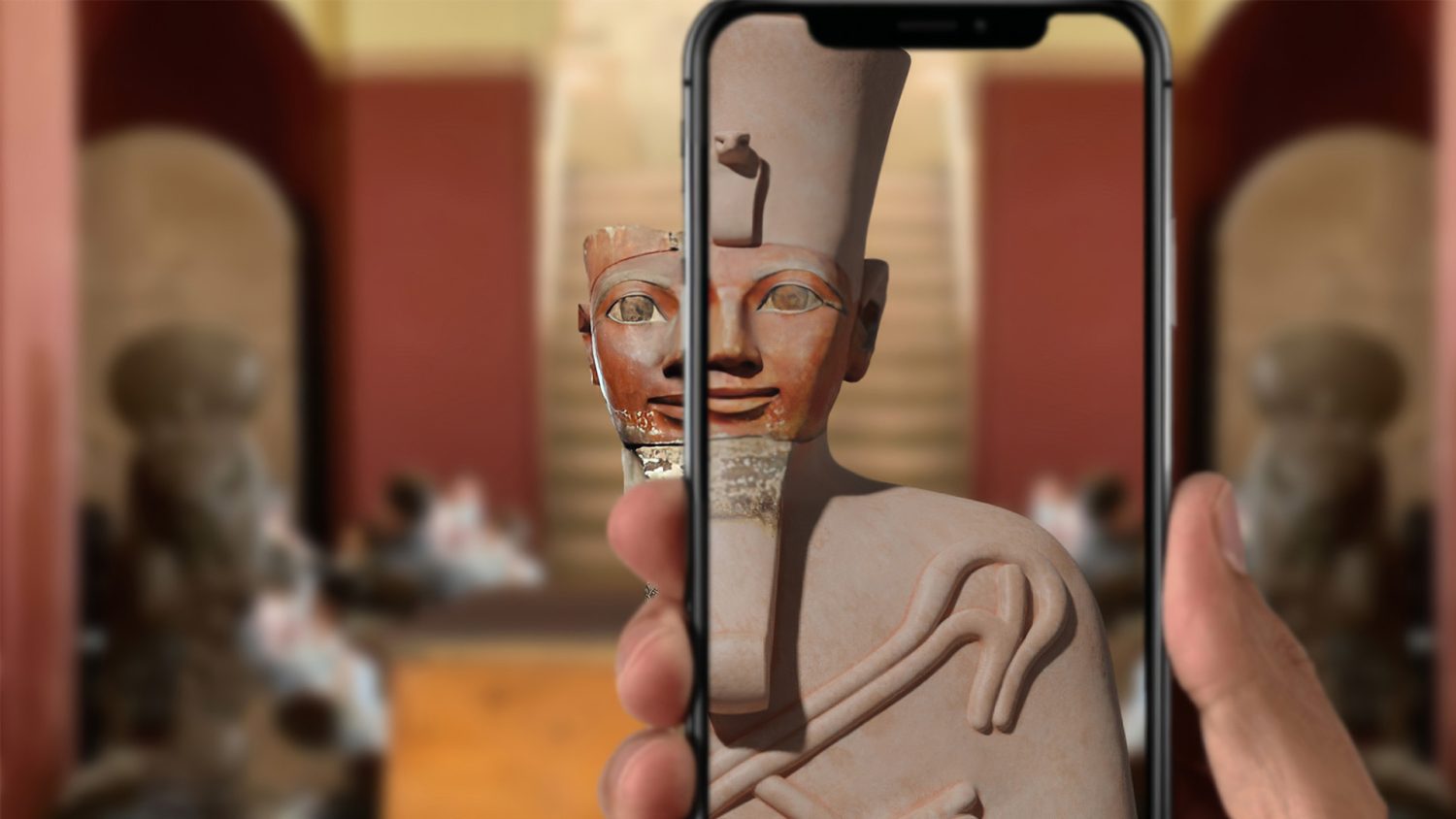
Augmented reality opens new horizons for cultural tourism, making trips more interactive, enjoyable, and educational. From museums crowded with paintings to ancient ruins that have lost part of their grandeur over time, history can now be seen coming to life right before your eyes.
Tourism is no longer just about moving between cities and landmarks; it has become a comprehensive knowledge experience that can be customized according to each visitor’s interests. It seems that the future of travel will be more technology-driven than ever, with AR integrated into almost every journey, whether in the heart of a historic European city or among the ruins of ancient civilizations.
For those who want to learn more about the latest technologies in tourism and AR-enhanced travel experiences, Nutrition Travels provides all the information and tips on how to enjoy cultural travel in the most interactive and exciting ways.