Siem Reap is one of Southeast Asia’s most fascinating travel destinations and the perfect starting point for discovering the legendary Angkor temple complex. Located in northwestern Cambodia, this small yet vibrant city attracts travelers from all over the world who come to witness the timeless beauty of Angkor Wat and experience Cambodia’s rich cultural heritage. For first-time visitors, Siem Reap offers a unique mix of ancient history, spiritual atmosphere, friendly locals, and modern comforts.
Why Siem Reap Should Be on Your Travel List
Siem Reap is more than just a gateway to Angkor Wat—it is a destination filled with charm and character. The city has grown significantly in recent years, offering a wide range of accommodations, restaurants, cafés, and cultural experiences while still preserving its traditional Khmer identity. Whether you are a history lover, a photographer, or a traveler seeking meaningful cultural experiences, Siem Reap delivers something unforgettable.
What truly sets Siem Reap apart is how seamlessly the past and present coexist. Ancient temples hidden in the jungle stand just minutes away from lively streets, night markets, and riverside cafés.
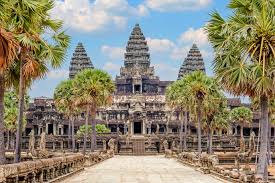
Discovering Angkor Wat: A World Wonder
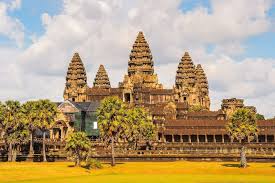
Angkor Wat is the largest religious monument in the world and one of the most iconic landmarks on Earth. Built in the early 12th century, it was originally dedicated to the Hindu god Vishnu before later becoming a Buddhist temple. Its massive stone towers, intricate bas-reliefs, and perfect architectural balance make it a masterpiece of human creativity.
Watching the sunrise at Angkor Wat is a once-in-a-lifetime experience. As the first light of day appears behind the temple’s towers, the reflection in the surrounding lotus ponds creates a magical and peaceful moment that leaves visitors in awe.

Exploring the Angkor Temple Complex
While Angkor Wat is the most famous temple, the Angkor Archaeological Park is home to dozens of equally impressive sites spread across a vast area.
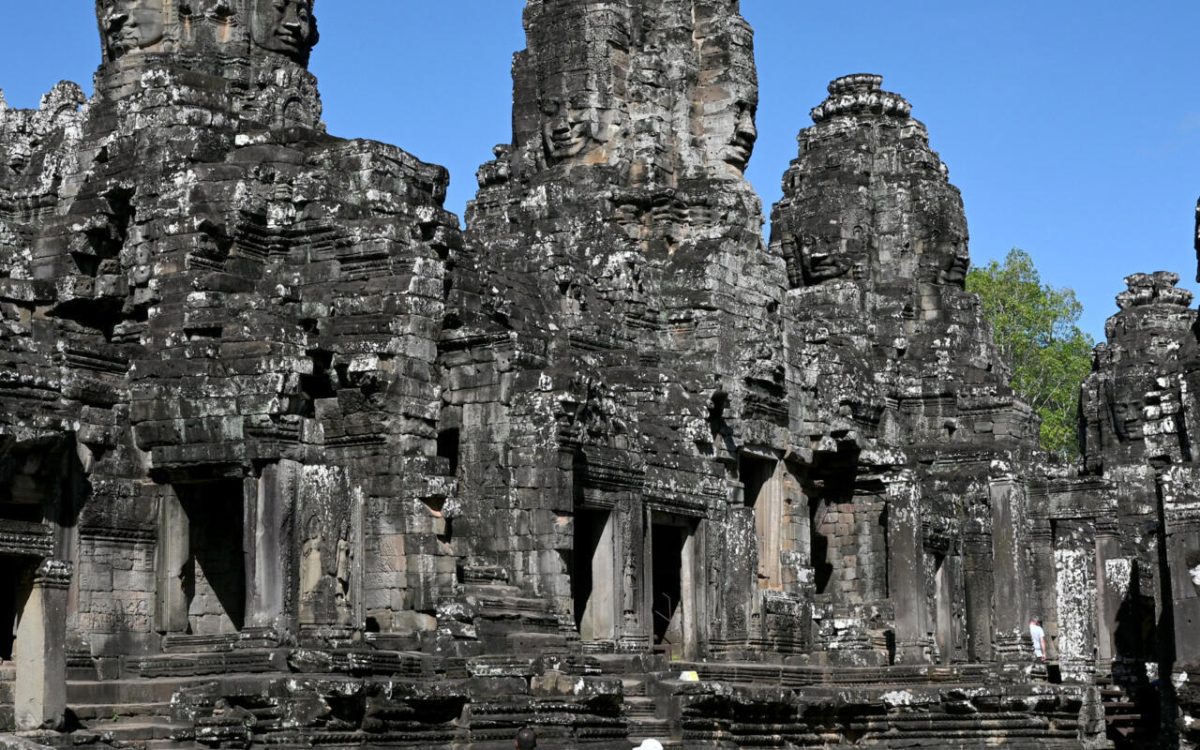
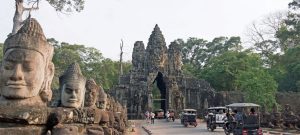
- Angkor Thom: This ancient walled city was the last capital of the Khmer Empire. At its heart lies the Bayon Temple, famous for its giant stone faces carved with calm, mysterious smiles.
- Ta Prohm: One of the most atmospheric temples, Ta Prohm is known for massive tree roots growing over crumbling stone walls, giving it a dramatic and almost mythical appearance.
- Banteay Srei: Located slightly farther from the main complex, this temple is celebrated for its detailed pink sandstone carvings and is often considered one of the finest examples of Khmer art.
Taking your time to explore these temples allows you to truly appreciate the scale and artistic brilliance of the ancient Khmer civilization.
Best Time to Visit Siem Reap
The best time to visit Siem Reap is during the dry season from November to March, when temperatures are cooler and rainfall is minimal. This is the most comfortable period for exploring temples, but it is also the busiest.
The rainy season from May to October offers fewer crowds and lush green landscapes. While there may be short but heavy showers, the temples look especially beautiful surrounded by greenery, and travel costs are often lower.
Getting Around and Exploring Comfortably
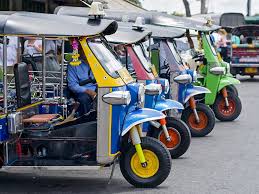
Getting around Siem Reap is easy and budget-friendly. Tuk-tuks are the most popular mode of transportation and are ideal for visiting the temples. Many drivers offer customizable day tours and are knowledgeable about the area.
For active travelers, renting a bicycle is a great way to explore nearby temples at a relaxed pace. Private cars with air conditioning are also available for those who prefer extra comfort.
Hiring a licensed guide is highly recommended for first-time visitors. A guide provides historical background, cultural insights, and fascinating stories that transform your visit from sightseeing into a meaningful learning experience.
Life Beyond the Temples
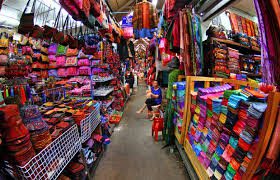
Siem Reap has plenty to offer beyond Angkor Wat. In the evenings, Pub Street comes alive with restaurants, bars, and live music, offering a fun and social atmosphere. Nearby, the Old Market (Psar Chas) is perfect for shopping for souvenirs, handmade crafts, and local snacks.
A visit to Tonlé Sap Lake, Southeast Asia’s largest freshwater lake, gives travelers a glimpse into life in floating villages, where homes, schools, and markets exist entirely on water.
Food lovers will enjoy traditional Khmer cuisine, which is flavorful yet balanced. Popular dishes include fish amok, beef lok lak, and fresh tropical fruits. Many restaurants also cater to vegetarian and health-conscious travelers.
Cultural Etiquette and Practical Tips
When visiting temples, dress respectfully by covering shoulders and knees. Always remove your hat inside sacred spaces and avoid touching religious carvings. Staying hydrated, wearing sunscreen, and starting temple visits early in the morning will help you stay comfortable in the tropical climate.
Conclusion: Plan Your Journey with Nutrition Travels
Siem Reap is a destination that leaves a lasting impression. From the spiritual beauty of Angkor Wat to the warmth of local culture and the vibrant energy of the city, every experience feels deeply enriching. For first-time travelers, it offers the perfect balance of adventure, history, and comfort.
If you’re planning a trip to Cambodia and looking for trusted travel inspiration, cultural guides, and wellness-focused travel tips, visit Nutrition Travels. Explore the world smarter, travel healthier, and turn every journey into a meaningful experience. Start planning your Siem Reap adventure today—your unforgettable story begins here.