In recent years, interest in organic food has grown significantly, driven by promises of better health and reduced exposure to pesticides and chemicals. But is organic food truly healthier than conventional food? To answer this question, we first need to understand what “organic” really means and how it differs from regular food.
Key points:
- Organic products are grown without synthetic chemical pesticides
- Organic animals are fed natural diets and raised in more humane conditions
- Reduced use of preservatives and artificial additives
These principles make food a healthier option, but it is not a magical solution to all nutrition-related issues.
Nutritional Value: Is Organic Food More Nutritious?
Many people believe that food contains higher levels of vitamins and minerals. However, research has shown mixed results.
Key points:
- Some organic fruits and vegetables may contain higher antioxidant levels
- Basic nutrient content is often similar between organic and conventional foods
- The biggest difference lies in reduced chemical exposure rather than higher nutrient levels
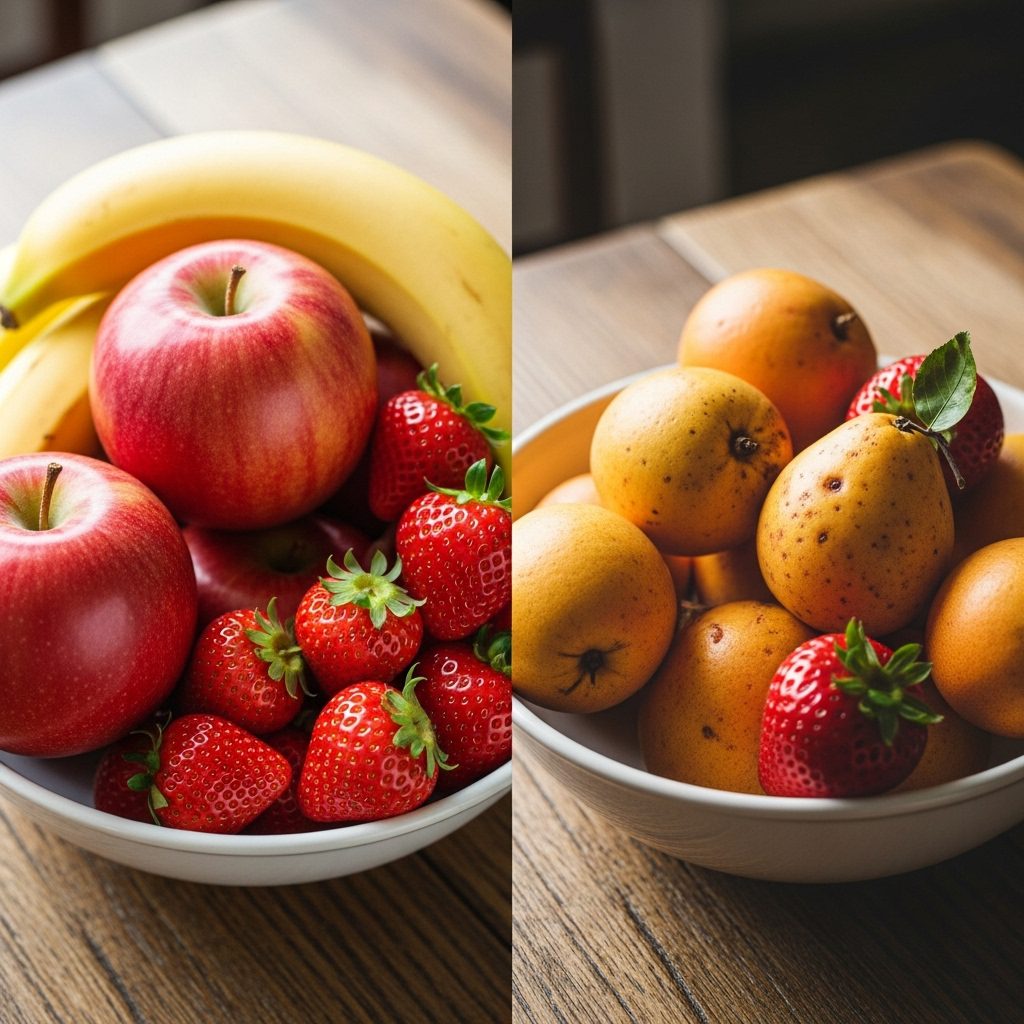
Therefore, choosing food helps lower toxin intake, but it does not necessarily provide significantly more nutrients.
Exposure to Pesticides and Chemicals
One of the main reasons people choose organic food is to reduce exposure to harmful chemicals.
Key points:
- Synthetic pesticides may have long-term health effects
- Food reduces the accumulation of these substances in the body
- It is especially beneficial for children and pregnant women who need extra protection
This awareness makes organic food a preventive choice, not just a nutritional one.
Taste and Sensory Quality
Many people prefer organic food because of its taste and aroma.
Key points:
- Organic tomatoes and fruits often have a sweeter, more natural flavor
- Organic meat and poultry may have a different texture and taste due to natural feed
- Improved sensory quality increases enjoyment and encourages higher fruit and vegetable intake
The sensory appeal of organic food plays an important role in improving one’s overall relationship with food.

Environmental Impact and Sustainability
Choosing organic food benefits not only personal health but also the environment.
Key points:
- Reduces pollution caused by chemical pesticides and fertilizers
- Supports biodiversity and healthier soil
- Promotes sustainable farming practices that preserve natural resources
Environmental considerations make food a sustainable choice with indirect benefits for public health.
Organic Food and Cost: Is It Worth the Price?
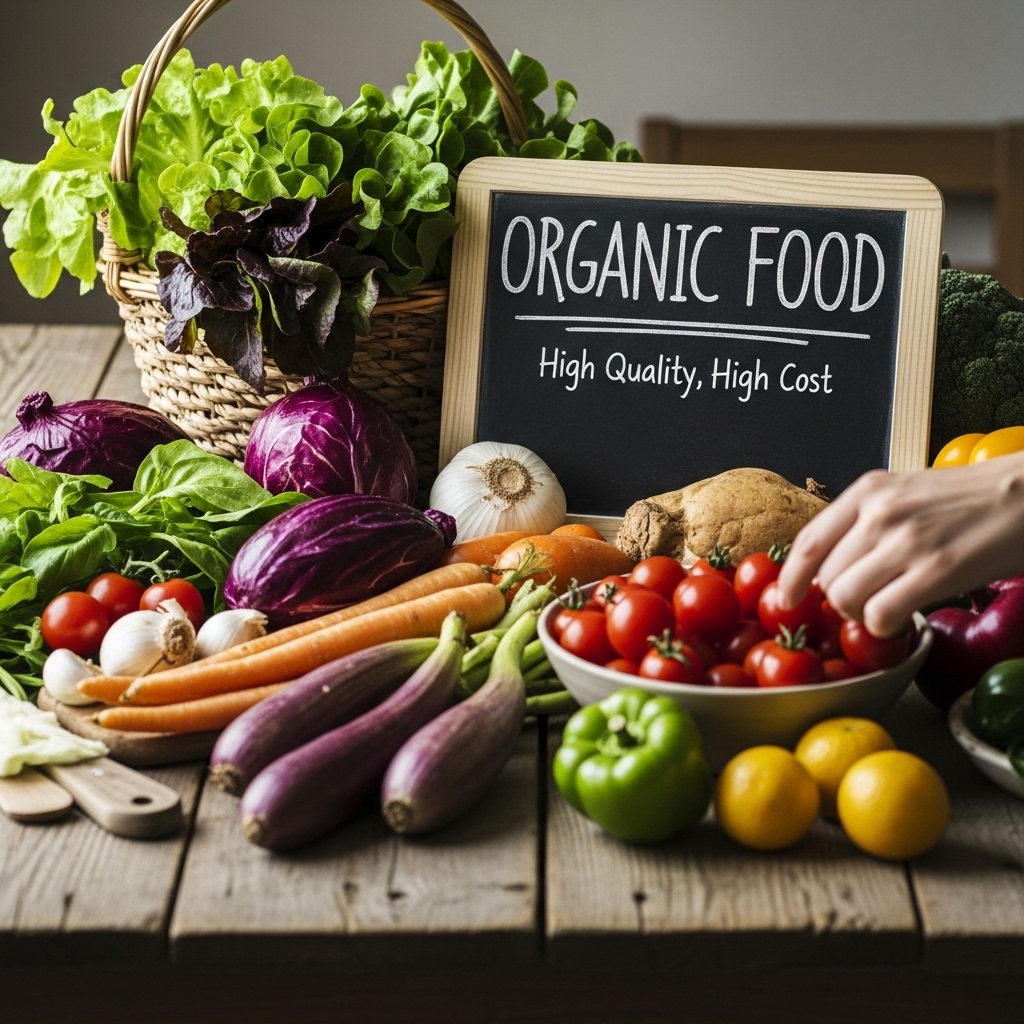
One of the most common questions about food is whether the higher price is justified. In reality, the cost reflects more complex farming and production methods.
Key points:
- Organic farming requires more time and labor
- Avoiding synthetic pesticides often reduces crop yields
- Organic animal farming requires more space and better care
Higher prices do not always mean superior quality, but rather reflect a different production philosophy focused on health and sustainability.
Is Organic Food Necessary for Everyone?
Despite its benefits, organic food is not essential for everyone to be healthy.
Key points:
- Dietary variety matters more than whether food is organic
- Washing and peeling produce can reduce pesticide residues
- A balanced diet can be healthy even without fully organic products
Smart choices involve balancing food quality with financial capabilities.
When Is Choosing Organic Food More Important?
There are situations where organic food may be more beneficial.
Key points:
- Children, due to their higher sensitivity to chemicals
- Pregnant women, to reduce toxin exposure
- People who consume large amounts of fruits and vegetables
In these cases, choosing food becomes a smart preventive step.
How to Choose Organic Food Wisely
You don’t need to buy everything organic to benefit from its advantages. The key is adopting a flexible and mindful approach that balances quality and cost without pressure or strict rules.
Key points:
- Choose organic options for produce most exposed to pesticides, such as leafy greens and thin-skinned fruits
- Buy seasonal and fresh products, which are often more affordable and nutritionally rich, whether organic or not
- Read labels carefully to verify certified organic seals, rather than relying on marketing terms like “natural” or “healthy”
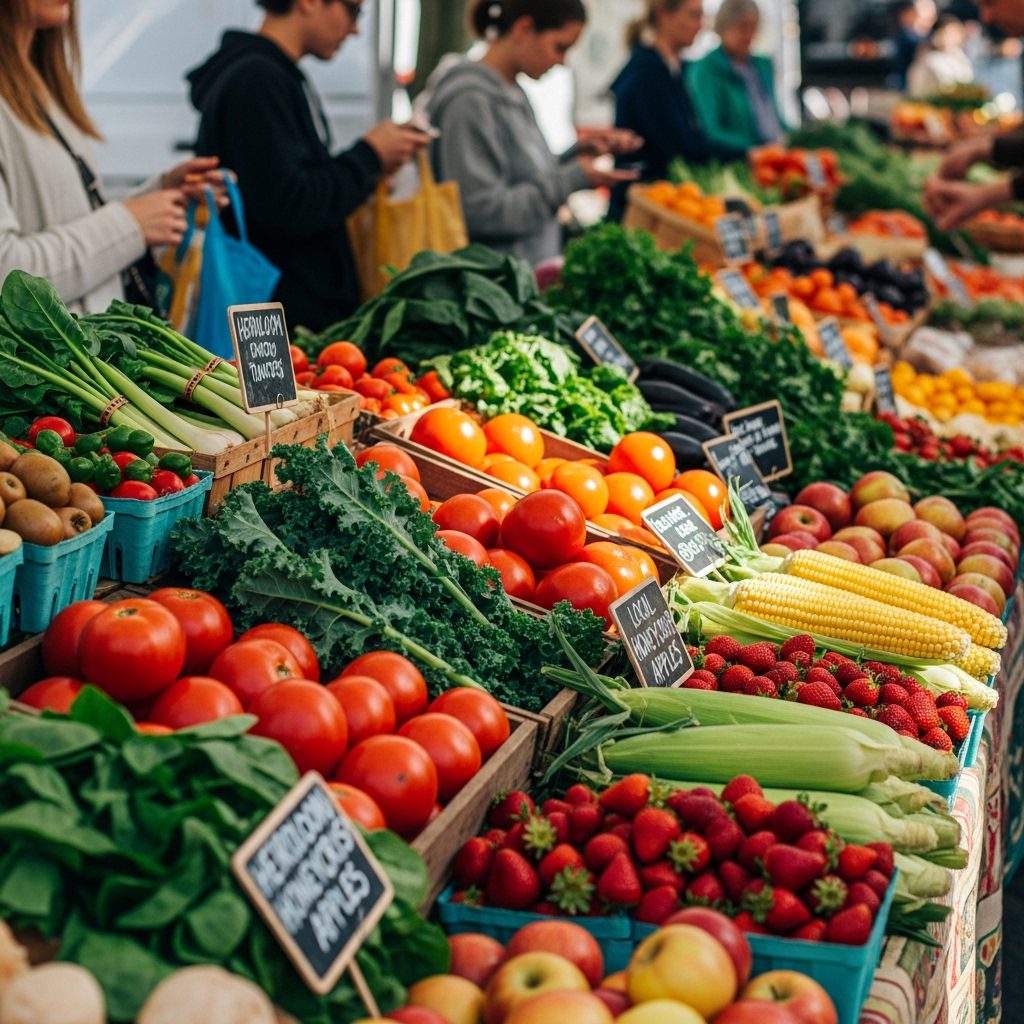
With this approach, becomes a supportive health choice rather than a financial burden. The goal is not perfection, but making informed decisions that suit your lifestyle while reducing chemical exposure and maintaining a balanced, sustainable diet.
Long-term health benefits :
Following a diet may positively impact overall health.
Key points:
- Reduces the body’s toxic load
- Supports digestive health and immune function
- Encourages mindful eating habits
However, the most important factor remains overall lifestyle—not just the type of food consumed.
Is Organic Food Really Better?
it’s not a miracle solution or a replacement for balanced nutrition. It is a conscious option for those seeking to reduce chemical exposure and support environmental sustainability. The best approach is making flexible, informed choices based on knowledge and personal needs—without guilt or extremes.
If you’d like to explore healthy food choices further, understand nutrition labels, and build a balanced diet that fits your lifestyle, visit nutritiontravels and discover practical content that blends science, awareness, and enjoyment of food