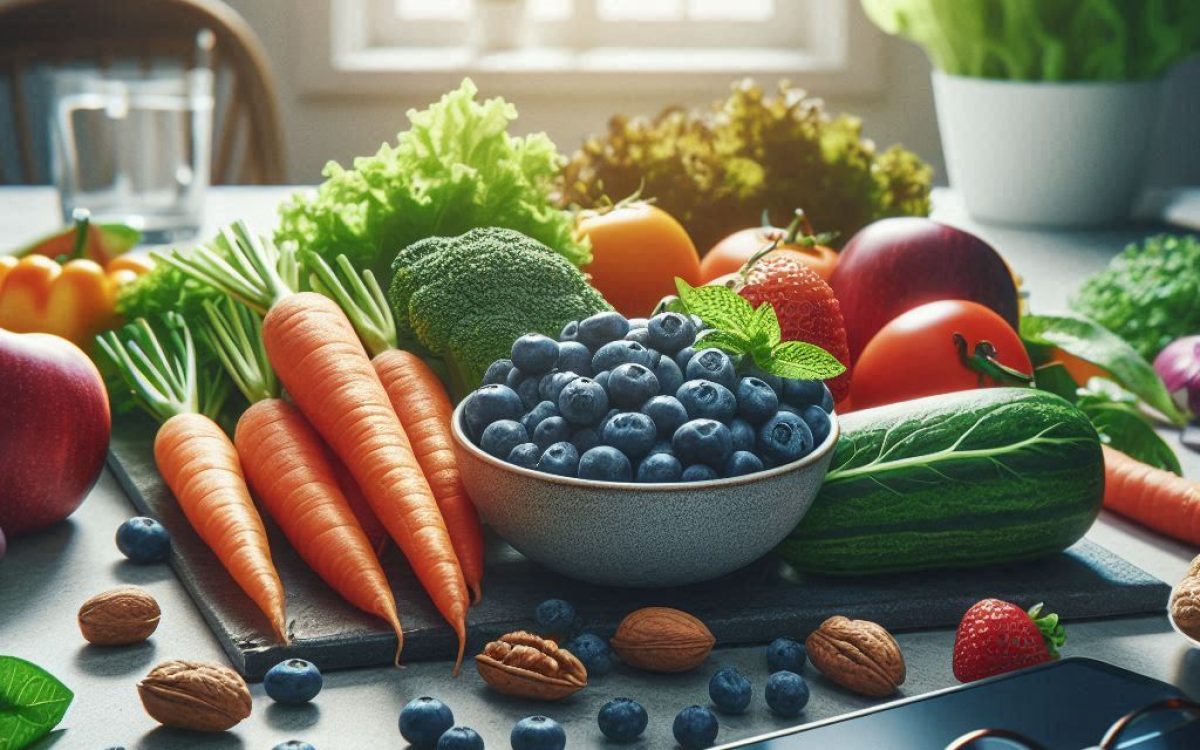
In today’s world, our eyes are under increasing pressure due to the intensive use of digital screens, whether smartphones, computers, or smart TVs. Nutrition for eye health plays a crucial role in protecting your eyes from strain, dryness, and gradual deterioration of vision over time. Scientific research shows that proper nutrition can help reduce the risks associated with aging and various eye diseases, such as age-related macular degeneration (AMD) and cataracts.
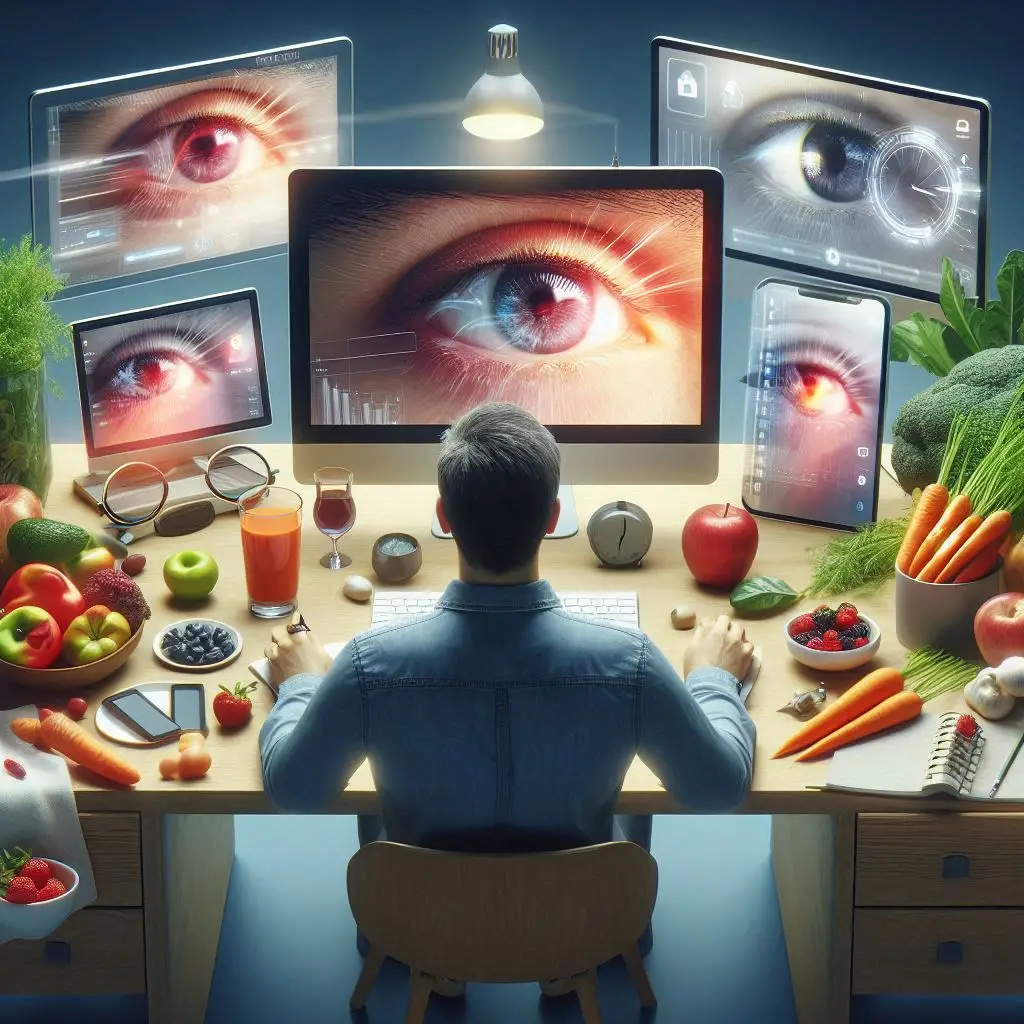
Nutrition for Eye Health: Key Foods for a Healthy Retina:
1. Leafy Green Vegetables:
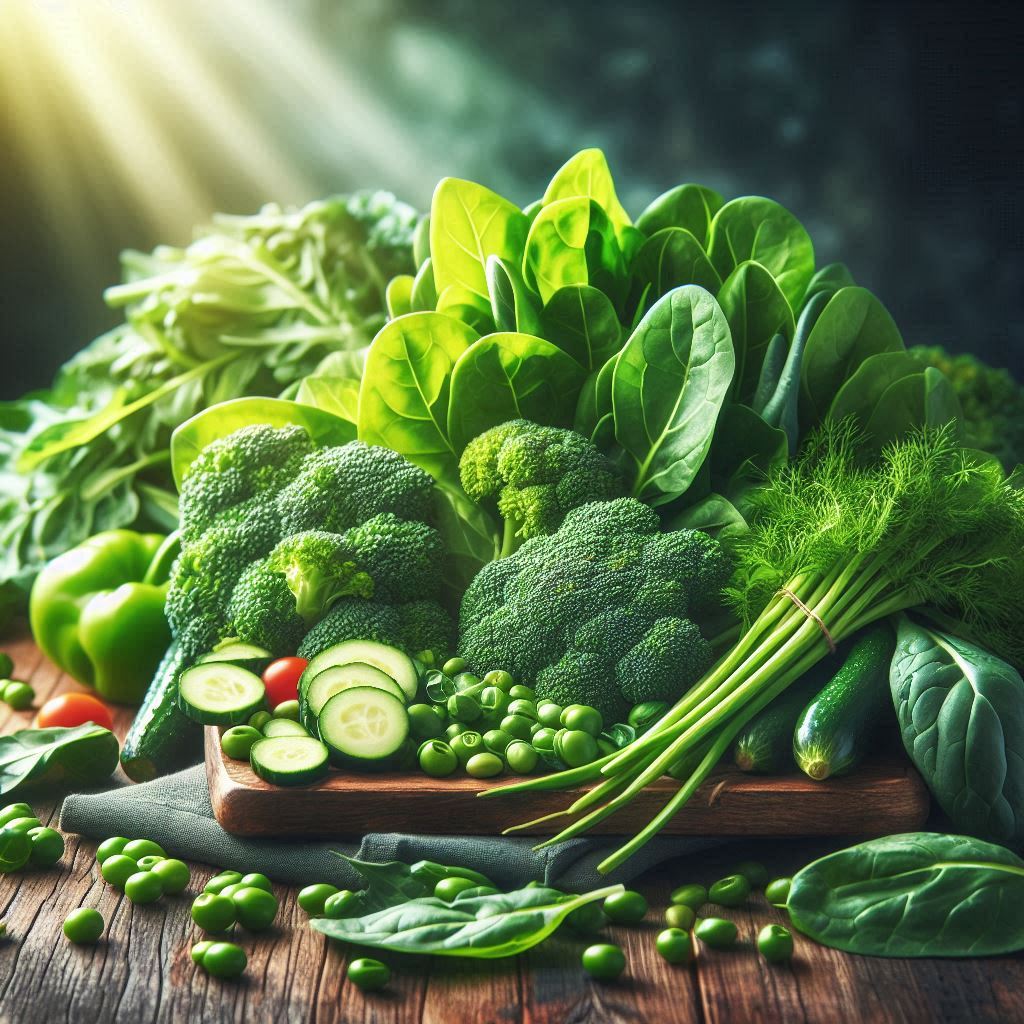
Leafy greens such as spinach, kale, arugula, and broccoli are extremely beneficial for the eyes due to their high content of lutein and zeaxanthin, powerful antioxidants concentrated in the center of the retina.
These compounds absorb harmful rays from screens or sunlight and protect the eye cells. Research published in the Journal of the American Medical Association indicates that daily consumption of leafy greens can reduce the risk of age-related macular degeneration by up to 40%, a common cause of vision loss in older adults.
2. Dairy Products and Eye Nutrition:
Dairy items like milk and yogurt can also be beneficial for eye health. They contain vitamin A and zinc, which protect the cornea and help transport vitamin A from the liver to eye tissues.
Zinc is present throughout the eye, especially in the retina and choroid (the vascular layer beneath the retina). This essential mineral supports night vision and helps prevent cataracts. Dairy from grass-fed cows provides the most benefits, so opting for fresh organic options is preferable over processed or packaged milk.
You can enjoy dairy throughout the day, whether drinking a cup with a meal, adding it to coffee or tea, or including yogurt in breakfast or as a healthy snack. Various cheeses can also be a tasty and nutritious option.
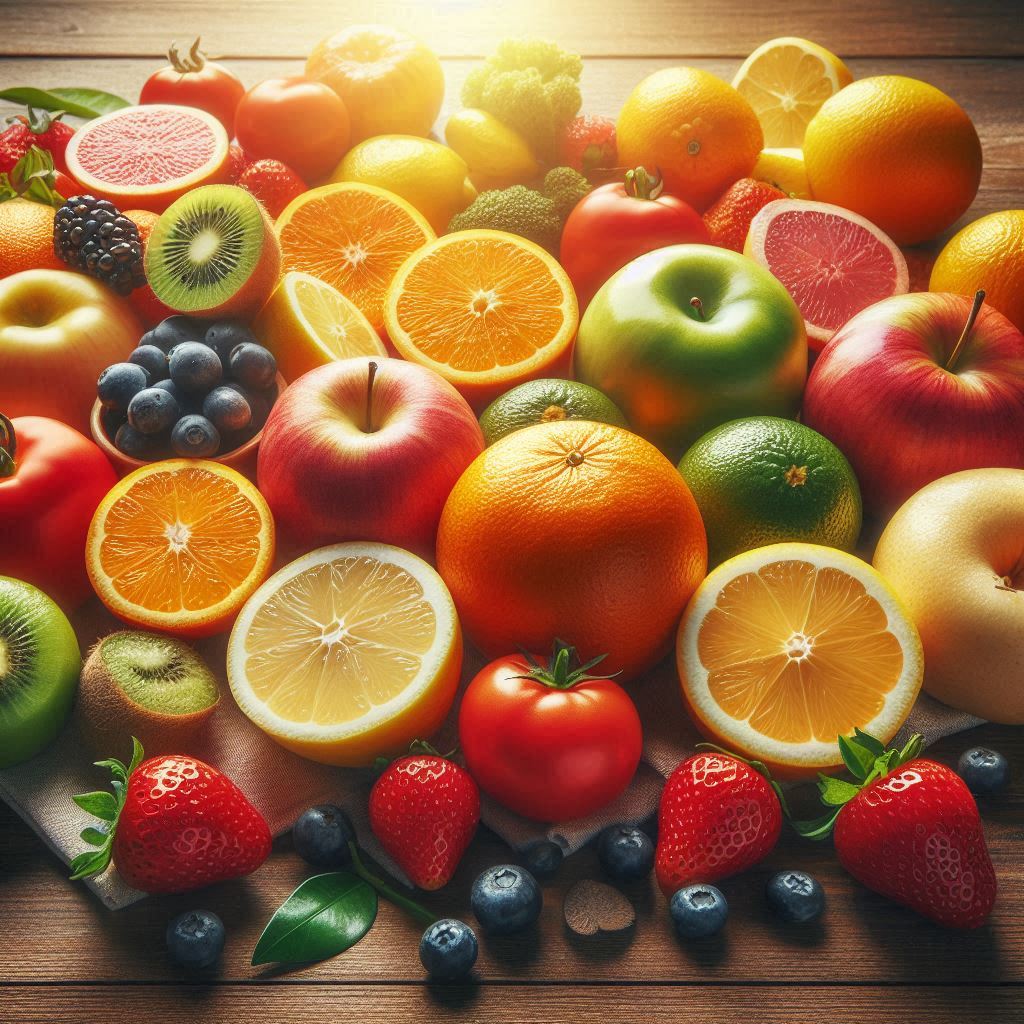
3. Citrus Fruits:
Vitamin C helps reduce oxidative stress and decreases eye dryness. Incorporating lemons, oranges, tomatoes, and strawberries into your diet can provide a substantial amount of vitamin C to support eye health.
4. Nuts and Seeds:
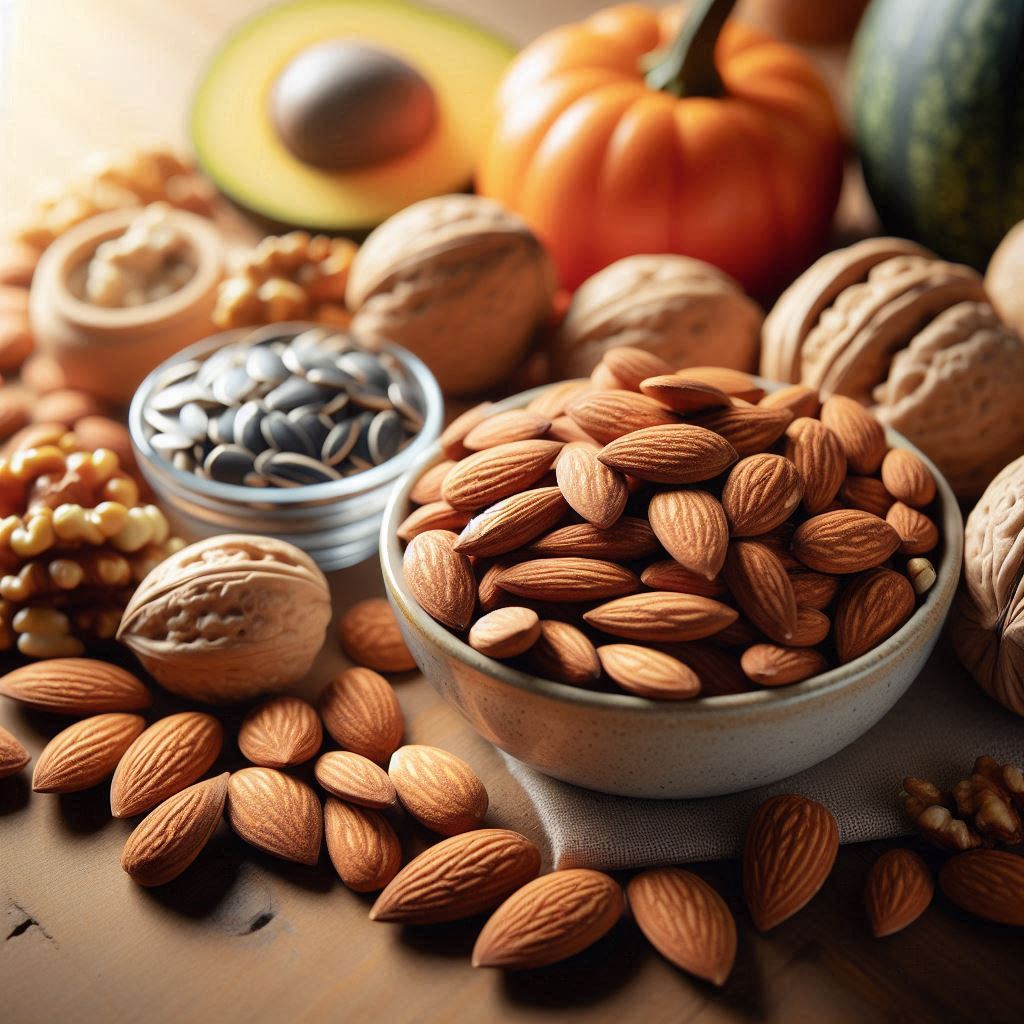
Nuts and seeds are among the most important foods for eye health. For example, almonds are rich in vitamin E, which protects your eyes from free radicals that damage healthy tissues.
Regular intake of vitamin E can help prevent age-related macular degeneration and cataracts. Adults should aim for about 15 mg of vitamin E daily. A serving of almonds—approximately 23 nuts, half a cup, or a small handful—can meet this requirement. Other nuts and seeds high in vitamin E include sunflower seeds, hazelnuts, and peanuts.
Almonds can be enjoyed as a snack anytime, added to breakfast cereals, yogurt, or salads.
5. Fatty Fish and Omega-3s:
Fish such as salmon, tuna, sardines, and mackerel are rich in omega-3 fatty acids, especially DHA, which is an essential component of the retina.
DHA helps build retinal nerve cells, maintain their flexibility, and support proper function. Studies show that people who eat fish twice a week are 30% less likely to suffer from dry eyes. For those who do not consume fish, omega-3s can also be obtained from plant sources like flaxseeds, walnuts, or fish oil supplements.
6. Eggs:
Eggs are rich in lutein and zeaxanthin, as well as zinc, which is important for retinal health. A study conducted at Harvard University found that regular egg consumption can improve antioxidant concentration in the eyes and reduce the risk of age-related eye diseases.
Eggs are easy and quick to prepare and can be consumed boiled, fried, or included in healthy breakfast dishes.

Healthy Habits to Support Eye Health in the Digital Age:
1. Follow the 20-20-20 Rule: Every 20 minutes, look away from the screen and focus on something at least 20 feet away for 20 seconds. This helps relax eye muscles and prevent strain.
2. Regular Eye Exams: Routine check-ups allow for early detection of vision problems or conditions that may increase eye stress.
3. Avoid Smoking: Smoking is a major factor in retinal cell damage.
4. Get Enough Sleep: Quality sleep supports eye cell regeneration and protects the retina.
5. Keep Your Eyes Hydrated: Use eye drops to combat dryness. Staying hydrated by drinking plenty of water may also help.

In the digital age, eye health is no longer just a matter of genetics or age—it is closely linked to our lifestyle and diet. Consuming leafy greens, fatty fish, nuts, and eggs, while reducing sugars and processed foods, can act as a natural shield to protect your vision.
By incorporating these foods into your daily routine, your eyes can better withstand digital stress and maintain clear, vibrant vision for longer. For more information and tips on nutrition for eye health and vision protection, you can visit our website Nutrition Travels, where we provide the latest reliable scientific insights.