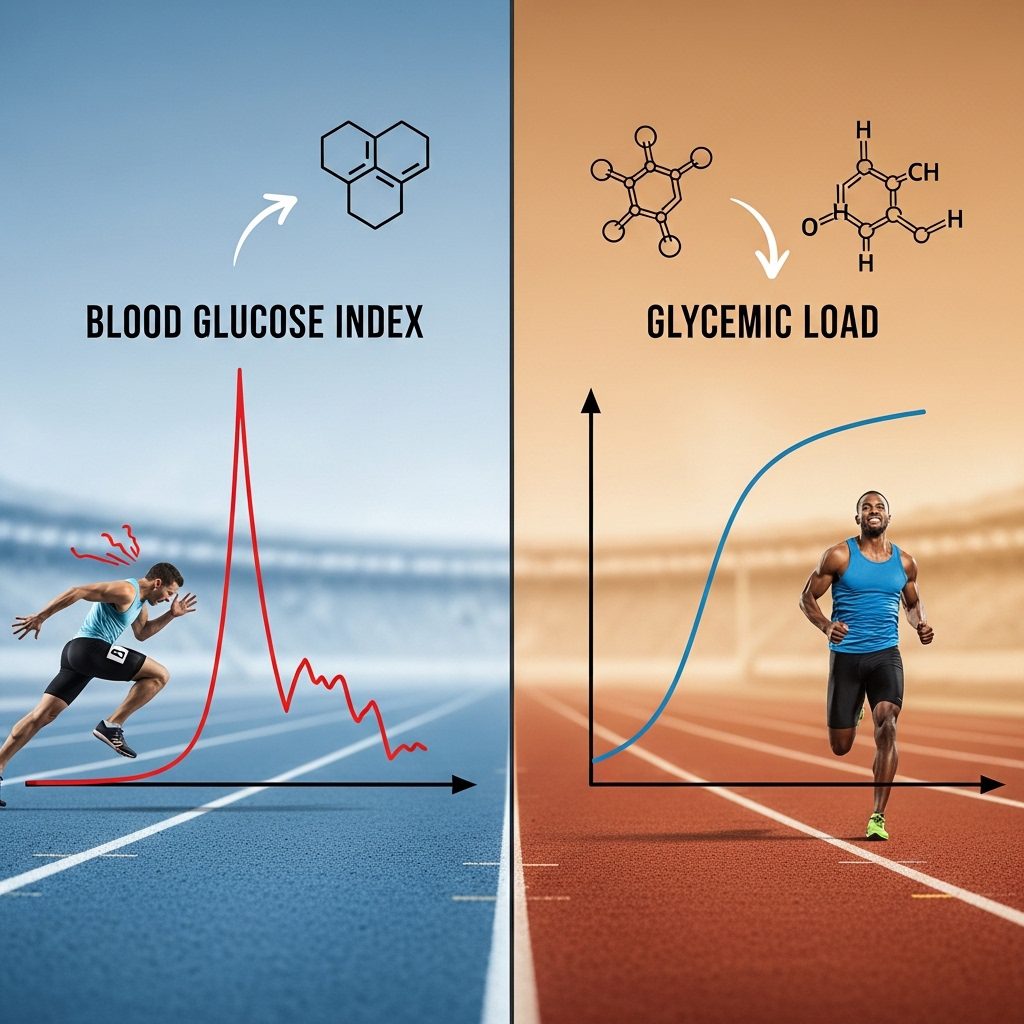

In the world of nutrition and health, discussions about the Glycemic Index (GI) have become very popular, especially among people who are interested in managing blood sugar levels or maintaining a healthy weight. A low-GI diet provides nutrition enthusiasts with an opportunity to benefit from foods that promote longer satiety and help regulate energy levels more steadily throughout the day.
This article is dedicated to beginners who want to understand this concept and learn how to apply it in an easy and practical way.
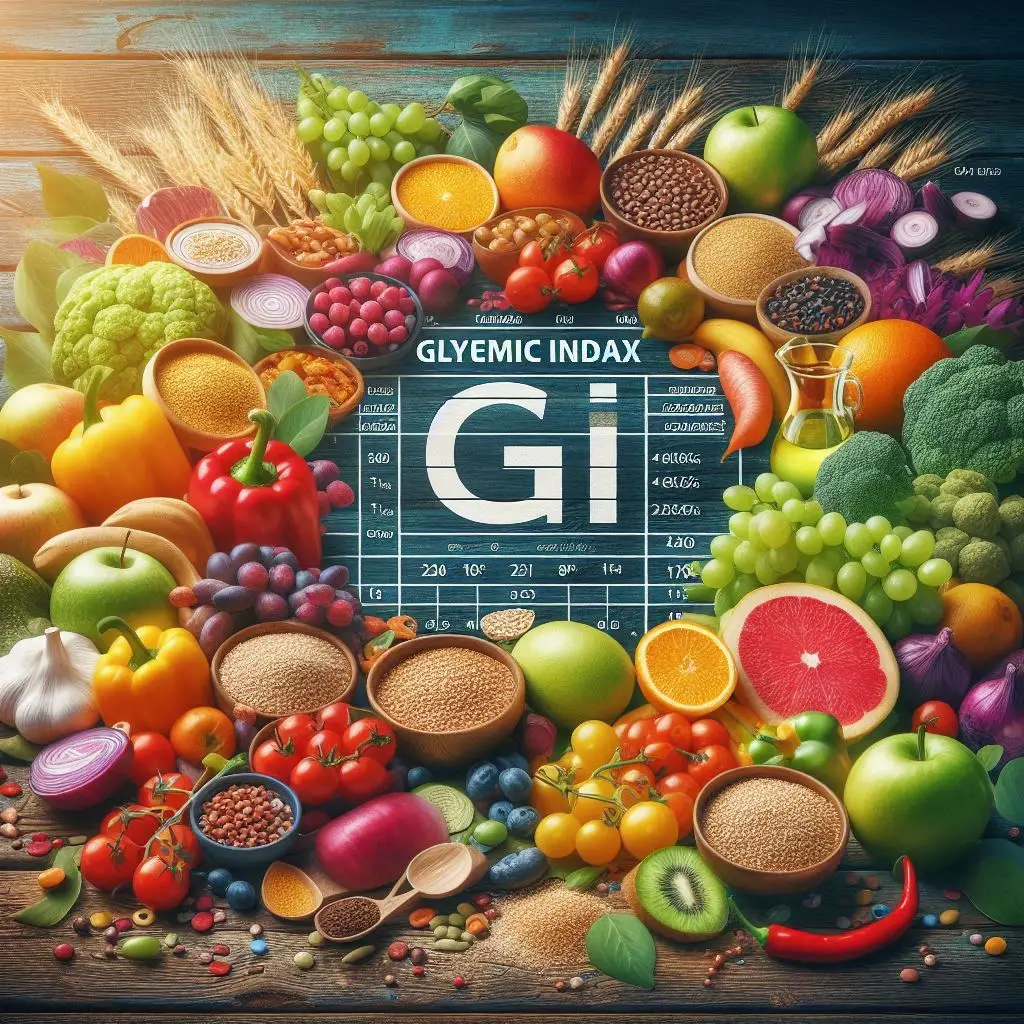
What is the Low Glycemic Index Diet?
The Glycemic Index is a classification system based on how quickly carbohydrate-rich foods raise blood sugar levels. When consuming carbohydrates, the body breaks them down into a sugar called glucose, which then enters the bloodstream. Blood glucose levels rise at varying speeds depending on the types of carbohydrates consumed.
The GI classifies carbohydrate-rich foods on a scale from 0 to 100 based on how quickly they increase blood sugar levels after consumption. Foods with a higher GI raise blood sugar faster than foods with a lower GI.
The GI scale is categorized as follows:
1. Low GI foods: range from 0 to 55.
2. Medium GI foods: range from 56 to 69.
3. High GI foods: range from 70 to 100.
Why Do Nutrition Enthusiasts Care About a Low-GI Diet?
Following a low-GI diet offers numerous benefits, especially for those interested in weight management or blood sugar control:
1. Better Blood Sugar Control:
Consuming low-GI foods reduces sharp sugar spikes, which is especially important for people with diabetes or those seeking stable energy levels throughout the day.
2. Longer Satiety:
Low-GI foods are digested slowly, providing a feeling of fullness for longer periods and reducing the desire to snack on high-calorie foods.
3. Supporting Healthy Weight Loss:
By controlling appetite and reducing sugar fluctuations, this diet can help manage calorie intake, supporting weight loss goals effectively.
4. Improved Energy and Focus:
Because the body receives steady energy from low-GI foods, mental and physical activity levels remain stable throughout the day.
Examples of Foods for the Low Glycemic Index Diet:
Low-GI foods include:
1. Oats: rolled oats or oat bran.
2. Grains: pasta, quinoa, barley, and brown rice.
3. Legumes: lentils, split peas, and chickpeas.
4. Starchy Vegetables: corn and sweet potatoes.
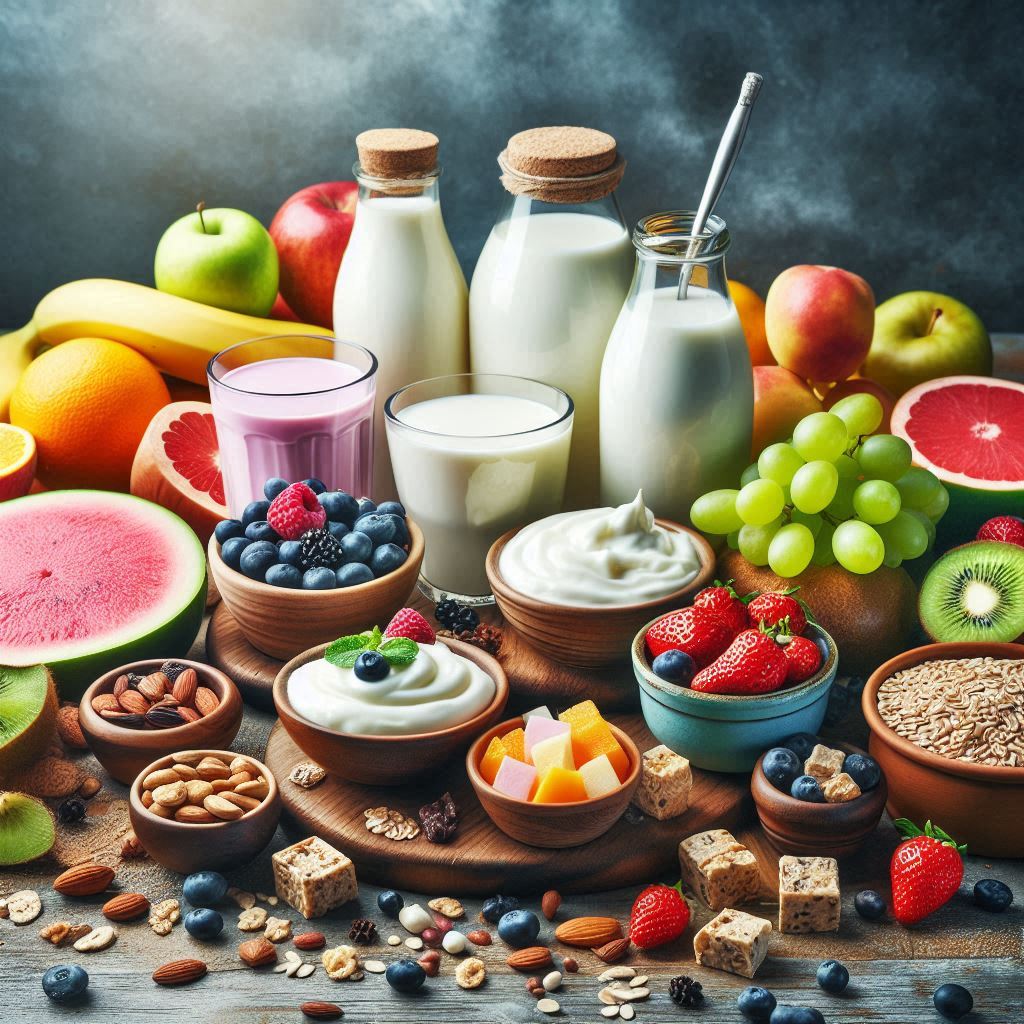
5. Low-fat Dairy Products: milk and natural yogurt.
Tips for Following a Low Glycemic Index Diet:
Implementing this diet does not have to be complicated; it can be gradually integrated into daily life:
1. Replace High-GI Foods with Low-GI Alternatives:
For example, choose whole wheat bread instead of white bread, brown rice instead of white rice, and oats instead of processed cereal flakes.
2. Focus on Balanced Meals:
It is best to combine protein, healthy fats, and fiber with low-GI carbohydrates to increase satiety and reduce blood sugar spikes.
3. Monitor Portion Sizes:
Even low-GI foods can affect blood sugar if consumed in large quantities, so portion control is important.
4. Avoid Sugary Drinks:
Juices and sodas accelerate sugar absorption; replacing them with water or green tea is preferable.
5. Plan Meals in Advance:
Preparing low-GI meals ahead of time makes it easier to stick to the diet and reduces the temptation to choose quick, unhealthy options.

Low Glycemic Index Diet and Weight Loss:
Following a low-GI diet can be effective for those looking to lose weight, but it works best alongside regular physical activity and a healthy lifestyle. Low-GI foods help control appetite, reduce overeating, and increase the chances of losing weight in a healthy and sustainable way.
Important Notes for Beginners:
1. Gradual Changes Are Better Than Sudden Shifts:
Introducing low-GI foods gradually helps the body adjust and makes adherence easier.
2. Pay Attention to Food Preparation:
Sometimes the GI classification depends on preparation methods, such as boiled versus mashed potatoes, so attention to cooking methods is important.
3. Low GI Does Not Mean Avoiding All Sugars:
Natural fruits and healthy dairy products can be low-GI even though they contain natural sugar.

Following a low-GI diet can be a smart step for anyone interested in healthy nutrition, whether to manage blood sugar levels, maintain weight, or improve daily energy. The key is to choose foods carefully, combine protein and fiber with carbohydrates, and monitor portion sizes. This approach does not rely on deprivation but on smart food choices that provide the body with sustained energy and a feeling of fullness throughout the day.
In the end, everyone has their own way of implementing it, but starting with small steps, such as replacing high-GI foods with low-GI alternatives, can make the journey toward healthy eating more realistic and enjoyable. For more information and tips on healthy nutrition and the Glycemic Index, Nutrition Travels provides all the details to help you adopt a healthy lifestyle in an enjoyable and easy way.