
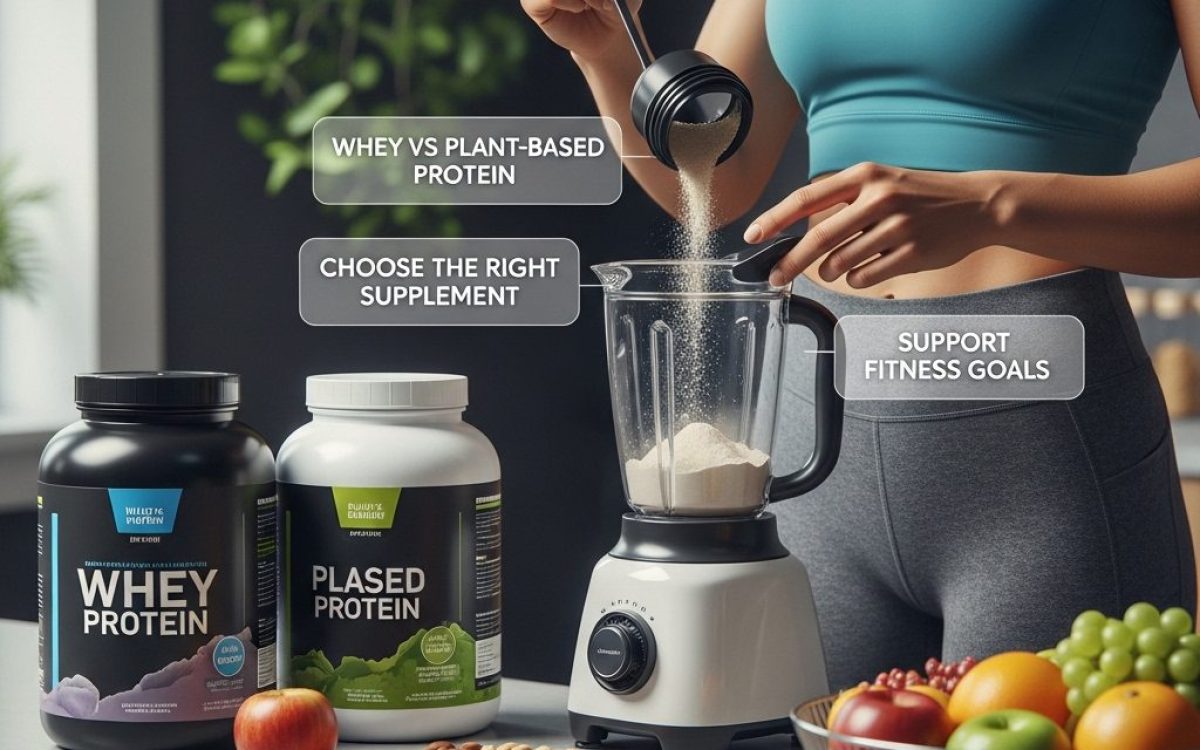
Protein powder is one of the most popular supplements among athletes, fitness enthusiasts, and health-conscious individuals. Yet, many wonder: is it really worth the investment, or can your daily protein needs be met through whole foods alone?
In this guide, we’ll break down the differences between whey protein and plant-based protein, helping you choose the right supplement for your dietary goals, fitness routine, and digestive health.
Why People Use Protein Powder
Protein powder offers a convenient, quick way to meet your daily protein requirements, especially if:
- You engage in intense workouts and need faster muscle recovery.
- Your schedule makes it difficult to consume enough protein through whole foods.
- You want to increase satiety and manage your weight effectively.
However: If your diet is already balanced and rich in protein (meats, eggs, legumes), protein powder may not be necessary.
Whey Protein (Animal-Based)
Source: Cow’s milk.
Benefits:
- Fast absorption and digestion, ideal for post-workout recovery.
- Complete protein with all essential amino acids, especially leucine, which triggers muscle protein synthesis.
- Rich in BCAAs (branched-chain amino acids) to reduce muscle fatigue and support recovery.
Drawbacks:
- Can cause digestive issues for those with lactose intolerance.
- Some brands contain added sugars or artificial flavors.
Best for:
- Rapid muscle building.
- Post-workout recovery and repair.
Plant-Based Protein
Source: Peas, soy, rice, hemp, and other plant-based blends.
Benefits:
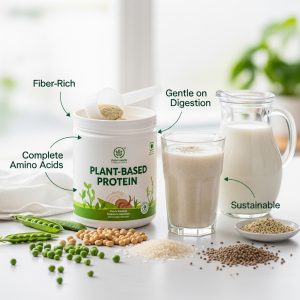
- Gentle on the digestive system, suitable for vegetarians and those with lactose sensitivity.
- High in fiber and micronutrients, promoting overall health and satiety.
- Sustainable and environmentally friendly compared to animal-based protein.
Drawbacks:
- Often incomplete in essential amino acids if sourced from a single plant. Using a blend ensures a complete amino acid profile.
- Slower absorption than whey, which may slightly affect rapid muscle gains.
Best for:
- Vegetarians, vegans, or anyone with dairy sensitivities.
- Those seeking a heart-healthy, fiber-rich supplement.
Is Protein Powder Worth Your Money?
Yes, if:
- You engage in high-intensity training and struggle to meet your protein needs through food.
- You need quick-digesting protein post-workout.
No, if:
- Your diet already provides sufficient protein.
- You use it as a meal replacement without considering calories, micronutrients, and macronutrients.
How to Choose the Right Protein Powder Based on Your Goal
|
Goal |
Recommended Protein |
Why |
|
Rapid Muscle Growth |
Whey Protein |
Fast absorption, complete BCAAs |
|
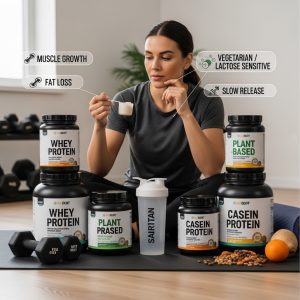
Vegetarian / Lactose Sensitive |
Plant-Based Protein |
Gentle digestion, high fiber |
|
Fat Loss / Cutting |
Plant-Based Protein | Increases satiety, lower calories |
|
Nighttime / Slow Release |
Casein or Plant-Based Blend |
Provides sustained amino acids overnight |
Expert Tips for Choosing a Protein Powder
- Read labels carefully: Avoid products with high sugar or artificial additives.
- Check for quality: Look for third-party certifications like NSF or Informed Choice.
- Consider digestive tolerance: If sensitive to dairy, choose plant-based protein or whey isolate.
- Timing matters: Whey protein post-workout (15–60 min), casein or plant-based protein before bed or as needed.
- Diversify plant sources: To ensure all essential amino acids are included, mix different plant proteins.
Whey vs. Plant Protein: Key Takeaways
- Whey Protein: Fastest and most efficient for muscle growth, ideal for athletes without lactose intolerance.
- Plant-Based Protein: Excellent for vegetarians, lactose-sensitive individuals, and digestive-friendly options.
- Effectiveness: Both types can support muscle building and recovery if consumed in adequate amounts within a balanced diet.
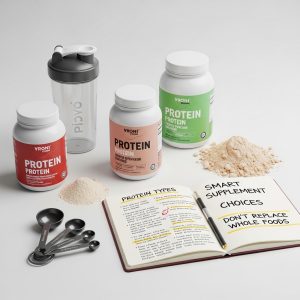
- Role of Protein Powder: Supplements are not magic—they fill dietary gaps rather than replace whole foods.
Practical Usage Guidelines
- Serving size: Stick to the recommended daily protein intake (1.6–2.2 g/kg body weight).
- Post-workout: Whey protein is ideal for quick recovery.
- Before bed / prolonged fasting: Casein or a slow-digesting plant protein blend.
- Quality first: Avoid cheap powders; check for sugar content and potential contaminants.
- Food first: Always prioritize whole food protein sources before supplements.
Protein powder can be a valuable tool for reaching your daily protein needs, supporting muscle growth, and speeding up recovery. Whether you choose whey protein for fast absorption or a plant-based protein for easier digestion and sustainability, your choice should align with your fitness goals, diet, and lifestyle.
Remember, whole foods should always come first—supplements are there to complement your diet, not replace it. When used wisely, protein powders are not a waste of money—they’re a smart investment in your health and performance.
For more tips, guides, and expert advice on nutrition and fitness, visit Nutrition Travels