Herbal supplements have become one of the fastest-growing trends in the world of wellness. Walk into any pharmacy, open any health blog, or scroll through social media, and you will find endless recommendations for herbs claiming to boost immunity, improve sleep, enhance memory, strengthen joints, support heart health, and more. They are marketed as “natural,” “safe,” and “risk-free.” But is that really true?
The truth is simple: herbal supplements can be powerful, beneficial, and life-changing when used correctly. But they can also come with real risks if used without proper knowledge. This is especially important for older adults, people taking long-term medications, and those with chronic conditions.
In this comprehensive guide, you will discover the real science behind herbal supplements, how they work inside the body, who should avoid them, and how to choose trusted products that actually deliver results without harming your health. If you are thinking about adding herbs to your daily routine, this article is your complete roadmap to doing it safely and confidently.
Why Are Herbal Supplements So Popular?
People are turning to herbal supplements for many reasons. Some want natural alternatives to medication. Others want to boost their general wellness. Many believe that herbs are safer simply because they come from plants. And while herbs have been used for thousands of years, today’s market is very different.
Modern herbal supplements come in concentrated forms that are far stronger than traditional teas used in ancient medicine. This is why understanding dosage, interactions, and safety is essential. Herbs are not “just plants.” They contain active compounds that can affect your body the same way medications do.
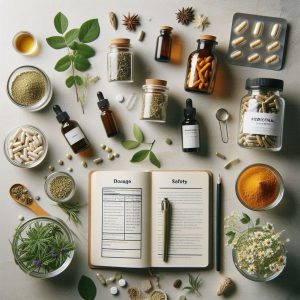
The Hidden Risks Behind Herbal Supplements
Herbs can offer impressive benefits, but they can also cause side effects, interact with medications, or worsen certain conditions if not used properly. Here are the most important risks you need to know.
1- Drug Interactions
This is the number one problem people face when using herbal supplements. Some herbs speed up how fast your liver breaks down medication. Others slow it down. This can make a medication dangerously strong or completely ineffective.
For example:
- St. John’s Wort can reduce the effectiveness of antidepressants, birth control pills, and heart medications.
- Ginseng can interact with blood thinners.
- Ginkgo biloba can increase the risk of bleeding.
Older adults are particularly at risk because they often take multiple medications daily.
2- Incorrect Dosages
Unlike prescription drugs, herbal supplements are not tightly regulated. This means:
- The active ingredient may be too low to have any benefit.
- Or it may be too high, increasing the risk of side effects.
- Some products may contain fillers, contaminants, or unlisted ingredients.
Choosing high-quality brands becomes essential if you want real results without harm.
3- Allergic Reactions
Even natural ingredients can cause allergies. Herbs like echinacea, chamomile, or ginkgo can trigger reactions in sensitive individuals, especially those allergic to plants from the daisy family.
4- Health Conditions That Can Be Worsened
Some herbs can worsen chronic diseases, including:
- High blood pressure
- Diabetes
- Kidney disease
- Liver disease
- Thyroid disorders
This is why people with long-term health issues must be extra cautious.
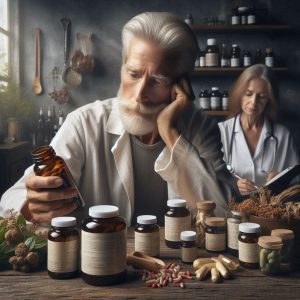
The Benefits of Herbal Supplements When Used Safely
Now for the good news: when used correctly, herbal supplements can bring real improvements to your overall health.
1- Boosting Immunity
Elderberry, echinacea, and astragalus are widely studied for their immune-supporting properties.
2- Managing Stress and Improving Sleep
Ashwagandha, valerian root, holy basil, and lemon balm are popular for reducing stress hormones and improving sleep quality.
3- Supporting Cognitive Health
Ginkgo biloba and bacopa may enhance memory and concentration, especially for older adults.
4- Improving Digestion
Peppermint, ginger, and fennel help soothe the digestive tract and reduce bloating.
5- Anti-Inflammatory Benefits
Turmeric and boswellia contain natural anti-inflammatory compounds that support joint health and mobility.
The key is choosing the right herb for the right purpose, in the right dosage, and from a trusted source.
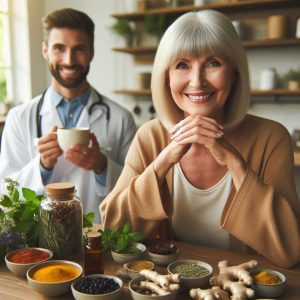
Are Herbal Supplements Safe for Older Adults?
Older adults are the group most likely to use herbal supplements, and also the group most at risk. With age, the body processes substances differently. Kidneys and liver functions slow down, and medications accumulate more easily.
This makes herbal-drug interactions far more dangerous.
If you or someone you care for is over 60, here are essential guidelines:
- Never start a new herb without checking for interactions.
- Avoid herbs known to affect blood pressure or blood thinners unless approved by a doctor.
- Start with the lowest effective dose.
- Choose supplements tested for purity and potency.
- Monitor for any unusual symptoms after starting an herb.
Herbal supplements can still be safe, but older adults must be more disciplined and informed.
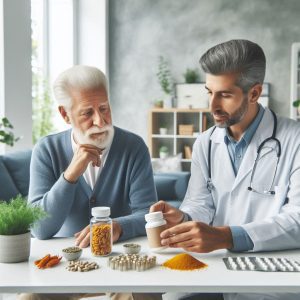
How to Choose Safe, High-Quality Herbal Supplements
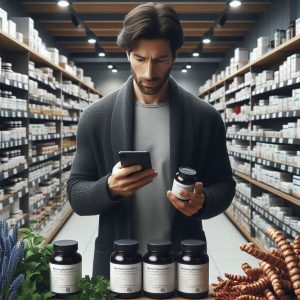
Not all supplements are equal. Some brands offer pure, tested, medically-reviewed products. Others are low quality, misleading, or unsafe.
Here’s how to choose wisely.
1- Look for Third-Party Testing
Trustworthy brands will be verified by labs such as:
USP
NSF
ConsumerLab
This ensures the product contains what it claims, without contamination.
2- Avoid Supplements with Long Ingredient Lists
More ingredients mean more risk of interactions and side effects. Choose products with clear, simple formulas.
3- Check the Standardization
Herbs like ginseng or ginkgo should list a standardized extract percentage. This ensures consistent potency in every capsule.
4- Read Customer Reviews Carefully
Look for feedback about effectiveness, side effects, and product quality.
5- Consult a Healthcare Professional
Especially if you take medication, have a chronic condition, or are over 60.
When Should You Avoid Herbal Supplements Altogether?
You should avoid herbs completely if you:
- Are pregnant or breastfeeding unless medically approved.
- Have kidney or liver disease.
- Take blood thinners, heart medication, or antidepressants.
- Have severe allergies to plants.
- Are preparing for surgery (herbs can affect bleeding and anesthesia).
If any of these situations apply to you, always consult a doctor before introducing herbs into your routine.
The Final Word: Are Herbal Supplements Safe?
Yes — but only when used responsibly.
Herbal supplements can be powerful allies in improving your health, boosting your energy, and supporting your daily wellness routine. But they must be chosen carefully, taken in the right dosage, and checked for interactions, especially for older adults or people on prescription medications.
The safest approach is simple: stay informed, choose quality, and listen to your body.

Ready to Explore Safe, Science-Backed Wellness?
If you want trusted guides, expert-backed articles, and practical tips that help you live healthier every day, visit Nutrition Travels. Your journey to safe, intelligent, and effective wellness starts now.
Let Nutrition Travels be your destination for a healthier life.