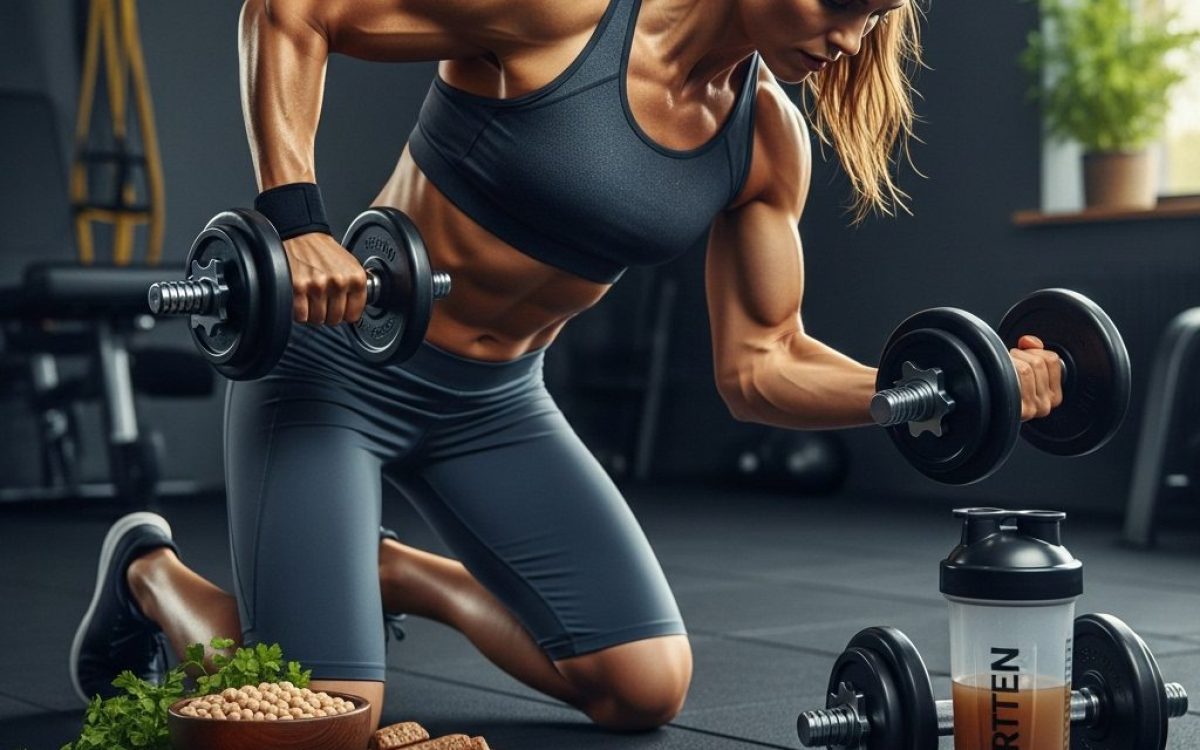
For many years, building muscle was strongly linked to animal protein. But today, more athletes are proving that a vegan diet can be just as effective for muscle growth—when done the right way. With proper planning, diverse protein sources, and smart training, a plant-based diet can fully support strength, recovery, and performance.
In this guide, you’ll learn how to build muscle on a vegan diet, the best plant-based protein sources for athletes, and practical strategies to maximize muscle growth without animal products.
Can You Really Build Muscle on a Vegan Diet?
Yes—absolutely. Muscle growth depends on three main factors:
- Adequate protein intake
- Calorie surplus
- Progressive resistance training
A vegan diet can meet all these requirements as long as protein sources are varied to provide all essential amino acids. Many elite athletes and bodybuilders now rely on plant-based nutrition to build lean, strong muscles while also improving recovery and heart health.
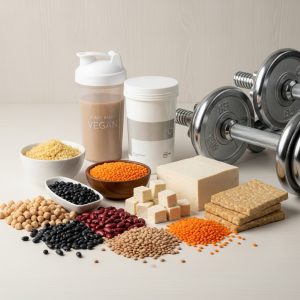
The Basics of Muscle Building for Vegans
1. Complete Protein Matters
Unlike animal protein, many plant proteins are incomplete on their own. However, combining different sources creates a complete amino acid profile.
Examples:
- Rice + beans
- Lentils + whole grains
- Hummus + whole wheat bread
This combination strategy ensures your muscles receive everything they need to grow.
2. How Much Protein Do Vegan Athletes Need?
For muscle building, vegan athletes should aim for:
- 6–2.2 grams of protein per kilogram of body weight per day
Because plant protein digestion and absorption can be slightly lower, many vegans benefit from staying near the higher end of this range.
3. Calorie Surplus Is Essential
To build muscle, your body must consume more calories than it burns.
- Recommended surplus: 300–500 calories per day
Healthy calorie-dense foods like nuts, seeds, avocados, whole grains, and legumes help achieve this without excessive volume.
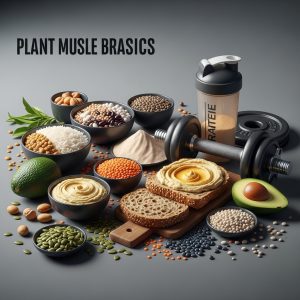
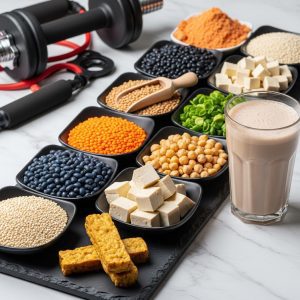
Top Plant-Based Protein Sources for Athletes
1. Soy Products (Complete Protein Champions)
Soy is one of the best plant-based protein sources because it contains all essential amino acids.
Best options:
- Tofu
- Tempeh
- Edamame
- Soy milk
Half a cup of edamame provides around 9–10 grams of protein, making it perfect for meals or snacks.
2. Legumes and Lentils
Legumes are the foundation of many vegan muscle-building diets.
High-protein options include:
- Lentils
- Chickpeas
- Black beans
- White beans
- Fava beans
Cooked lentils can provide up to 18–25 grams of protein per cup, plus fiber for digestion and gut health.
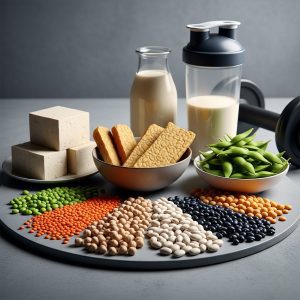
3. Whole Grains and Pseudograins
Some grains offer impressive protein content, especially when paired with legumes.
Best choices:
- Quinoa (a complete protein)
- Oats
- Brown rice
- Buckwheat
Quinoa delivers around 8 grams of protein per cup and works well in both savory and sweet meals.
4. Nuts and Seeds
Nuts and seeds offer protein, healthy fats, and minerals that support recovery.
Top options:
- Almonds
- Peanuts & peanut butter
- Walnuts
- Chia seeds
- Flaxseeds
- Hemp seeds
- Pumpkin seeds
Just 2 tablespoons of hemp seeds provide about 10 grams of protein, plus omega-3 fats.
5. Plant-Based Protein Supplements
Protein powders are extremely useful for athletes with high protein needs.
Best vegan options:
- Pea protein
- Rice protein
- Soy protein
- Pea + rice blends (complete amino acids)
A single shake can deliver 20–30 grams of fast-absorbing protein, ideal post-workout.
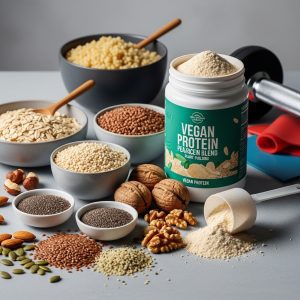
Post-Workout Nutrition for Vegan Athletes
After training, muscles enter a recovery phase known as the anabolic window. Consuming protein within 30–60 minutes supports muscle repair and growth.
Best Vegan Post-Workout Meals:
- Protein shake (pea or soy protein + banana + plant milk)
- Grilled tofu with vegetables
- Quinoa salad with chickpeas
- Soy yogurt with chia seeds
Adding carbohydrates helps refill glycogen stores and speeds recovery.
Micronutrients Vegans Must Watch
A successful vegan muscle-building diet also requires attention to key micronutrients:
- Vitamin B12: Essential for energy and nerve function (supplement recommended)
- Iron: Lentils, spinach, legumes (pair with vitamin C)
- Calcium: Fortified plant milks, leafy greens
- Omega-3: Chia seeds, flaxseeds, walnuts
- Magnesium & Zinc: Nuts, seeds, whole grains
Monitoring these nutrients ensures optimal performance and long-term health.
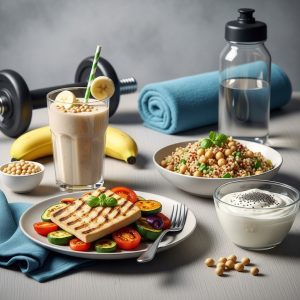
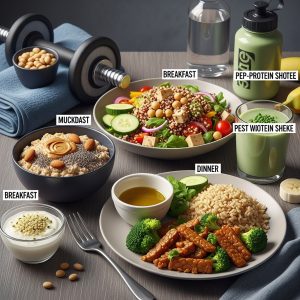
Sample Vegan Muscle-Building Day
Breakfast:
Oatmeal with chia seeds, almond butter, and vegan protein powder
Lunch:
Quinoa salad with chickpeas, tofu, olive oil, and vegetables
Snack:
Soy yogurt with hemp seeds
Dinner:
Tempeh stir-fry with brown rice and broccoli
Post-Workout:
Pea protein shake with banana
Training Still Matters
No diet builds muscle without proper training. Vegan athletes should focus on:
- Progressive overload (increasing weights)
- Compound movements (squats, deadlifts, presses)
- 7–9 hours of sleep
- Proper hydration
Muscles grow during recovery, not just workouts.
Final Thoughts: Vegan Muscle Building Is 100% Possible
Building muscle on a vegan diet is not only possible—it can be highly effective. By focusing on diverse protein sources, maintaining a calorie surplus, and training consistently, plant-based athletes can achieve impressive strength and muscle gains.
A well-planned vegan diet supports muscle growth while also improving heart health, digestion, and recovery. With the right approach, plants can power performance at every level.
For more nutrition guides, athletic meal ideas, and evidence-based wellness content, explore more articles on Nutrition Travels—your destination for smart, sustainable health and fitness.