
When it comes to weight loss, many people wonder which diet is more effective: high-protein or low-carb. Both approaches are popular and focus on modifying macronutrient intake to help the body burn fat, reduce appetite, and improve overall health. Although they share some similarities, they work in distinct ways and suit different goals, lifestyles, and preferences.
Understanding the differences between these diets can help you choose the one that fits your needs, whether your priority is rapid weight loss, muscle preservation, or long-term health.
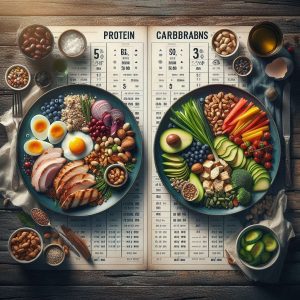
What Is a Low-Carb Diet?
A low-carb diet focuses on significantly reducing carbohydrate intake, often to less than 50-150 grams per day, depending on the specific plan. Popular low-carb approaches include the Ketogenic (Keto) diet and the Atkins diet.
The main idea is to force the body to use stored fat for energy instead of glucose. This metabolic shift, called ketosis, occurs when carbohydrate intake is extremely low, prompting the liver to convert fat into ketones, which become an alternative energy source.
Benefits of Low-Carb Diets:
- Rapid initial weight loss: Much of the weight loss during the first few weeks is water weight and glycogen depletion.
- Improved blood sugar levels: Reducing carbs helps stabilize insulin and glucose, making it particularly beneficial for those with prediabetes or type 2 diabetes.
- Reduced appetite: Higher fat and protein content in meals help control hunger naturally.
- Fat burning: Encourages the body to burn stored fat for energy rather than relying on carbohydrates.
Potential Drawbacks:
- Restrictive and challenging to maintain long-term.
- Can cause fatigue, digestive issues, and nutrient deficiencies if not planned carefully.
- May lead to initial loss of muscle mass if protein intake is insufficient.

What Is a High-Protein Diet?
High-protein diets focus on increasing protein intake, which promotes satiety, supports muscle maintenance, and increases the thermic effect of food (the calories burned during digestion). Unlike strict low-carb diets, high-protein diets can still include moderate carbohydrates and healthy fats, making them more flexible.
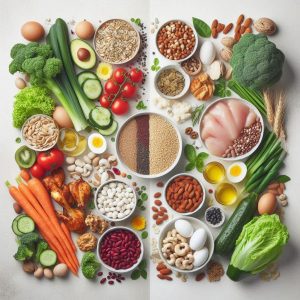
Typical high-protein foods:
- Lean meats: chicken, turkey, beef
- Fish and seafood
- Eggs and egg whites
- Legumes and soy products
- Low-fat dairy and Greek yogurt
- Nuts and seeds
Benefits of High-Protein Diets:
- Enhanced satiety: Helps control appetite and reduces overall calorie intake.
- Muscle preservation: Maintains lean muscle mass, which is crucial for long-term weight management and metabolism.
- Boosted metabolism: Protein requires more energy to digest compared to carbs and fat, slightly increasing calorie burn.
- Sustainable: Easier to follow long-term compared to very restrictive diets.
Potential Drawbacks:
- Overemphasis on protein without sufficient fiber or healthy fats may cause digestive discomfort or dehydration.
- Weight loss may be slower initially compared to low-carb diets, as water weight is lost more slowly.

Comparing High-Protein and Low-Carb Diets
While both diets can lead to fat loss, they differ in approach, results, and sustainability.
|
Feature |
Low-Carb Diet |
High-Protein Diet |
|
Primary Goal |
Shift energy source from carbs to fats (ketosis) |
Increase satiety, preserve muscle, support metabolism |
|
Carb Flexibility |
Very low, often <50g/day | Moderate, includes complex carbs |
|
Protein Focus |
Moderate | High |
| Fat Intake | High |
Moderate |
| Weight Loss Speed | Rapid initially |
Gradual but sustainable |
|
Satiety |
Moderate |
High |
| Best For | Fast fat loss, blood sugar control |
Muscle preservation, appetite control, long-term weight management |

How They Work Differently
- Low-Carb: Reduces insulin spikes and encourages the body to burn fat. Often results in faster initial weight loss but may cause water loss and temporary fatigue.
- High-Protein: Increases fullness, helps maintain muscle, and boosts metabolism, making weight loss sustainable over the long term.
In many ways, the two diets complement each other. For example, a high-protein diet can be moderately low in carbs, providing both satiety and fat-burning benefits without extreme restrictions.
Who Should Choose Which Diet?
Low-Carb Diet May Be Best If:
- Your goal is fast initial weight loss.
- You want to control blood sugar or manage type 2 diabetes.
- You are comfortable with restricting certain food groups temporarily.
High-Protein Diet May Be Best If:
- You want to preserve or build muscle.
- You prefer a more flexible eating plan with moderate carbs.
- You are focused on long-term weight management and appetite control.
Combination Approach:
Many nutrition experts recommend combining both strategies: high protein plus moderate, healthy carbs from vegetables, fruits, legumes, and whole grains. This balance supports energy, satiety, and fat loss while reducing the risk of nutrient deficiencies.

Tips for Success on Either Diet
- Prioritize Protein and Fiber: Both help you feel full and reduce overall calorie intake.
- Choose Complex Carbs: Brown rice, oats, quinoa, and whole-grain bread are better than refined carbs.
- Stay Hydrated: Water supports metabolism and helps manage hunger.
- Limit Sugar and Processed Foods: Minimize sweets, sugary drinks, and refined grains.
- Exercise Regularly: Cardio and strength training help preserve muscle and promote fat loss.
- Track Your Progress: Tools like MyFitnessPal can help monitor your macronutrient intake.
Sample Meal Ideas
High-Protein Day:
- Breakfast: Scrambled eggs with spinach and a side of Greek yogurt
- Lunch: Grilled chicken with quinoa and roasted vegetables
- Dinner: Baked salmon with broccoli and a small portion of sweet potato
- Snacks: Nuts, boiled eggs, or protein shakes
Low-Carb Day (Keto-Inspired):
- Breakfast: Omelet with cheese, avocado, and mushrooms
- Lunch: Grilled salmon with a salad of leafy greens and olive oil
- Dinner: Chicken stir-fry with zucchini noodles and sesame oil
- Snacks: Almonds, cheese slices, or celery with peanut butter
There is no absolute “winner” between high-protein and low-carb diets. Both can help you lose weight and improve health when followed correctly. The choice depends on your personal goals, preferences, and ability to maintain consistency.
- High-Protein: Promotes satiety, supports muscle maintenance, and is sustainable for long-term weight management.
- Low-Carb: Can deliver faster initial fat loss and better blood sugar control but requires careful planning for sustainability.
The ideal approach often combines the strengths of both: plenty of protein, moderate healthy carbs, and minimal refined sugars. Focus on whole, nutrient-dense foods, maintain an overall calorie deficit, stay active, and make gradual lifestyle changes for lasting results.
For personalized guidance, meal plans, and nutrition tips, visit Nutrition Travels and take your first step toward a healthier, stronger, and more energized you