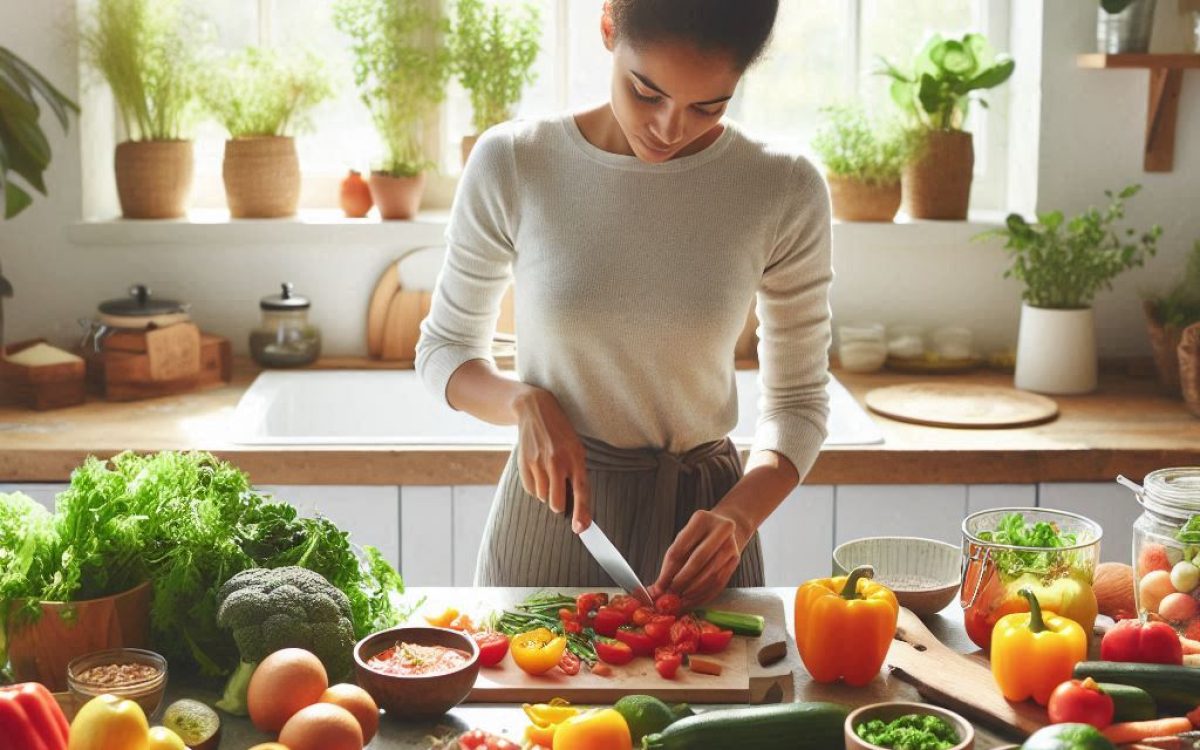
In today’s fast-paced life, many people find themselves cooking just for themselves, whether due to being single, working from home, or simply preferring to enjoy their meals alone. Although cooking for one might seem difficult or impractical, nutrition experts suggest that this experience can be enjoyable, healthy, and also budget- and eco-friendly if approached correctly.
Why Healthy Cooking for One Matters:
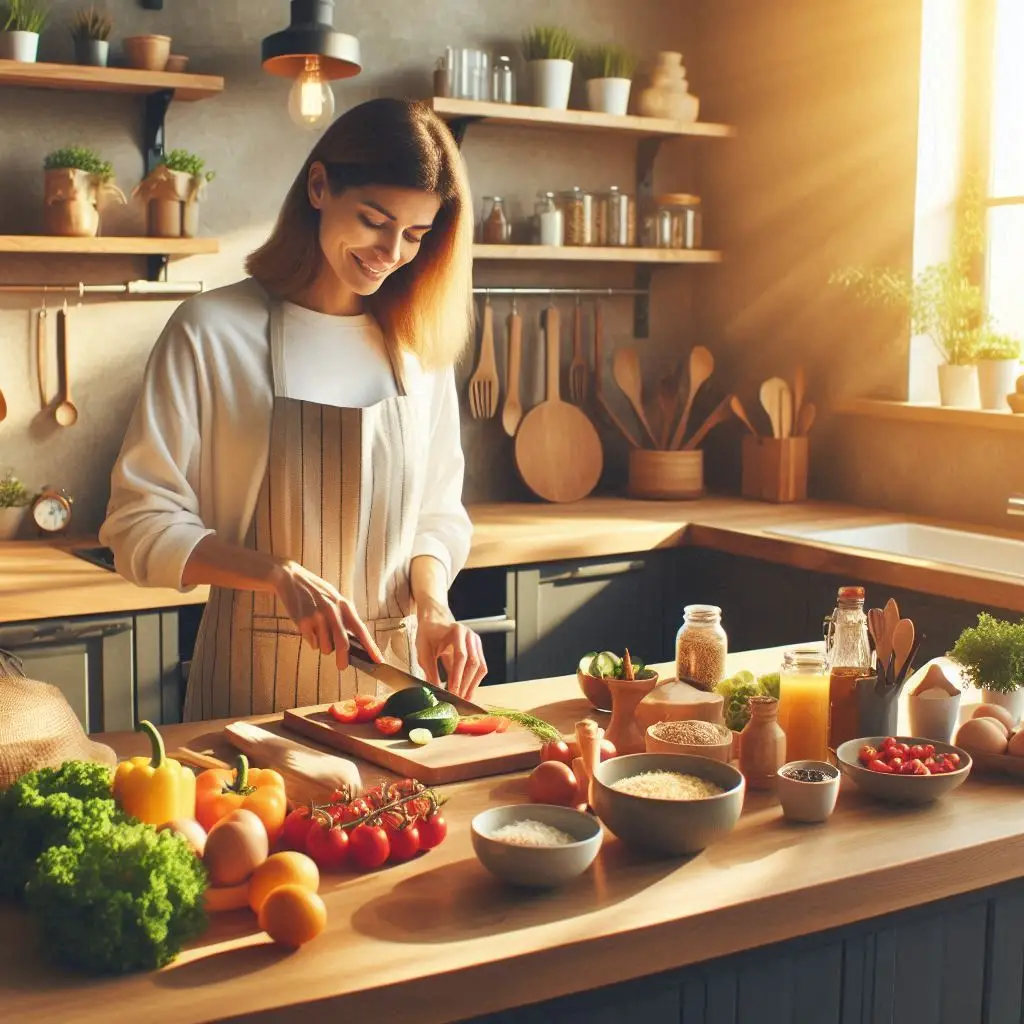
One of the easiest ways to improve your mental and physical health is by preparing more meals at home. Cooking for yourself gives you greater control over your meal ingredients, enabling you to reduce additives and calories that are often added to ready-made or processed meals. Improving your diet with simple, healthy home-cooked meals can help reduce the risk of serious illnesses, increase your energy, improve mental focus, aid in weight management, and enhance your ability to handle stress, anxiety, and depression.
In addition, cooking for one offers a chance for experimentation and creativity. You can try new recipes, adjust spices to your taste, and discover flavor combinations that suit you without any comparisons to others.

Main Challenges in Healthy Cooking for One:
Despite the many benefits, there are some challenges faced by those who cook for themselves:
1. Food waste: Buying ingredients in large quantities can lead to food spoiling before it’s used, especially vegetables and fruits.
2. Maintaining dietary variety: Cooking for one might lead to repeating the same recipes for convenience, which can reduce nutritional diversity.
3. Time and effort: Preparing small meals may feel like a waste of time, especially for those used to cooking in large quantities for family or groups.
Strategies for Healthy, Waste-Free Cooking:
1. Careful Meal Planning:
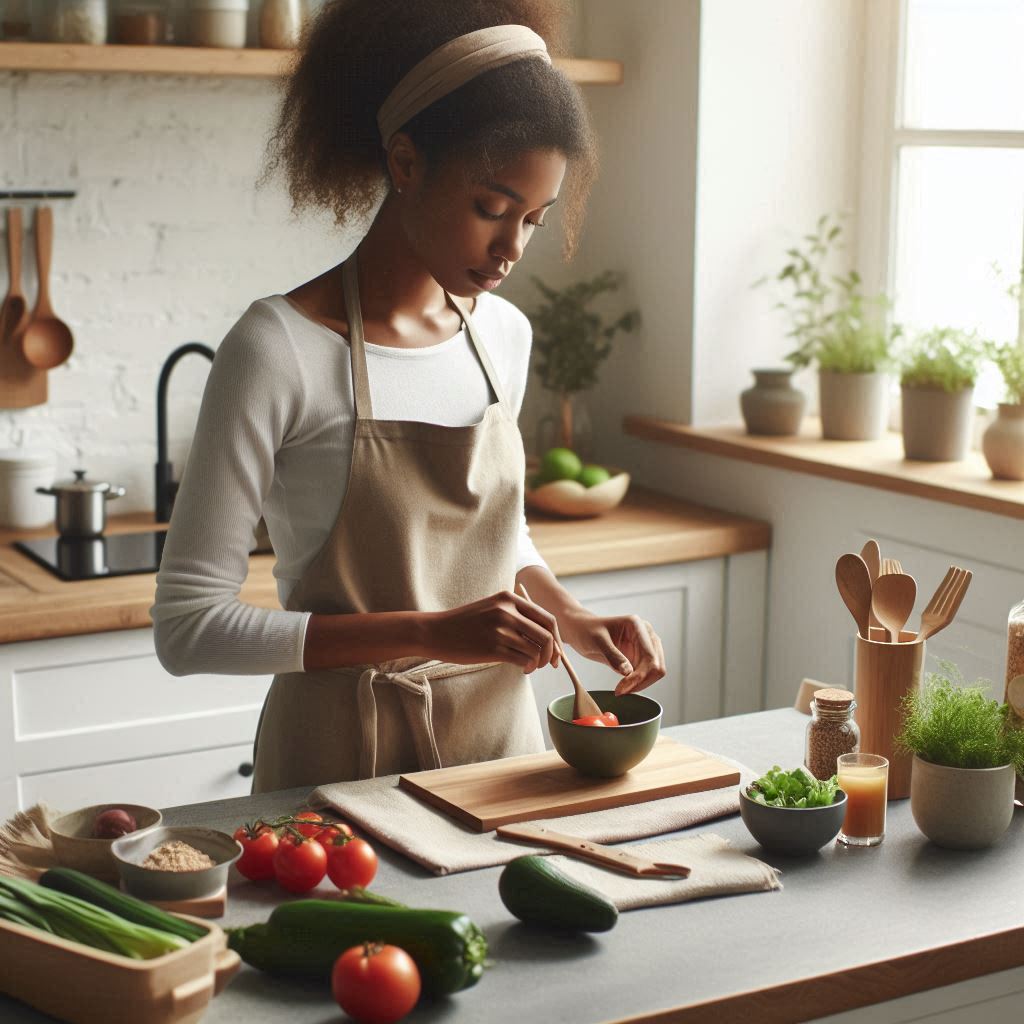
One of the most important ways to avoid waste is planning meals before going shopping. Thinking about two or three meals for a day or two can reduce purchasing unused ingredients. Making a precise shopping list while considering quantities suitable for one person, and focusing on versatile ingredients like tomatoes and eggs, is highly effective.
2. Use Long-Lasting Ingredients:
Some vegetables and fruits, like carrots, potatoes, cabbage, and apples, can be stored longer without spoiling. Additionally, frozen proteins such as fish and chicken allow for quick meal prep without waste.
3. Cook in Small Portions:
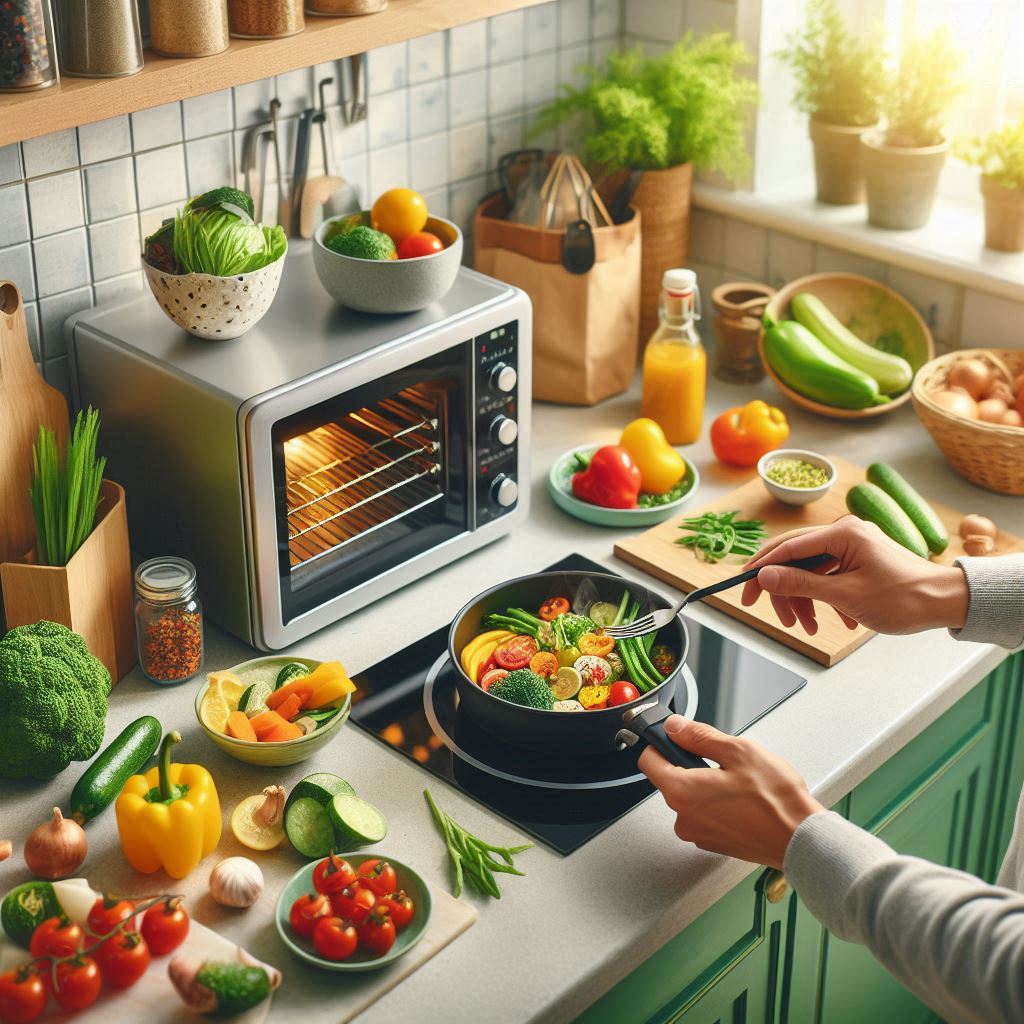
It’s possible to cook half the usual recipe to avoid leftovers that might go unused. Using tools like small pans or mini ovens for individual portions can reduce waste and make cooking more enjoyable.
4. Store Leftovers Smartly:
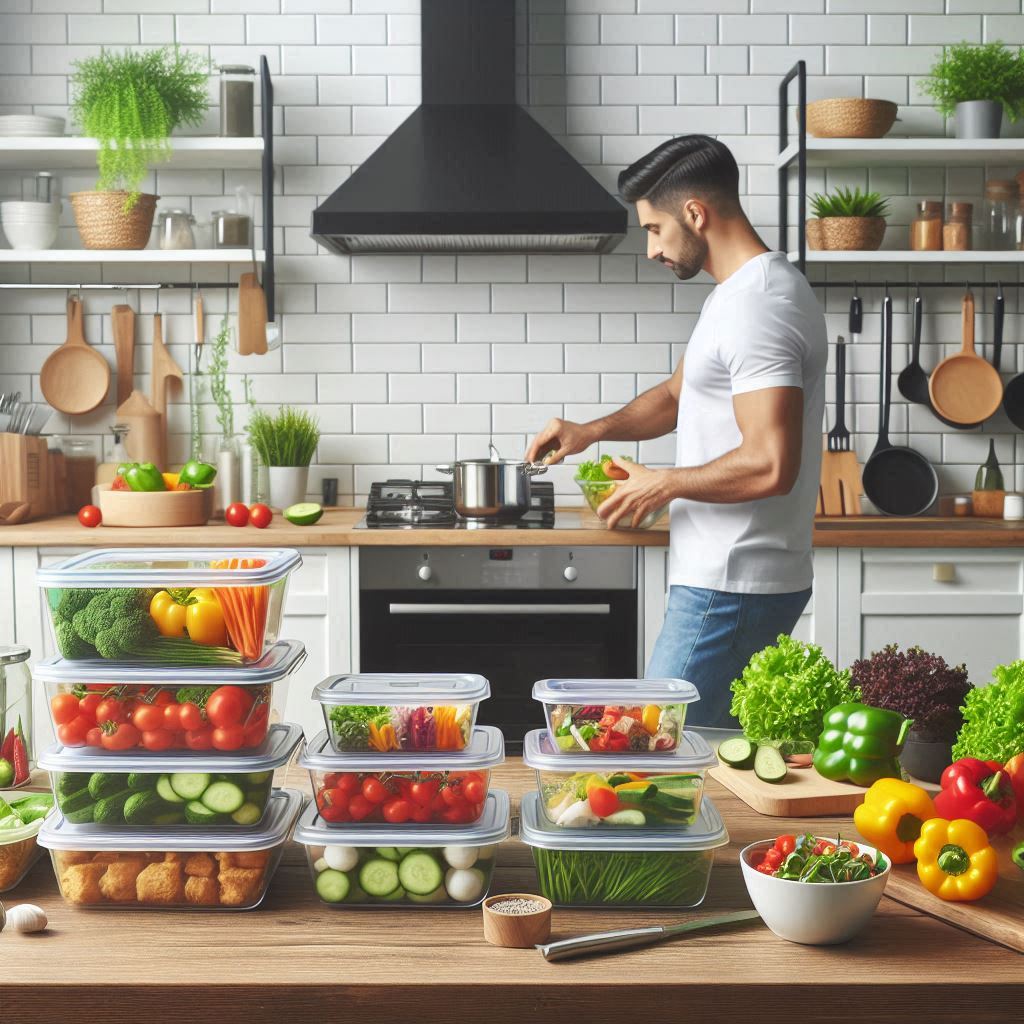
Even if one meal is cooked in larger quantities than needed, leftovers can be stored properly for later use. Using airtight containers, refrigerating, or freezing food ensures that flavors and nutritional quality are preserved.
5. Simplify Recipes Without Losing Nutrition:
Healthy cooking for one doesn’t require complicated recipes. Simple, quick meals can be relied upon, such as:
- Quinoa salad with fresh vegetables and grilled chicken.
- Egg dishes with spinach and tomatoes.
- Lentil or vegetable soup with whole-grain bread.
These meals don’t take much time and include all essential nutrients.
Tips to Save Time and Effort:
1. Prepping in advance: Preparing some ingredients like chopped vegetables or cooked grains at the beginning of the week can reduce daily cooking time.
2. Use multifunctional tools: Appliances like air fryers make cooking small portions easier.
3. Batch cooking: Preparing larger meals at once and storing them can save time on following days.
Healthy cooking for one isn’t just a challenge; it’s an opportunity to discover freedom in ingredient choices and have full control over your nutrition. With good planning, smart ingredient choices, and simple strategies to avoid waste, anyone can enjoy delicious, nutritious meals without stress.
At Nutrition Travels, you can find all the information and tips to enjoy cooking for one, experiment with healthy, tasty recipes, avoid waste, and feel satisfied with every carefully prepared meal.