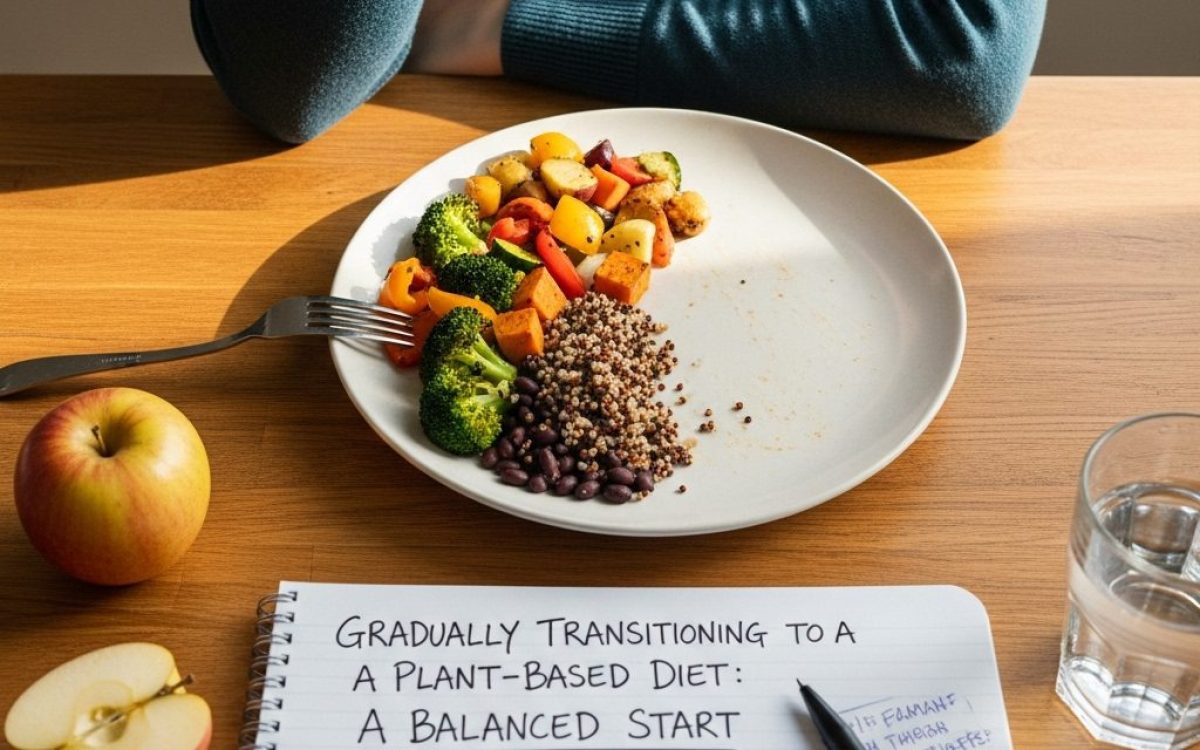
Transitioning to a plant-based diet is a healthy and mindful decision, but it can feel overwhelming at first—especially for those accustomed to a diet rich in meat and animal products. This is where a gradual transition to a plant-based diet becomes essential. It focuses on steady change rather than sudden elimination, making the experience easier and more sustainable in the long run.
The goal of this article is not to impose a strict regimen, but to help you build a balanced plant-based foundation that respects your body’s needs and your lifestyle.
Why Is a Gradual Transition to a Plant-Based Diet Recommended?
A sudden shift may lead to:
- Feelings of fatigue or constant hunger
- Initial nutrient deficiencies
- Difficulty maintaining long-term commitment
In contrast, a gradual transition to a plant-based diet relies on small, manageable steps that allow both body and mind to adapt while preserving energy and nutritional balance.
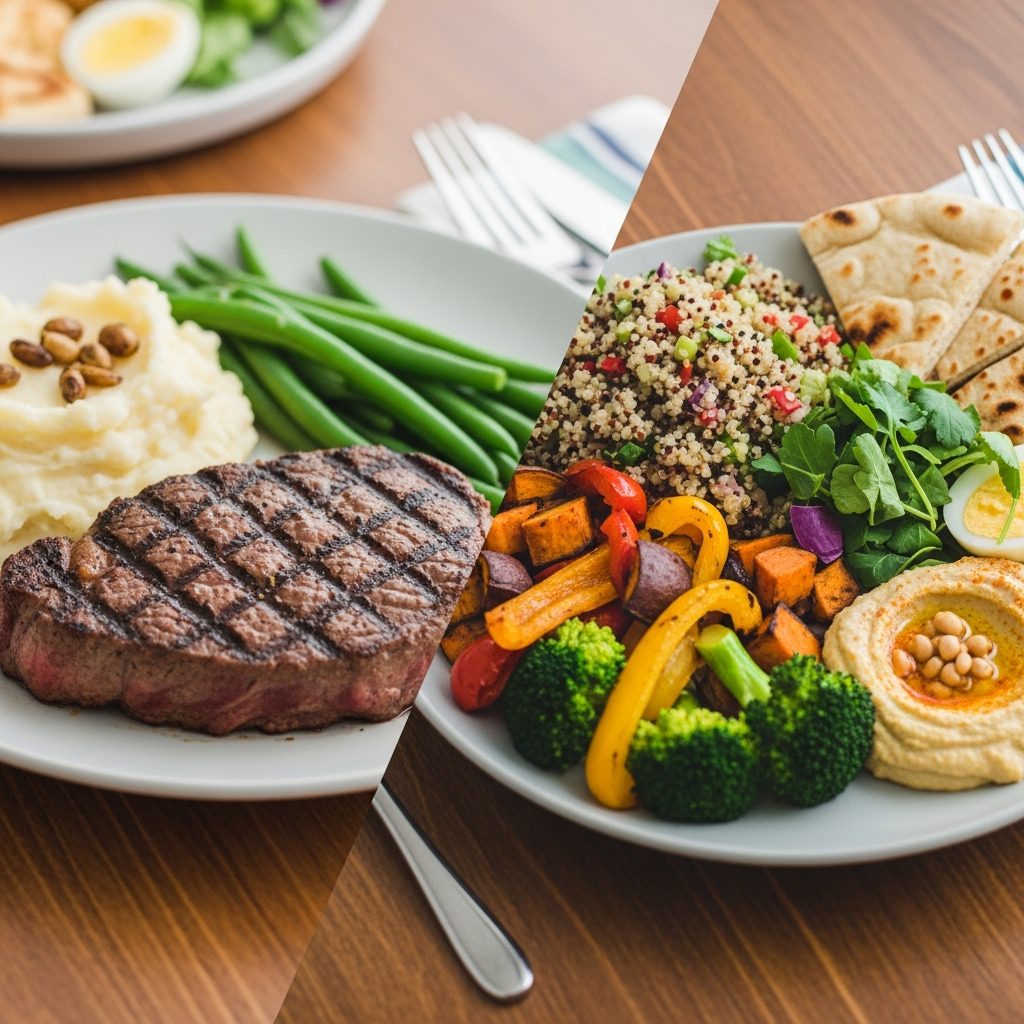
Gradually Transitioning to a Plant-Based Diet : Assess Your Current Diet
Before making changes, ask yourself:
- Which animal-based foods do I consume most?
- Which meals can be easily adjusted?
- Do I rely heavily on fast food or processed products?
This assessment helps you create a realistic transition plan instead of making unstructured changes.
Reduce Meat Instead of Eliminating It Immediately
A core principle of transitioning gradually is cutting back on meat over time:
- Choose two or three meat-free days per week
- Replace meat in certain meals with legumes
- Focus on whole plant-based meals rather than processed substitutes
This approach reduces feelings of deprivation and makes the change feel natural.
Get to Know Plant-Based Protein Sources
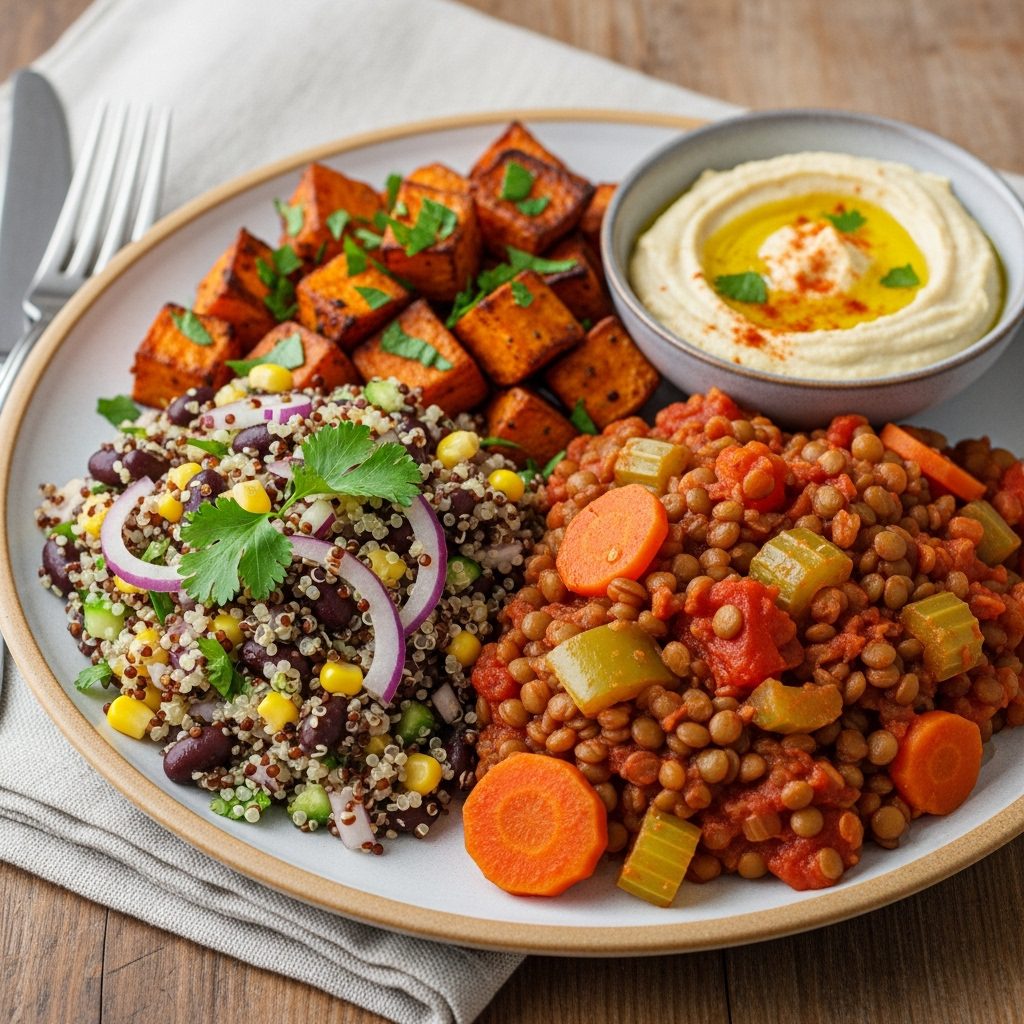
One of the biggest concerns when switching to a plant-based diet is protein intake. In reality, options are abundant:
- Lentils, chickpeas, and fava beans
- All types of beans
- Tofu and tempeh
- Nuts and seeds
Introducing these foods gradually is a key part of a healthy plant-based transition.
Step Four: Focus on Whole Foods, Not Processed Ones
A plant-based diet does not mean relying solely on ready-made foods.
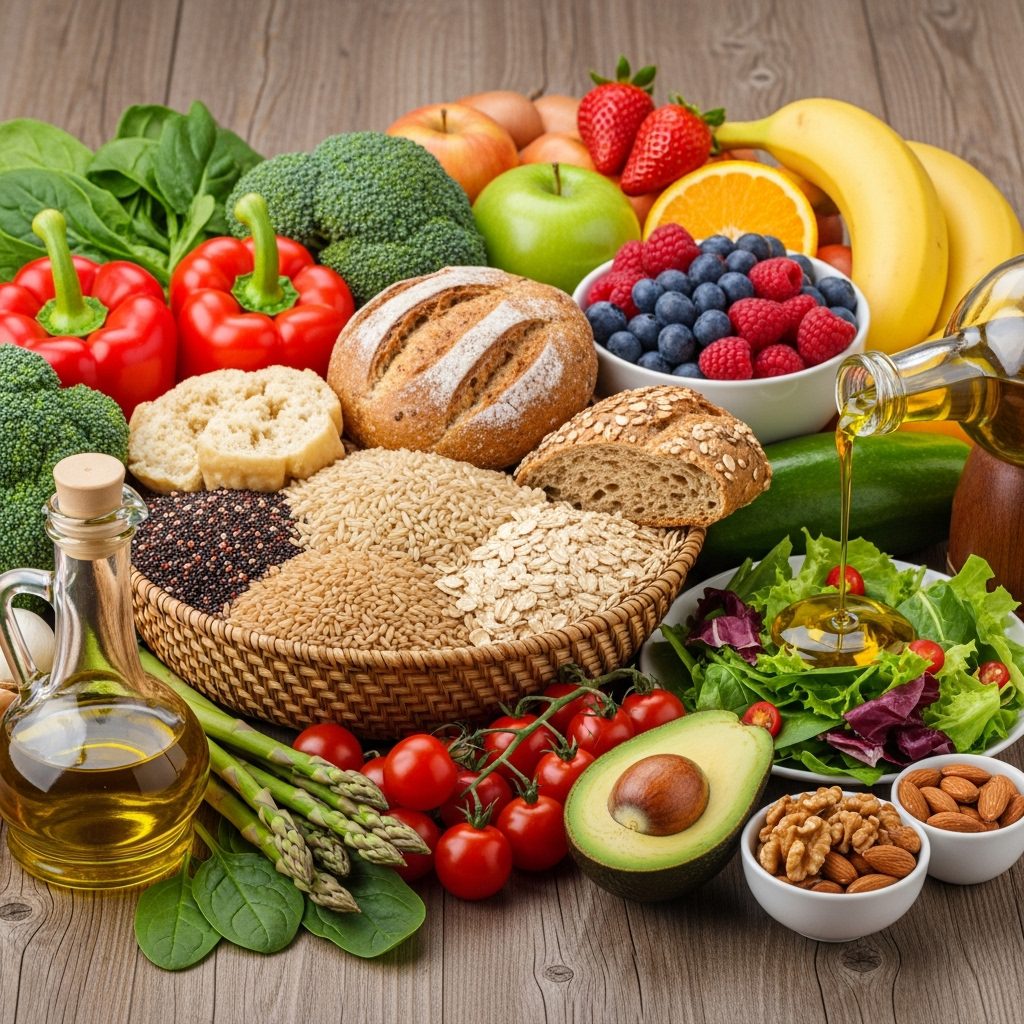
Try to prioritize:
- Whole grains
- A variety of vegetables
- Fresh fruits
- Healthy fats such as olive oil and avocado
The closer a meal is to its natural form, the greater its benefits and digestibility.
Step Five: Don’t Overlook Essential Nutrients
During your transition, pay attention to nutrients such as:
- Iron
- Vitamin B12
- Calcium
- Omega-3
At this stage, simply being aware of plant-based sources is enough—there’s no need for excessive worry.
Step Six: Listen to Your Body
Gradual change allows you to observe:
- Energy levels
- Satiety
- Digestion
- Mood
Persistent negative changes indicate a need to rebalance—not to abandon the idea entirely.
Transitioning to a plant-based diet is not a race; it’s a journey. With a gradual, flexible approach, the journey becomes smoother and more enjoyable.
Once the foundation is set and animal products are reduced, the next crucial phase begins: maintaining consistency without boredom or deficiency. This is where planning and awareness matter most. A successful transition isn’t just about what you remove from your plate, but what you add thoughtfully.

Common Mistakes During the Transition
Many people struggle early on due to simple missteps, such as:
- Relying too heavily on carbohydrates without enough protein
- Replacing meat with overly processed plant-based foods
- Neglecting meal planning
- Expecting very rapid results in energy or weight
Avoiding these mistakes makes the experience more balanced and sustainable.
Transitioning to a Plant-Based Diet : Eating Plant-Based Outside the Home
Dining out or traveling doesn’t mean abandoning your transition.
You can stay flexible by:
- Choosing restaurants with plant-based or customizable options
- Focusing on salads rich in legumes and whole grains
- Requesting meals without animal-based additions when possible
- Not stressing over an occasional imperfect meal
Flexibility is a key part of success, not a weakness.
Weekly Planning: The Key to Consistency
Simple planning saves time and effort:
- Choose two or three core plant-based meals per week
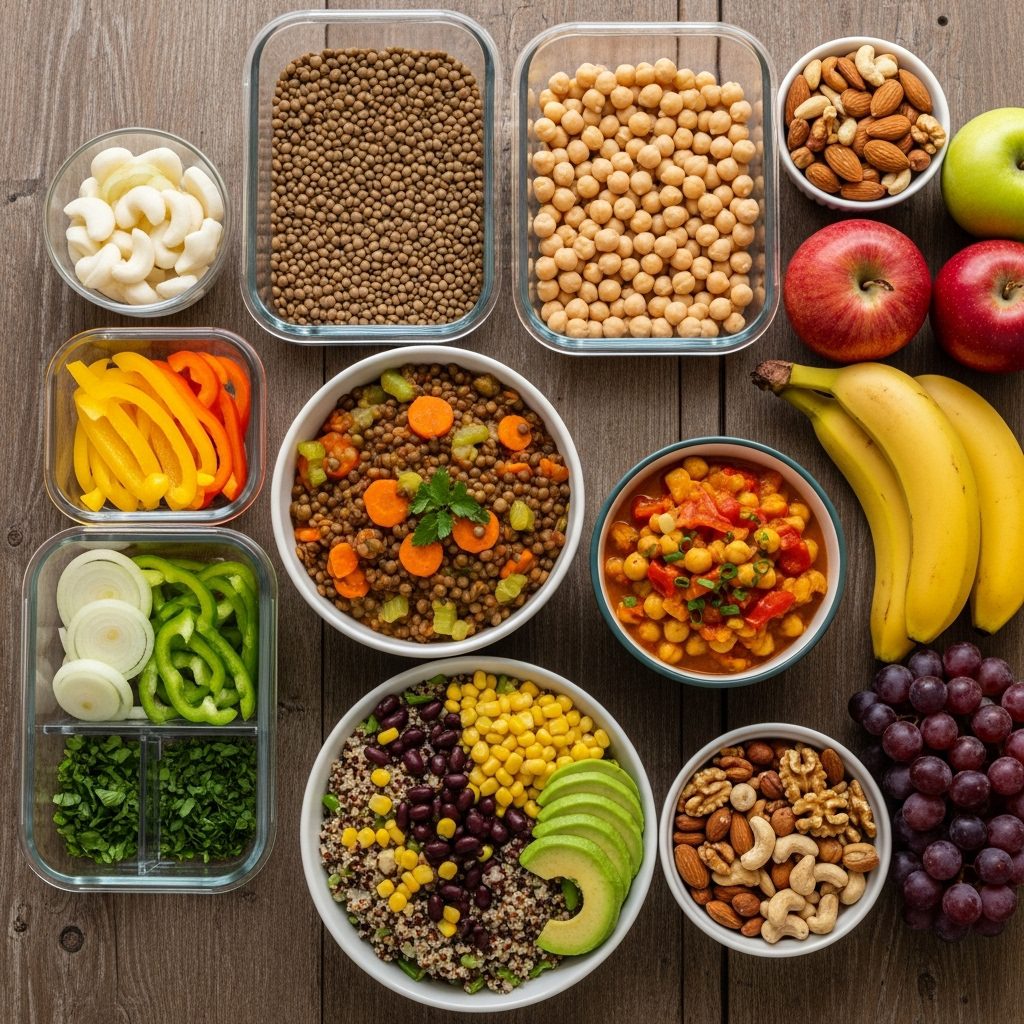
- Prepare ingredients like lentils or chickpeas in advance
- Keep quick options such as nuts or fruit on hand
This approach supports your transition without daily pressure.
Easy Plant-Based Meal Ideas for Beginners
To make the transition easier, try:
- Cooked lentils with brown rice and vegetables
- Hummus with whole-grain bread and fresh veggies
- Whole-wheat pasta with vegetable sauce
- Vegetable soup rich in legumes
Simple meals that are both filling and nourishing.
The Psychological Side of Going Plant-Based
Dietary change affects more than just the body—it also impacts social habits:
- Don’t pressure yourself to be perfect
- Allow room for trial and error
- Remember that progress matters more than perfection
A successful plant-based transition fits your life—it doesn’t exhaust you.
Gradually Transitioning to a Plant-Based Diet : Do You Need Supplements?
In the early stages, supplements may not be necessary. Over time:
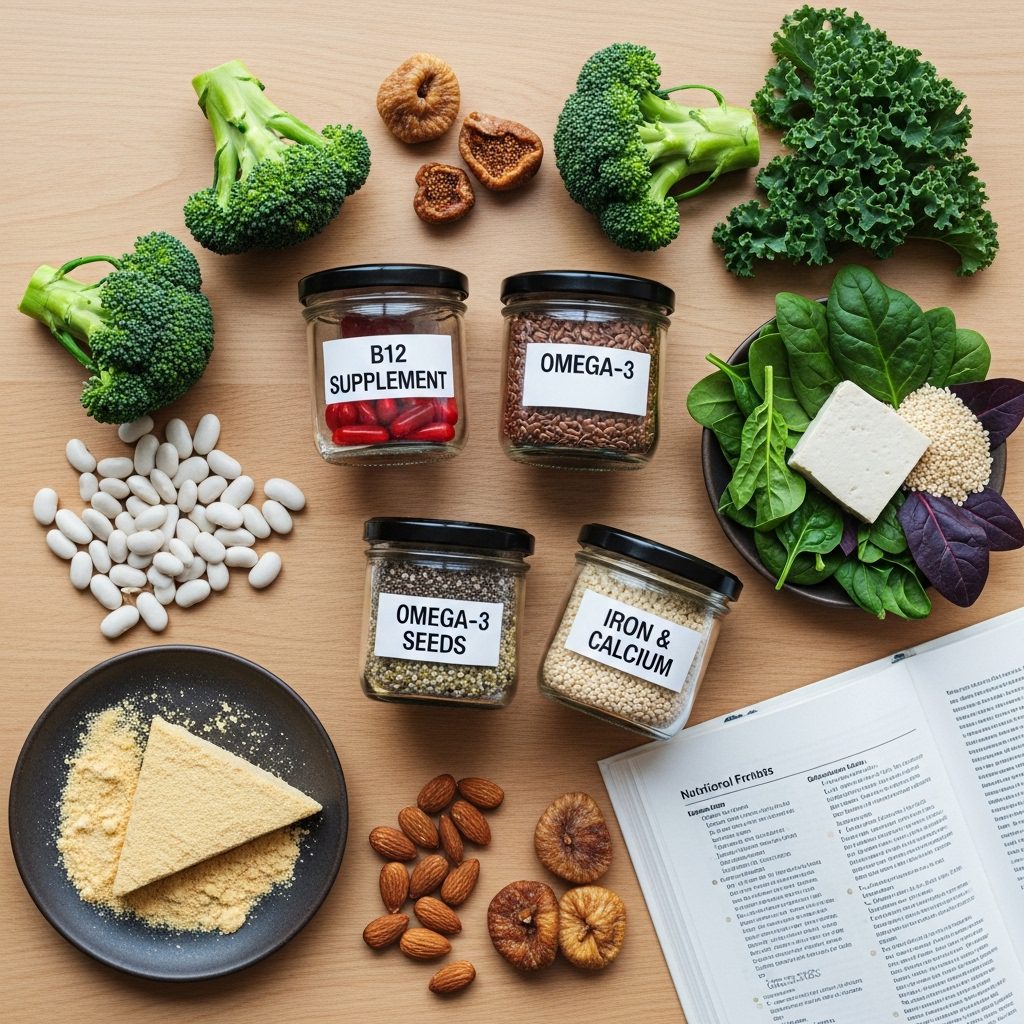
- Vitamin B12 usually requires monitoring
- Omega-3 can come from seeds or supplements
- Iron and calcium can be obtained from diverse plant sources
Awareness matters more than anxiety.
How Do You Know You’re on the Right Track in Gradually Transitioning to a Plant-Based Diet ?
Signs of a successful transition include:
- Stable energy levels
- Improved digestion
- Feeling satisfied after meals
- Ease of commitment without resistance
These are positive indicators of balance.
Gradual Change Is the Secret to Sustainability
Transitioning to a plant-based diet doesn’t need to be drastic or exhausting. With a gradual, well-planned, and flexible approach, the change becomes a sustainable lifestyle rather than a temporary phase.
If you’d like to explore more about plant-based nutrition, smart meal planning, and a healthy lifestyle that blends nutrition with travel, visit nutritiontravels and enjoy practical content that supports confident, informed change