

Fasting during Ramadan is a special practice in a season filled with spirituality and closeness to God, but it also requires special attention to health and nutrition. For those who care about food quality and lifestyle, long fasting hours may naturally affect energy levels and focus during the day, yet this can be managed through well-planned dietary habits.
Understanding the Relationship Between Fasting and Energy:
Fasting during Ramadan means abstaining from food and drink for long hours, which leads to changes in blood glucose levels and overall body energy. Typically, after several hours of fasting, the body begins to use stored glucose in the liver, then gradually shifts to relying on fat as a source of energy. These changes can affect alertness and concentration, making nutritional management important for maintaining both mental and physical performance.

The Importance of Suhoor During Fasting in Ramadan:
During Ramadan, fasting individuals experience noticeable changes in their daily routines, particularly regarding meal timing and frequency. With only two main meals consumed during the day, Suhoor emerges as a key component in supporting the fasting person’s health and helping them endure long fasting hours.
The importance of Suhoor goes beyond being a pre-fasting meal; it serves as an essential source of energy needed throughout the day. It also contributes to providing the body with sufficient fluids, helping maintain hydration and reduce feelings of fatigue and exhaustion. Choosing a balanced Suhoor helps support both physical and mental activity while minimizing sharp fluctuations in energy levels.
The true value of Suhoor lies in its role in preparing the body for fasting, as it supplies essential nutrients required for vital bodily functions. When this meal is healthy and balanced, it enhances endurance, improves focus, and helps maintain vitality throughout the day, making the fasting experience more comfortable and balanced.
Nutritional Tips for Suhoor While Fasting During Ramadan:
1. Protein sources such as dairy products, different types of cheese, or fava beans.
2. Healthy unsaturated fat sources such as avocado, unsalted nuts, and olive oil.
3. Healthy fiber sources such as oats and breakfast cereals served with milk.
4. Carbohydrate sources like whole-grain bread and rice consumed in moderate amounts.
5. Focusing on drinking water while avoiding sweetened juices or caffeine sources such as coffee and tea.

Smart Nutritional Strategies to Maintain Energy and Focus:
1. Breaking the Fast Wisely During Ramadan Fasting:
Breaking the fast in a smart way helps the body readjust after long hours of fasting and supports digestion without causing heaviness or fatigue. Choosing balanced food components at Iftar contributes to restoring lost energy and supplying the body with essential nutrients to gradually regain activity.
A balanced meal that includes complex carbohydrates, proteins, healthy fats, along with fruits and vegetables, plays an important role in maintaining stable energy levels and improving physical and mental performance during the evening. Relying on foods such as whole-grain bread, brown rice, eggs, avocado, cheese, labneh, and bananas may help promote satiety and comfort without straining the digestive system.
Iftar also represents an important opportunity to replenish fluids lost during the day. Drinking adequate amounts of water supports hydration and helps maintain activity. Moderating food and fluid intake and avoiding salty or fried foods can make the Iftar experience more balanced and help fasting individuals continue their day with comfort and energy.
2. Enhancing Mental Focus During Fasting:
For those who care about productivity and concentration, fasting can be a mental challenge due to reduced blood sugar levels. However, certain dietary habits may help maintain focus:
- Consuming smaller, more frequent meals during Iftar and Suhoor instead of very large meals.
- Including omega-3-rich foods such as fatty fish and nuts, which have been shown to support brain health.
- Avoiding caffeine-rich beverages immediately before fasting, as they may lead to dehydration during fasting hours.
3. Hydration Done Smartly During Ramadan Fasting:
Maintaining hydration during non-fasting hours is essential to reduce fatigue and improve concentration. It is recommended to distribute water intake from Iftar until Suhoor and avoid consuming large quantities at once. Drinking natural juices or coconut water may also help provide the body with necessary sugars and electrolytes.

The Importance of Sleep and Physical Activity:
Fasting also affects sleep patterns, and insufficient sleep directly impacts energy and focus. Therefore:
1. Trying to get adequate sleep between Iftar and Suhoor.
2. Engaging in light physical activity after Iftar, such as walking, may aid digestion and improve energy levels.
3. Avoiding intense workouts immediately before Iftar, as they may cause fatigue or dizziness.
Practical Tips to Avoid Post-Fasting Sluggishness:
Many people interested in health and nutrition notice feelings of sluggishness after fasting, which can be reduced through several strategies:
1. Maintaining balanced blood sugar levels by choosing foods with a low glycemic index.
2. Including protein and vegetables in every meal.
3. Avoiding carbonated drinks and fried foods immediately after Iftar.
4. Dividing meals into smaller portions during the eating window to reduce digestive strain.
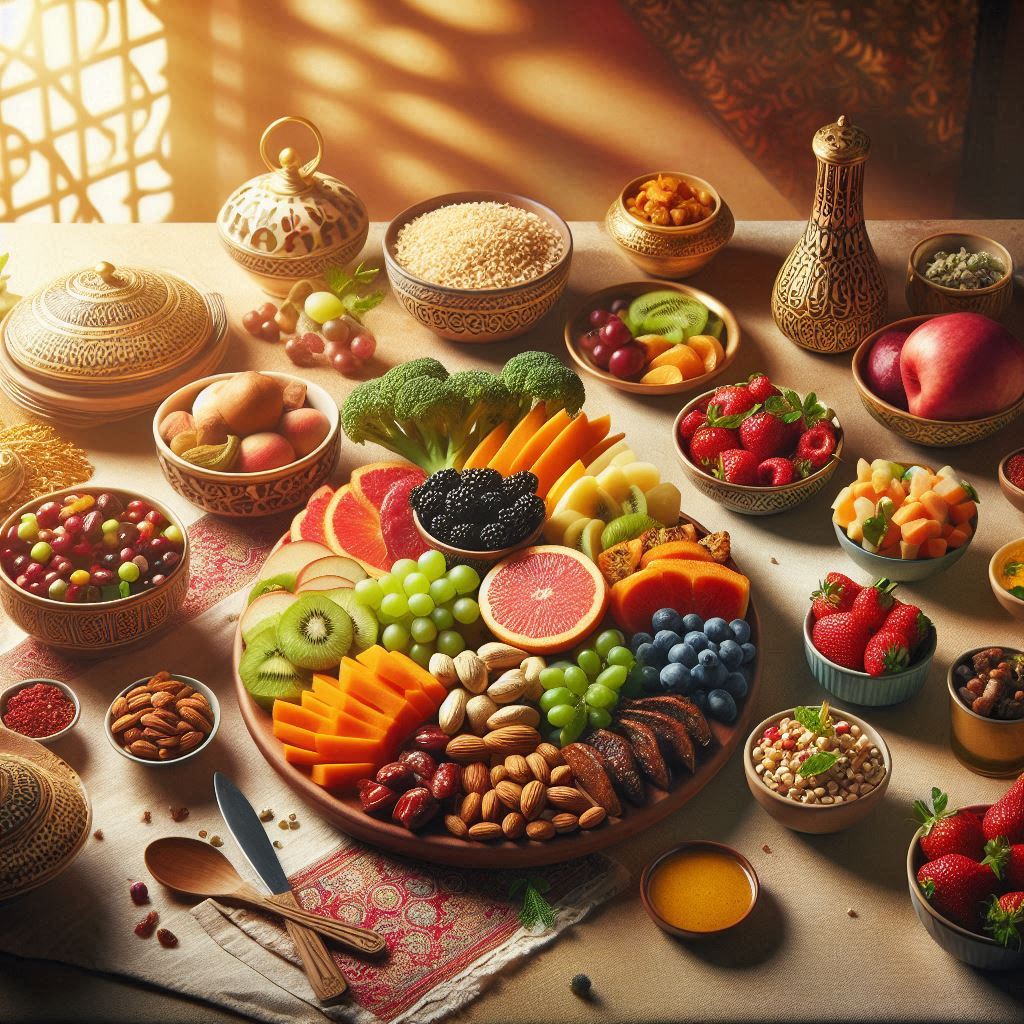
Fasting during Ramadan is both a spiritual and physical experience that requires nutritional awareness to maintain energy and focus throughout the day. Paying attention to Suhoor, choosing healthy and balanced foods at Iftar, maintaining proper hydration, and caring for sleep and physical activity all contribute to making the fasting experience healthier and more balanced. Those interested in nutrition can benefit from these aspects to overcome daily fasting challenges while maintaining mental and physical activity without fatigue or sluggishness.
At Nutrition Travels, we are committed to providing nutrition information based on awareness and understanding, helping simplify nutritional concepts and connect them to daily life, especially during seasons that require extra attention, such as the month of Ramadan.