

Cultural etiquette and respecting local traditions while traveling make every journey a unique experience. They allow people to discover new cultures and explore different customs and traditions. Learning the proper etiquette for interacting with local communities enriches the experience, helps build better relationships with locals, and reflects positively on the traveler.

Understanding Local Culture Before Traveling:
While traveling, it’s important to set aside selfishness and ego, and recognize that no culture is inherently better or worse than another. Understanding the differences between your culture and the local culture, and recognizing that locals live their lives for valid reasons, is key. Locals are often happy and content with their way of life, so observing and respecting it is far more meaningful than trying to impose your own habits.
Your customs and lifestyle may differ from theirs, but adopting a mindset that sees travel as an opportunity for learning and cultural exchange can make a big difference. Try to understand their way of life, adapt to it, and look for the positive aspects in every experience. Travel, ultimately, is a continuous dialogue between cultures.
For example, some countries have specific dress codes for religious sites, such as covering the head in temples or churches, or wearing modest clothing when visiting traditional markets. Being aware of these practices before traveling helps you blend in and show respect to the locals.
The Importance of Greetings and Social Etiquette:
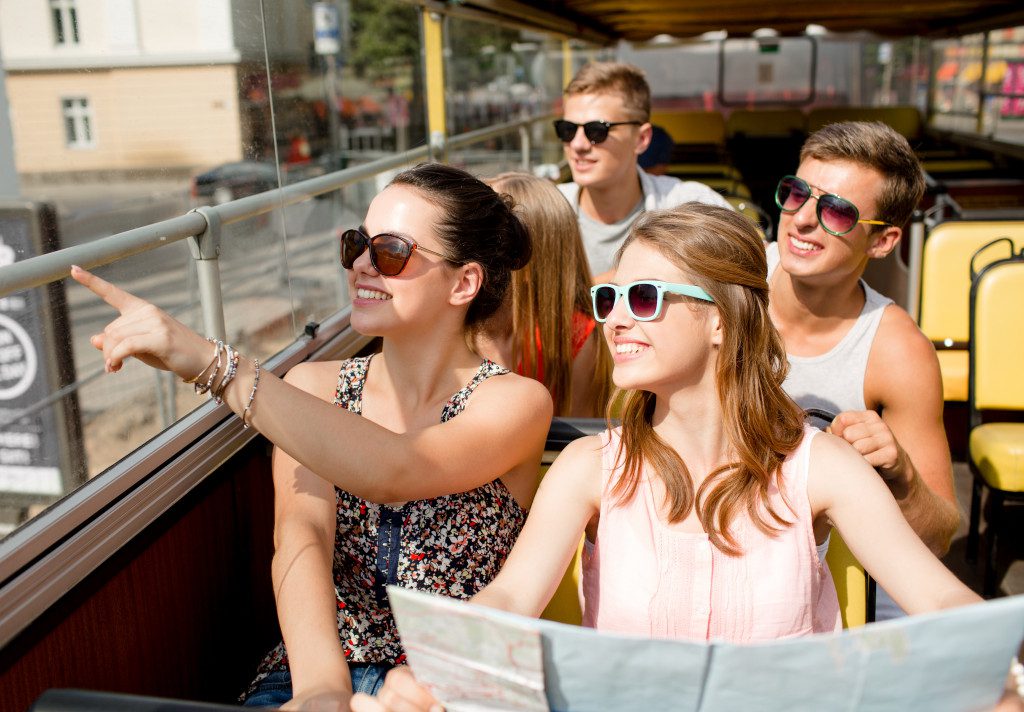
Greetings play a very important role in interacting with people in any culture. In some countries, a traditional handshake is appropriate, while in others, bowing or placing a hand over the heart is the correct way to greet someone. Some cultures place great importance on using proper titles with names rather than just the first name.
Listening carefully and respecting others’ opinions, even if they differ from your beliefs, demonstrates appreciation for the local culture. Additionally, paying attention to body language during interactions can prevent misunderstandings. For instance, in some societies, prolonged eye contact indicates respect and trust, while in others, it may be considered challenging or rude.
Dress, Behavior, and Food:
Regarding dress, travelers who want to respect cultural traditions should wear appropriate clothing, which is especially important for women. In general, it is recommended to cover the shoulders and upper arms, as well as any part above the knee. Dress codes may be more relaxed in cities compared to rural areas. Wearing long sleeves and loose clothing is a clear sign of respect toward the locals. In some cases, it is appropriate for women to wear a scarf to cover their head and hair, especially when visiting religious sites or participating in traditional events.
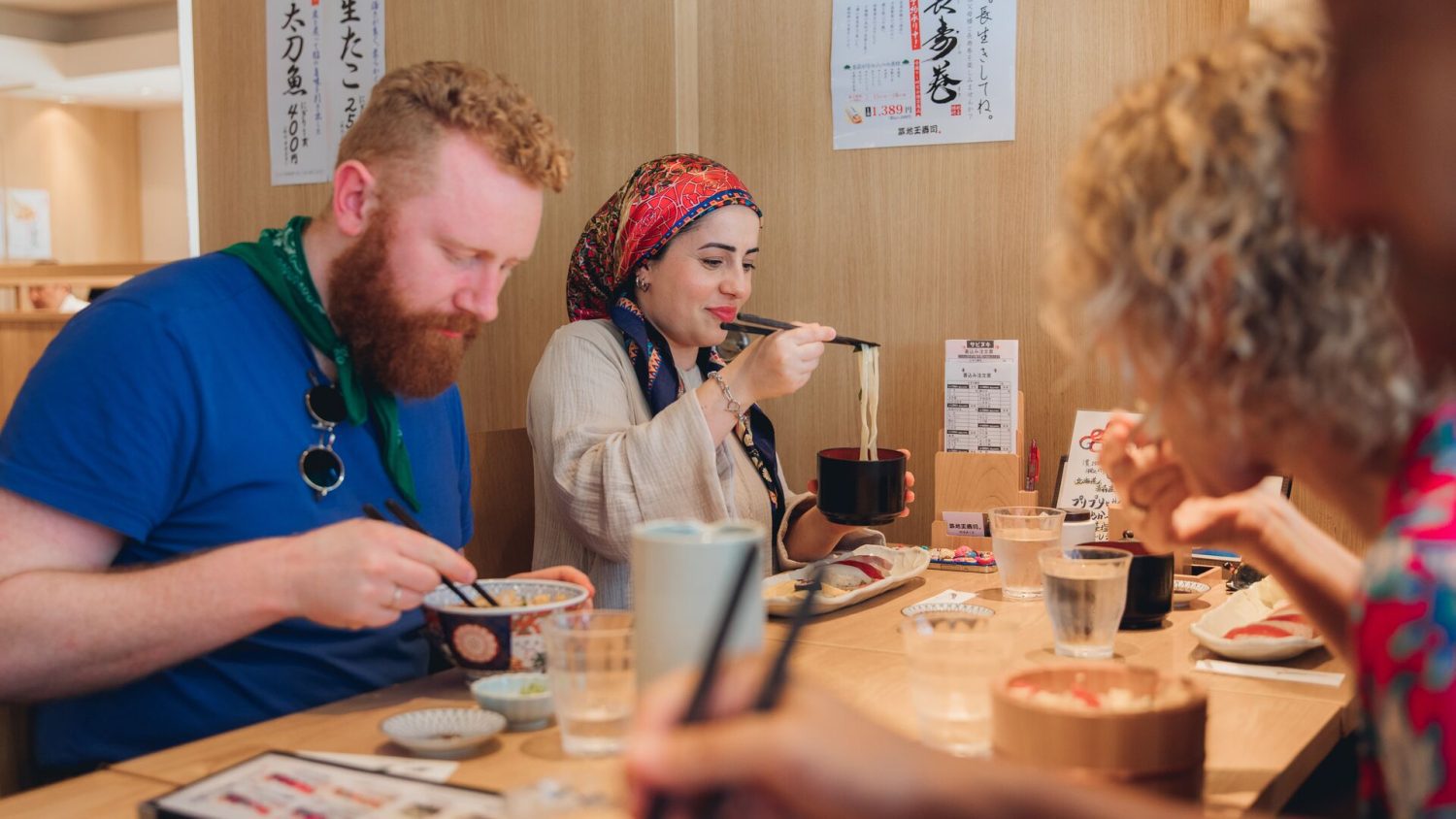
Food also comes with unwritten rules, such as using the right hand or waiting for everyone to start the meal. These small details enhance the experience of connecting with locals and give the journey a deeper meaning beyond simply sightseeing.
Language and Communication:
Maintaining a positive attitude and a friendly smile, along with patience, can make interacting with locals easier and more pleasant. Even with preparation and respect for local culture, travelers may sometimes encounter unexpected situations that cause frustration, such as delayed buses, haggling while shopping, or getting lost. In such moments, controlling your emotions and avoiding impulsive reactions helps maintain an enjoyable travel experience.
Clear and calm communication is essential, especially since not all locals speak English. If you don’t speak the local language, gestures and body language can help convey your message. Learning a few basic words before your trip or carrying a small dictionary enhances communication and makes the experience richer and more effective.
Be Careful When Taking Photos:
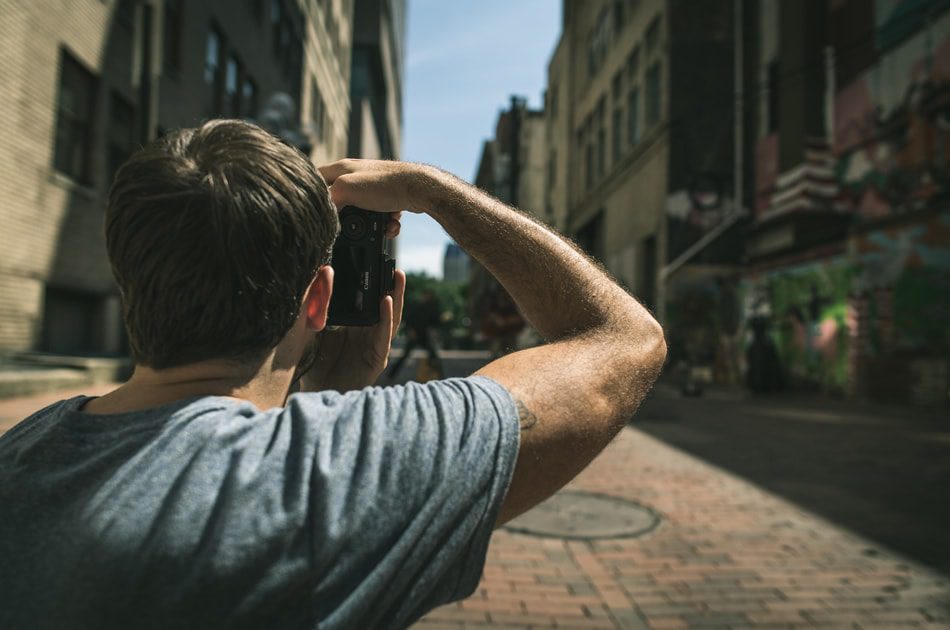
When taking photos while traveling, it is important to be respectful and tasteful, particularly in sacred places or sites of significant importance to locals. Capturing scenes or people inappropriately may be offensive. When photographing people, it is best to ask for their permission beforehand and respect their privacy if they decline.
Participating in Local Traditions and Events:
Participating appropriately in local festivals or cultural events can provide an unforgettable travel experience. Observing how locals behave during these events helps understand the expected etiquette, such as arrival times, ways of greeting, or respecting religious practices.
When taking part, it is better to avoid imposing your own customs on others. Instead, enjoy the experience and watch how locals participate. This creates a more interactive and respectful engagement with the local culture.
Benefits of Cultural Etiquette and Respecting Local Traditions:
Following cultural etiquette while traveling enhances the experience in several ways:
- Improves communication skills.
- Deepens understanding of cultural differences.
- Helps avoid problems or misunderstandings.
- Enhances your positive image as a traveler.
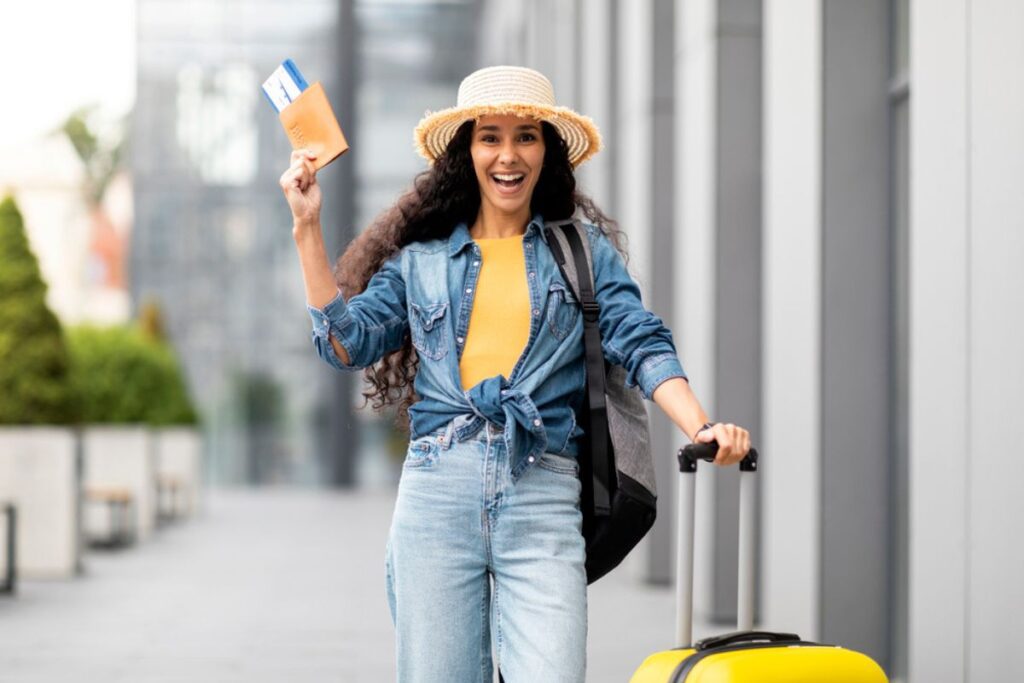
Respect and appreciation for local culture are essential for responsible and conscious travel. Knowing local customs, using appropriate language, respecting dress codes and social norms, and participating appropriately in local events make the journey richer and more enjoyable. Paying attention to the environment and supporting local communities also enhances the travel experience and creates unforgettable positive memories.
At Nutrition Travels, we guide travelers on cultural etiquette and respecting local traditions while traveling, helping them enjoy meaningful and memorable experiences.