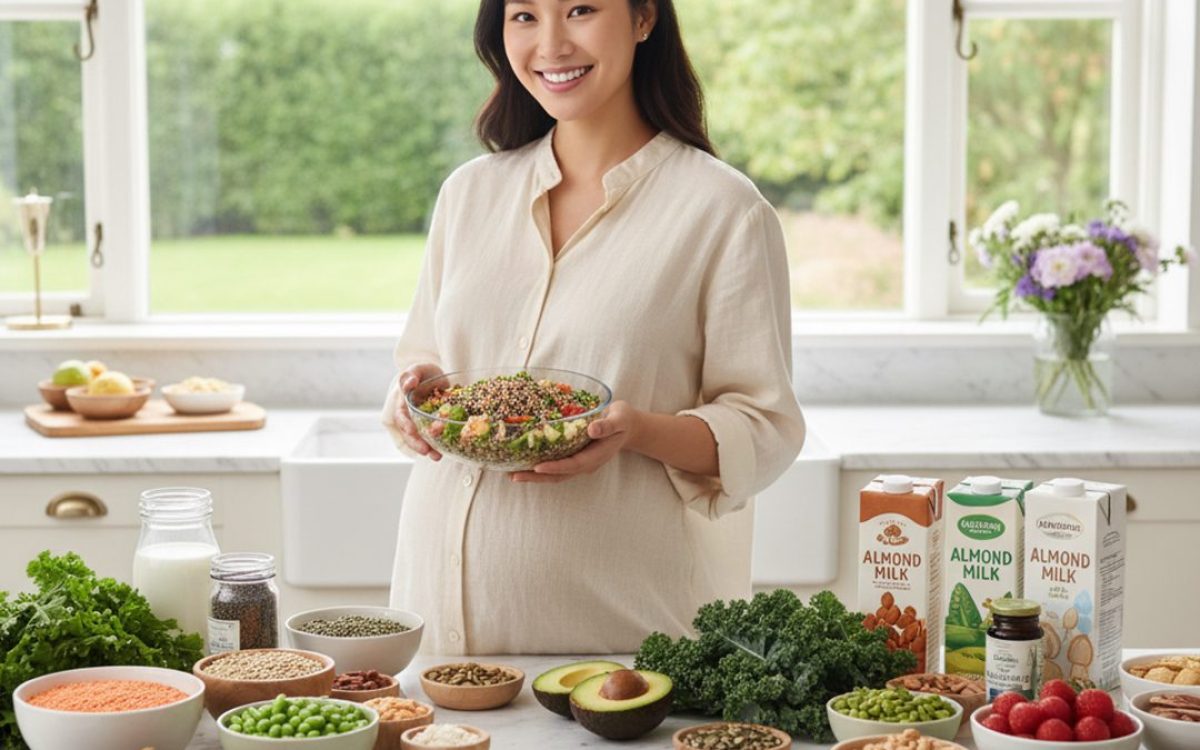
Can a pregnant woman follow a Balanced Plant-Based Diet and remain healthy? The answer is: Yes, absolutely — if the diet is carefully planned and balanced.
Following a plant-based diet during pregnancy can provide all the necessary nutrients for the mother and the fetus, provided it is diverse and contains sufficient sources of protein, iron, calcium, Vitamin B12, and essential fatty acids.
In this article, we will guide you step-by-step on how to build a plant-based diet for pregnancy that supports your health and ensures the healthy growth of your baby, without the need for animal products.
Why Choose A Balanced Plant-Based Diet for Pregnancy?
Many women turn to plant-based systems during pregnancy for health, environmental, and ethical reasons, but the biggest challenge is achieving balance.
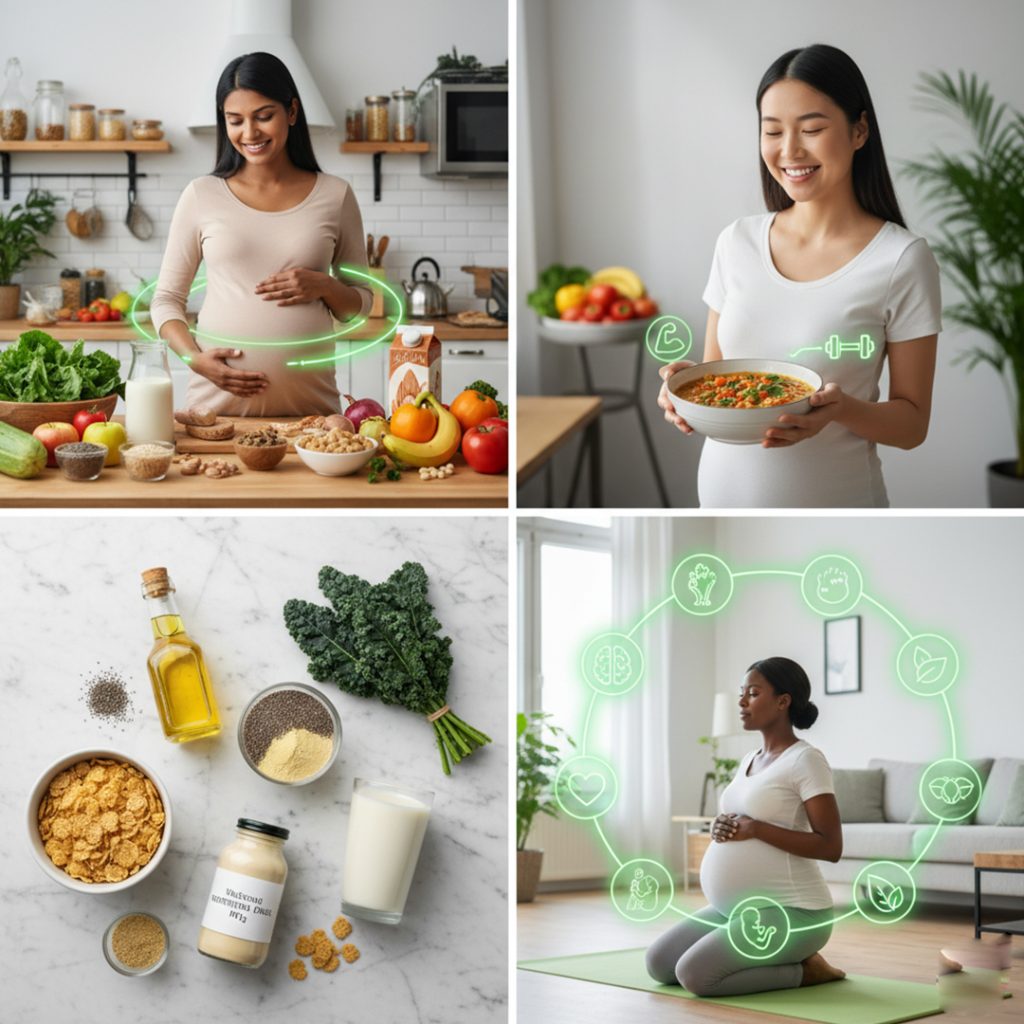
The advantages of a plant-based diet during pregnancy include:
- It reduces saturated fats and cholesterol.
- It is rich in fiber, which aids digestion and prevents constipation.
- It contains antioxidants that support immunity.
- It maintains energy levels without excessive weight gain.
However, to achieve these benefits, you need careful planning to avoid vital nutrient deficiencies.
Essential Nutrients to Focus on in a Plant-Based Pregnancy Diet
1-Plant Protein
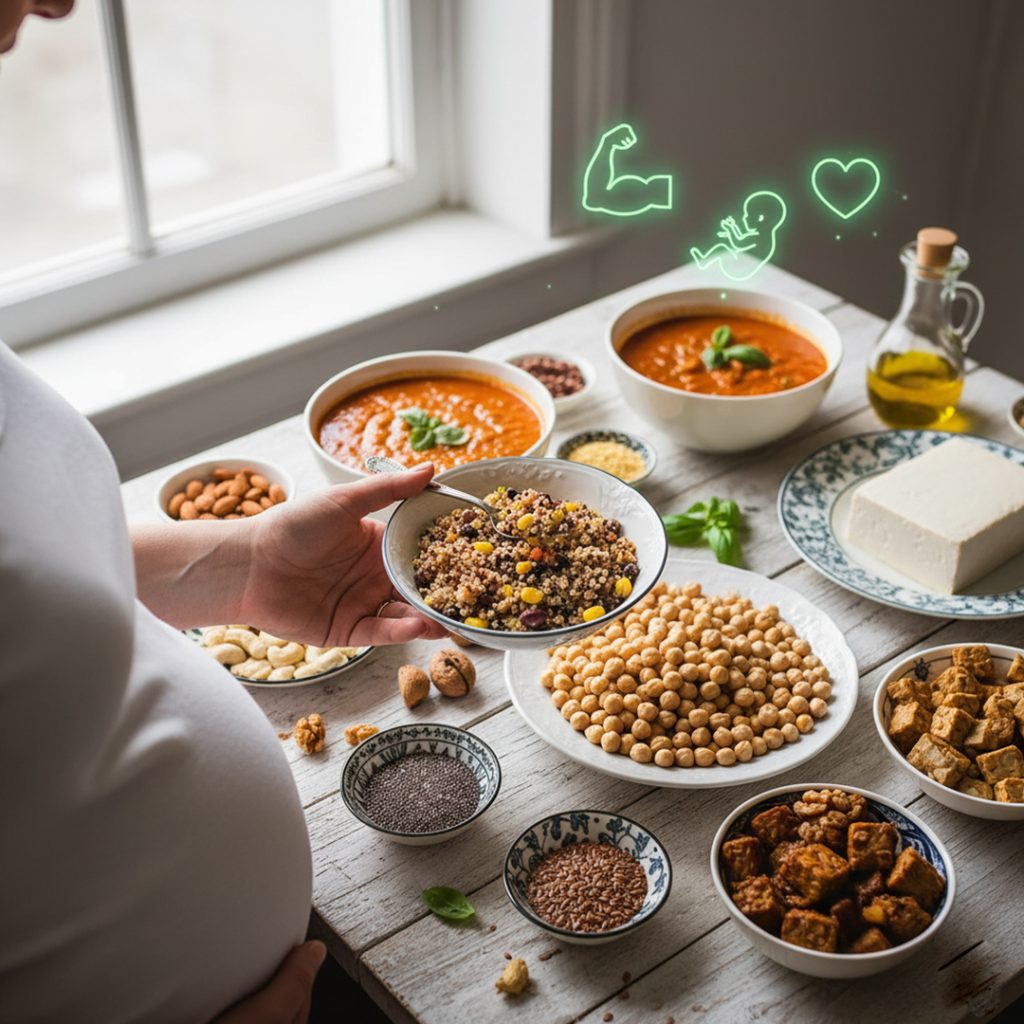
Protein is the cornerstone for fetal growth and tissue formation. Excellent sources of protein in a plant-based pregnancy diet include:
-
- Lentils and all types of beans.
- Chickpeas, tofu, and tempeh.
- Chia seeds and quinoa.
- Unsalted nuts.
Tip: Be sure to consume a source of plant protein with every meal, as the body does not store protein.
2-Plant Iron
Pregnancy significantly increases your need for iron, as it is involved in forming the fetus’s red blood cells. Sources of iron in a plant-based pregnancy diet include:
-
- Spinach and legumes.
- Lentils and black beans.
- Pumpkin and sesame seeds.
- Fortified whole grains.
To enhance iron absorption, combine these foods with Vitamin C, such as lemon or colored peppers.
3-Vitamin B12
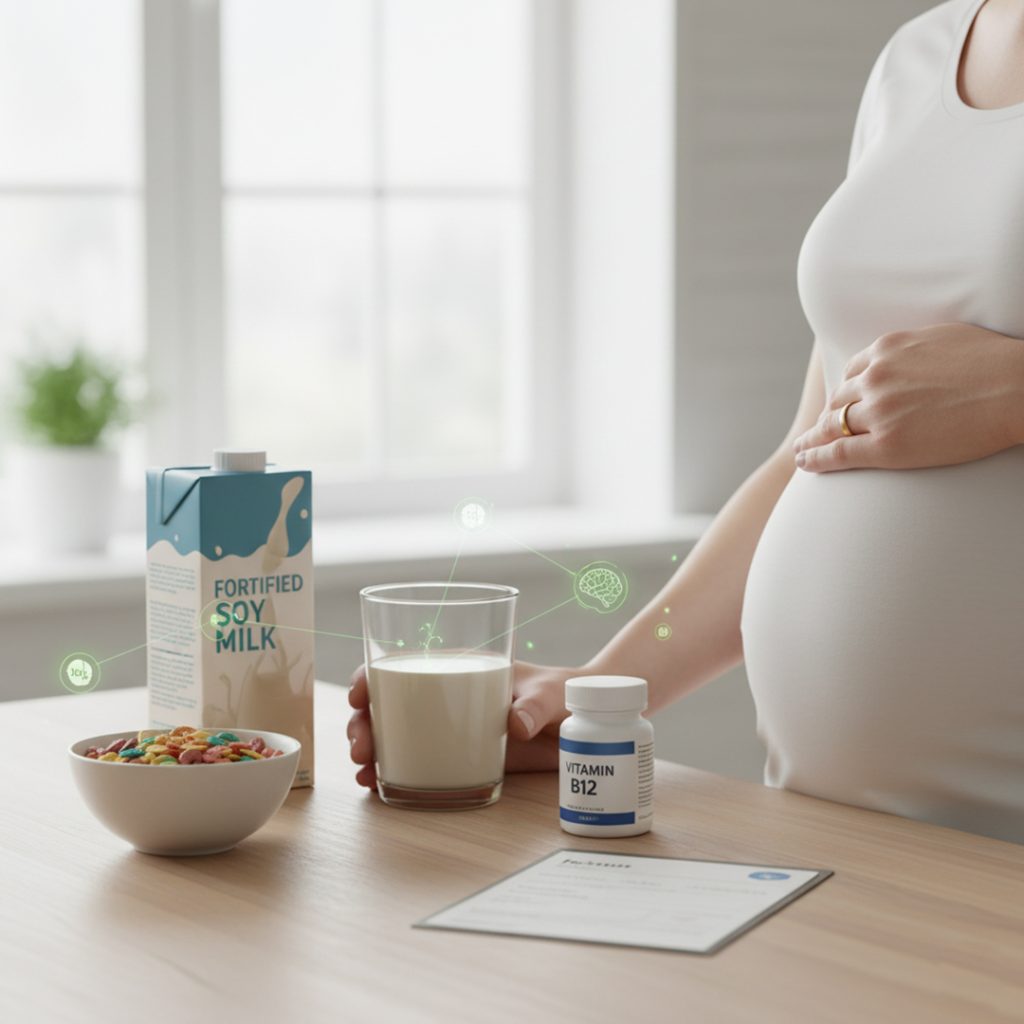
Vitamin B12 is one of the most difficult elements to obtain from plant sources alone, but it is essential for the development of the fetal nervous system. In a plant-based pregnancy diet, you can get it from:
-
- Fortified foods (such as soy milk or breakfast cereals).
- Or from supplements recommended by your doctor.
4-Calcium
Calcium is not limited to animal milk only! In a plant-based pregnancy diet, you can get it from:
-
- Leafy vegetables such as kale and broccoli.
- Almonds and fortified almond milk.
- Sesame and tofu.
Calcium is essential for building the baby’s bones and teeth, and for protecting the mother from osteoporosis later.
5-Omega-3 Fatty Acids
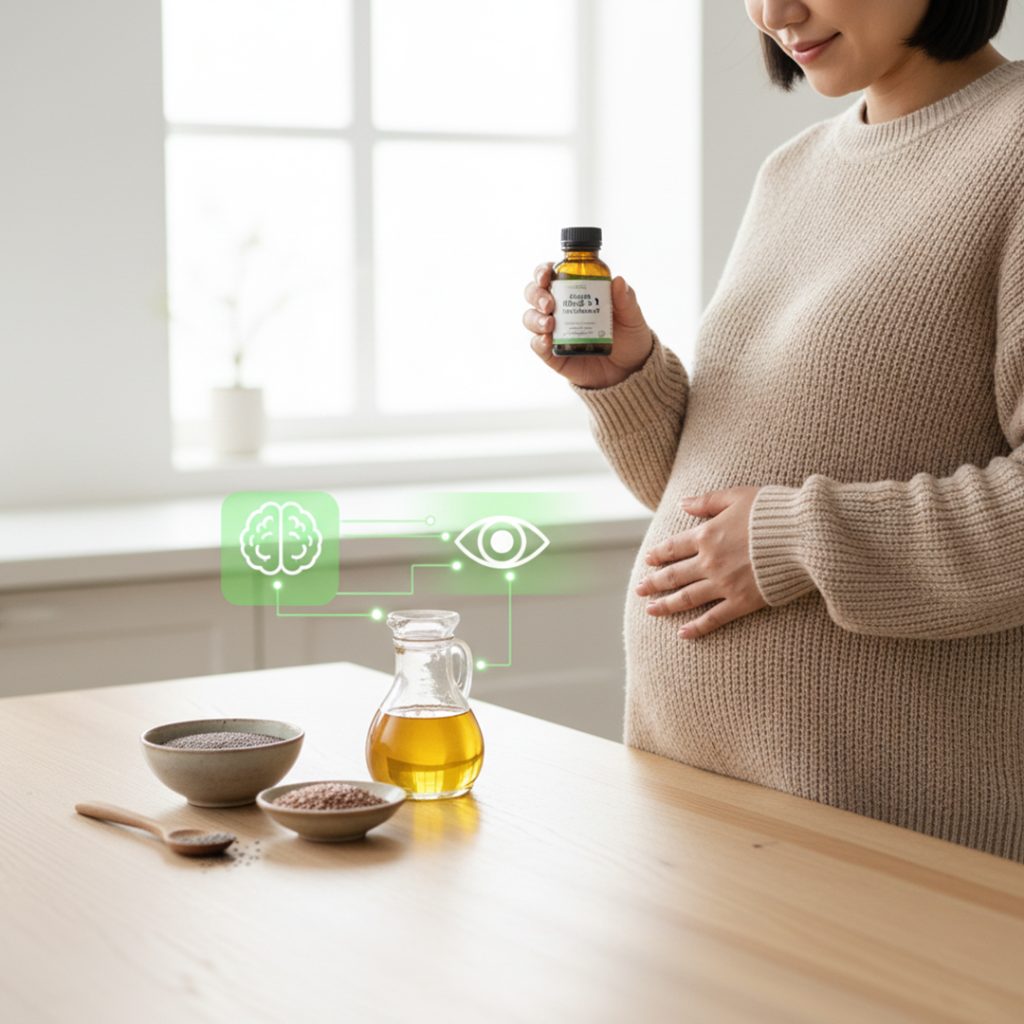
Omega-3 supports the development of the baby’s brain and vision. Although animal sources like fish are unavailable in a plant-based diet, there are alternatives:
-
- Flaxseeds and chia seeds.
- Algae Oil as an excellent plant-based supplement.
Example of A Balanced Plant-Based Diet Daily Meal Plan in a Plant-Based Pregnancy Diet :
Breakfast
-
- Oatmeal with plant-based milk + a spoon of chia seeds + banana slices.
- A cup of natural orange juice (a source of Vitamin C to improve iron absorption).
Lunch
-
- Quinoa salad with lentils, colored peppers, and corn.
- A cup of calcium-fortified almond milk.
Dinner
-
- Grilled tofu with sautéed vegetables (broccoli, mushrooms, carrots).
- Brown rice or baked potato.
Snack
-
- A handful of nuts + plant-based yogurt with fruits.
This model shows that a plant-based diet during pregnancy can be rich, varied, and nourishing without any deprivation.
Signs of Nutritional Deficiency in a Plant-Based Pregnancy Diet
Be careful not to ignore the following signals, as they may indicate a deficiency in essential elements:
-
- Frequent fatigue or dizziness (may indicate iron deficiency).
- Pale skin or hair loss (B12 deficiency).
- Weak nails or bone pain (calcium deficiency).
In case any of these signs appear, it is recommended to visit a doctor to assess the nutritional status.

Essential Supplements in A Balanced Plant-Based Diet
Although a plant-based pregnancy diet can provide the body with most elements from food, there are some nutrients that are difficult to obtain completely from plant sources alone. Therefore, you sometimes need supplements to ensure optimal health for you and your fetus:
-
- Vitamin B12: Essential for red blood cell formation and fetal nervous system development. It is often unavailable in plant foods, so a daily supplement is recommended.
- Vitamin D: Important for calcium absorption and bone strengthening. It can be obtained from sunlight, but in winter or when sun exposure is limited, a supplement is preferred.
- Plant Iron: A pregnant woman needs additional amounts of iron to avoid anemia. Be sure to consume plant iron from lentils and beans with sources of Vitamin C like oranges or sweet peppers to improve its absorption.
- Plant Omega-3 (DHA): Helps in the development of the fetal brain and eyes, and can be obtained from flaxseeds, chia seeds, or supplements extracted from algae.
- Calcium: For building strong bones and teeth for the fetus, be sure to consume plant-based products fortified with calcium, such as almond or soy milk, spinach, and kale.
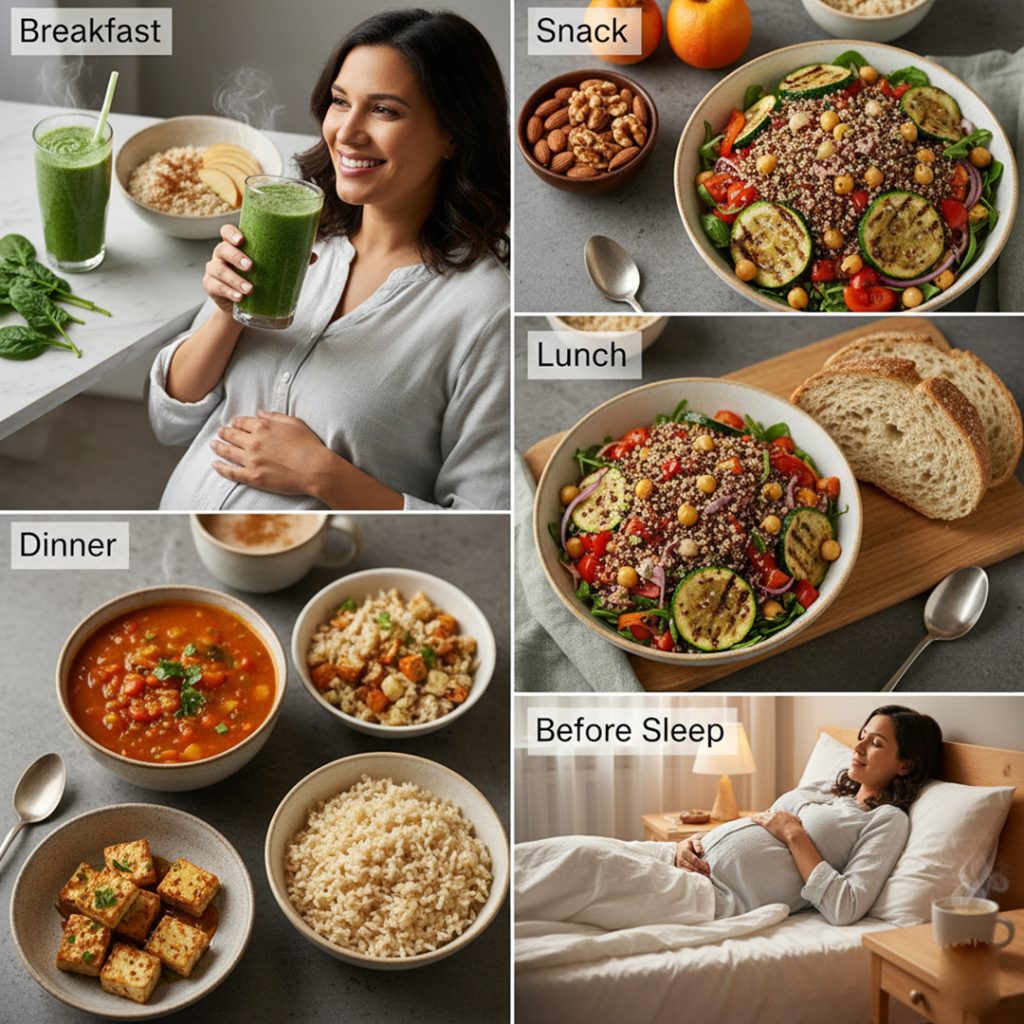
Suggested Meal Plan for a Full Day in a Plant-Based Pregnancy Diet
Here is a practical example of a complete daily diet for a pregnant woman following a plant-based diet:
Breakfast:
- Smoothie with leafy greens, banana, and almond milk.
- Oatmeal cooked with cinnamon and sliced apple.
Snack:
- A handful of almonds or walnuts with a piece of seasonal fruit.
Lunch:
- Quinoa salad with grilled vegetables and chickpeas.
- A slice of whole-grain bread.
Afternoon Snack:
- Plant-based yogurt with chia seeds and natural honey.
Dinner:
- Red lentil soup with fresh vegetables.
- Brown rice with seasoned, steamed tofu pieces.
Before Sleep:
- A warm cup of plant-based milk with a pinch of cinnamon for better relaxation.
Avoiding Common Mistakes in a Plant-Based Pregnancy Diet
Even with good intentions, some women may fall into mistakes that reduce the effectiveness of a plant-based pregnancy diet, including:
-
- Over-reliance on simple carbohydrates like white pasta or white bread without diversifying with protein.
- Ignoring necessary supplements like B12 and Omega-3.
- Not consuming sufficient amounts of plant protein such as lentils or legumes.
- Skipping meals, which may cause low energy and dizziness.
- Not consulting a doctor before starting the diet, which may lead to essential element deficiencies.
Balance, and Enjoy Your Healthy Pregnancy Journey
Following a plant-based diet during pregnancy is not just a trend, but a lifestyle that gives you energy, mental clarity, and optimal nutrition for you and your fetus. The real challenge is in balance, not just in giving up animal foods.
If you are considering starting a plant-based diet for pregnancy or improving your current dietary plan, visit our website Nutrition Travels to find balanced plant-based recipes, nutritional charts for pregnancy, and practical advice from specialized nutrition experts.
Start your journey today towards a healthy and balanced pregnancy… step by step and with love!