In recent years, plant-based diets have become more popular among families who want to raise their children on healthier, more sustainable eating habits. From vegetarian to fully vegan lifestyles, many parents are asking the same question — are plant-based diets safe for kids? The answer is yes, but only when they’re well-planned, balanced, and tailored to meet children’s nutritional needs.
This guide explores the benefits, potential risks, and practical tips to ensure your child thrives on a plant-based diet — growing strong, energetic, and healthy every day.

What Is a Plant-Based Diet for Kids?
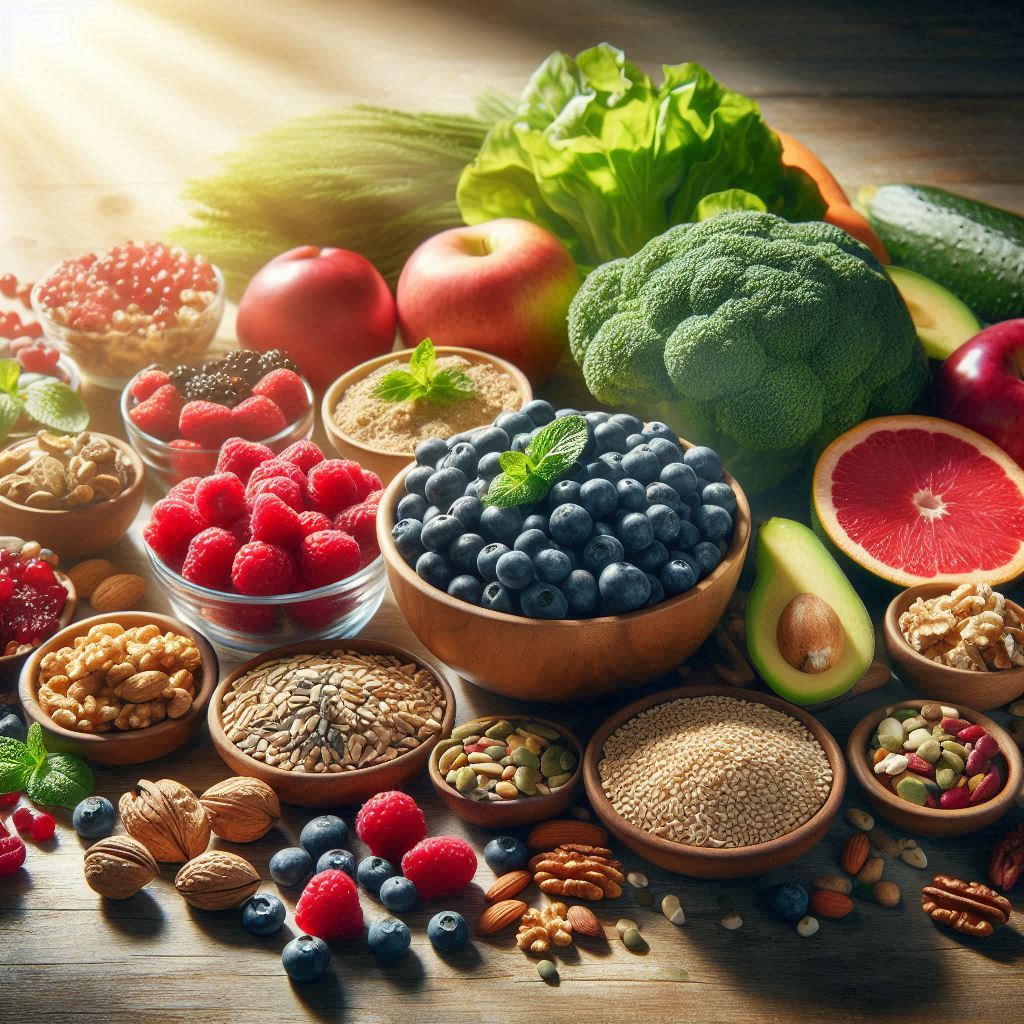
A plant-based diet emphasizes foods derived from plants — fruits, vegetables, whole grains, legumes, nuts, and seeds — while limiting or avoiding animal products like meat, dairy, and eggs.
For children, this can range from flexitarian (mostly plant-based with some animal foods) to vegetarian (no meat or fish) to vegan (no animal products at all).
The key is balance — not just removing animal foods, but replacing them with nutrient-rich plant-based alternatives that meet a growing child’s needs.
The Benefits of a Plant-Based Diet for Kids
1- Strong Immunity and Disease Prevention
Plant-based diets are naturally rich in vitamins, minerals, antioxidants, and fiber — all crucial for strengthening the immune system. These nutrients help fight off infections, improve gut health, and protect against chronic diseases later in life, such as obesity and type 2 diabetes.
2- Healthy Weight Management
Children who eat more fruits, vegetables, and whole grains are less likely to become overweight. These foods are nutrient-dense but lower in calories and saturated fats, helping maintain a healthy weight while promoting proper growth and development.
3- Heart and Gut Health
Fiber from plant-based foods supports a healthy digestive system and helps maintain stable blood sugar levels. It also lowers bad cholesterol, which supports heart health — even from a young age.
4- Building Lifelong Healthy Habits
Introducing kids to plant-based eating early helps them develop a taste for fresh, wholesome foods. This sets the foundation for lifelong healthy habits and a stronger awareness of how food impacts the body and the environment.

Potential Risks of a Poorly Planned Plant-Based Diet
While plant-based diets can be perfectly safe, nutritional planning is essential. Children have higher energy and nutrient needs relative to their body size, so missing out on key nutrients can lead to deficiencies.
Here are some nutrients that require special attention:
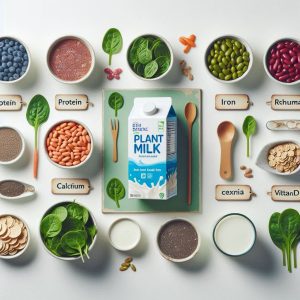
1- Protein: Protein is essential for growth and repair. Good plant-based sources include beans, lentils, chickpeas, tofu, tempeh, quinoa, nuts, and seeds. Combining different protein sources throughout the day ensures your child gets all essential amino acids.
2- Iron: Plant-based iron (non-heme iron) is less easily absorbed by the body compared to animal iron. Pair iron-rich foods (like lentils, spinach, and fortified cereals) with vitamin C-rich foods (like oranges or strawberries) to improve absorption.
3- Vitamin B12: This vitamin is found almost exclusively in animal products, making supplementation or fortified foods (like plant milks and breakfast cereals) essential for vegan children.
4- Calcium and Vitamin D: These nutrients are crucial for bone health. Include fortified plant milks, leafy greens, almonds, tahini, and exposure to sunlight. If needed, discuss supplements with a pediatrician.
5- Omega-3 Fatty Acids: Omega-3s are vital for brain development and heart health. Plant-based sources include flaxseeds, chia seeds, walnuts, and algae-based supplements.
6- Zinc and Iodine: Legumes, nuts, and seeds provide zinc, while iodine can be obtained from iodized salt or seaweed (in moderate amounts).
Tips to Ensure a Balanced Plant-Based Diet for Kids
1- Variety Is Key: Encourage your child to eat a colorful plate — different colors usually mean different nutrients. Include a mix of grains, legumes, fruits, vegetables, and healthy fats at every meal.
2- Include Fortified Foods: Choose plant milks, cereals, and spreads fortified with calcium, vitamin D, and B12 to fill nutritional gaps.
3- Don’t Fear Healthy Fats: Children need enough calories for growth. Include avocados, nut butters, olive oil, and seeds daily for energy and nutrient absorption.
4- Offer Frequent, Small Meals: Kids have smaller stomachs, so they may need 3 main meals plus 2–3 healthy snacks throughout the day to maintain energy and meet nutrient goals.
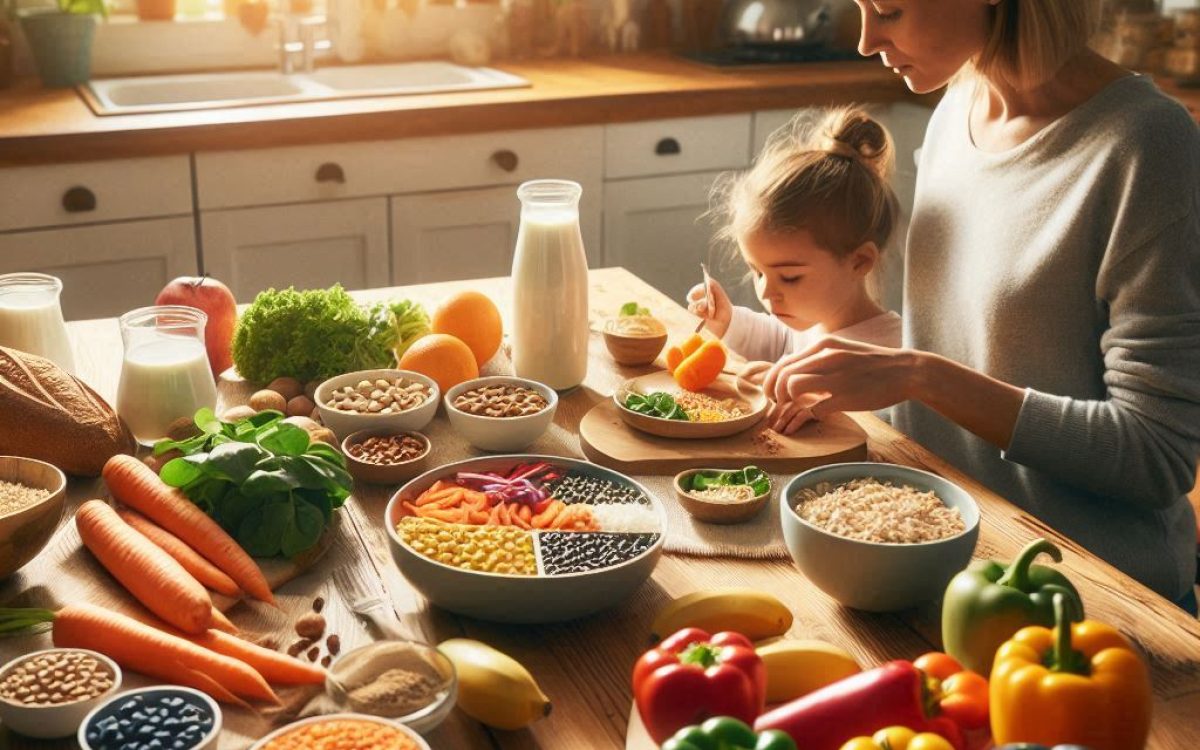
5- Make It Fun and Family-Focused: Turn mealtime into an enjoyable experience — involve your child in choosing fruits or helping prepare smoothies, wraps, or colorful salads. Kids are more likely to eat what they helped make.

Sample One-Day Plant-Based Meal Plan for Kids
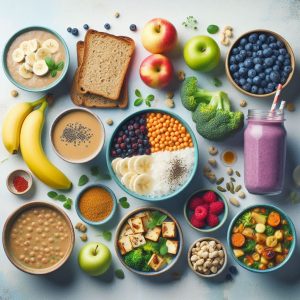
Breakfast: Oatmeal with almond milk, topped with sliced bananas, chia seeds, and a drizzle of nut butter.
Snack: Apple slices with peanut butter or a handful of almonds.
Lunch: Lentil and vegetable soup with whole-grain bread and a side of carrot sticks.
Snack: A smoothie made with spinach, frozen berries, fortified soy milk, and flaxseed.
Dinner: Tofu stir-fry with broccoli, bell peppers, and brown rice cooked in olive oil.
Dessert (Optional): Coconut yogurt with fresh fruit or dark chocolate pieces.
This plan provides a balance of protein, healthy fats, fiber, and essential nutrients for energy and growth.
Common Myths About Plant-Based Diets for Kids
Myth 1: Kids Can’t Get Enough Protein
Reality: Plant proteins are complete when combined — think rice with beans, or hummus with whole-grain pita. With variety, children easily meet protein needs.
Myth 2: Vegan Diets Are Too Restrictive
Reality: With fortified foods and supplements, vegan diets can be both nutritious and satisfying. It’s about inclusion, not restriction — adding more colorful foods to the plate.
Myth 3: Kids Will Be Low on Energy
Reality: Whole grains, legumes, fruits, and healthy fats provide steady, long-lasting energy.

When to Seek Professional Advice
If your child follows a strict vegan or vegetarian diet, it’s a good idea to consult a pediatrician or registered dietitian. They can help monitor growth, check for nutrient deficiencies, and recommend appropriate supplements if needed.
Every child is unique — with different nutritional needs based on age, activity level, and growth stage. Regular health check-ups help ensure they’re thriving on their diet.
Plant-based diets can absolutely support healthy growth when done right. By focusing on variety, nutrient density, and balance, parents can ensure their children get everything they need — without relying heavily on animal foods.
Remember, this isn’t about perfection, but progress — adding more whole, colorful, plant-based foods to your child’s diet step by step.
Encourage curiosity, make meals fun, and teach your kids the joy of eating foods that fuel their bodies naturally. With the right planning, plant-based eating can nurture stronger, healthier, and happier children — and that’s something every parent wants.
Ready to start your child’s plant-powered journey?
Visit Nutrition Travels for expert guides, kid-friendly recipes, and nutrition tips that make healthy eating simple, fun, and delicious for the whole family.