
In today’s fast-paced world filled with tempting foods and oversized portions, portion control has become one of the key factors in maintaining a healthy body and balanced lifestyle. The problem isn’t always what we eat — but how much we eat.
Practicing portion control doesn’t mean deprivation. Instead, it’s a mindful approach to eating that allows you to enjoy food while avoiding overeating, indigestion, and the many health problems that come with excess consumption.

Why Portion Control Matters for Your Health
Portion control is not just a temporary step for weight loss — it’s the foundation of a healthy, sustainable lifestyle. When you learn to listen to your body and understand its true nutritional needs, you become more aware of what you consume and more capable of maintaining your health and energy in the long run.
When we eat more than our bodies need, the excess energy is stored as fat, especially around the abdomen and thighs. These are the areas most closely linked to serious health issues like heart disease and high blood pressure. Overeating also strains vital organs such as the liver and pancreas, increasing the risk of insulin resistance and type 2 diabetes.
On the other hand, when we eat just enough to nourish the body, our digestive system works more efficiently. Nutrient absorption improves, and this translates into clearer skin, stronger immunity, and sharper focus. Eating the right amount also helps you feel light and comfortable instead of sluggish and bloated after meals.
Furthermore, portion control helps regulate the hunger and satiety hormones, leptin and ghrelin. When these hormones are balanced, sudden hunger pangs and intense cravings for unhealthy foods are reduced.
In short, portion control is where mind and body meet — a practice that combines awareness, balance, and respect for your body’s needs, leading to long-term health and stability.
The Relationship Between Quantity and Energy
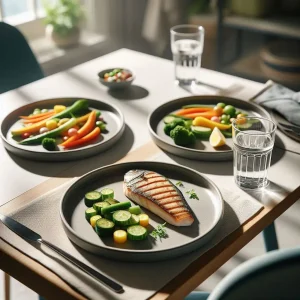
The body is like a finely tuned machine that needs a specific amount of fuel — calories — to function properly. Every cell uses this energy to power vital processes such as breathing, blood circulation, movement, and even rest.
Each person’s calorie needs differ based on age, gender, activity level, and muscle mass. An active person naturally requires more energy than someone who spends most of the day sitting. When you consume more calories than your body needs, the extra energy is stored as fat, often around internal organs. This excess weight doesn’t just affect appearance — it burdens the heart, joints, and respiratory system.
Conversely, eating too little for a long period can slow down your metabolism. The body enters energy-saving mode, burning fewer calories and even breaking down muscle for fuel. This leads to fatigue, weakness, and poor performance.
Thus, the key is balance — consuming the right amount of food for your energy output. Portion control isn’t about eating less; it’s about eating smart. Choosing nutrient-dense foods rich in protein, fiber, and healthy fats keeps you full longer, while sugary and processed foods cause energy spikes and crashes that trigger overeating.
Equally important is meal distribution throughout the day. Eating smaller, balanced meals at regular intervals helps stabilize blood sugar and prevents intense hunger. On the other hand, eating one large meal can overwhelm your digestive system and encourage fat storage.
Effective Strategies for Portion Control
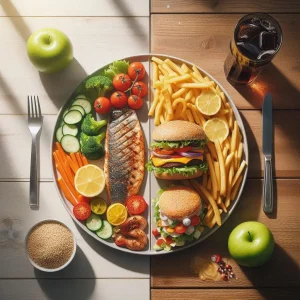
1- Use Smaller Plates
It sounds simple, but it works. Studies show that using smaller dishes reduces food intake without leaving you hungry because the brain perceives a full small plate as satisfying.
2- Eat Slowly
It takes about 20 minutes for your brain to register fullness. Eating slowly and chewing thoroughly helps you recognize when you’re full and prevents overeating.
3- Drink Water Before Meals
A glass of water before eating partially fills your stomach, reduces hunger, and supports digestion.
4- Avoid Eating While Distracted
Eating in front of a TV or phone makes you less aware of how much you’re consuming. Practice mindful eating — focus on your food, its taste, and texture.
5- Monitor Portion Sizes
Use measuring cups or a food scale initially to understand the right portion for you. Over time, you’ll naturally learn to estimate portions accurately.

Quality Matters as Much as Quantity
Controlling portions should always go hand in hand with choosing nutrient-rich foods.
For example:
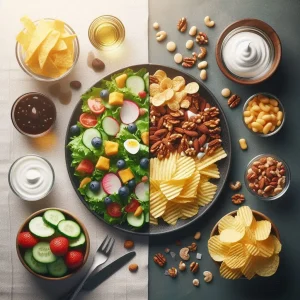
- A handful of nuts is far healthier than a bag of chips.
- A cup of plain yogurt is better than a sugary dessert.
- A plate of steamed vegetables fills you up without adding excess calories.
The goal is to balance quality and quantity, ensuring that every bite contributes to your energy, health, and satisfaction.
Regulating Meal Times
Eating meals at consistent times helps control hunger and prevents overeating.
Aim for three main meals and two healthy snacks in between, such as a piece of fruit or a small handful of nuts.
And don’t skip breakfast — it jumpstarts your metabolism and stabilizes your blood sugar for the rest of the day.
The Psychological Side of Portion Control
Many people eat not out of hunger, but out of stress, boredom, or emotion. Learning to distinguish between physical hunger and emotional hunger is key:
- Physical hunger builds gradually and can be satisfied by any food.
- Emotional hunger appears suddenly and is tied to specific cravings, often following stress or fatigue.
When this happens, try deep breathing, a short walk, or a glass of water before deciding to eat. Often, you’ll find the craving passes once your emotions settle.

Tools and Techniques to Help You Control Portions
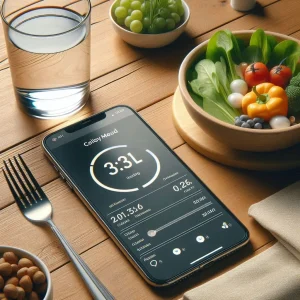
- Calorie-tracking apps like MyFitnessPal help you monitor your daily intake.
- Meal prepping prevents impulsive eating and reliance on fast food.
- Set realistic goals — reduce portion sizes gradually so your body adjusts comfortably.
Long-Term Benefits of Portion Control
- Maintain a healthy weight without strict dieting or deprivation.
- Improve digestion and reduce bloating or heartburn.
- Boost daily energy and mental focus.
- Lower the risk of chronic diseases like diabetes and hypertension.
- Improve mood and sleep quality through hormonal balance and steady blood sugar.
Portion control isn’t a temporary diet — it’s a lifestyle built on awareness, balance, and self-respect.
It’s not about denying yourself the foods you love, but about enjoying them in the right amounts.
When you eat to nourish your body — not just to satisfy a passing craving — you’ll notice remarkable improvements in your energy, mood, and overall health.
Start today with mindful choices and let balance guide your journey to a healthier, happier life.
For more tips on smart eating and sustainable wellness, visit Nutrition Travels — your daily source for living well, one bite at a time.