
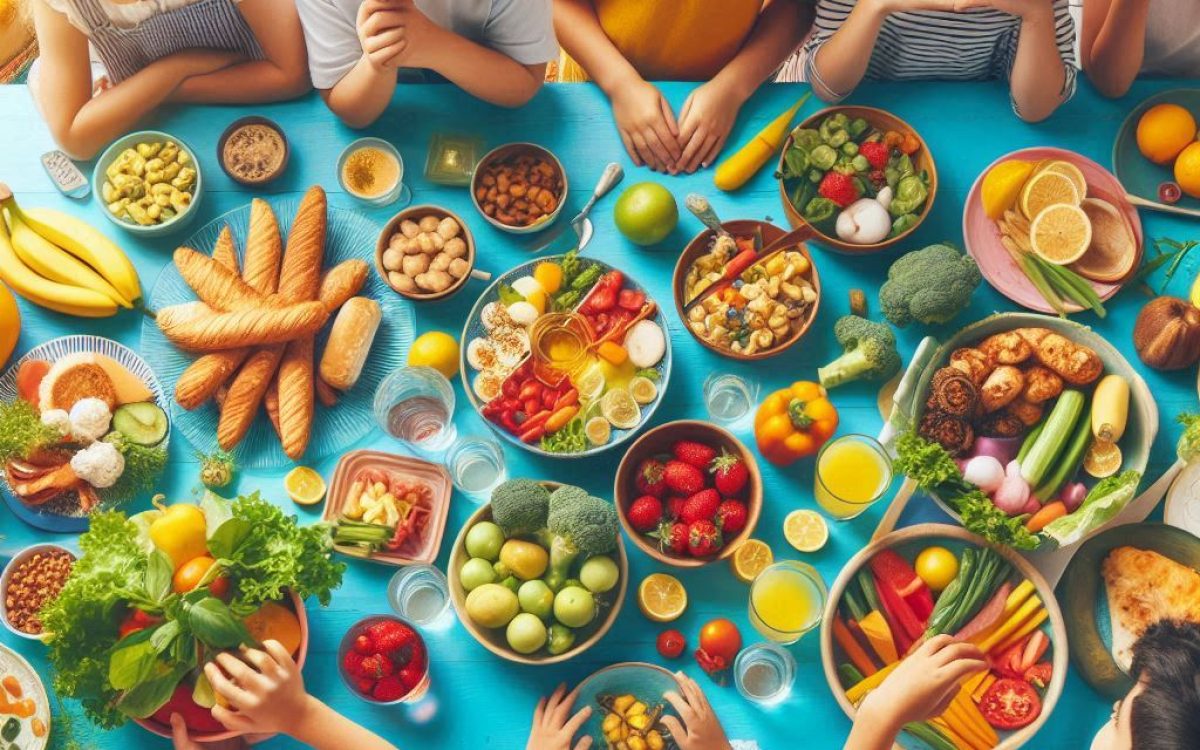
Many parents struggle with a common issue among children — picky eating. Finding the right foods for picky eaters can be challenging, especially when their limited choices affect proper nutrition and growth. However, introducing new foods into a picky eater’s diet isn’t impossible. With smart psychological and nutritional strategies, you can turn food exploration into a positive and enjoyable experience for your child.
In this article, we’ll explain in detail how to successfully introduce new foods to picky eaters, highlighting the reasons behind this behavior and practical steps to help overcome it.

Why Do Children Refuse New Foods?
Before attempting to introduce new foods to picky eaters, it’s important to understand the reasons behind picky eating. Not every food refusal is an act of stubbornness — it may stem from psychological, sensory, or environmental factors. Some of the main reasons include:
1. Fear of the Unknown (Neophobia):
A natural phenomenon in young children — they’re often afraid to try foods they’ve never seen or tasted before.
2. Sensory Sensitivity:
Some children are extremely sensitive to texture, taste, or smell. For example, a child might dislike the soft texture of boiled vegetables or the strong odor of fish.
3. Negative Past Experiences:
If a child was previously forced to eat something they didn’t like or that made them feel sick, they may develop a negative association with that food.
4. Environmental and Family Influence:
Children learn by observation. If a parent dislikes certain foods, the child is likely to imitate that behavior.
5. Desire for Control:
At certain ages, children use food as a means of asserting independence, refusing certain foods as a way to express themselves.

Practical Steps to Successfully Introduce Foods to Picky Eaters:
1. Gradual Introduction, Not Surprise:
Start by adding very small portions of a new food alongside the foods your child already enjoys.
For example:
If your child likes rice, place a small piece of vegetable next to it instead of serving a full plate of vegetables.
This helps the child get familiar with the new taste without pressure or fear.
2. Repeat Exposure:
Research shows that a child may need to try a new food 10 to 15 times before accepting it.
So don’t give up after the first or second attempt. Keep offering it in different ways, at different times, and stay patient.

3. Make Food Visually Appealing:
The way food looks can make a big difference.
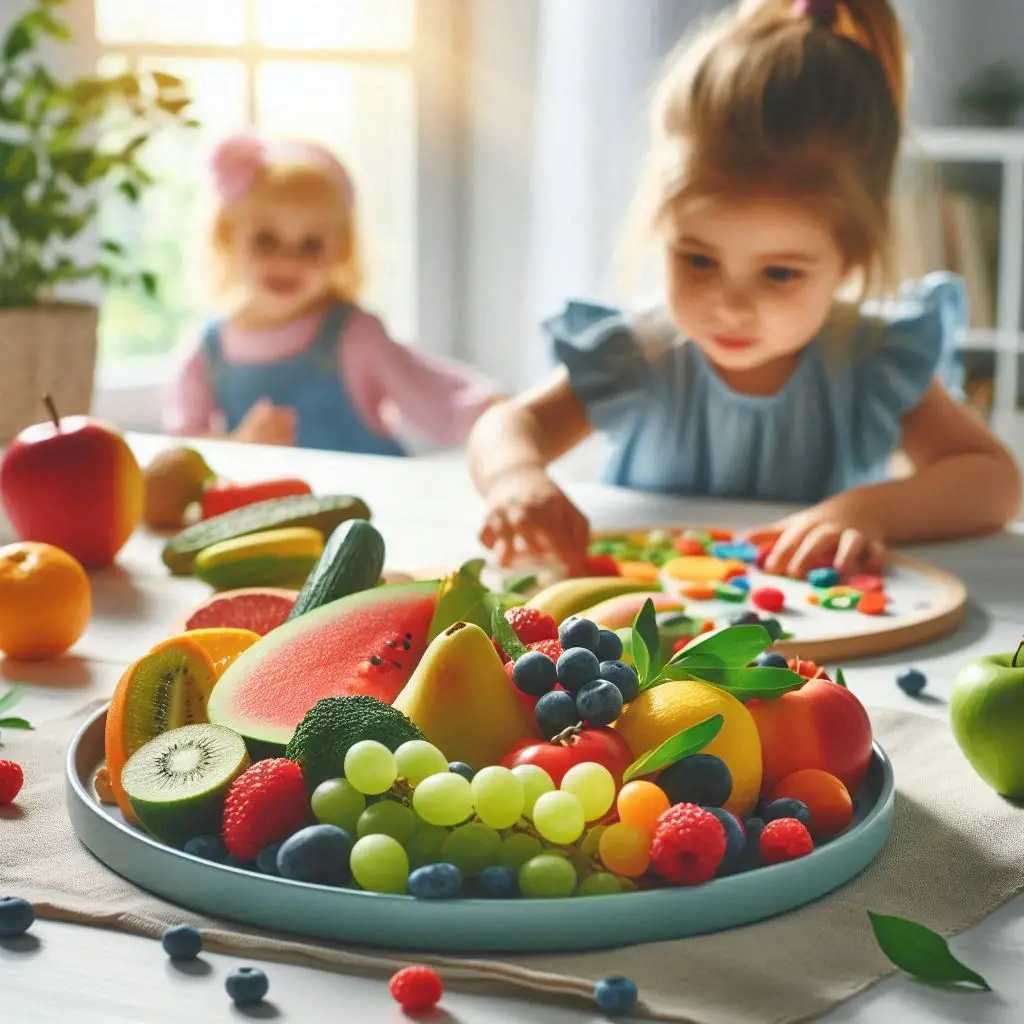
Use colorful fruits and vegetables to decorate the plate and create fun shapes — faces, animals, or stars.
Children eat with their eyes first, so make the meal look fun and inviting.
4. Involve the Child in Preparation:
When a child helps wash vegetables, stir ingredients, or set the table, they feel proud of their contribution.
This sense of involvement encourages them to try what they helped create.
5. Use Stories and Imagination:
Turn new food experiences into adventures.
For example:
“This vegetable is what the heroes in the story ate to get their energy!”
Imagination can be a powerful motivator for kids.
6. Eat Together as a Family:
When children see their parents and siblings eating and enjoying new foods, they feel safe and encouraged to do the same.
Family meals are one of the most effective ways to promote acceptance.

7. Respect the Child’s Preferences:
Just like adults, children won’t like everything — and that’s okay.
If your child consistently dislikes a certain food, try nutritionally similar alternatives instead.
8. Use Positive Reinforcement:
Praise your child when they try something new, even if they don’t eat much of it.
For example:
“I’m proud of you for tasting the cucumber today!”
This builds a positive emotional connection with food exploration.
Maintaining Balanced Nutrition with Picky Eaters:
If picky eating continues, parents can still ensure a balanced diet by:
1- Offering nutrient-rich foods such as protein, iron, and calcium in various forms.

2- Using dietary supplements when necessary, under a doctor’s supervision.
3- Regularly monitoring the child’s growth and weight to ensure proper nutrition.
At Nutrition Travels, we believe that healthy eating begins with awareness and understanding, not strict rules. That’s why we focus on sharing scientifically reliable yet easy-to-understand information that helps parents deal with everyday nutrition challenges — like picky eaters — in a practical, stress-free way.
Through our articles and expert tips, you’ll find guidance and inspiration to nourish your child with balance, creativity, and confidence.
Follow us for more advice, recipes, and insights that make every food journey a joyful and enriching experience 🌱🍽️