
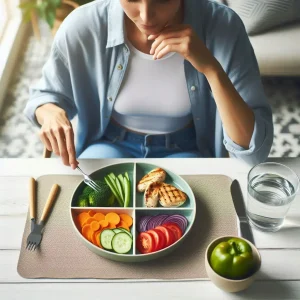
Portion control is one of the simplest yet most powerful tools for maintaining a healthy weight and improving your overall well-being. It’s not just about eating less — it’s about being aware of how much you eat and understanding the nutritional value of each meal. By learning how to manage portion sizes, you can enjoy your favorite foods without guilt, maintain balanced energy, and support long-term health.
What Is Portion Control?
Portion control means being mindful of the amount of food or calories you consume in each meal. It’s about finding the balance between overeating and undereating — what Aristotle referred to as the “golden mean.”
In simple terms, portion control allows you to eat a variety of nutritious foods in balanced amounts that match your body’s needs.
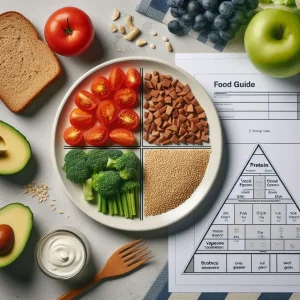
To make this easier, nutrition experts often use food guide pyramids — visual tools that help you understand the right proportions from each food group.
Why Portion Control Matters
Portion control directly influences your body weight because your weight depends on your total calorie intake versus what you burn.
If you consume more calories than your body uses, the excess energy is stored as fat. On the other hand, eating too little can lead to nutrient deficiencies.
Maintaining proper portion sizes ensures your body receives enough nutrients without excessive calories — the key to sustainable weight management.

Emotional Eating and Portion Awareness
Emotional factors like stress, sadness, or boredom often lead to overeating.
To avoid emotional overeating:
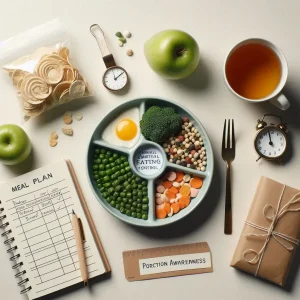
- Plan your meals in advance.
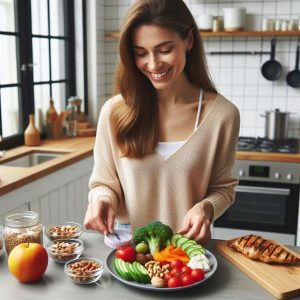
- Use smaller plates to naturally limit serving sizes.
- Avoid eating straight from large packages.
- Practice mindful eating — slow down, taste your food, and listen to your body’s signals.
Estimating Portion Sizes Visually
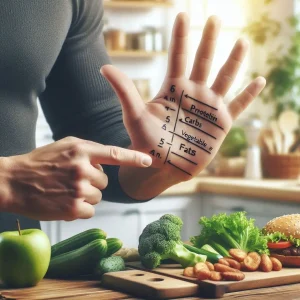
You don’t always need a food scale — your hand can be a great guide!
Here’s how:
- Palm = Protein (chicken, fish, or meat).
- Fist = Carbs or fruits/vegetables (pasta, rice, apples).
- Thumb = Fats (butter, cheese, or nut spreads).
- Two fingers = One tablespoon of dressings or condiments.
These quick visual cues make portion control easy anywhere — at home or dining out.
Serving Size vs. Portion Size
- Serving Size: The standardized amount listed on nutrition labels.
Example: ½ cup of cereal on the label equals one serving. - Portion Size: The actual amount you eat. You might pour a full cup, which equals two servings.
Understanding this difference helps you better track calories and nutrients.
Recommended Portions by Food Group
| Food Type | Portion Size | Visual Comparison | Calories (Approx.) |
| Fruits | 1 tennis ball | Small apple/orange | 60 kcal |
| Vegetables | 1 baseball | ½ cup cooked carrots | 25 kcal |
| Carbs (Grains/Pasta) | Deck of cards | ½ cup cooked pasta | 70 kcal |
| Proteins | Deck of cards | 60–70 g chicken or tofu | 110 kcal |
| Fats | 2 dice | 2 tsp mayo or butter | 45 kcal |

Tools That Help with Portion Control
- Measuring Cups & Spoons: Great for precise calorie counting.
- Kitchen Scale: Helps when tracking macros or following specific diets.
- Small Containers: Pre-portion snacks and meals to avoid overeating.
- Smaller Plates & Bowls: Trick your brain into feeling satisfied with less.
Simple Portion Control Techniques for Beginners
- Plan Meals Ahead: Prepare balanced meals for the week.
- Read Nutrition Labels: Check serving sizes and calories.
- Eat Slowly: It takes about 15 minutes for your brain to feel full.
- Stay Hydrated: Drink water before meals to reduce overeating.
- Fill Half Your Plate with Vegetables: High volume, low calories, more fiber!
- Avoid Distractions: Don’t eat in front of a TV or phone.
Easy-to-Control Foods
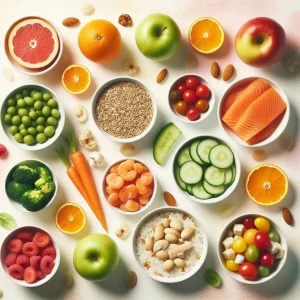
These foods are naturally portion-friendly and help you stay satisfied longer:
- Fruits and Vegetables: Low-calorie, high-fiber choices like apples, cucumbers, and carrots.
- Legumes: Beans, peas, and chickpeas keep you full for longer.
- Whole Grains: Oats, brown rice, and quinoa provide slow-releasing energy.
- Nuts and Seeds: Small handfuls offer protein and healthy fats.
- Lean Proteins: Chicken, fish, and low-fat dairy are satisfying and easy to measure.
How Portion Control Promotes Weight Loss
- Reduces Calorie Intake: Smaller portions mean fewer calories without feeling deprived.
- Prevents Overeating: Helps you stop eating once you’re satisfied, not stuffed.
- Improves Blood Sugar Levels: Balanced meals stabilize insulin and prevent cravings.
- Encourages Mindful Eating: Builds awareness of what and how much you consume.
Common Portion Control Mistakes
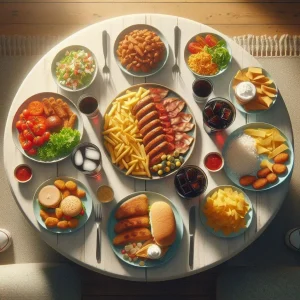
- Ignoring serving sizes.
- Eating out without planning.
- Using oversized plates.
- Ignoring hunger and fullness cues.
How to Fix Them
- Learn the correct portion for each food.
- Share meals or order half portions when dining out.
- Pack leftovers instead of finishing the whole plate.
- Eat slowly and stop when you feel comfortably full.
Final Tips for Beginners
- Start small — focus on one meal at a time.
- Combine portion control with physical activity.
- Be patient — habits take time to form.
- Remember: portion control isn’t a diet, it’s a lifestyle.
Portion control is not about restriction; it’s about balance and awareness.
By understanding portion sizes, using practical tools, and making mindful choices, you can reach a healthy weight, improve digestion, and feel more energized throughout the day.
Start small, stay consistent, and enjoy every bite — the healthy way!
For more practical guides on healthy eating, nutrition, and weight management, visit Nutrition Travels — your trusted source for balanced living.