
When it comes to children’s health and proper growth, many parents find themselves questioning what the ideal nutrition looks like, and whether the daily meals their child consumes are enough to meet their needs for vitamins and minerals. With supplements flooding the market and advertisements portraying them as the magical solution for all nutritional problems, many ask: Do kids really need supplements?
In this article, we’ll discuss this topic in detail—starting with the importance of natural nutrition, moving on to when supplements may be necessary, and finally the potential risks of overusing them.

Natural Nutrition vs. Kids Supplements:
Food is the primary source of the nutrients children need for healthy growth and strong development. Through a balanced diet that includes vegetables, fruits, whole grains, proteins, and dairy products, a child can obtain most of the essential vitamins and minerals.
Some of the key benefits of natural food include:
- Nervous system and brain development: Omega-3 fatty acids found in fish enhance brain function and focus.
- Immune system support: Vitamins such as C, A, and zinc strengthen the body’s resistance to illness.
- Stronger bones and teeth: Calcium and vitamin D found in milk and dairy products.
- Energy for daily activity: Complex carbohydrates and proteins provide vitality for school and play.
Thus, natural nutrition should always be the foundation—supplements cannot replace it.

When Children Might Need Kids Supplements?
Although a balanced diet covers most children’s nutritional needs, some situations may require supplements:
1. Medically confirmed deficiencies:
If medical tests show that a child has a deficiency in a specific nutrient such as iron or vitamin D, a doctor may prescribe a supplement under supervision.
2. Severe picky eating:
Some children refuse to eat entire food groups like vegetables or meats, which can lead to nutritional gaps.

3. Specific medical conditions:
Children with chronic illnesses such as gastrointestinal disorders, kidney disease, or food allergies may need supplements to compensate for deficiencies.
4. Strict vegetarian or vegan diets:
In such cases, supplements like vitamin B12, iron, or omega-3 fatty acids may be necessary.
5. Periods of rapid growth or intense sports activity:
Children undergoing growth spurts or those heavily involved in sports may require additional support.
Common Kids Supplements Recommended by Doctors:
Doctors often recommend certain supplements more than others for kids, including:
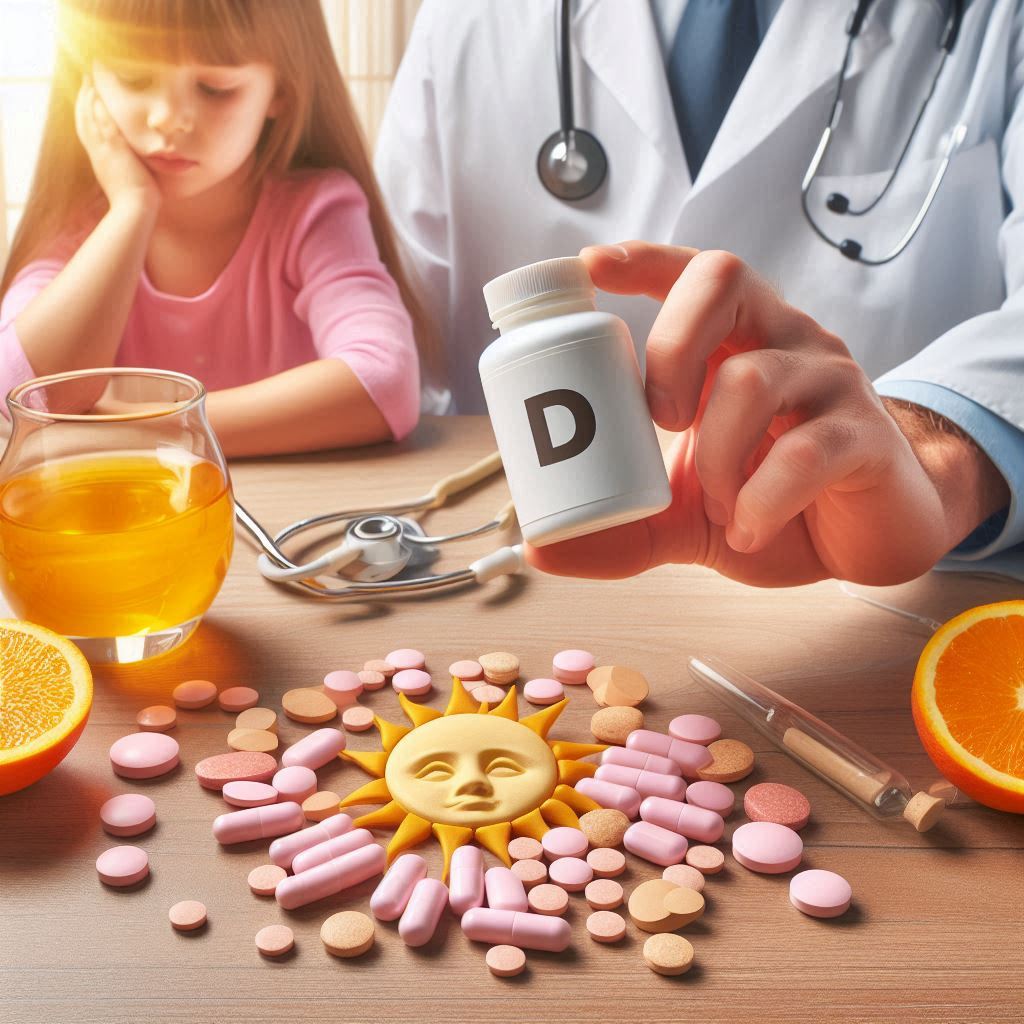
1. Vitamin D: Essential for bone and teeth health, especially in regions with limited sun exposure.
2. Iron: Protects against anemia and improves focus and energy.
3. Calcium: Vital for bone growth during rapid development stages.
4. Omega-3: Supports brain development, memory, and concentration.
5. Vitamin B12: Crucial for red blood cell production and the nervous system, especially for vegetarians.
Risks of Excessive Supplement Use:
Some parents believe “more is better”, but that’s a misconception. Overuse of supplements can lead to serious health issues such as:
- Excessive amounts of vitamins A or D can be toxic.
- Liver or kidney problems from nutrient buildup.
- Digestive issues like nausea, diarrhea, or constipation.
- Interactions with medications a child may already be taking.
This is why no supplement should be given without consulting a doctor.

How Can Parents Ensure Proper Nutrition Without Relying on Supplements?
Instead of randomly turning to supplements, parents can focus on:
1. Offering a varied diet that covers all food groups.
2. Teaching healthy habits such as drinking water instead of soda, or eating fruit instead of candy.
3. Preparing home-cooked meals and avoiding fast food rich in fats and sugars.

4. Encouraging kids to try new foods in a fun way.
5. Scheduling regular check-ups to rule out any deficiencies.
Supplements are neither an enemy nor a magic cure. They are medical tools used when necessary, and only under professional supervision. Healthy children with balanced diets usually don’t need them, but certain cases may benefit.
At Nutrition Travels, we care deeply about your health and your children’s well-being. That’s why we’re committed to providing reliable information and practical advice to help you make better, healthier decisions for a balanced lifestyle. Follow us to find everything you need about proper nutrition, supplements, and the secrets of healthy living.