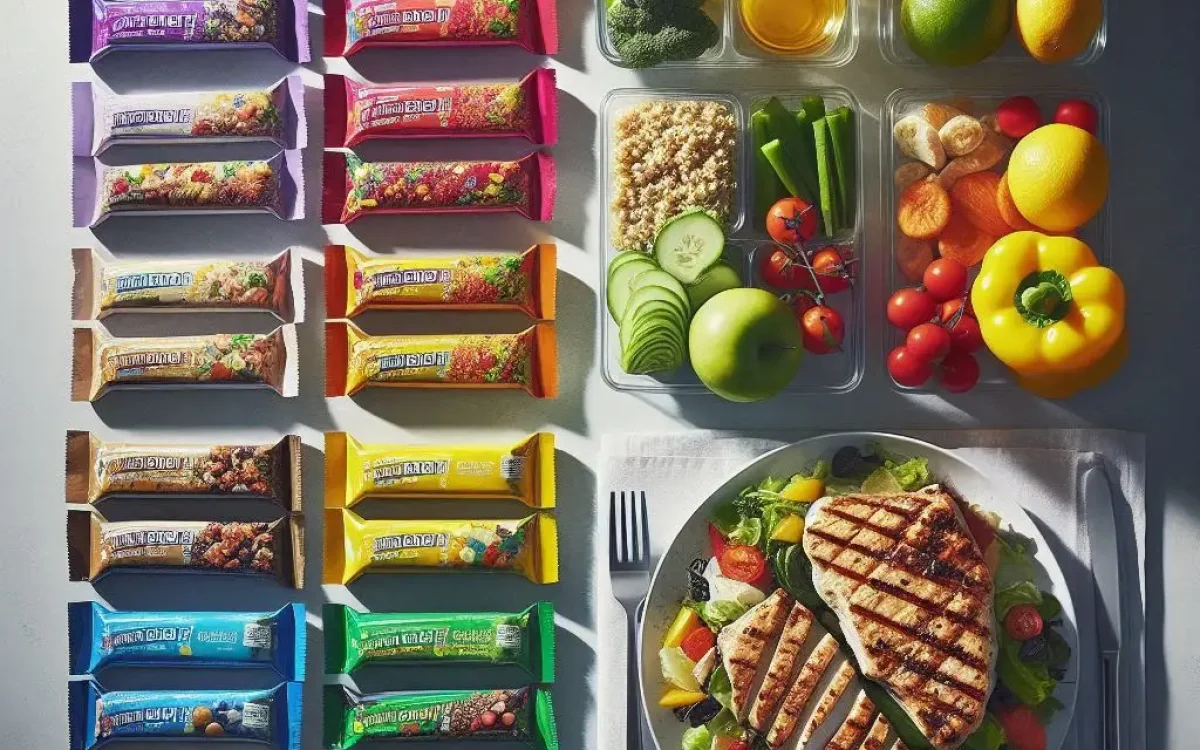
In today’s fast-paced lifestyle, convenience often shapes our eating habits. With busy schedules and limited time, many people turn to protein bars as an easy solution for fueling workouts, replacing meals, or satisfying hunger. On the other hand, real food—whole, minimally processed, and nutrient-rich—has been the foundation of healthy diets for centuries. But when comparing protein bars vs. real food, which option is truly better for your health, energy, and long-term well-being? Let’s explore both sides in depth.

The Case for Protein Bars
- Convenience on the Go
Protein bars are designed for modern lifestyles. They are portable, mess-free, and easy to store in a bag or office drawer. For athletes, professionals, or students, grabbing a protein bar can save time without skipping a meal.
- Nutritional Support
Many protein bars contain around 15–25 grams of protein per serving, which helps with muscle recovery and satiety. They can also provide quick carbohydrates for energy, making them a good pre- or post-workout snack.
- Portion Control
Unlike large meals, a protein bar offers a pre-measured amount of calories. This makes it easier for people tracking macros or those aiming for weight management to stay within their goals.
- Specialized Options
Today, the market offers a wide variety of protein bars: low-carb, high-fiber, gluten-free, vegan, or fortified with vitamins. This variety means almost anyone can find a bar that matches their dietary needs.

The Limitations of Protein Bars
- Processing and Additives
While they may seem healthy, many protein bars are highly processed. They often contain artificial sweeteners, preservatives, or sugar alcohols that may cause digestive discomfort.
- Hidden Sugars
Some protein bars have as much sugar as a candy bar. Even if marketed as “healthy,” a closer look at the nutrition label often reveals syrups, added sugars, or fillers that reduce their overall health value.
- Lack of Micronutrients
Protein bars typically provide macronutrients—protein, carbs, and fats—but they fall short on essential micronutrients like vitamins, minerals, and antioxidants. In contrast, whole foods deliver these naturally.
The Case for Real Food
- Nutrient Density
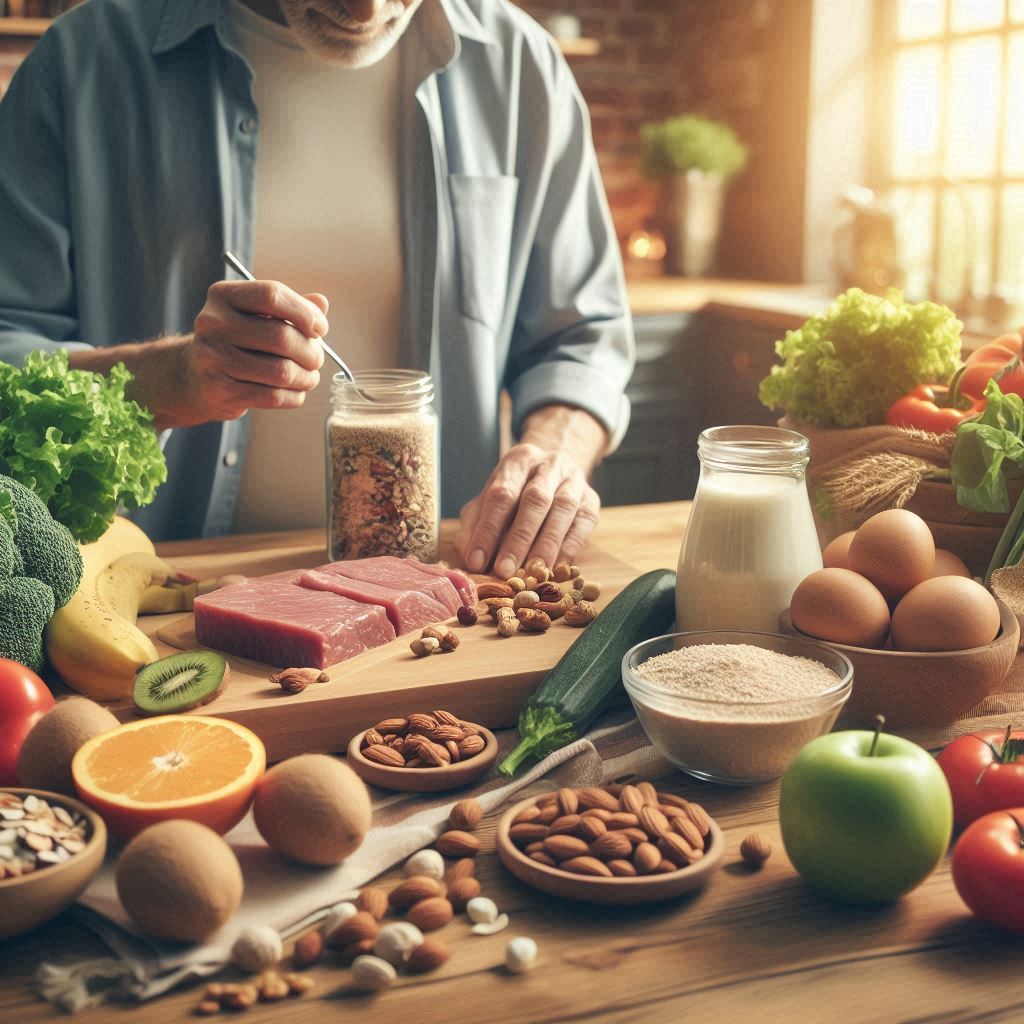
Whole foods such as lean meats, legumes, fruits, vegetables, and nuts are packed with vitamins, minerals, fiber, and phytonutrients that support overall health. Unlike bars, these nutrients work synergistically to improve digestion, immunity, and energy levels.
- Satiety and Digestive Health
Foods like oats, beans, and vegetables are rich in fiber, which promotes fullness and supports gut health. Real food meals tend to be more satisfying, reducing the likelihood of overeating later.
- Better Long-Term Benefits
Consistently eating real, whole foods reduces the risk of chronic diseases like heart disease, type 2 diabetes, and obesity. Their natural composition supports sustainable health, something processed protein bars can’t fully provide.
- Flavor and Enjoyment
Let’s not forget taste. A balanced plate of fresh, colorful ingredients not only nourishes the body but also provides sensory satisfaction that a packaged bar rarely matches.

Limitations of Real Food
- Time and Preparation
While whole foods are healthier and more nutrient-dense, they do require time and effort. Preparing a balanced meal means shopping for fresh ingredients, ensuring proper storage, and then cooking them. For people with busy schedules, this can feel overwhelming, especially if they work long hours, travel frequently, or juggle family responsibilities. Unlike a protein bar that you can unwrap and eat in seconds, real food demands planning and consistency, which not everyone can manage every day. - Portability
Another challenge is practicality. Carrying a homemade salad, grilled chicken breast, or a smoothie isn’t always convenient, particularly when you are on the go. Fresh meals often need refrigeration and can spoil quickly if not stored properly. For example, bringing a salmon fillet or yogurt to the office or on a hike is much harder than slipping a protein bar into your bag. In this sense, protein bars offer unmatched portability, making them an easier choice during travel, gym sessions, or outdoor activities where access to fresh meals is limited.

When Protein Bars Make Sense
Protein bars can be helpful in specific contexts:
- Post-workout recovery: Fast-digesting protein supports muscle repair.
- Busy travel days: When healthy food isn’t available, bars can prevent unhealthy snacking.
- Calorie control: They help with portioning compared to oversized fast-food meals.
However, they should complement a diet rather than replace real meals.

When Real Food Is the Better Choice
In almost every situation, real food is the superior option because it provides:
- Natural nutrients in balanced amounts.
- Long-term health benefits.
- Variety in flavors and textures.
Whenever possible, prioritize real food for your main meals and keep protein bars as a backup for emergencies.
Finding the Balance
The question isn’t necessarily protein bars vs. real food—it’s about balance. Protein bars can be a convenient tool, but they should never replace a diet rich in whole, nutrient-dense foods. Ideally, aim for 80–90% of your nutrition from real foods and leave 10–20% for convenient options like bars.
Transitioning from relying solely on packaged bars to preparing simple, real meals can make a dramatic difference in energy, performance, and overall health.
Both protein bars and real food have their place in a healthy lifestyle. Protein bars provide convenience, portability, and quick nutrition, while real food offers superior nutrient density, long-term health benefits, and satisfaction. Instead of choosing one over the other, use protein bars strategically when life gets hectic but always rely on real food as the foundation of your diet.
If you’re looking for more health tips, nutrition guides, and balanced lifestyle advice, don’t forget to visit Nutrition Travels for expert articles designed to keep you energized and informed. Start building a healthier routine today with us!