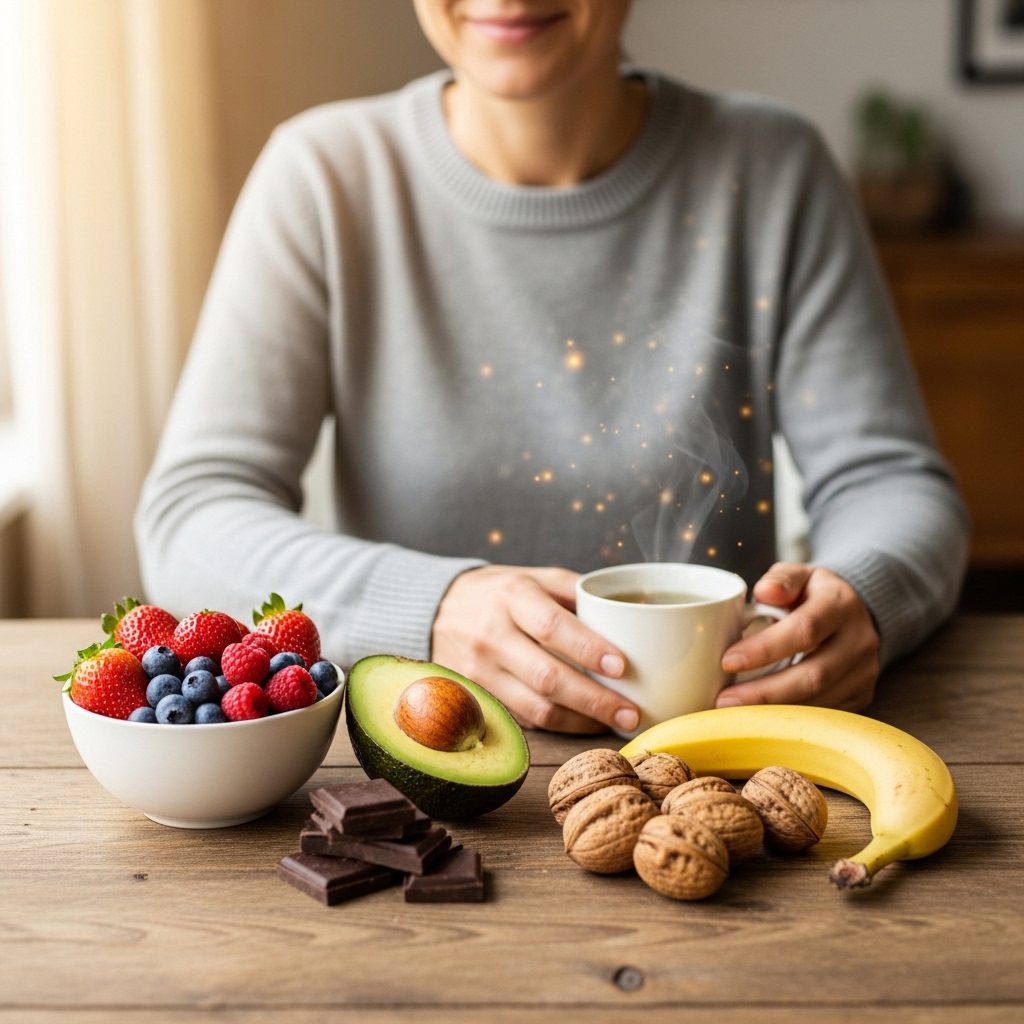

Pregnancy cravings are a natural part of expecting a baby. Many women experience sudden urges for certain foods, from sweets like chocolate to savory snacks such as pickles or chips. These cravings are influenced by hormonal changes, increased nutritional needs, and even psychological and cultural factors. While indulging occasionally is normal, consistently giving in to unhealthy cravings can affect both maternal and fetal health. Understanding how to manage cravings the healthy way ensures a balanced, enjoyable pregnancy.

Why Cravings Happen During Pregnancy
Cravings during pregnancy occur due to several intertwined factors:
1- Hormonal and Sensory Changes
- Hormonal shifts: Estrogen and progesterone levels can affect taste and smell, making some foods more appealing and others repulsive.
- Heightened senses: Pregnant women may notice intensified aromas, which can trigger strong desires for high-calorie or fatty foods.
2- Nutritional and Metabolic Needs
- Increased nutrient demands: Growing babies require more calories, protein, calcium, iron, and other nutrients.
- Brain reward centers: Changes in the brain’s reward system can increase the urge for calorie-rich foods.
3- Other Factors
- Stress and routine: Emotional factors or daily routines can enhance cravings as a form of comfort.
- Specific nutrient deficiencies: A desire for dairy may indicate calcium needs, or red meat may signal iron deficiency.
Common Pregnancy Cravings and What They May Mean
- Red Meat: Signals a potential need for more iron and protein.
- Dairy Products (Milk, Cheese, Yogurt): Indicates a need for calcium and vitamin D for bone and tooth development.
- Sweet Foods (Chocolate, Desserts): May reflect quick energy needs or blood sugar fluctuations. Opt for natural sugars from fruit.
- Salty Snacks (Fries, Pickles): Could relate to changes in blood volume or mineral balance.
- Citrus Fruits: Suggests a need for vitamin C, supporting immunity and iron absorption.
- Carbohydrates (Bread, Pasta): Provide energy and may help with mood regulation.
- Spicy Foods: Can trigger endorphins, boosting mood, or help with body temperature regulation.
Note: Cravings for non-food items, such as ice or chalk, are known as pica and may indicate iron deficiency or other nutritional issues. Consulting a healthcare provider is crucial in these cases.
Healthy Strategies for Handling Cravings
1- Choose Nutrient-Dense Alternatives
- Sweet cravings → fresh fruit, smoothies with yogurt, or dark chocolate in moderation.
- Salty cravings → roasted nuts, seeds, or air-popped popcorn.
- Chocolate → opt for small portions of dark chocolate or cocoa-flavored recipes with low sugar.
2- Eat Regular Balanced Meals
Skipping meals can intensify cravings. Include protein, complex carbs, and healthy fats in each meal to stabilize blood sugar and curb sudden urges.
- Stay Hydrated: Thirst can mimic hunger. Drink water or infused water to reduce unnecessary snacking.
- Practice Mindful Eating: Eat slowly and savor each bite. Notice when you feel full to prevent overindulging.
- Protein-Rich Snacks: Examples: Greek yogurt, boiled eggs, cheese sticks, hummus with veggies, or nut butter on whole-grain toast.
- Plan and Prep Snacks: Keep healthy options ready, such as pre-cut vegetables, fruit cups, or homemade trail mix.
- Moderate Physical Activity: Prenatal yoga or walking can help regulate appetite, improve mood, and reduce emotional eating.
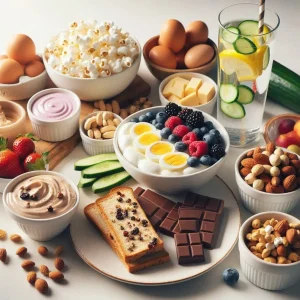
Nutritious Snack Ideas for Cravings
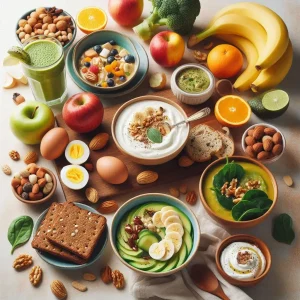
1- Fresh Fruits – Apples, bananas, and oranges offer vitamins, fiber, and natural sugar for energy.
2- Greek Yogurt with Nuts – Protein, calcium, and healthy fats support both mother and baby.
3- Whole-Grain Crackers with Hummus – Provides complex carbs, protein, and fiber to prevent constipation.
4- Boiled Eggs – Rich in protein and choline, essential for brain development.
5- Homemade Vegetable Soup – Packed with vitamins, iron, and folate.
6- Avocado Toast – Healthy fats, fiber, and potassium help regulate blood pressure.
7- Protein Smoothies – Combine fruits, spinach, yogurt, and protein powder for a satisfying drink.
8- Nut and Dried Fruit Mix – Offers iron, magnesium, vitamin E, and sustained energy.
Choosing these snacks ensures cravings are satisfied without compromising nutrition or health.
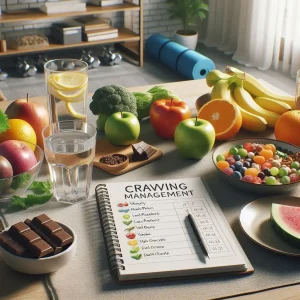
Tips for Managing Cravings Safely
- Consult Your Doctor: Especially if cravings are intense, unusual, or involve non-food items.
- Healthy Meal Planning: Focus on balanced meals rich in fruits, vegetables, protein, and whole grains.
- Hydration: Drink enough water and healthy fluids.
- Limit Sugary and Processed Foods: Prevent excessive weight gain and blood sugar spikes.
- Exercise and Relaxation: Light exercise, deep breathing, or prenatal yoga can reduce stress and improve mood.
- Communication with Partner: Discuss your needs and find comfortable ways to address cravings.
When to Seek Medical Advice
- Persistent cravings for non-food items (pica)
- Nutrient deficiencies affecting maternal or fetal health
- Excessive weight gain or overeating
Cravings are a natural and common part of pregnancy. Embracing them with healthy choices helps maintain both maternal and fetal health while ensuring a pleasant pregnancy experience. By opting for nutrient-rich snacks, staying hydrated, practicing mindful eating, and consulting your doctor when necessary, you can enjoy your cravings safely.
Start today: Plan your meals, prep healthy snacks, and explore nutritious alternatives to satisfy cravings without guilt. Share this guide with other expectant mothers and visit Nutrition Travels for more tips on healthy pregnancy living.