
The first trimester of pregnancy is both exciting and overwhelming. Between morning sickness, food cravings, and fatigue, eating right can feel like a challenge. But what you eat during these first three months plays a vital role in supporting your baby’s growth and your own health.
In this guide, we’ll walk through the essential foods to include in your diet, what to limit or avoid, and simple meal ideas to make your journey smoother.

Why Nutrition Matters in the First Trimester
During the first 12 weeks, your baby’s organs and tissues are forming. Proper nutrition helps with:
-
Fetal development:
Nutrients like folate and iron are critical for healthy growth.
-
Reducing risks:
A balanced diet lowers the risk of complications such as neural tube defects.
-
Energy and wellness:
Eating well helps manage fatigue, nausea, and mood changes.
What to Eat in the First Trimester
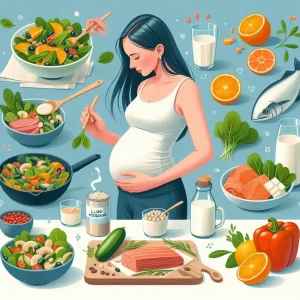
1- Folate-Rich Foods
Folate (or folic acid in supplements) is essential for your baby’s brain and spine development.
-
- Sources: leafy greens, lentils, beans, oranges, fortified cereals.
2- Protein for Growth
Protein supports cell formation and helps you stay energized.
-
- Sources: lean meats, chicken, fish (low in mercury), eggs, tofu, and legumes.
3- Iron and Vitamin C
Iron prevents anemia, while vitamin C boosts absorption.
-
- Sources: spinach with lemon juice, red meat with bell peppers, beans with tomatoes.
4- Calcium for Strong Bones
Calcium supports your baby’s bones and teeth.
-
- Sources: milk, cheese, yogurt, fortified plant-based milks, almonds.
5- Whole Grains for Energy
Whole grains provide steady energy and fiber to ease constipation, a common pregnancy symptom.
-
- Sources: oats, brown rice, quinoa, whole wheat bread.
6- Healthy Fats
Omega-3 fatty acids help with brain and eye development.
-
- Sources: salmon, chia seeds, walnuts, flaxseeds.
7- Hydration
Water is essential for carrying nutrients and reducing fatigue. Aim for 8–10 cups a day. Herbal teas like ginger tea may also ease nausea.
Foods to Limit or Avoid
1- High-Mercury Fish
Fish like shark, swordfish, king mackerel, and tilefish are high in mercury, which can harm your baby’s nervous system. Choose salmon, sardines, or trout instead.
2- Raw or Undercooked Foods
Avoid raw sushi, soft-boiled eggs, and undercooked meats to reduce the risk of infections like salmonella or listeria.
3- Unpasteurized Dairy and Juices
These can carry harmful bacteria. Stick to pasteurized milk, cheese, and juices.
4- Caffeine
Limit caffeine to 200 mg a day (about one 12-oz cup of coffee). Too much caffeine is linked to miscarriage risks.
5- Processed and Junk Foods
Chips, sugary snacks, and fast food may satisfy cravings but don’t offer the nutrients you and your baby need.
6- Alcohol
No safe amount of alcohol has been established during pregnancy—avoid it completely.

Managing Nausea and Cravings
Morning sickness often peaks in the first trimester. Try these tips:
- Eat small, frequent meals instead of three big ones.
- Keep crackers by your bed for early morning nausea.
- Ginger tea or ginger candies can ease an upset stomach.
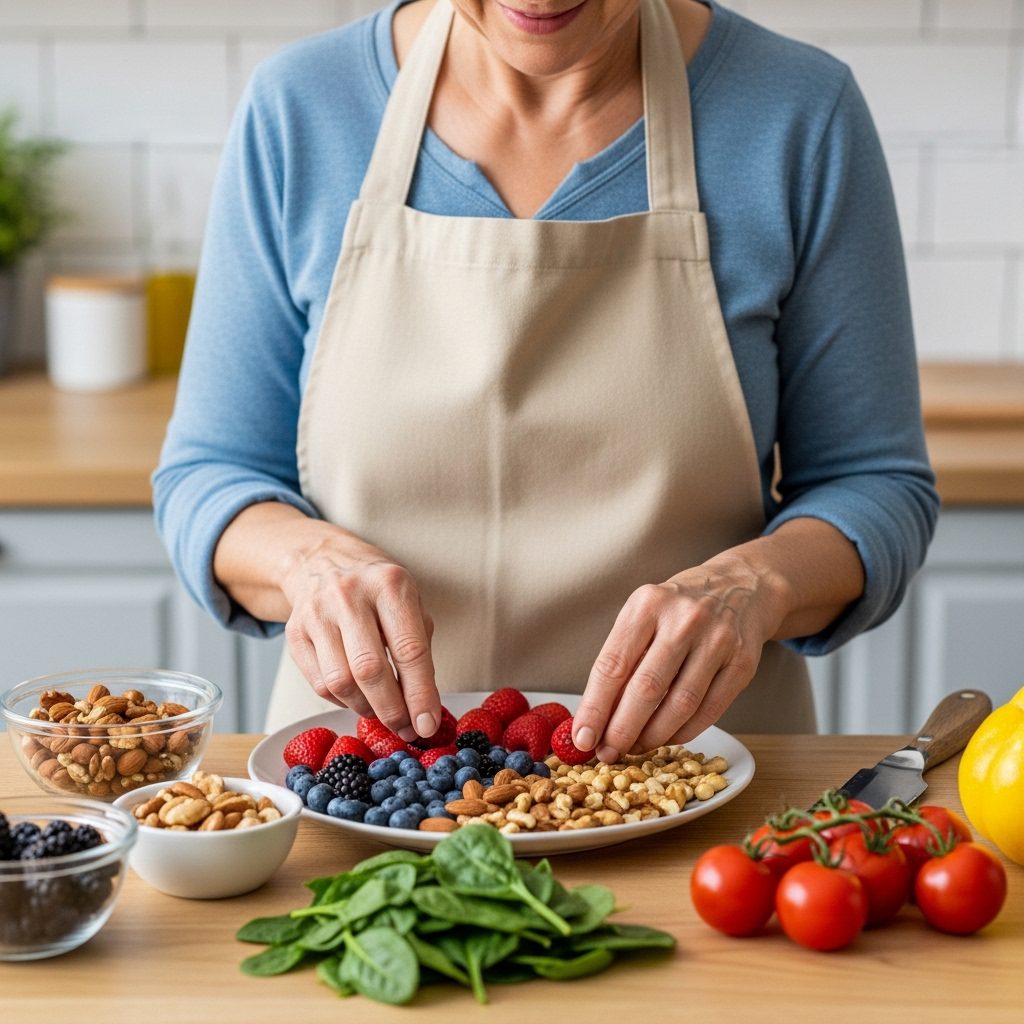
- Listen to cravings, but balance them—if you crave sweets, pair them with fruit or yogurt for extra nutrients.

Sample Meal Ideas for the First Trimester
-
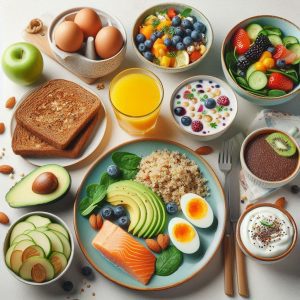
Breakfast:
Whole grain toast with avocado and boiled eggs, plus a glass of fortified orange juice.
-
Snack:
Greek yogurt with berries and chia seeds.
-
Lunch:
Quinoa salad with chickpeas, spinach, cucumber, and olive oil dressing.
-
Snack:
Apple slices with almond butter.
-
Dinner:
Grilled salmon with brown rice and steamed broccoli.
-
Snack (if needed):
Warm milk with a handful of walnuts.
The first trimester is a time of adjustment, but with the right food choices, you can support your baby’s early development while taking care of your own well-being. Focus on folate, protein, calcium, and whole foods, while avoiding raw, processed, or high-risk items.
Remember, balance is the key—you don’t have to be perfect. Small, consistent choices make the biggest difference.
For more pregnancy nutrition tips, practical meal guides, and healthy recipes, visit Nutrition Travels—your trusted partner in nourishing your journey to motherhood.