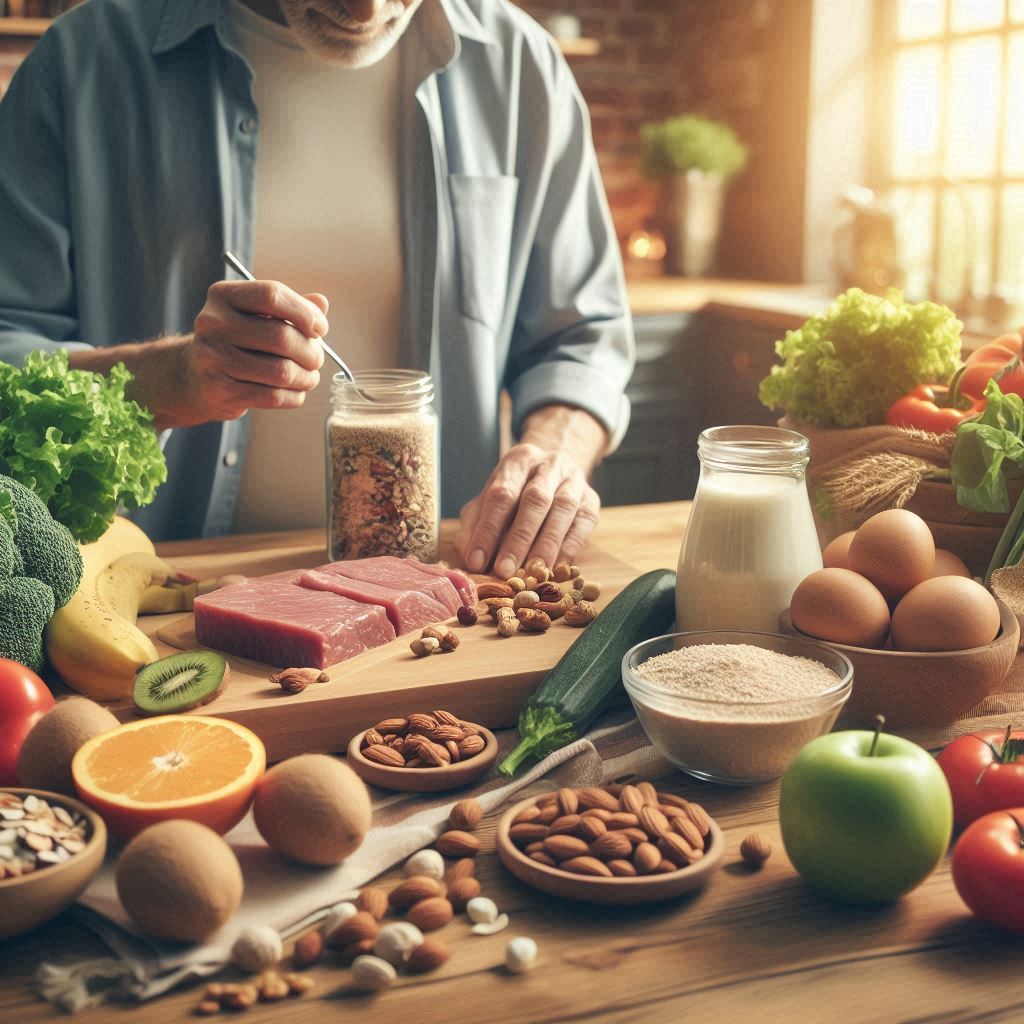
Heart Health and Food are closely connected, especially as we age and our bodies naturally go through changes. The heart muscle is one of the organs most affected, and good nutrition becomes the foundation of quality of life in old age. Since the heart is the engine of the body, any dysfunction directly impacts energy, focus, and even mood.
Many elderly people struggle with high blood pressure, arteriosclerosis, or weak circulation, making prevention far more important than treatment. Nutrition here becomes the first line of defense. Choosing the right foods not only lowers the risk of cardiovascular disease but also preserves energy, strengthens immunity, and provides seniors with a life full of vitality and comfort.
In this article, we will explore in detail the foods that support heart health in older adults, why they matter, and how to incorporate them into daily meals.

The Relationship Between Aging, Heart Health and Food :
With aging, the body undergoes several natural changes: artery walls lose part of their elasticity, maximum heart rate declines, the heart muscle becomes stiffer, and cholesterol buildup raises the risk of blockages.
This is where Heart Health and Foods play a vital role—proper nutrition can help compensate for many of these age-related changes and lower the risk of cardiovascular disease. Simply put, every meal you choose can either strengthen your heart health or make it more vulnerable.
How Heart Health and Food Work Together for Overall Health :
Heart Health and Foods are not just about providing energy, but also about prevention and healing. Research shows that the right diet can lower cholesterol, regulate blood pressure, and protect blood vessels. Foods that support heart health are naturally rich in antioxidants, fiber, and healthy fats that keep the arteries strong.
The best part? These heart-friendly foods aren’t rare or complicated—they are part of our daily life, found in vegetables, fruits, fish, and nuts.
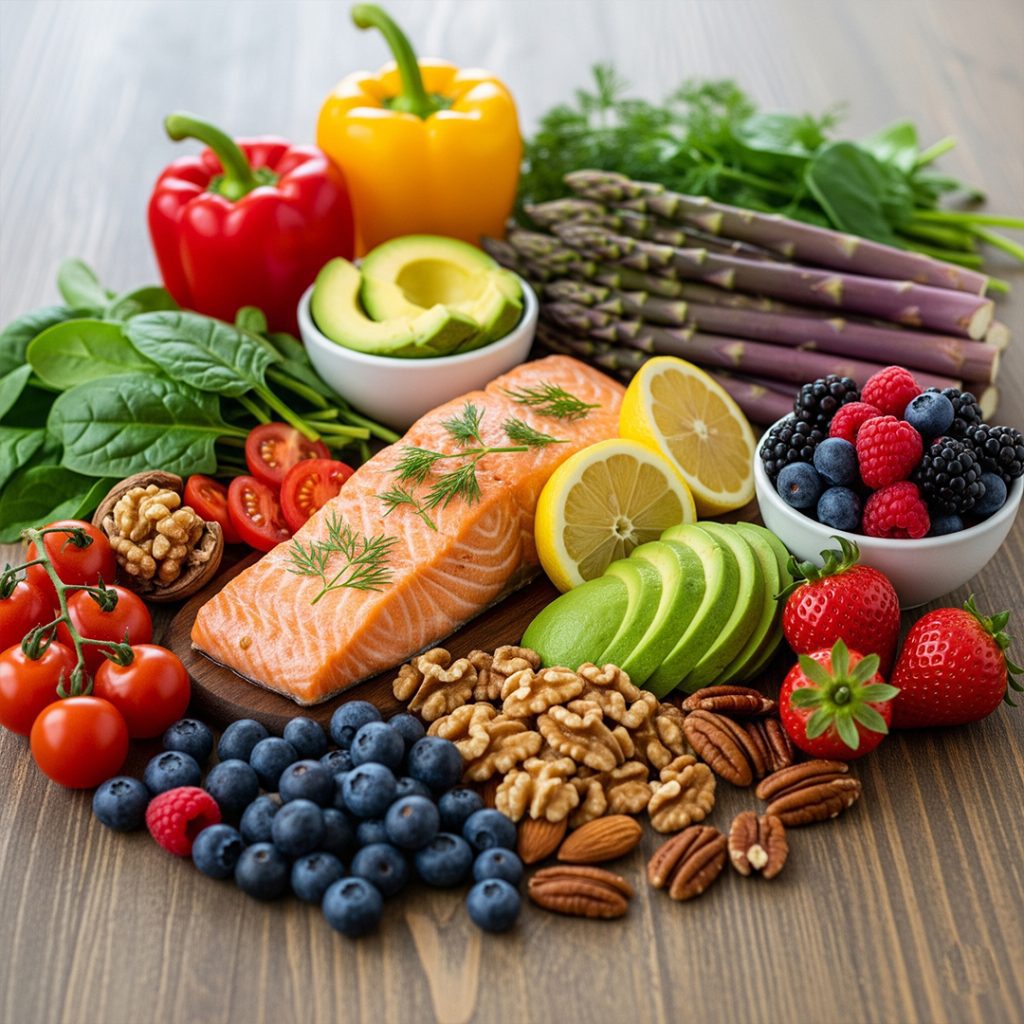
Foods That Support Heart Health:
1. Whole Grains
Whole grains such as oats, quinoa, and brown rice are rich in soluble fiber that helps lower bad cholesterol (LDL), leading to cleaner arteries and smoother circulation. They also slow down sugar absorption in the blood, keeping glucose levels stable—a key factor for people with diabetes or insulin resistance. Including whole grains in your diet is one of the simplest ways to strengthen the link between Heart Health and Foods in old age.
Daily use: Start your morning with a bowl of oats topped with fresh fruit, or swap white rice for brown rice at lunch.
2. Fatty Fish
Fish such as salmon, sardines, and tuna are considered “friends of the heart” because they are rich in omega-3 fatty acids. Omega-3s reduce inflammation and protect blood vessels from hardening. Studies show that people who eat fish two to three times a week have a lower risk of coronary heart disease.
Practical tip: If you don’t like the strong taste of fish, try it grilled with herbs and olive oil, or enjoy it in a light tuna salad.
3. Nuts and Seeds
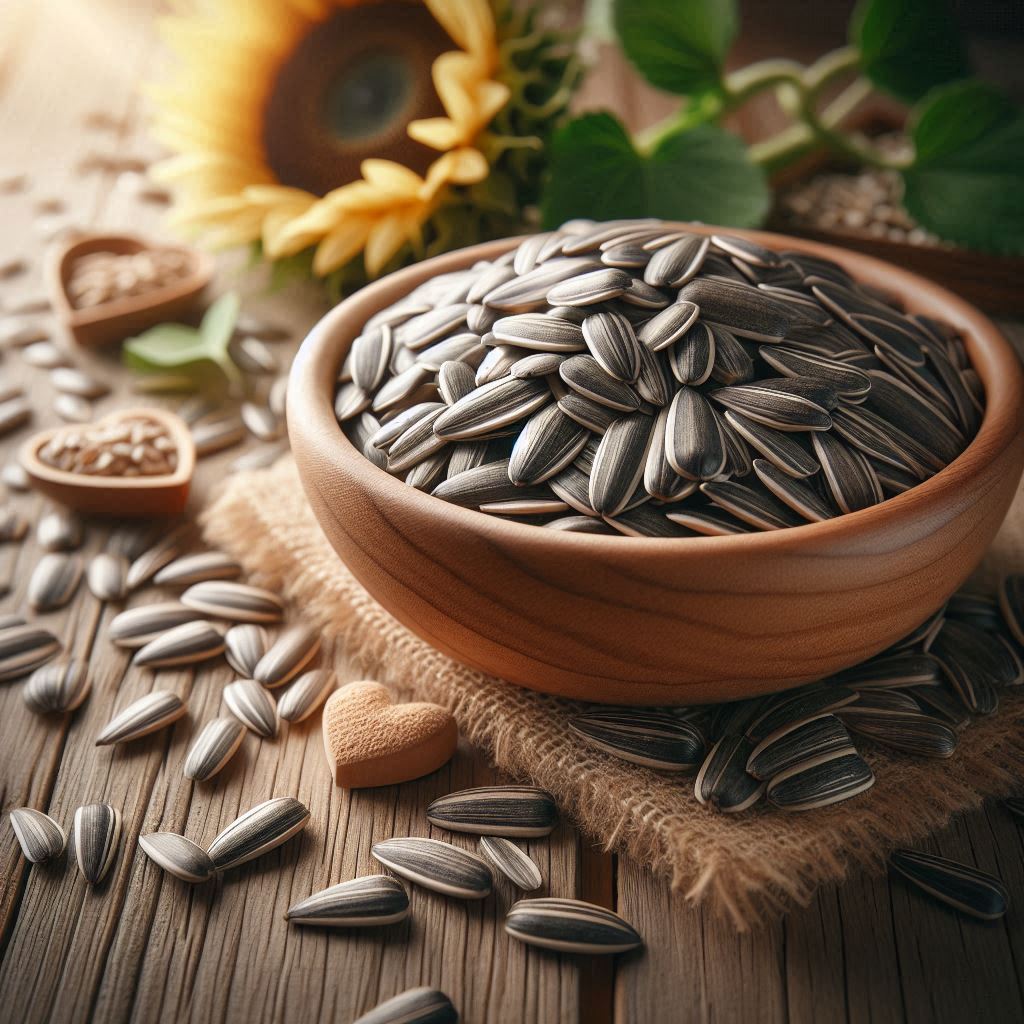
Walnuts, almonds, chia seeds, and flaxseeds are packed with heart-friendly unsaturated fats that help keep arteries flexible. They also provide magnesium, an essential mineral that supports normal heart rhythm. Even a small handful of nuts daily can be a powerful snack that strengthens the connection between Heart Health and Foods, giving your body lasting protection with every bite.
Tip: Add chia or flaxseeds to low-fat yogurt or a morning smoothie.
4. Leafy Greens
Spinach, kale, and arugula are not only low in calories, but also packed with vitamin K, which prevents blood clotting. They are also rich in potassium and natural nitrates that dilate blood vessels and lower blood pressure. A simple salad with leafy greens every day can make a big difference for heart health.
Suggestion: Try making a green juice with spinach, apple, and ginger for an extra health kick.
5. Antioxidant-Rich Fruits
Berries, strawberries, pomegranate, and oranges are rich in antioxidants that fight free radicals and reduce inflammation. This prevents cholesterol buildup in the arteries and keeps them flexible. Packed with essential vitamins that boost immunity and energy, these fruits highlight the strong connection between Heart Health and Foods, proving how daily choices can protect the body and the heart as we age.
Practical tip: Replace sweets with a handful of berries, or drink a glass of natural pomegranate juice with lunch.
6. Legumes
Lentils, beans, and chickpeas are rich in plant-based protein and soluble fiber. Plant protein is an excellent alternative to red meat, which can raise cholesterol. Legumes also promote satiety for longer periods, helping seniors maintain a healthy weight—an important factor in heart health.
Suggestion: Snack on boiled chickpeas with lemon and olive oil, or enjoy a warm lentil soup for dinner.
7. Low-Fat Dairy Products
Low-fat yogurt and milk provide calcium for strong bones and protein to maintain muscle mass. Research has shown that low-fat dairy products also help regulate blood pressure, especially in older adults.
Tip: Swap full-fat cheese for white cheese, or enjoy low-fat yogurt as part of your breakfast.
8. Healthy Oils
Extra virgin olive oil is a cornerstone of Heart Health and Food, thanks to its rich content of monounsaturated fats that help lower bad cholesterol while increasing good cholesterol. This balance supports the heart’s efficiency and reduces inflammation. Packed with powerful antioxidants, olive oil also protects the arteries and makes it an essential part of any diet that aims to support long-term heart health.
Practical use: Replace butter or ghee with olive oil in cooking, or use it as a natural salad dressing instead of commercial sauces.

Heart Health and Foods: Essential Micronutrients and Their Sources :
1. Omega-3
-
- Benefit: Reduces inflammation and improves blood vessel flexibility.
- Sources: Fatty fish (salmon, sardines, tuna), flaxseeds, walnuts.
2. Potassium
-
-
Benefit: Supports Heart Health and Foods by helping regulate blood pressure and balancing sodium levels.
-
Sources: Bananas, sweet potatoes, spinach, and avocados.
-
3. Fiber
-
- Benefit: Lowers bad cholesterol and supports gut health.
- Sources: Whole grains, oats, legumes, apples.
4. Vitamin D
-
-
Benefit: Supports both Heart Health and Food as well as bone health.
-
Sources: Fatty fish, egg yolks, mushrooms, and sunlight.
-
5. Magnesium
-
- Benefit: Regulates heartbeat and relaxes blood vessels.
- Sources: Nuts, seeds, spinach, dark cocoa.

Eating Habits That Support Heart Health
- Reduce sodium: Replace salt with natural spices.
- Control sugar intake: Limit sweets and soft drinks.
- Stay hydrated: Drink enough water to keep blood pressure stable.
- Eat smaller, frequent meals instead of heavy ones.
Heart Health and Foods: What to Avoid for a Stronger Heart :
While many options strengthen Heart Health and Foods, some can directly harm the heart—especially with age. That’s why it’s essential to limit or avoid them whenever possible, as they increase the risk of high blood pressure, cholesterol buildup, and other cardiovascular problems.
1. Trans Fats:
Found in commercial baked goods, fast food, and margarine. Trans fats raise bad cholesterol (LDL) and lower good cholesterol (HDL), leading to hardened arteries and increased risk of blood clots. A better option is to replace them with healthy fats like olive or avocado oil.
2. Processed Meats:
Such as sausages, hot dogs, and deli meats—these are loaded with sodium, preservatives, and saturated fats. Studies have linked regular consumption of processed meats to higher risks of heart disease and hypertension. To better align with Heart Health and Foods, it’s wiser to choose healthier protein sources like grilled chicken, fresh fish, or legumes instead.
3. High-Sodium Foods:
Such as chips, canned goods, ready-made meals, and commercial sauces—these are often packed with excess sodium that raises blood pressure and overworks the heart in the long term. For better alignment with Heart Health and Foods, healthier alternatives include using natural seasonings like thyme, turmeric, or garlic, or choosing low-sodium products.
Being aware of what to avoid doesn’t mean deprivation—it’s a crucial step toward supporting your heart, helping it work efficiently and maintain energy, especially in old age.

Lifestyle Habits Alongside Nutrition to Boost Heart Health
Food plays a key role, but it’s not enough on its own. To maintain heart health in old age:
- Engage in light exercise such as 30 minutes of walking daily.
- Get 7–8 hours of sleep each night.
- Reduce stress with practices like meditation or yoga.
- Have regular medical checkups to monitor blood pressure and cholesterol.
Maintaining heart health in old age is not difficult—it simply requires awareness and consistent healthy choices. The foods highlighted here show the strong link between Heart Health and Foods, as they are not only delicious and nutritious but also powerful tools in preventing heart disease. When combined with simple lifestyle habits like regular activity and good sleep, seniors can enjoy longer, healthier, and more vibrant lives.

Want to explore more topics on nutrition, health, and even travel? Visit our website NutritionTravels for comprehensive and valuable articles to help you live better every day.