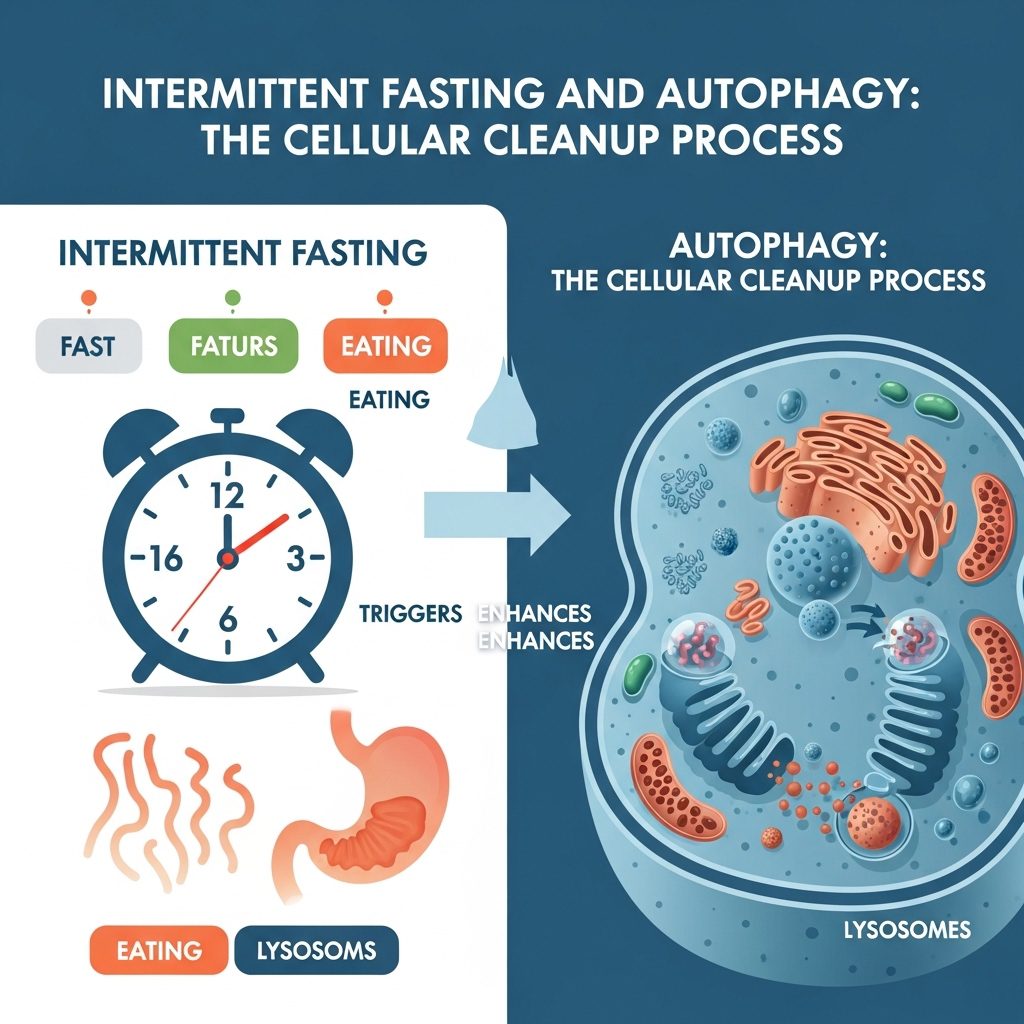
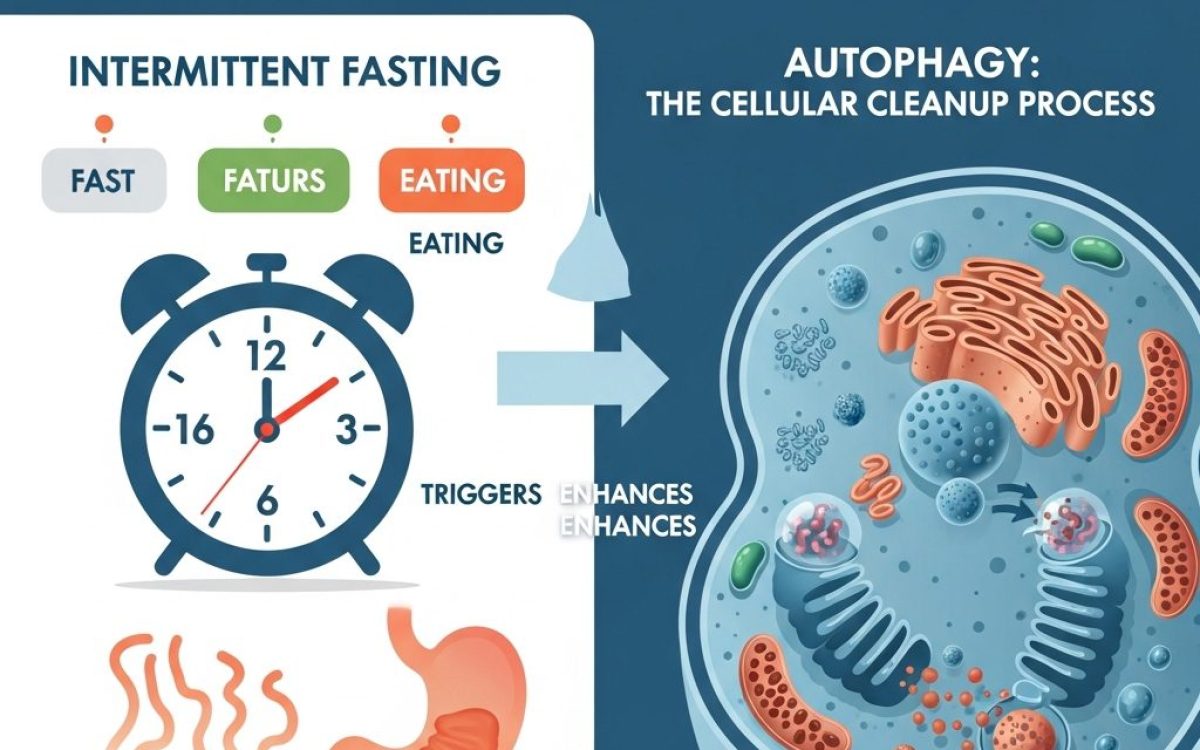
In the world of nutrition and health, many people have started talking about intermittent fasting and its effects on the body. More than just a way to lose weight, intermittent fasting is directly linked to a process inside the body’s cells known as autophagy, a vital mechanism that helps clean the body and regenerate cells. For those interested in nutrition, understanding the relationship between intermittent fasting and autophagy can open new perspectives on health at the cellular level, not just in terms of the number on the scale.
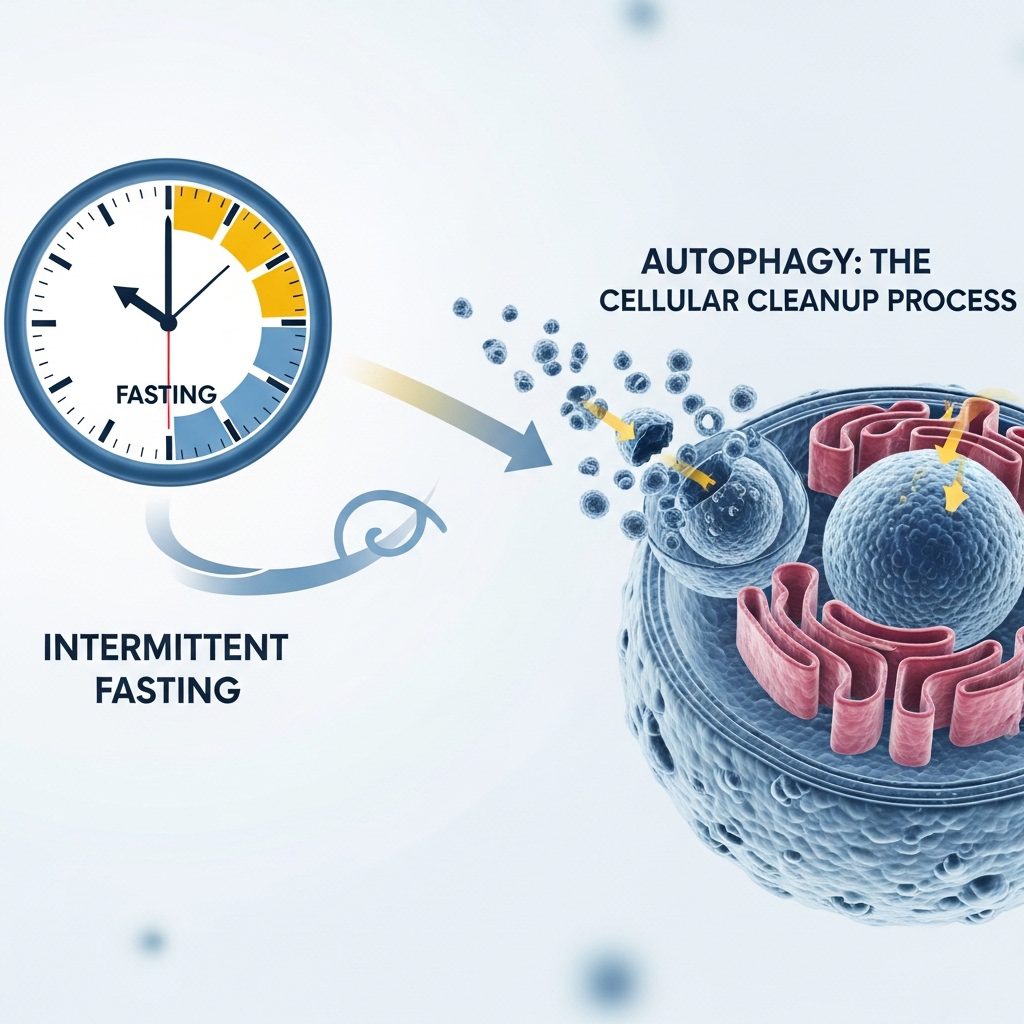
What is Intermittent Fasting?
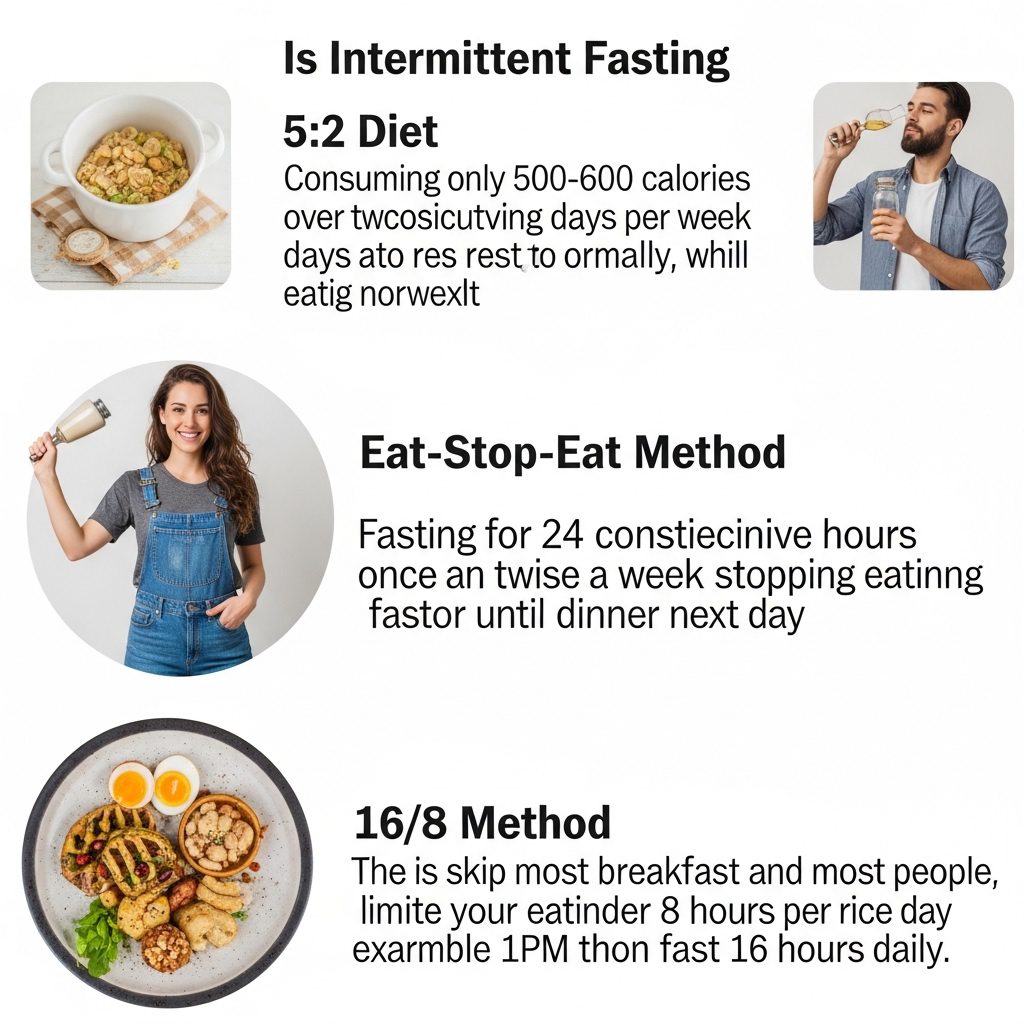
Intermittent fasting is not just a diet, but a nutritional pattern based on alternating between periods of eating and periods of fasting. There are several common types of intermittent fasting:
1. 5:2 Diet: This involves consuming only 500 to 600 calories over two consecutive days per week, while eating normally for the rest of the week.
2. Eat-Stop-Eat Method: This involves fasting for 24 consecutive hours once or twice a week, for example, stopping eating after dinner and fasting until dinner the next day.
3. 16/8 Method: This is the most suitable for most people, where you skip breakfast and limit your eating window to 8 hours per day, for example between 1 PM and 9 PM, then fast for 16 hours daily.
What is Autophagy?
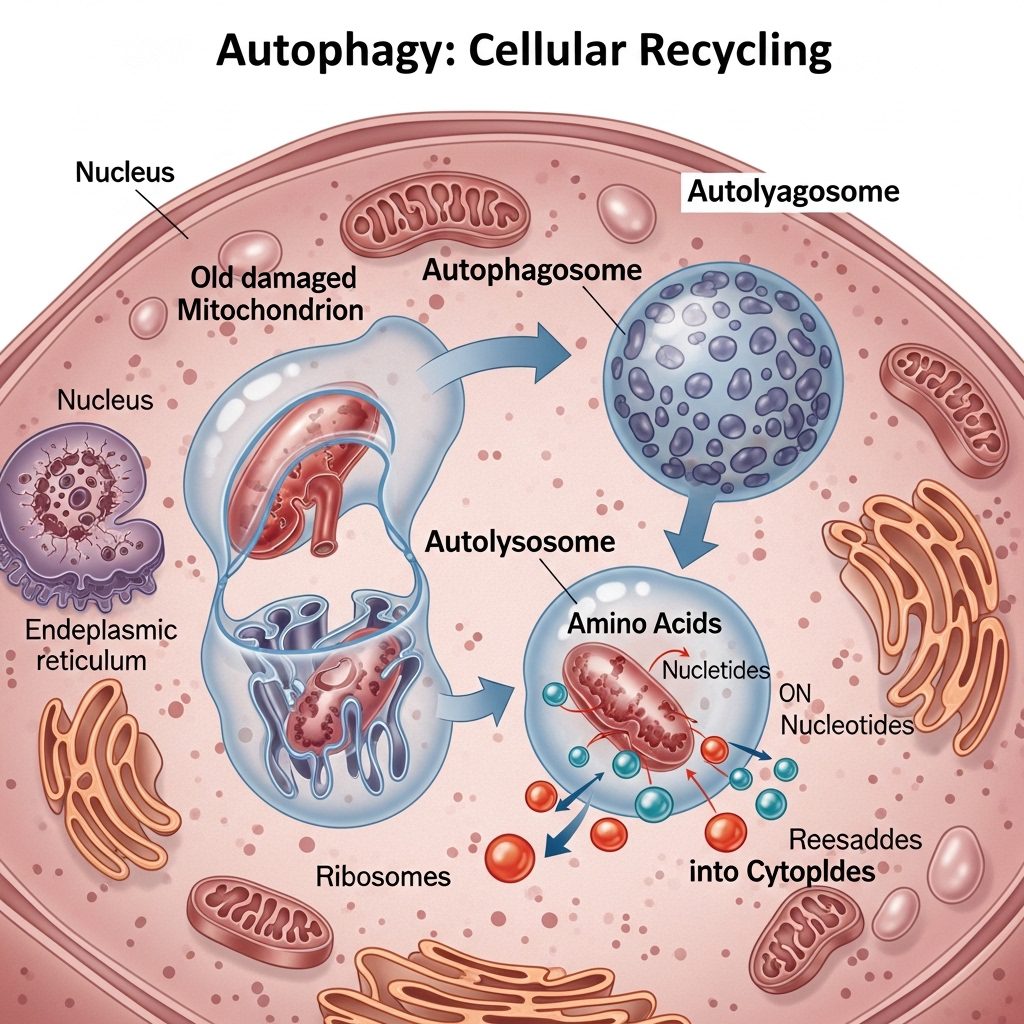
Autophagy is a process by which the body reuses old and damaged cell components. Cells are the basic building blocks of every tissue and organ in the body. Each cell contains multiple parts that maintain its function. Over time, some of these parts may stop working properly and become waste within an otherwise healthy cell.
This process is important for several reasons:
- Removal of toxins and damaged cells: Damaged cells or abnormal proteins may cause inflammation or chronic diseases if not removed.
- Cell regeneration: Recycled components are used to build new cells, enhancing overall health.
- Enhanced disease resistance: Research suggests that autophagy plays a role in preventing certain chronic diseases such as diabetes, heart disease, and some types of cancer.
How is Intermittent Fasting Linked to Autophagy?
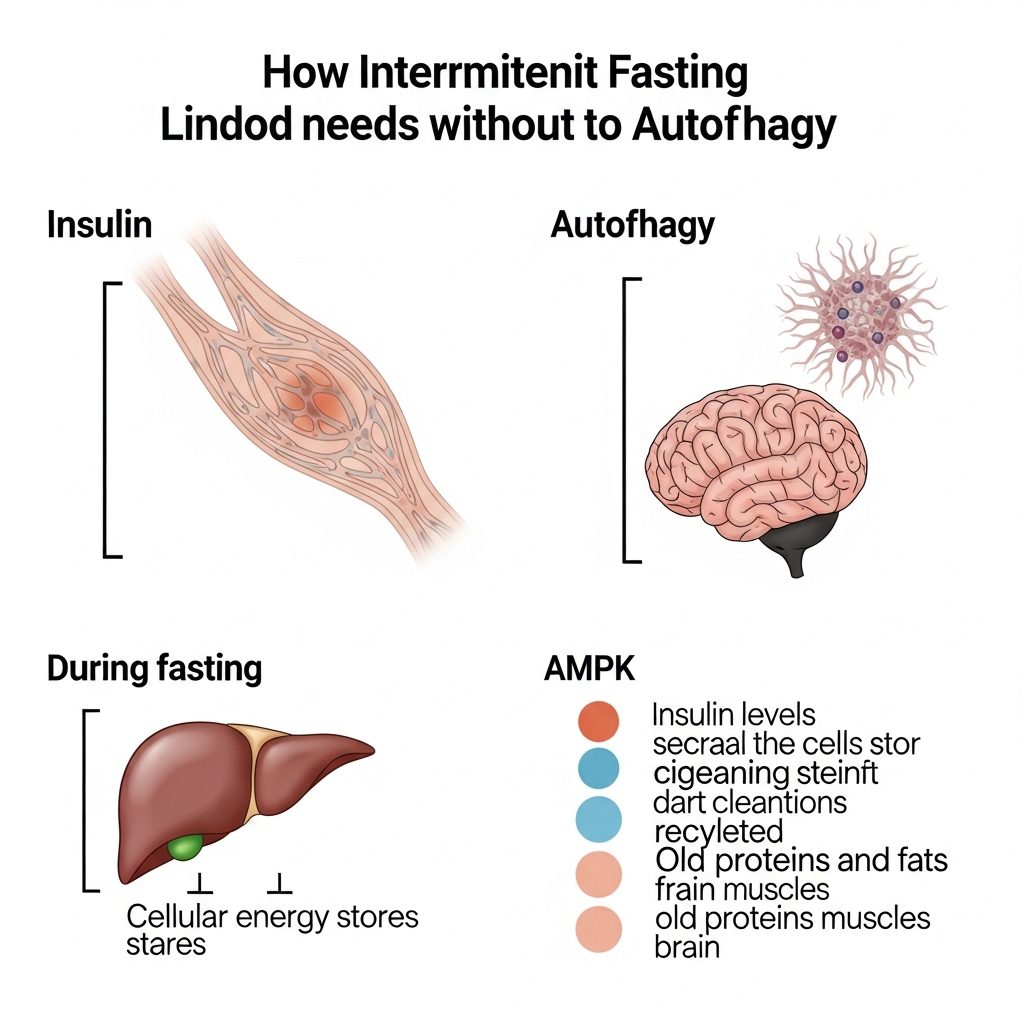
The relationship between intermittent fasting and autophagy is based on the idea that the body needs a period without food to activate this process. During fasting:
- Insulin levels decrease, sending a signal to cells to start cleaning themselves.
- Cellular energy stores drop, which leads to the activation of AMPK, an enzyme that promotes autophagy.
- Old proteins and fats are recycled, improving the function of various organs such as the liver, muscles, and brain.
As a result, intermittent fasting does not only reduce fat or body weight, but also helps the body maintain itself at the cellular level, which explains why some people feel more energetic and active after following this dietary pattern.
Potential Health Benefits of Autophagy Through Fasting:
1. Improved heart health: Recent research shows that autophagy may reduce fat accumulation in arteries and decrease inflammation, supporting heart health and lowering the risk of cardiovascular diseases.
2. Enhanced brain function: Cleaning damaged proteins in brain cells may reduce the risk of neurological diseases such as Alzheimer’s and Parkinson’s.
3. Weight control and improved metabolism: By recycling fats and proteins, intermittent fasting may improve insulin sensitivity and enhance fat burning.
4. Potential lifespan extension: Animal studies have shown that intermittent fasting and autophagy may increase lifespan by reducing cellular stress and oxidative damage.
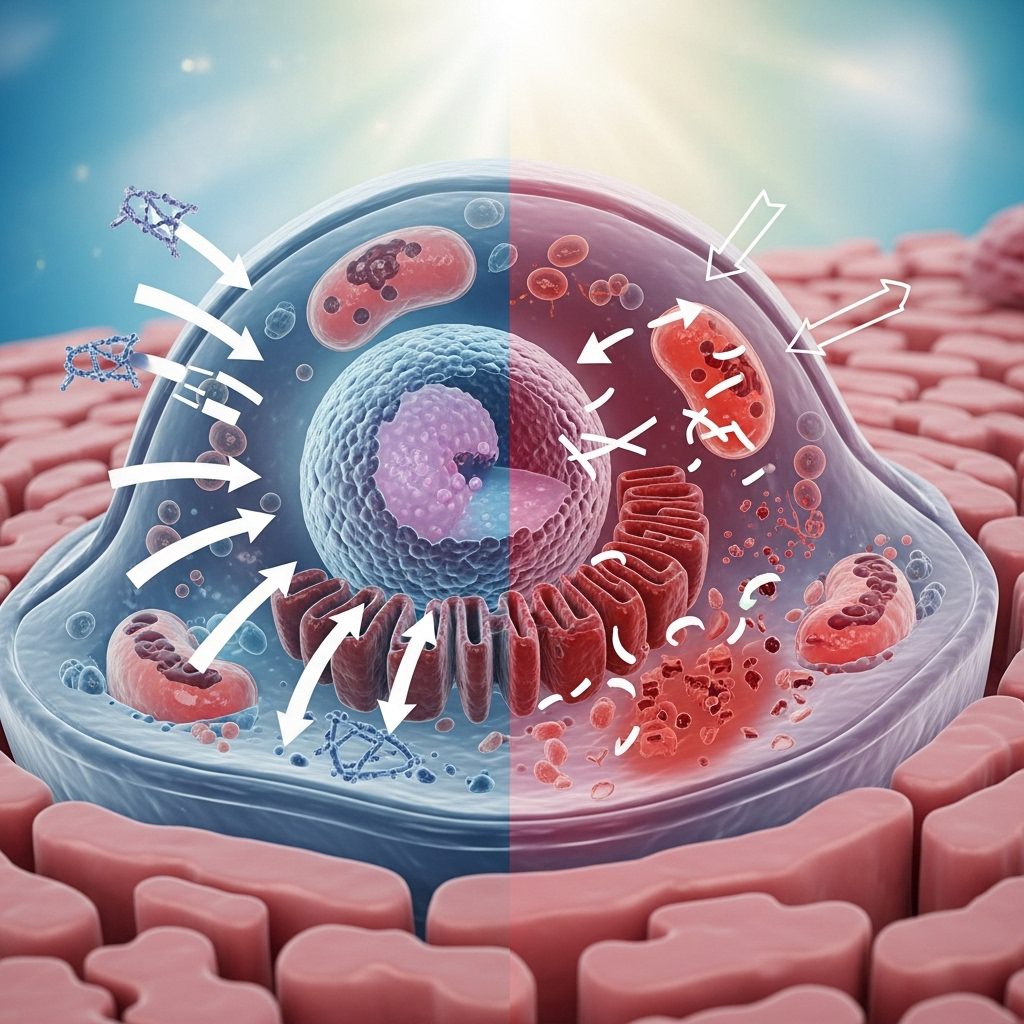
Intermittent fasting is not just a diet for weight loss, but a natural way to support the body’s health at the cellular level through the process of autophagy. This process works like an “internal cleaning service,” helping remove damaged cells, regenerate new ones, reduce the risk of chronic diseases, and improve overall body performance. For anyone interested in nutrition and health, understanding this relationship can be a key to improving lifestyle in a scientific and effective way, away from random dieting approaches or harsh restrictive diets.
At Nutrition Travels, this type of information is presented in a simple and reliable way, with a focus on connecting science to practical application, allowing readers to truly benefit and transform knowledge into a sustainable healthy lifestyle.