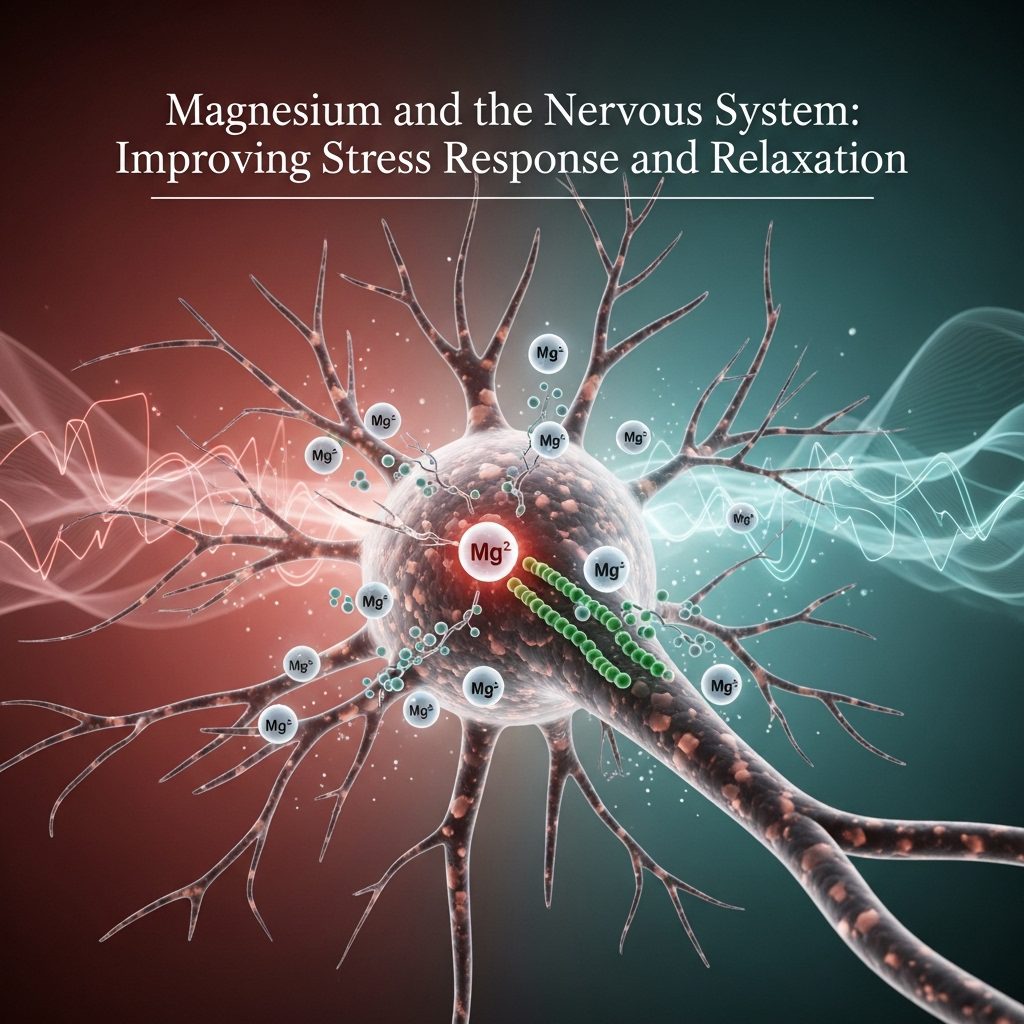
Magnesium and the nervous system play a crucial role in maintaining overall health, especially in a world full of daily pressures and constant challenges. Many people who care about healthy nutrition or seek to improve their lifestyle focus on vitamins like Vitamin C or Vitamin D, but magnesium is an important mineral that is often overlooked despite its profound impact.
Magnesium is not limited to supporting muscles or bones only, but it also plays a pivotal role in regulating the nervous system, improving the body’s response to stress, and helping promote a sense of calm and relaxation. Therefore, understanding the relationship between magnesium and the nervous system can open an important door to improving quality of life, especially for those who suffer from anxiety or chronic stress.
What is magnesium and why is it important?
Magnesium is a natural element (Mg) that is essential not only for human life as a whole, but for the life of all cells. It supports nerve and muscle function, bone growth, regulation of blood sugar levels, and much more, all of which are directly linked to sleep and mental health.
What makes magnesium special is its direct effect on the nervous system, as it acts as a natural regulator of nerve signals and helps maintain mood stability.
The relationship between magnesium and the nervous system:
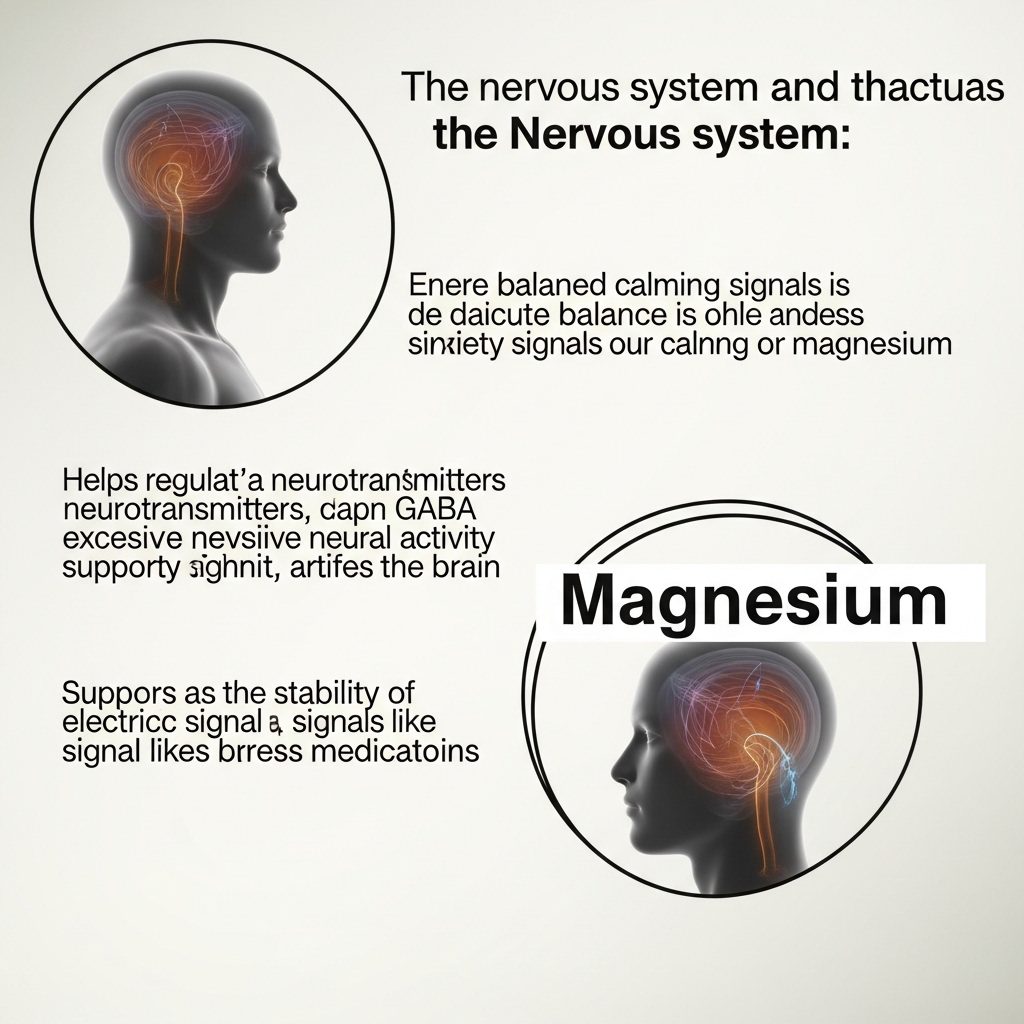
The nervous system depends on a delicate balance between stimulating and calming signals. When this balance is disrupted, symptoms such as anxiety, stress, or even sleep disturbances may appear.
Here comes the role of magnesium, as it:
- Helps regulate neurotransmitters such as GABA, which is responsible for calming the brain.
- Contributes to reducing excessive neural activity that leads to stress.
- Supports the stability of electrical signals in the brain.
Simply put, magnesium works as a “natural calming agent” for the nervous system, without causing side effects like some medications.
Magnesium and Stress Response: How It Helps the Nervous System Cope?
Stress is not just a psychological feeling, but a physiological response that includes the release of hormones such as cortisol. When exposed to stress for long periods, the body begins to consume larger amounts of magnesium.
Here, a vicious cycle occurs:
- Stress reduces magnesium levels.
- Magnesium deficiency increases stress.
Therefore, people who live under constant pressure, such as those working in stressful environments or students during exam periods, may be more prone to deficiency in this mineral.
Magnesium helps in:
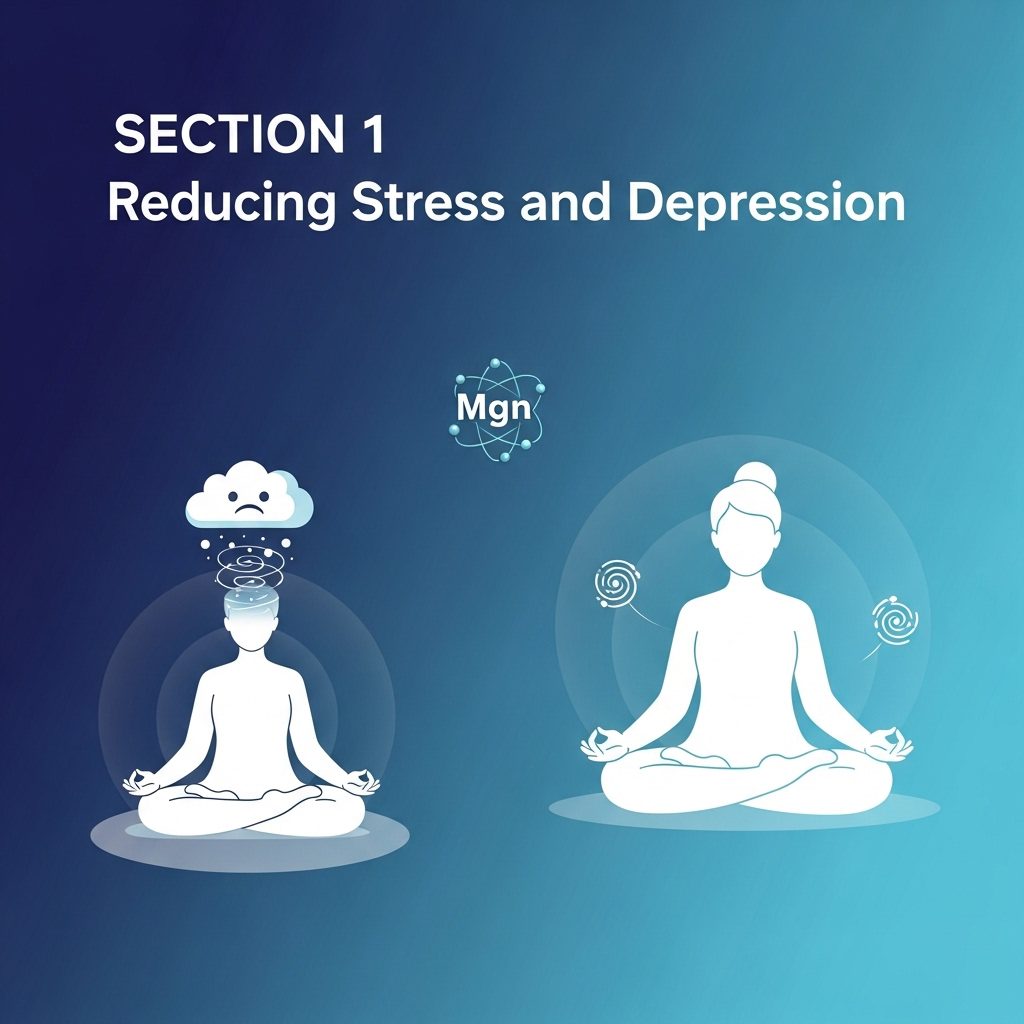
- Contributing to reducing stress and depression
- Reducing the secretion of cortisol hormone
- Improving the body’s ability to adapt to pressure
- Reducing the physical symptoms of stress
Magnesium for Relaxation and Nervous System Calmness:
If you are someone who cares about good sleep or relaxation techniques, magnesium may be an essential element in your routine.
Magnesium contributes to:
- Improving sleep quality by calming the nervous system
- Reducing insomnia, especially that caused by overthinking
Many people who suffer from difficulty sleeping notice a significant improvement when their magnesium levels improve, whether through food or supplements.
Symptoms of magnesium deficiency and its effect on the nerves:
Magnesium deficiency may not always be obvious, but it appears in the form of various symptoms, including:
- Persistent anxiety and stress
- Irritability and mood swings
- Difficulty sleeping
- Muscle cramps
For those interested in nutrition, these symptoms may be an indication of the need to review the diet, especially if it relies on processed foods.

Sources of magnesium in food:
Fortunately, magnesium is available in many natural foods, making it easy to obtain through a balanced diet.
The most important sources include:
- Dark chocolate
- Leafy green vegetables such as spinach
- Nuts, such as cashews and almonds
- Seeds, such as pumpkin seeds and chia seeds
- Whole grains such as brown rice and oats
- Some fruits such as blackberries, bananas, and avocados
Tips to improve magnesium levels naturally:
1. Diversify your diet and rely on whole foods.
2. Reduce caffeine intake, as it may reduce magnesium absorption.
3. Reduce stress through natural methods such as meditation or walking.
4. Pay attention to sleep quality.

Magnesium is not just an ordinary mineral, but an essential element for the health of the nervous system and psychological balance. For people interested in nutrition and improving their lifestyle, understanding the importance of magnesium can be a real turning point.
With the fast-paced lifestyle we live today, paying attention to micronutrients like magnesium becomes a smart step toward better health, both physically and mentally.
And at Nutrition Travels, we are always committed to providing reliable and simplified nutrition information to help you better understand your body and make healthier decisions that support your lifestyle.